by VIN, Year, Make, Model by License Plate

2023 Can-Am Ryker Overview, Reviews, Ratings & Specs

Rating: 0.00
Based on 0 Owner Reviews
Drew B | September 27, 2025
The 2023 Can-Am Ryker is a distinctive three-wheeled vehicle introduced by BRP (Bombardier Recreational Products) in 2019, positioned as a more accessible and entry-level option than its Spyder sibling. Featuring a "Y-architecture" with two wheels in front and one in the rear, it offers a stable yet exhilarating open-air riding experience. Key trims include the base Ryker, Ryker Sport, and the adventure-ready Ryker Rally. Pricing ranges from approximately $9,000 to $15,000. Its automatic transmission, unique styling, and enhanced stability make it popular and stand out, appealing to new riders and enthusiasts alike.
The Good

The Ryker offers an emotionally appealing thrilling open-air ride, unique customizable design, and a strong sense of freedom. Practically, its three-wheel stability, automatic transmission, and low center of gravity make it easy and safe to ride. It boasts respectable fuel efficiency, proven Rotax engine reliability, and strong value as an entry point into three-wheeled powersports. Comfort is adequate for its class, and its agility suits urban and spirited backroad cruising.

The Bad

Known weaknesses for the 2023 Can-Am Ryker include limited cargo space, less agility than a two-wheeled motorcycle, and significant wind buffeting at higher speeds. Some riders may desire more raw power, even from the 900 ACE engine. Comfort can be an issue on longer rides for some. Being an open-air vehicle, it offers minimal weather protection. Proprietary parts can lead to higher repair costs outside of warranty.

2023 Can-Am Ryker: Quick Overview

  • Engine Options: The 2023 Can-Am Ryker is available with two Rotax ACE engine choices:
    - Rotax 600 ACE: A 2-cylinder, liquid-cooled engine.
    - Rotax 900 ACE: A more powerful 3-cylinder, liquid-cooled engine.
  • Horsepower:
    - Rotax 600 ACE: Produces 50 hp (37.3 kW) at 7300 RPM.
    - Rotax 900 ACE: Delivers 82 hp (61.1 kW) at 8000 RPM.
  • Fuel Economy: Varies by engine and riding style. Owners typically report fuel economy in the range of 35-45 MPG (US).
  • 0-60 Times: Can-Am does not officially publish 0-60 mph times. However, estimates suggest:
    - Rotax 600 ACE: Approximately 7-8 seconds.
    - Rotax 900 ACE: Can achieve 0-60 mph in under 6 seconds, offering a noticeably more spirited acceleration.
  • Towing Capacity: The Can-Am Ryker is not designed for towing and has no official towing capacity.
  • Trim-Level Features:
    • Ryker (Base Model): Features include either the Rotax 600 ACE or 900 ACE engine, an automatic CVT (Continuously Variable Transmission) with reverse, and the BRP-exclusive UFit System for tool-less ergonomic adjustments (handlebars, footpegs) to suit various rider sizes. It comes standard with the Vehicle Stability System (VSS) which integrates ABS, Traction Control, and Stability Control.
    • Ryker Sport: Builds upon the base model, exclusively featuring the Rotax 900 ACE engine. It adds sportier styling elements, enhanced suspension (typically KYB HPG shocks with tool-free preload adjustment), Cruise Control for more relaxed highway riding, and a dedicated Sport Mode for a more dynamic and responsive riding experience. It usually includes a Max Mount for easy integration of passenger seat or additional cargo.
    • Ryker Rally: The top-tier trim, also exclusively powered by the Rotax 900 ACE engine, is designed for light off-road and rougher terrain capabilities. It boasts Rally Mode (optimized for dirt roads), reinforced rims with Kenda Rally tires for enhanced grip, heavy-duty KYB HPG suspension with remote adjusters, a skid plate for underbody protection, hand guards, and structural frame protection. It also includes the Max Mount and Cruise Control as standard.
    All trims offer extensive customization options through a vast array of BRP accessories.

2023 Can-Am Ryker Specifications

Vehicle Information
Year 2023
Make Can-Am
Model Ryker
Trim -
Style -
Type Motorcycle
Category Motorcycle or Open Autocycle [1 Rear Wheel]
Manufacturing Details
Made In Mexico
Manufacturing City JUAREZ
Dimensions
Doors -
Curb Weight -
Gross Vehicle Weight Rating -
Overall Height -
Overall Length -
Overall Width -
Wheelbase Length -
Standard Seating -
Engine & Performance
Engine 900 ACE
Engine Size 900L
Engine Cylinders -
Transmission Automatic
Transmission Type Automatic
Transmission Speeds -
Drivetrain Front-Wheel Drive
Additional Features
Anti-Brake System -
Steering Type -
Pricing
Manufacturer Suggested Retail Price (MSRP) -
Invoice Price -
Delivery Charges -

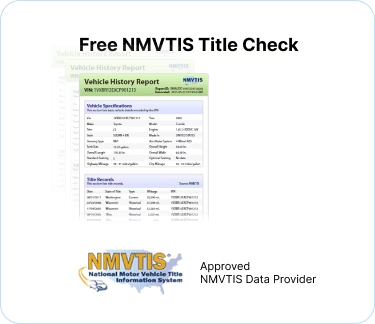
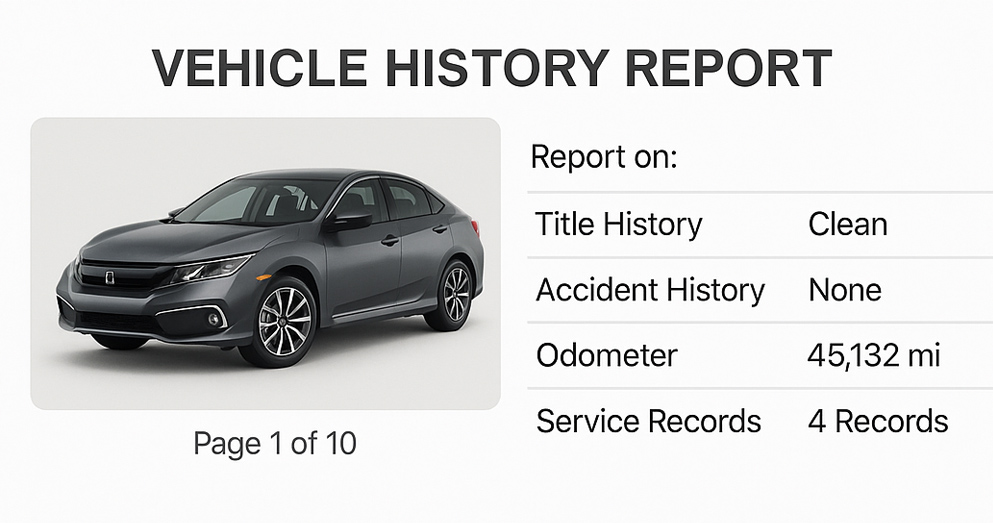
Vehicle History Report

Vehicle
Specifications
Ownership
History
All History
Events
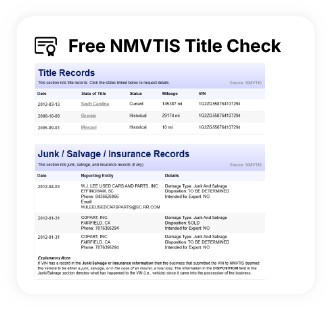
NMVTIS Title
History Check
Salvage/Rebuilt
Check
Accident
Check
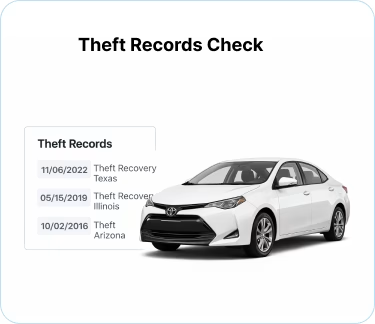
Theft
Check
Open Lien
Check
Past Sale
Listings
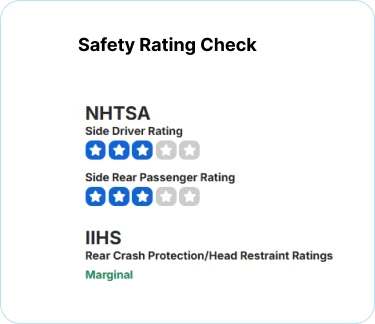
Safety
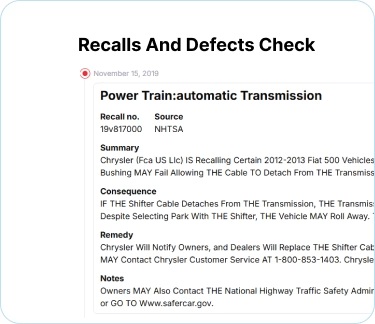
Recalls
Odometer
Check
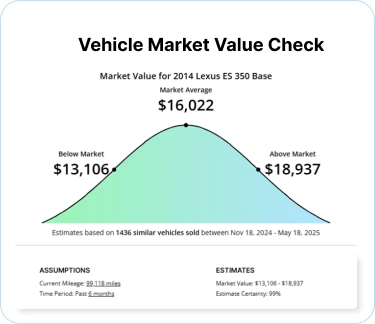
Market Price
Analysis

What Problems Does the 2023 Can-Am Ryker Have?

For the 2023 Can-Am Ryker, frequently reported problems tend to be minor rather than systemic, aligning with typical new vehicle issues. Some owners have noted minor electrical glitches, such as occasional sensor warnings or infotainment system quirks, which often can be resolved with software updates. Drive belt noise or premature wear, especially with aggressive riding or improper tensioning, has been a periodic concern across Ryker model years; however, diligent maintenance can mitigate this. Seat comfort for long rides is subjective but sometimes cited as a weakness, prompting many to opt for aftermarket comfort seats.

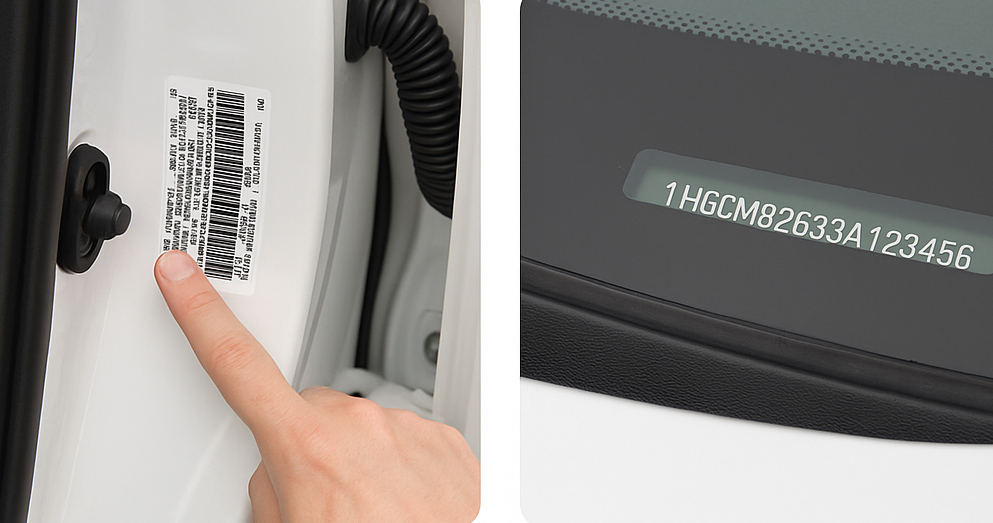
Regarding recalls, Can-Am (BRP) has historically issued recalls for various components across its vehicle lineup, including Rykers, to address potential safety or performance issues. These can range from steering components, brake system issues, fuel line concerns, or necessary software updates. For the 2023 model year, any significant recalls would typically be identified and announced by the manufacturer or safety regulators (like NHTSA in the U.S.) within the first year or two of production. Prospective buyers should always check the official recall databases using the specific Vehicle Identification Number (VIN) for the most up-to-date information. Earlier Ryker model years, particularly 2019-2020, saw some initial production-related issues, such as occasional false dashboard warnings or belt adjustments, which were largely addressed through warranty work and updated service procedures.

Long-term reliability for the Can-Am Ryker is generally considered good, thanks to the proven Rotax engines. However, like any powersports vehicle, it's highly dependent on consistent and proper maintenance. The CVT transmission is robust but requires regular fluid changes and belt inspections. Wear items like tires and brake pads will need replacement based on riding style and mileage. Owners have reported that keeping up with authorized dealer service schedules helps prevent many potential long-term issues, ensuring the vehicle provides many years of enjoyable service.

How long will the 2023 Can-Am Ryker last?

With proper and consistent maintenance, a 2023 Can-Am Ryker can reliably achieve 50,000 to 70,000 miles, with many dedicated owners reporting significantly higher mileage, potentially exceeding 100,000 miles. In terms of years, a Ryker could provide 10-15 years or more of service, depending on usage frequency and environmental factors. The Rotax engines are renowned for their durability. Long-term durability is strong, but weaknesses tend to emerge in wear items like the drive belt, which requires periodic inspection and replacement. Tires and brake pads also have typical lifespans. Suspension components, particularly on non-Rally models, might show wear sooner if frequently ridden on rough roads. Electrical connections can also be susceptible to corrosion over many years in challenging climates. Adhering to the manufacturer's service schedule, including fluid changes and belt adjustments, is crucial for maximizing the Ryker's lifespan.

What Technology & Safety Features are Included?

The 2023 Can-Am Ryker, while providing an exhilarating ride, maintains a focus on essential technology rather than extensive infotainment, differentiating it from its Spyder counterpart. It typically features a functional 4.5-inch or 7.6-inch digital gauge display (size can vary by trim or accessory) that provides crucial rider information such as speed, RPM, fuel level, gear position, and trip data. Basic USB ports are standard for charging personal devices. Full-fledged entertainment systems or integrated GPS are not standard but Bluetooth connectivity for smartphone integration and a sound system are often available as optional accessories, allowing for audio streaming or navigation prompts through a helmet communication system.

Where the Ryker truly excels in technology is its suite of driver-assistance and safety features, all integrated into the standard BRP-developed Vehicle Stability System (VSS). This comprehensive system includes:
  • Anti-lock Braking System (ABS): Prevents wheel lock-up during hard braking, allowing the rider to maintain steering control.
  • Traction Control System (TCS): Helps prevent the rear wheel from spinning during acceleration, especially on slippery surfaces.
  • Stability Control System (SCS): Monitors vehicle dynamics and intervenes by reducing engine power or selectively applying individual brakes to keep the Ryker stable and prevent rollovers or loss of control during aggressive cornering.
These systems are vital for the Ryker's unique three-wheel configuration, providing a confidence-inspiring ride. A reverse gear is also standard for improved maneuverability. Optional safety enhancements include additional LED lighting, handguards, and various visibility accessories.

Regarding crash-test ratings, it is important to note that the Can-Am Ryker, as a three-wheeled autocycle, is not subject to the same standardized crash testing protocols (e.g., by NHTSA or IIHS in the U.S.) as traditional passenger cars or even most motorcycles. Therefore, there are no official "crash-test ratings" available. Rider safety heavily relies on protective gear, rider skill, awareness, and the vehicle's robust Vehicle Stability System.

What Colors Options are Available?

We’re working on this section!
In the meantime, feel free to explore the other sections for more content.

2023 Can-Am Ryker Prices and Market Value

New Prices (2023 MSRP): The 2023 Can-Am Ryker typically started around $9,000 to $10,000 for the base 600 ACE model, increasing to approximately $11,000 to $12,000 for the 900 ACE. The Ryker Sport trim ranged from $12,000 to $13,500, while the top-tier Ryker Rally commanded prices from $13,500 to $15,000, before taxes, fees, and accessories.

Current Used Market Prices: As of late 2023/early 2024, used 2023 models are just beginning to enter the market. Expect prices for these to hover between 85-95% of their original MSRP, depending heavily on mileage, condition, and any desirable installed accessories. Older Ryker models (2019-2022) show a gradual depreciation, typically losing 15-25% in the first 1-3 years.

Depreciation Insights: Can-Am Rykers generally hold their value well within their niche, often better than some traditional motorcycles, due to their unique appeal and steady demand. The 900 ACE engine variants and higher trims like Sport and Rally tend to depreciate slower and command higher resale values.

Factors Affecting Resale Value: Key factors include low mileage, excellent mechanical and cosmetic condition, complete and documented service history, the presence of popular factory accessories (e.g., Max Mount, comfort seat, windshield), and a clear title. Location and market demand also play a role, as does the season when selling.

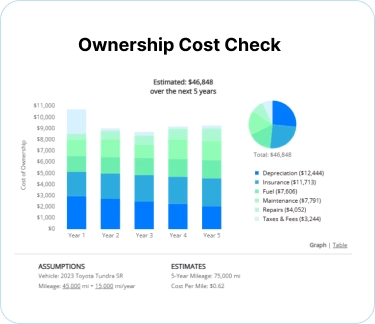
2023 Can-Am Ryker Cost of Ownership

Insurance: Premiums for a 2023 Can-Am Ryker vary widely, falling somewhere between traditional motorcycle and car insurance. Factors like rider's age, driving record, location, and coverage type significantly influence costs.

Fuel: The Ryker is reasonably fuel-efficient. The 600 ACE model offers excellent MPG, while the 900 ACE is also respectable, typically using regular unleaded gasoline, making it economical in terms of fuel.

Maintenance: Routine maintenance, including oil changes, belt inspections, and tire upkeep, is comparable to a powersports vehicle. Authorized Can-Am dealer service can be pricier than independent shops. Drive belt replacement is a notable periodic expense.

Repair: Being a specialized vehicle, parts are often proprietary to Can-Am, potentially leading to higher repair costs if outside warranty.

Overall: The 2023 Can-Am Ryker is moderately economical to own, especially the 600 ACE, more so than a high-end touring motorcycle or a new car. Long-term costs are manageable with diligent maintenance and smart riding habits.

2023 Can-Am Ryker Fuel Efficiency

Fuel Type Gasoline
Fuel Capacity -
City Mileage -
Highway Mileage -

2023 Can-Am Ryker Warranty

Basic
Original warranty 0 months / No data
Estimated remaining Expired
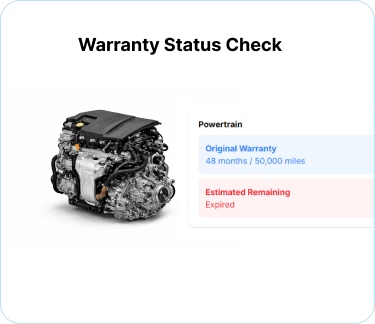
Powertrain
Original warranty 0 months / No data
Estimated remaining Expired
Rust
Original warranty 0 months / No data
Estimated remaining Expired

2023 Can-Am Ryker Insurance

Insurance for a 2023 Can-Am Ryker is moderately priced, reflecting its status as a Motorcycle with strong safety ratings and
reasonable repair costs.

How Does the 2023 Can-Am Ryker Compare to Other Motorcycle?

The 2023 Can-Am Ryker operates in a unique segment, primarily competing with its more premium sibling, the Can-Am Spyder, and the performance-oriented Polaris Slingshot. While some might cross-shop with two-wheeled motorcycles or even small convertibles, these three form the core three-wheel comparison.

Performance:
  • Can-Am Ryker: Offers a spirited and engaging ride, particularly with the 900 ACE engine (82 hp), providing good acceleration and handling for its class. It's fun for carving roads but not a high-speed machine.

  • Can-Am Spyder: Generally features a more powerful Rotax 1330 ACE engine (115 hp), offering superior touring performance, smoother power delivery, and often more robust acceleration than the Ryker.
  • Polaris Slingshot: Designed for raw performance, with a 2.0L ProStar engine delivering up to 203 hp. It's significantly faster and offers a more car-like driving experience with a manual transmission option, appealing to performance enthusiasts.
Features:
  • Can-Am Ryker: More minimalist, focusing on customizable ergonomics (UFit System) and essential digital instrumentation. Advanced infotainment is largely optional.

  • Can-Am Spyder: Offers a premium experience with more advanced infotainment (BRP Connect), better wind protection, greater storage, and enhanced comfort features for longer journeys.
  • Polaris Slingshot: Provides a more car-like interior with a larger infotainment screen, premium audio options, and better weather protection than the Ryker, though still an open-cockpit vehicle.

Reliability: All three brands generally have good reliability records, with proper maintenance being key. Can-Am's Rotax engines are well-regarded for their durability. Minor electrical issues or wear-and-tear items (like belts) can be common across all powersports vehicles, but no widespread critical reliability concerns typically plague these models.

Price:
  • Can-Am Ryker: The most accessible, entry-level option, ranging from approximately $9,000 to $15,000.
  • Can-Am Spyder: A significant step up in price, typically from $18,000 to $28,000+, depending on the model and trim.
  • Polaris Slingshot: Competitively priced with the Spyder, often starting around $22,000 and reaching over $36,000 for top-tier performance models.

Alternatives:
  • Can-Am Spyder: A "better" alternative if comfort, touring capability, and premium features are priorities, and budget allows.
  • Polaris Slingshot: A "better" alternative if maximum performance, a car-like driving experience, and aggressive styling are paramount.
  • Traditional Motorcycles: For those who prioritize agility, leaning into turns, and a more classic two-wheel experience, a sport bike or cruiser offers a different type of thrill.
  • Used Convertibles: For open-air driving with more enclosed comfort and traditional safety features, a used Mazda Miata or similar affordable convertible could be an indirect alternative.

Final Verdict: Is the 2023 Can-Am Ryker a Good Motorcycle?

The 2023 Can-Am Ryker is an excellent choice for individuals seeking an accessible, stable, and fun open-air riding experience without the balance demands of a two-wheeled motorcycle. It's ideal for new riders, those transitioning from motorcycles, or anyone desiring a unique, customizable vehicle for urban commuting, recreational cruising, or spirited short to medium-distance trips. Its automatic transmission and Vehicle Stability System make it incredibly easy to operate and confidence-inspiring.

The Ryker is definitely worth buying for its blend of stability, engaging ride, and distinctive style. For those prioritizing value, a gently used 1-2 year old Ryker can offer substantial savings with minimal depreciation. Opting for the 900 ACE engine is highly recommended for a more satisfying power delivery. The Sport trim offers a great balance of features and performance, while the Rally is perfect for adventurous riders or those living on unpaved roads. It's a compelling purchase if open-air thrills, ease of use, and unique design outweigh raw speed or traditional motorcycle agility.

2023 Can-Am Ryker Owner Reviews

0.00
Consumer Rating, Based on 0 Consumer Reviews
Overall rating
Cancel
Thank You for Your Review!

We truly appreciate the time and effort you took to share your experience with us.

Uh oh!

Something went wrong, please try again later.

Author Image
Drew B

Drew is a seasoned automotive expert and contributor to VinCheck.info. With nearly 15 years of experience as a former Porsche technician, he brings a wealth of hands-on knowledge to his writing. Born in North Carolina, a region renowned for its deep-rooted NASCAR culture, Drew developed a passion for cars early in life, often building and working on vehicles from a young age. At VINCheck, Drew leverages his extensive technical background to provide in-depth analyses of various vehicles. His articles often focus on engine performance, reliability, and maintenance insights, offering readers practical information grounded in real-world experience. Some of his notable contributions include reviews on the Mazda CX-5's longevity and detailed examinations of engine options for models like the 2011 Toyota Camry and Tacoma