by VIN, Year, Make, Model by License Plate

2020 BIG TEX Big Tex Overview, Reviews, Ratings & Specs

Rating: 0.00
Based on 0 Owner Reviews
Jovan | October 6, 2025
The 2020 BIG TEX Big Tex is a robust and versatile trailer known for its exceptional durability and utility. While specific model years for the 'Big Tex' designation might vary across their extensive lineup, trailers under the Big Tex umbrella are consistently built for heavy-duty applications. The body style is typically an open-deck utility trailer, available in various configurations like flatbeds, car haulers, and dump trailers. Pricing for new Big Tex trailers can range significantly, from a few thousand dollars for basic models to upwards of $15,000 or more for larger, specialized units. Their popularity stems from a reputation for sturdy construction and reliability, making them a trusted choice for commercial use and serious DIYers.
The Good

The 2020 Big Tex Big Tex excels in sheer practicality, offering unparalleled reliability for hauling demanding loads. Its rugged design instills confidence, while its straightforward functionality appeals to the practical buyer. For those seeking peace of mind and a workhorse that won't let them down, the Big Tex provides exceptional value.

The Bad

While highly durable, potential weaknesses for the 2020 Big Tex Big Tex often revolve around its utilitarian nature. Comfort is secondary to function, meaning road noise and a stiff ride can be factors on longer journeys. Furthermore, while robust, routine maintenance is crucial to prevent rust and ensure longevity.

2020 BIG TEX Big Tex: Quick Overview

As the 2020 BIG TEX Big Tex is a trailer, it does not have engine options, horsepower, fuel economy, or 0-60 times in the traditional automotive sense.
However, its specifications and features are geared towards utility and payload.

Key Specifications (Typical for Big Tex Trailers, model dependent):

  • Type: Utility Trailer (various configurations: flatbed, car hauler, dump, equipment, etc.)
  • Frame Construction: Typically constructed from heavy-duty steel, often channel iron or square tubing, with robust crossmembers for maximum strength and support.
  • Axle Configuration: Available in single, tandem, or triple axle setups, depending on the Gross Vehicle Weight Rating (GVWR).
  • Suspension: Leaf spring suspension is standard, providing durability and load-carrying capacity.
  • Brakes: Electric brakes are common, especially on tandem and triple axle models, for enhanced stopping power and safety. Some smaller models may have surge brakes or no brakes.
  • Tires: Heavy-duty trailer tires, often ST (Special Trailer) rated, with appropriate load ranges for the trailer's GVWR.
  • Towing Capacity (GVWR): This is the most critical specification for a trailer and varies widely. Common GVWRs can range from 2,000 lbs for small utility trailers to 20,000 lbs or more for heavy-duty equipment haulers. For a 2020 model, a typical car hauler might have a GVWR of 7,000 lbs to 14,000 lbs, while larger flatbeds could reach 18,000 lbs or 20,000 lbs. The actual towing capacity is the GVWR minus the trailer's empty weight.

Key Trim-Level Features (Common on various Big Tex models):

  • Decking: Pressure-treated pine is standard on many models, offering durability and weather resistance. Some higher-end models might offer steel diamond plate or composite flooring.
  • Ramps: Spring-assist or drive-on ramps are standard on car haulers and equipment trailers, designed for ease of loading. Configurations can include full-width, split, or removable ramps.
  • Stake Pockets & Tie-Downs: Integrated stake pockets along the frame allow for the addition of side rails, while numerous tie-down points (D-rings, rub rails, chain slots) ensure secure cargo transport.
  • Lighting: Full LED lighting package for superior visibility and longevity, often including brake lights, turn signals, and marker lights, all compliant with DOT regulations.
  • Jacks: A heavy-duty jack (top wind, side wind, or electric) is standard for leveling and assisting with hitching/unhitching.
  • Fenders: Steel teardrop or rectangular fenders are common, providing protection from road debris.
  • Coupler: A sturdy coupler designed for standard hitch sizes (e.g., 2-inch, 2 5/16-inch ball).
  • Winch Mount: Some models may come with an integrated winch mount plate for added utility.
  • Toolboxes: Optional integrated toolboxes can be added to the tongue of the trailer for convenient storage of straps, tools, and equipment.
  • Hydraulic Dump Feature: For dump trailer models, this includes the hydraulic pump, cylinder, and control system for effortless dumping of material.

It is crucial to consult the specific model's specifications as Big Tex offers a vast array of configurations to meet diverse hauling needs.

2020 BIG TEX Big Tex Specifications

Vehicle Information
Year 2020
Make BIG TEX
Model Big Tex
Trim -
Style -
Type Recreational Vehicle
Category Special Purpose Vehicle
Manufacturing Details
Made In United States
Manufacturing City MOUNT PLEASANT
Dimensions
Doors -
Curb Weight -
Gross Vehicle Weight Rating -
Overall Height -
Overall Length -
Overall Width -
Wheelbase Length -
Standard Seating -
Engine & Performance
Engine -
Engine Size -
Engine Cylinders -
Transmission -
Transmission Type Not Applicable
Transmission Speeds -
Drivetrain Not Applicable
Additional Features
Anti-Brake System Not Applicable
Steering Type -
Pricing
Manufacturer Suggested Retail Price (MSRP) -
Invoice Price -
Delivery Charges -

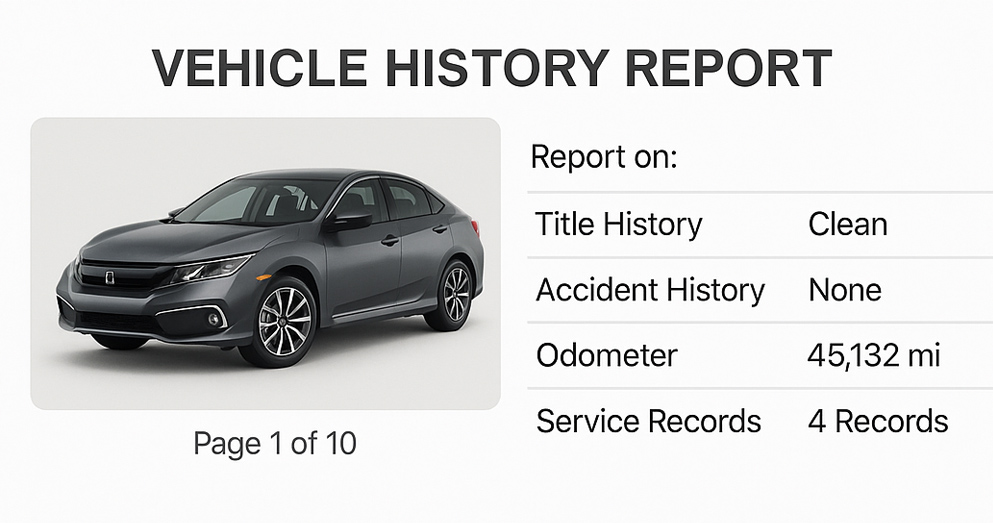
Vehicle History Report

Vehicle
Specifications
Ownership
History
All History
Events
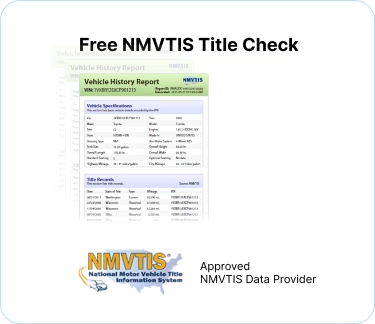
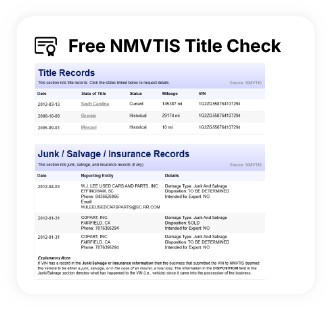
NMVTIS Title
History Check
Salvage/Rebuilt
Check
Accident
Check
Theft
Check
Open Lien
Check
Past Sale
Listings
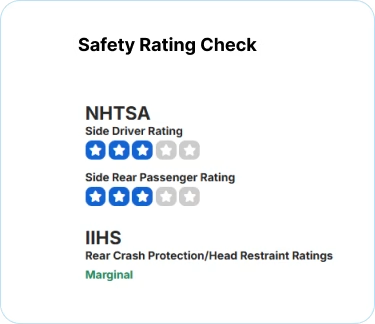
Safety
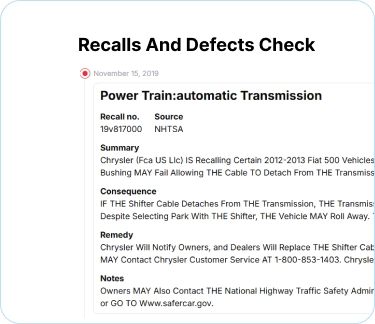
Recalls
Odometer
Check
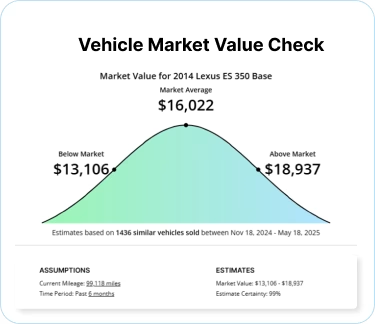
Market Price
Analysis

What Problems Does the 2020 BIG TEX Big Tex Have?

The 2020 BIG TEX Big Tex, like most heavy-duty trailers, is generally known for its robust build quality and long-term reliability. However, no piece of equipment is entirely immune to issues, and some recurring themes and potential concerns can arise over time, particularly if maintenance is neglected or if the trailer is consistently used at or near its maximum capacity.

Frequently Reported Issues and Considerations:

  • Rust and Corrosion: This is perhaps the most common concern with any steel trailer that operates in varied weather conditions. While Big Tex trailers are typically painted with durable finishes, exposure to salt, moisture, and road grime can lead to rust, especially on welds, the underside, and areas where the paint may have chipped. Regular cleaning, inspection, and touch-up paint are vital for mitigating this.
  • Tire Wear: Improper tire inflation, unbalanced axles, or overloading can lead to premature and uneven tire wear. For trailers, tire maintenance is critical for safety and performance.
  • Brake System Maintenance: Electric brake systems require periodic inspection and adjustment. Wear on brake pads, drums, or rotors, as well as issues with wiring or brake controllers, can occur. For hydraulic surge brakes, seals and fluid levels need attention.
  • Lighting Failures: While LED lighting is generally reliable, connections can loosen, or individual LEDs can fail over time, particularly if exposed to excessive vibration or moisture ingress into the wiring harness.

  • Gate/Ramp Mechanisms: For dump trailers or those with ramps, the hydraulic cylinders, pivot points, and locking mechanisms can experience wear. Hinges can seize, and hydraulic systems might develop leaks if not properly maintained.
  • Suspension Components: While leaf springs are durable, they can eventually fatigue or break under extreme stress. Shackles and bushings can also wear out, leading to a rougher ride and potential instability.

Recalls:
Recalls on trailers are less common than on motorized vehicles but do happen, often related to safety-critical components like brakes, axles, or lighting. It is essential for owners to register their trailers with the manufacturer or check recall databases periodically. For a 2020 model, any recalls would likely have been addressed by now, but it is always prudent to verify. Specific recall information for a 2020 Big Tex trailer would need to be checked against its VIN through official channels.
Long-Term Reliability:
The long-term reliability of a 2020 Big Tex Big Tex is overwhelmingly positive, provided it receives consistent maintenance. Owners who regularly wash their trailers, check tire pressure, inspect brakes, grease bearings, and address minor issues promptly can expect decades of service. The core construction is typically over-engineered for durability. Neglect, however, will accelerate wear and potentially lead to more significant repair needs over time. The primary drivers of longevity are proper usage, regular maintenance, and protection from the elements where possible.

How long will the 2020 BIG TEX Big Tex last?

Estimating average mileage for a trailer like the 2020 BIG TEX Big Tex is challenging as they don't have odometers. Instead, their service life is measured in years and operating hours under load. With proper maintenance, including regular lubrication of wheel bearings, checking tire pressure, inspecting brakes, and keeping the frame clean to prevent rust, a Big Tex trailer can easily last 15-20 years or even longer. Many owners report using their Big Tex trailers daily for commercial purposes, accumulating hundreds of thousands of pounds of hauled material over their lifespan. The primary weaknesses that emerge over time are typically cosmetic (rust on paint) and wear-and-tear items like tires, brake components, and occasionally suspension bushings. The core structural integrity, however, is known to be exceptionally durable, often outlasting the vehicles used to tow them.

What Technology & Safety Features are Included?

The 2020 BIG TEX Big Tex, being a utility trailer, does not feature the automotive-style built-in technology, entertainment systems, or driver-assistance features found in cars or trucks. Its design philosophy is centered on robust functionality and hauling capability, rather than digital amenities or advanced electronic aids.

Tech and Entertainment:
There are no infotainment screens, audio systems, or connectivity options like Apple CarPlay or Android Auto. The 'tech' is purely functional and mechanical.

Driver-Assistance Features:
Trailers do not come equipped with features such as adaptive cruise control, lane keeping assist, or blind-spot monitoring. The driver's attention and skills are the primary means of safe operation. Some advanced towing systems in tow vehicles can offer trailer sway control, but this is a feature of the truck, not the trailer itself.

Safety Features:
The safety features of the 2020 Big Tex Big Tex are fundamentally mechanical and related to its construction and compliance with road regulations:

  • Lights: Full LED lighting (brake lights, turn signals, running lights, and side markers) is standard on most models. LEDs are brighter, more durable, and consume less power than traditional incandescent bulbs, enhancing visibility and safety.
  • Brakes: Electric brakes are commonly found on tandem and triple axle models, providing essential stopping power. The effectiveness of these brakes relies on the trailer's brake controller (in the tow vehicle) and proper adjustment. Models with surge brakes also offer mechanical stopping assistance.
  • Reflective Tape: DOT-compliant reflective tape is applied to the sides and rear for increased visibility, especially in low-light conditions.
  • Structural Integrity: The robust steel frame, heavy-duty axles, and quality tires are paramount safety features, designed to handle significant loads and withstand road stresses.
  • Tie-Down Points: Numerous stake pockets, D-rings, and rub rails are designed to allow users to securely fasten cargo, preventing shifting and potential accidents during transit.

Optional Safety Features:
While not 'built-in' in the automotive sense, various optional features can enhance safety:
  • Spare Tire Mount: A secure mount for a spare tire is essential for dealing with flat tires on the road.
  • Tire Upgrade Options: Higher-rated tires can increase payload capacity and durability.
  • Removable Side Rails: Can help contain smaller items or provide additional tie-down points.
  • Winch Mount: For specialized hauling, a winch can aid in safely loading vehicles or equipment.

Crash-Test Ratings:
Utility trailers like the Big Tex Big Tex are not subjected to the same types of crash-test ratings (e.g., NHTSA or IIHS) as passenger vehicles. Their safety is assessed based on compliance with federal and state regulations regarding lighting, braking systems, weight ratings (GVWR), and construction standards. Manufacturers like Big Tex adhere to these standards to ensure their products are safe for use on public roads when properly hitched and operated.

What Colors Options are Available?

We’re working on this section!
In the meantime, feel free to explore the other sections for more content.

2020 BIG TEX Big Tex Prices and Market Value

The original retail price for a 2020 BIG TEX Big Tex trailer varied greatly depending on its specific configuration and size. A basic, smaller utility trailer might have started in the $2,000-$4,000 range, while larger, heavier-duty models like car haulers or equipment trailers could have cost $7,000-$15,000 or more when new. On the used market, prices for a 2020 Big Tex tend to hold their value exceptionally well due to their reputation for durability. Expect to find used models typically selling for 70-90% of their original purchase price, especially if well-maintained. Depreciation is relatively low for these trailers compared to vehicles. Factors affecting resale value include the trailer's condition (rust, tire wear, functionality of brakes and lights), its original build quality and features, and market demand. A well-maintained, heavy-duty Big Tex trailer will always command a premium.

2020 BIG TEX Big Tex Cost of Ownership

Ownership costs for a 2020 BIG TEX Big Tex are generally economical, with the primary ongoing expenses being maintenance and insurance. Insurance for a trailer is typically inexpensive, often covered under a homeowner's policy or a separate, affordable trailer insurance plan. Fuel costs are borne by the tow vehicle, not the trailer. Maintenance is crucial for longevity and includes periodic checks of tires, brakes, bearings, lights, and rust prevention, which are relatively low-cost if done regularly. Major repairs are infrequent if the trailer is used within its capacity and maintained, making it a cost-effective investment for hauling needs. Overall, it's an economical choice for its intended purpose.

2020 BIG TEX Big Tex Fuel Efficiency

Fuel Type NOT Applicable
Fuel Capacity -
City Mileage -
Highway Mileage -

2020 BIG TEX Big Tex Insurance

Insurance for a 2020 BIG TEX Big Tex is moderately priced, reflecting its status as a Recreational Vehicle with strong safety ratings and
reasonable repair costs.

How Does the 2020 BIG TEX Big Tex Compare to Other Recreational Vehicle?

The 2020 BIG TEX Big Tex competes in the highly popular utility and heavy-duty trailer market, facing strong contenders from brands like P&H, Carry-On, Lamar, Load Trail, and Iron Bull, among others. Comparing them requires specifying the trailer type (e.g., flatbed, car hauler, dump), as feature sets and prices vary widely.

Performance: In terms of raw hauling performance, Big Tex generally excels. They are known for their robust frame construction and heavy-duty axles, which contribute to superior load-carrying capacity and stability under heavy loads. Rivals like Load Trail and Iron Bull also offer comparable heavy-duty performance, often with similar frame designs and axle options. P&H and Carry-On might offer more budget-friendly options that may not match the same level of ruggedness or longevity under extreme use.

Features: Big Tex often provides a solid set of standard features, including robust ramps, good lighting, and ample tie-down points. Competitors might offer more specialized features as standard or optional. For instance, some brands might emphasize innovative ramp designs, integrated toolboxes, or premium decking options more prominently. Load Trail and Lamar, for example, are strong in offering customizable options and feature-rich models, sometimes at a slightly higher price point.

Reliability: This is where Big Tex truly shines and often stands out. Their reputation for build quality and durability is a significant selling point. While other brands can be reliable, Big Tex is frequently cited by owners for its longevity and resistance to wear and tear, especially when compared to more budget-oriented manufacturers. Iron Bull also has a strong reputation for build quality.

Price: Big Tex trailers are generally positioned in the mid-to-high range of the utility trailer market. They are not the cheapest option, but their price point is justified by their superior build quality and longevity. Cheaper alternatives from brands like Carry-On or certain models from P&H can be found for less, but often at the expense of long-term durability or load capacity. More premium brands like Diamond Cargo or certain custom builds might exceed Big Tex pricing.

Alternatives:
  • Similar Alternatives: Load Trail, Iron Bull, and Lamar trailers are excellent alternatives that offer comparable build quality, reliability, and a wide range of configurations, often with competitive features and pricing.
  • More Budget-Friendly: Carry-On trailers are a good option if budget is a primary concern, offering decent utility for lighter-duty tasks, though they may not withstand the same level of abuse as a Big Tex.
  • Premium Options: For specific needs or if budget is less of a constraint, brands like Felling Trailers or PJ Trailers offer highly specialized and robust options that might surpass Big Tex in certain niche applications.

Ultimately, the 2020 Big Tex Big Tex is a strong performer, especially in reliability and construction. For buyers prioritizing long-term durability and a workhorse trailer, it remains a top choice. If budget is tighter, other reputable brands offer good value, but for sheer toughness, Big Tex is hard to beat.

Final Verdict: Is the 2020 BIG TEX Big Tex a Good Recreational Vehicle?

The 2020 BIG TEX Big Tex trailer is ideal for professionals, contractors, serious DIYers, and anyone requiring a dependable and robust trailer for demanding tasks like hauling equipment, vehicles, or materials. Its exceptional build quality and reputation for reliability make it a worthwhile investment for those who need a trailer that can withstand heavy use and last for many years. It's particularly worth buying if long-term durability and low maintenance are priorities over initial cost savings. Whether new or used, a Big Tex offers excellent value, though buying used can provide significant savings if the trailer is in good condition. Specific trims depend on the hauling need; a car hauler for automotive work, or a heavy-duty flatbed for general contracting. For its class, it represents a benchmark in durability and performance.

2020 BIG TEX Big Tex Owner Reviews

0.00
Consumer Rating, Based on 0 Consumer Reviews
Overall rating
Cancel
Thank You for Your Review!

We truly appreciate the time and effort you took to share your experience with us.

Uh oh!

Something went wrong, please try again later.

Author Image
Jovan

Jovan specializes in interpreting vehicle records and making sense of VIN data. With over 10 years of experience in the automotive data industry, his work ensures that every report is clear, accurate, and useful for car buyers.