The 1987 Acura Integra marked the second generation of this popular compact sports car, produced from 1986 to 1993. Available as a three-door hatchback and a four-door sedan, key trims included the RS, LS, and the performance-oriented GS. New, pricing ranged from approximately $11,000 to $15,000. It stood out for its sophisticated engineering, sporty handling, and premium feel, offering a compelling alternative to more established competitors.
The Good
The 1987 Integra offered a spirited driving experience with peppy engines and sharp handling. Its reliable Japanese engineering provided peace of mind, while the refined interior offered surprising comfort. The sporty design appealed to enthusiasts, and its excellent fuel economy made it a practical choice for daily driving.
The Bad
Owners should watch out for potential rust, especially in the wheel wells and rocker panels. Electrical gremlins can sometimes surface, and older clutch components might require attention. Engine mounts can also wear over time, leading to vibrations.
1987 Acura Integra: Quick Overview
- Engine Options: Two main engine options were available for the 1987 model year:
- 1.6-liter SOHC 16-valve inline-four
- 1.6-liter DOHC 16-valve inline-four (found in GS trims and some LS models)
- Horsepower:
- SOHC: Approximately 108 hp
- DOHC: Approximately 128 hp
- Fuel Economy:
- Manual Transmission: EPA estimated around 25 mpg city / 32 mpg highway
- Automatic Transmission: EPA estimated around 23 mpg city / 30 mpg highway
(Note: These are estimates and can vary based on driving conditions and maintenance.) - 0-60 Times:
- Manual DOHC models typically achieved 0-60 mph in the mid-to-high 8-second range.
- SOHC and automatic models were slower, often in the 10-second range.
- Towing Capacity: The 1987 Acura Integra was not designed for towing, and therefore, it has no official towing capacity.
- Trim-Level Features:
- RS (Rally Sport): Often the base model, focusing on essential features, manual transmission often standard, and a sportier suspension setup.
- LS (Luxury Sport): A step up from the RS, typically offering power windows, power door locks, cruise control, air conditioning, and a more comfortable interior. Available with both manual and automatic transmissions.
- GS (Grand Sport): The top-tier trim, usually featuring the DOHC engine for enhanced performance, alloy wheels, a sunroof, upgraded interior materials, and sometimes a more sophisticated audio system.
Common features across trims could include power steering, tilt steering wheel, and a tachometer. Optional features might have included a premium audio system and anti-lock brakes (ABS) on higher trims.
1987 Acura Integra Specifications
Vehicle Information
| Year | 1987 |
| Make | Acura |
| Model | Integra |
| Trim | - |
| Style | - |
| Type | Coupe |
| Category | Compact Car |
Manufacturing Details
| Made In | Japan |
| Manufacturing City | - |
Dimensions
| Doors | - |
| Curb Weight | - |
| Gross Vehicle Weight Rating | - |
| Overall Height | - |
| Overall Length | - |
| Overall Width | - |
| Wheelbase Length | - |
| Standard Seating | - |
Engine & Performance
| Engine | 1.6 L 4-Cyl. |
| Engine Size | 1.6L |
| Engine Cylinders | 4 |
| Transmission | - |
| Transmission Type | - |
| Transmission Speeds | - |
| Drivetrain | Front-Wheel Drive |
Additional Features
| Anti-Brake System | - |
| Steering Type | - |
Pricing
| Manufacturer Suggested Retail Price (MSRP) | - |
| Invoice Price | - |
| Delivery Charges | - |
Vehicle History Report
Vehicle
Specifications
Specifications
Ownership
History
History
All History
Events
Events
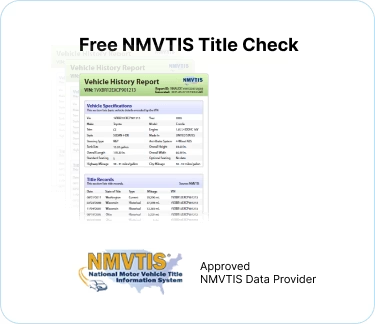
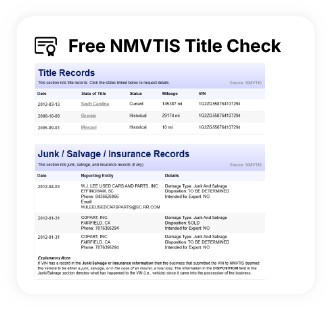
NMVTIS Title
History Check
History Check
Salvage/Rebuilt
Check
Check
Accident
Check
Check
Theft
Check
Check
Open Lien
Check
Check
Past Sale
Listings
Listings
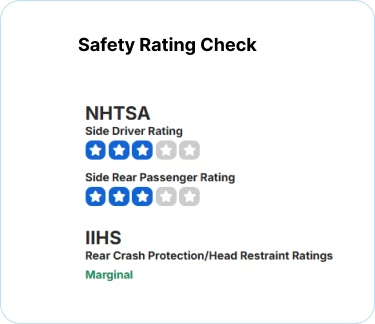
Safety
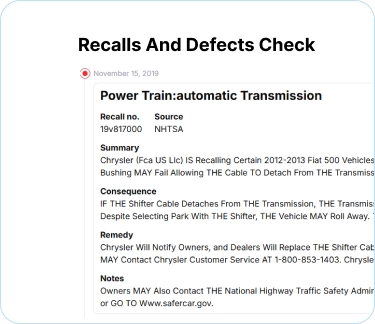
Recalls
Recalls
Odometer
Check
Check
Market Price
Analysis
Analysis
What Problems Does the 1987 Acura Integra Have?
The 1987 Acura Integra is generally known for its robust reliability, a hallmark of Honda/Acura engineering from that era. However, like any vehicle of its age, certain issues are more commonly reported by owners. One significant concern is **rust**, particularly in areas prone to moisture and road salt exposure. Wheel wells, rocker panels, and the underside of the vehicle can be susceptible. Thorough inspections of these areas are crucial when considering a purchase.
**Electrical issues** can also arise. This might manifest as intermittent problems with power windows, door locks, or the dashboard lights. Older wiring harnesses can degrade over time, leading to poor connections. Fuel injection system components, such as the fuel pump or injectors, may also require attention as the vehicle ages, though these are often more wear-and-tear items than inherent design flaws.
**Engine mounts** are another component that can wear out, leading to noticeable vibrations, especially when the engine is at idle or under load. This is not necessarily a catastrophic failure but can impact comfort. The **clutch** in manual transmission models, being a wear item, will eventually need replacement. The lifespan of a clutch depends heavily on driving habits.
Regarding specific model years, the 1987 model is part of the second generation, which generally addressed some of the earlier generation's quirks. There were no widespread, model-year-specific recalls that stand out as major design flaws for the 1987 model. However, it's always advisable to check the National Highway Traffic Safety Administration (NHTSA) database for any safety recalls that might have been issued.
Long-term reliability is significantly tied to consistent and proper maintenance. Vehicles that have been regularly serviced with oil changes, fluid flushes, and timely replacement of worn parts tend to fare much better. The DOHC engines, while more performance-oriented, are generally robust if maintained. The SOHC engines are known for their longevity and simplicity.
**Electrical issues** can also arise. This might manifest as intermittent problems with power windows, door locks, or the dashboard lights. Older wiring harnesses can degrade over time, leading to poor connections. Fuel injection system components, such as the fuel pump or injectors, may also require attention as the vehicle ages, though these are often more wear-and-tear items than inherent design flaws.
**Engine mounts** are another component that can wear out, leading to noticeable vibrations, especially when the engine is at idle or under load. This is not necessarily a catastrophic failure but can impact comfort. The **clutch** in manual transmission models, being a wear item, will eventually need replacement. The lifespan of a clutch depends heavily on driving habits.
Regarding specific model years, the 1987 model is part of the second generation, which generally addressed some of the earlier generation's quirks. There were no widespread, model-year-specific recalls that stand out as major design flaws for the 1987 model. However, it's always advisable to check the National Highway Traffic Safety Administration (NHTSA) database for any safety recalls that might have been issued.
Long-term reliability is significantly tied to consistent and proper maintenance. Vehicles that have been regularly serviced with oil changes, fluid flushes, and timely replacement of worn parts tend to fare much better. The DOHC engines, while more performance-oriented, are generally robust if maintained. The SOHC engines are known for their longevity and simplicity.
How long will the 1987 Acura Integra last?
Based on owner data and typical maintenance, a well-maintained 1987 Acura Integra can reasonably be expected to reach or surpass 200,000 miles, with some examples exceeding 250,000 miles. This level of durability speaks to the robust engineering inherent in Honda/Acura vehicles of this era. Long-term durability is heavily influenced by preventative maintenance. Regular oil changes, timely replacement of belts and hoses, and addressing minor issues promptly are key. Weaknesses that emerge over time often relate to the aging of rubber components (like suspension bushings and seals) and potential for rust, especially if the car has lived in a harsh climate. However, the core powertrain and drivetrain are generally very resilient.
What Technology & Safety Features are Included?
The 1987 Acura Integra, while a sporty compact, offered a surprising level of technology and features for its time, aiming to provide a premium feel.
Entertainment: Standard entertainment typically included an AM/FM stereo with a cassette player. Higher trims, like the GS, might have featured an upgraded sound system with more speakers and perhaps graphic equalizer controls. The focus was on clear audio reproduction rather than advanced connectivity.
Driver-Assistance Features: For 1987, advanced driver-assistance systems as we know them today were virtually non-existent. However, features that aided the driver included power steering, a tilt steering wheel for adjustable driving positions, and intermittent windshield wipers. The GS model often came with alloy wheels, which could offer slight improvements in handling and aesthetics over steel wheels with hubcaps.
Safety Features: Standard safety equipment included seat belts (though rear seat belts were often lap belts), padded dashboards, and energy-absorbing steering columns. The primary safety innovation available, though often optional and more common on higher trims like the LS and GS, was Anti-lock Braking System (ABS). This was a significant feature for its era, providing improved braking control under hard stops. Crumple zones in the body structure were also designed to absorb impact energy.
Crash-Test Ratings: Specific crash-test ratings from agencies like the NHTSA or IIHS for the 1987 model year are not as readily available or detailed as modern ratings. However, based on general automotive safety standards of the late 1980s, the Integra was considered to be reasonably safe for its class. It generally performed adequately in frontal and side impact tests conducted at the time, especially with optional safety features like ABS. It's important to remember that safety standards and testing methodologies have evolved significantly since 1987, so direct comparisons to modern vehicles are not directly equivalent.

Entertainment: Standard entertainment typically included an AM/FM stereo with a cassette player. Higher trims, like the GS, might have featured an upgraded sound system with more speakers and perhaps graphic equalizer controls. The focus was on clear audio reproduction rather than advanced connectivity.


Driver-Assistance Features: For 1987, advanced driver-assistance systems as we know them today were virtually non-existent. However, features that aided the driver included power steering, a tilt steering wheel for adjustable driving positions, and intermittent windshield wipers. The GS model often came with alloy wheels, which could offer slight improvements in handling and aesthetics over steel wheels with hubcaps.
Safety Features: Standard safety equipment included seat belts (though rear seat belts were often lap belts), padded dashboards, and energy-absorbing steering columns. The primary safety innovation available, though often optional and more common on higher trims like the LS and GS, was Anti-lock Braking System (ABS). This was a significant feature for its era, providing improved braking control under hard stops. Crumple zones in the body structure were also designed to absorb impact energy.
Crash-Test Ratings: Specific crash-test ratings from agencies like the NHTSA or IIHS for the 1987 model year are not as readily available or detailed as modern ratings. However, based on general automotive safety standards of the late 1980s, the Integra was considered to be reasonably safe for its class. It generally performed adequately in frontal and side impact tests conducted at the time, especially with optional safety features like ABS. It's important to remember that safety standards and testing methodologies have evolved significantly since 1987, so direct comparisons to modern vehicles are not directly equivalent.
What Colors Options are Available?
1987 Acura Integra Prices and Market Value
When new in 1987, the Acura Integra carried a price tag ranging from approximately $11,000 for the base RS model to around $15,000 for the top-tier GS trim. As with most vehicles, the Integra experienced significant depreciation in its early years. However, well-maintained examples, particularly those with the more desirable DOHC engines and in good condition, have seen their value stabilize and even increase in recent years due to their growing status as a modern classic. Factors significantly affecting current used market value include mileage, overall condition (especially rust), maintenance history, originality of parts, and whether it's a manual or automatic transmission. Pristine, low-mileage examples can command prices well above their original MSRP.
1987 Acura Integra Cost of Ownership
The 1987 Acura Integra is generally economical to own. Insurance costs are typically reasonable for a classic car, though rates can vary based on driver profile and location. Fuel costs are also quite manageable due to its efficient 1.6-liter engines, often achieving over 30 mpg on the highway. Maintenance is relatively affordable, with parts widely available and many common repairs being straightforward for mechanics familiar with Honda products of the era. Long-term ownership costs are primarily driven by the potential for age-related repairs, such as aging rubber components, rust remediation, or electrical gremlins. However, compared to many modern vehicles, the Integra remains a cost-effective choice for a reliable and engaging classic.
1987 Acura Integra Fuel Efficiency
Fuel Type
Gasoline
Fuel Capacity
-
City Mileage
-
Highway Mileage
-
1987 Acura Integra Insurance
Insurance for a 1987 Acura Integra is moderately priced, reflecting its status as a Coupe with strong safety ratings and
reasonable repair costs.
How Does the 1987 Acura Integra Compare to Other Coupe?
The 1987 Acura Integra competed in a crowded segment of sporty compact cars and entry-level luxury vehicles. Key rivals included the Volkswagen GTI, Honda Civic Si (which shared some mechanical DNA), Ford Escort GT, and various models from Japanese manufacturers like the Toyota Corolla GT-S and Nissan Sentra SE-R.
Performance: The Integra, especially in its DOHC variant, offered competitive performance. Its handling was often praised for being sharp and communicative, surpassing some rivals in sporty feel. The GTI was a strong contender in this regard, while the Civic Si offered a similar spirited drive. The Escort GT and Corolla GT-S offered good performance but sometimes lacked the refined feel of the Integra.
Features: Acura positioned the Integra as a more premium offering than many of its direct competitors. Features like available ABS, a more sophisticated interior design, and the overall refinement often gave the Integra an edge over more basic economy cars. The GTI also offered a well-appointed interior for its class.
Reliability: This is where the Integra truly shone. Acura (and Honda) built a reputation for exceptional reliability. While rivals like the Ford Escort had more mixed reliability records, the Integra, like its Honda counterparts, was known for its durability and longevity. Toyota also had a strong reputation for reliability, making the Corolla GT-S a solid choice.
Price: The Integra often sat at the higher end of the compact car price spectrum when new, reflecting its premium positioning. However, its value proposition was strong due to its blend of performance, features, and reliability. The GTI was similarly priced, while some Japanese rivals offered more budget-friendly options in their base trims.
Alternatives:
The 1987 Integra remains a compelling choice for those seeking a blend of sporty driving, reliable Japanese engineering, and a touch of class, often outperforming rivals in long-term ownership satisfaction.
Performance: The Integra, especially in its DOHC variant, offered competitive performance. Its handling was often praised for being sharp and communicative, surpassing some rivals in sporty feel. The GTI was a strong contender in this regard, while the Civic Si offered a similar spirited drive. The Escort GT and Corolla GT-S offered good performance but sometimes lacked the refined feel of the Integra.
Features: Acura positioned the Integra as a more premium offering than many of its direct competitors. Features like available ABS, a more sophisticated interior design, and the overall refinement often gave the Integra an edge over more basic economy cars. The GTI also offered a well-appointed interior for its class.
Reliability: This is where the Integra truly shone. Acura (and Honda) built a reputation for exceptional reliability. While rivals like the Ford Escort had more mixed reliability records, the Integra, like its Honda counterparts, was known for its durability and longevity. Toyota also had a strong reputation for reliability, making the Corolla GT-S a solid choice.
Price: The Integra often sat at the higher end of the compact car price spectrum when new, reflecting its premium positioning. However, its value proposition was strong due to its blend of performance, features, and reliability. The GTI was similarly priced, while some Japanese rivals offered more budget-friendly options in their base trims.
Alternatives:
- Honda Civic Si (same generation): A very similar and often more accessible alternative, offering comparable performance and reliability but with a less premium badge and slightly fewer luxury features.
- Volkswagen GTI (Mk2): A strong competitor with excellent handling and a practical hatchback design. Reliability can be more of a concern compared to the Integra.
- Toyota Corolla GT-S: Known for its spirited performance and legendary Toyota reliability, though it might feel less refined than the Integra.
- Mazda MX-5 Miata (later in the generation): If pure sports car fun is the priority, the Miata offers a different, albeit less practical, experience.
The 1987 Integra remains a compelling choice for those seeking a blend of sporty driving, reliable Japanese engineering, and a touch of class, often outperforming rivals in long-term ownership satisfaction.
Final Verdict: Is the 1987 Acura Integra a Good Coupe?
The 1987 Acura Integra is ideal for driving enthusiasts who appreciate sharp handling, responsive engines, and a touch of classic Japanese sportiness without breaking the bank. It's also a great option for those seeking a reliable and economical daily driver with a bit more character than the average commuter car. It is absolutely worth buying, but with significant caveats. Focus on finding a well-maintained, rust-free example. The DOHC GS trim is highly desirable for performance, while LS trims offer a good balance of features and comfort. Buying used is the only option, and thorough pre-purchase inspections are essential. If you prioritize reliability, engaging driving dynamics, and a piece of automotive history, the Integra is a fantastic choice. Avoid neglected examples, as repairs can become costly.