
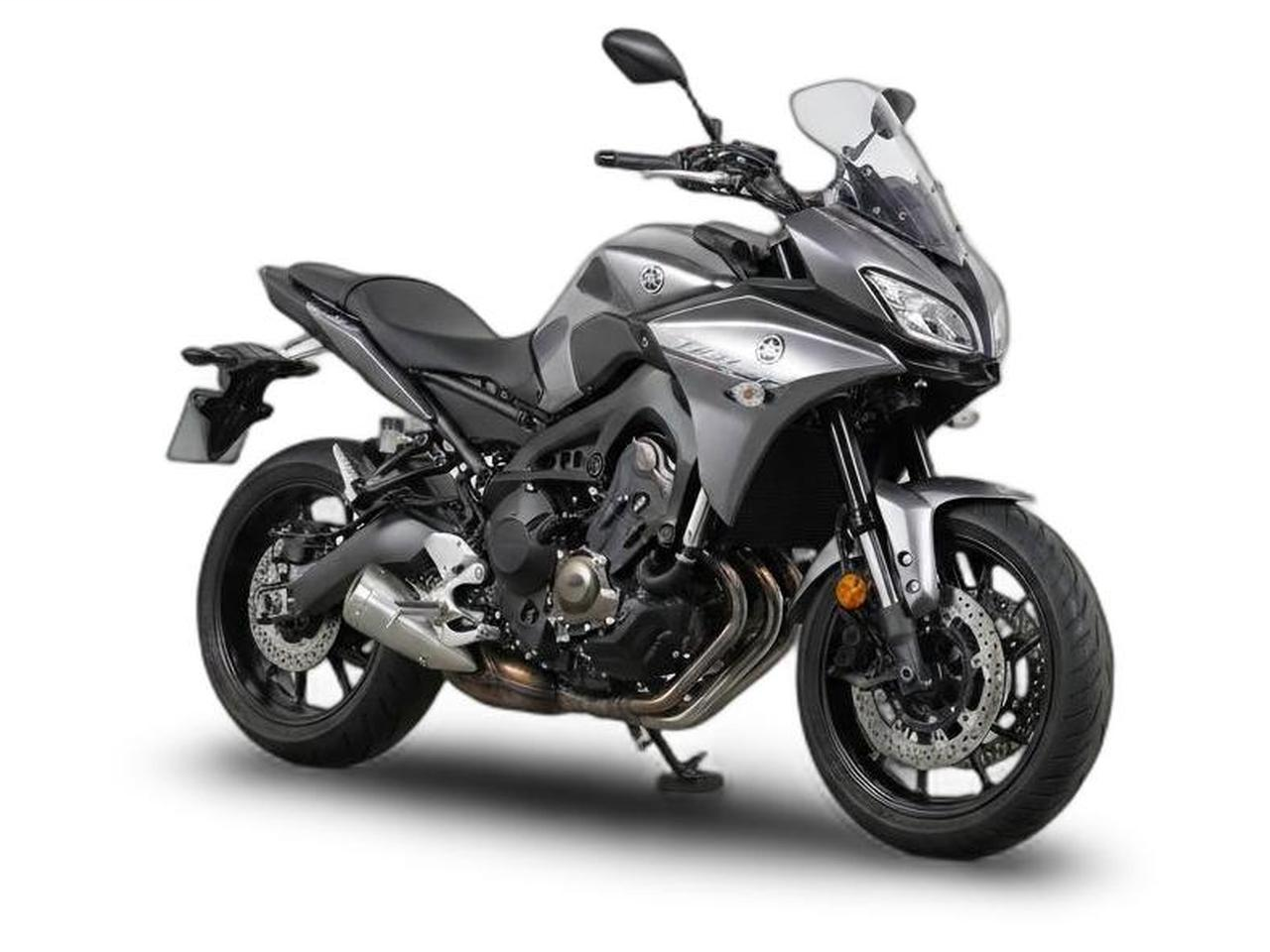
The Good
The 2000 Yamaha V-Star excels in offering a smooth, reliable ride with a timeless, customizable design. Its comfortable ergonomics and V-twin rumble appeal to the soul, while its dependable engineering and accessible price point make it a practical choice for riders of all levels.
The Bad
Potential buyers of the 2000 Yamaha V-Star should watch for typical cruiser issues like carburetor adjustments, particularly on older models. Some owners report minor electrical gremlins or a desire for more power on the smaller displacement models. Chain drive maintenance is also a consideration.
2000 Yamaha V-Star: Quick Overview
- Engine Options: The 2000 Yamaha V-Star came with two primary engine displacements: a 649cc (40 cubic inch) V-twin and a 1063cc (65 cubic inch) V-twin. These were air-cooled, SOHC engines with two valves per cylinder, featuring a 4-stroke design and a reliable shaft drive system (except for some earlier V-Star models which may have had chain drive, though the 2000 models predominantly featured shaft drive for the V-Star line).
- Horsepower: Exact horsepower figures can vary slightly based on model year updates and specific tuning, but generally, the 650cc engine produced around 40-45 horsepower, while the 1100cc engine delivered approximately 60-65 horsepower. These figures were ample for comfortable cruising and moderate acceleration.
- Fuel Economy: Fuel economy for the 2000 V-Star models typically ranged from 40 to 50 miles per gallon (MPG), depending on engine size, riding style, and conditions. The smaller 650cc engine was generally more fuel-efficient.
- 0-60 Times: 0-60 mph times were not a primary focus for the V-Star line, emphasizing relaxed cruising. Expect the 650cc models to achieve this in roughly 6-7 seconds, while the 1100cc models would be closer to 5-6 seconds.
- Towing Capacity: The Yamaha V-Star is not designed for towing and does not have an official towing capacity. It is a motorcycle intended for rider and passenger transport.
- Trim-Level Features:
- V-Star 650 Custom: Featured a lower seat height, extended front forks for a classic chopper look, and often spoke wheels.
- V-Star 650 Classic: Offered a more traditional cruiser aesthetic with full fenders, a taller handlebar, and a more upright riding position.
- V-Star 1100 Custom: Similar to the 650 Custom but with the larger engine, more substantial styling, and a wider rear tire.
- V-Star 1100 Classic: Paralleled the 650 Classic in styling cues but with the added power and presence of the 1100cc engine.
- Common Features across trims: Chrome accents, comfortable two-up seating, easy-to-reach handlebars, and a smooth power delivery characteristic of V-twin engines. Many units were also equipped with aftermarket accessories for personalization.
2000 Yamaha V-Star Specifications
Vehicle Information
| Year | 2000 |
| Make | Yamaha |
| Model | V-Star |
| Trim | - |
| Style | - |
| Type | Motorcycle |
| Category | Motorcycle |
Manufacturing Details
| Made In | Japan |
| Manufacturing City | HAMAMATSU |
Dimensions
| Doors | - |
| Curb Weight | - |
| Gross Vehicle Weight Rating | - |
| Overall Height | - |
| Overall Length | - |
| Overall Width | - |
| Wheelbase Length | - |
| Standard Seating | - |
Engine & Performance
| Engine | 1063CC |
| Engine Size | 1063L |
| Engine Cylinders | 2 |
| Transmission | Manual |
| Transmission Type | Manual |
| Transmission Speeds | - |
| Drivetrain | - |
Additional Features
| Anti-Brake System | - |
| Steering Type | - |
Pricing
| Manufacturer Suggested Retail Price (MSRP) | - |
| Invoice Price | - |
| Delivery Charges | - |
Vehicle History Report
Specifications
History
Events
History Check
Check
Check
Check
Check
Listings
Recalls
Check
Analysis
What Problems Does the 2000 Yamaha V-Star Have?
Carburetor issues are perhaps the most frequently mentioned. Over time, especially if not regularly serviced or if the motorcycle has been sitting for extended periods, the carburetors can become clogged or develop vacuum leaks, leading to rough idling, poor throttle response, or difficulty starting. This is especially true for the 650cc models. Regular cleaning and adjustment are key.
Another area some owners note is the clutch. While generally robust, wear and tear over the years can lead to a stiff clutch pull or slipping, requiring adjustment or replacement of clutch plates. This is more of a maintenance item than a common failure.
For the 1100cc models, owners sometimes express a desire for more power, particularly when carrying a passenger or riding at higher altitudes. While not a 'problem' in the traditional sense, it's a known characteristic of the engine's tuning, which prioritizes smooth cruising over outright performance. Some owners opt for aftermarket exhaust and intake modifications to boost power.
Long-term reliability is excellent if the V-Star receives consistent maintenance. Oil changes, filter replacements, and proper drivetrain lubrication are crucial. The shaft drive, a hallmark of the V-Star line, is generally very dependable and requires less frequent attention than chain drives, though it should still be checked for leaks and proper lubrication.
While not specific to the 2000 model year, some earlier V-Star models (pre-2000) had reports of minor electrical issues, such as rectifier or stator problems. However, these seem less prevalent in the 2000 production run. Overall, the 2000 Yamaha V-Star is known for its enduring mechanical integrity with proper care.
How long will the 2000 Yamaha V-Star last?
What Technology & Safety Features are Included?
Driver-assistance features are not present. The focus is on a direct connection between the rider and the machine. Safety features are limited to the fundamental aspects of motorcycle design: effective braking systems (typically disc brakes front and rear), adequate lighting (headlight, taillight, turn signals), and a stable chassis. The 2000 model year V-Star did not offer optional ABS.
Crash-test ratings are not applicable to motorcycles in the same way they are for cars, as they are not subjected to standardized crash tests by organizations like NHTSA or IIHS. The safety of a motorcycle is primarily the responsibility of the rider through proper gear, defensive riding techniques, and adherence to traffic laws. The V-Star's design emphasizes stability and predictable handling, which contribute to rider safety when operated responsibly.
Optional features that owners might have added or sought out include different exhaust systems for a more pronounced sound, custom seats for enhanced comfort or style, luggage solutions like saddlebags or tank bags for touring, and various chrome or cosmetic accessories for personalization. Windshields were also a popular optional addition to improve comfort during longer rides by reducing wind blast.
What Colors Options are Available?
2000 Yamaha V-Star Prices and Market Value
2000 Yamaha V-Star Cost of Ownership
2000 Yamaha V-Star Fuel Efficiency
2000 Yamaha V-Star Warranty
Basic
Powertrain
Rust
2000 Yamaha V-Star Insurance
reasonable repair costs.
How Does the 2000 Yamaha V-Star Compare to Other Motorcycle?
Performance: The V-Star 650 offered comparable performance to the Honda Shadow 750 and Kawasaki Vulcan 800, providing smooth, relaxed power suitable for cruising. The V-Star 1100 was more competitive with larger displacement models, offering more grunt for highway passing and carrying a passenger. In terms of engine refinement and smoothness, Yamaha often had a slight edge. Honda's engines were also known for their reliability and smooth operation.
Features: Across the board, 2000-era cruisers were fairly basic in terms of technology. All these bikes offered chrome accents, comfortable seating, and shaft drive (on most models), with differing styling cues. The V-Star's shaft drive was a significant convenience over chain-driven competitors, reducing maintenance. None offered advanced electronics like ABS in this model year.
Reliability: Yamaha, Honda, and Suzuki all have strong reputations for reliability, and the V-Star is no exception. All these Japanese manufacturers produced dependable machines in this segment. The V-Star often stands out for its enduring build quality and ease of maintenance, particularly due to the shaft drive system. Reports of major mechanical failures are rare across all these brands when properly maintained.
Price: When new, these bikes were priced very competitively, with the V-Star often falling in a similar range to its direct competitors. In the used market, the V-Star 650 and 1100 remain excellent value. They tend to hold their value well due to their reliability and classic styling, often performing better in resale than some competitors.
Alternatives:
- Similar: Honda Shadow 750 (ACE or Spirit), Kawasaki Vulcan 800 Classic/Drifter, Suzuki Intruder 800/Volusia 800. These offer very similar riding experiences and styling.
- Slightly Different (Consider if budget/preference allows): For more power without a significant price jump, consider the V-Star 1100 itself or larger displacement models like the Honda Shadow Aero 1100 or Kawasaki Vulcan 1500. If a more classic, retro look is paramount, models like the Triumph Bonneville might appeal, though often at a higher price point. For a more entry-level option with similar reliability, the Honda Rebel 250/500 could be considered, but with a performance trade-off.
The 2000 Yamaha V-Star remains a strong contender, offering a compelling blend of style, reliability, and value that makes it a worthy choice against its peers.
Final Verdict: Is the 2000 Yamaha V-Star a Good Motorcycle?

Cathleen V
Cathleen is an exceptional freelance writer covering hot topics in the automotive world from a gearhead's perspective. Her articles delve into various aspects of automotive technology and history, offering readers detailed insights into engine performance, reliability, and maintenance. Through her engaging and informative writing, Cathleen provides valuable information to automotive enthusiasts and consumers alike, helping them make informed decisions about vehicle maintenance and purchases.