
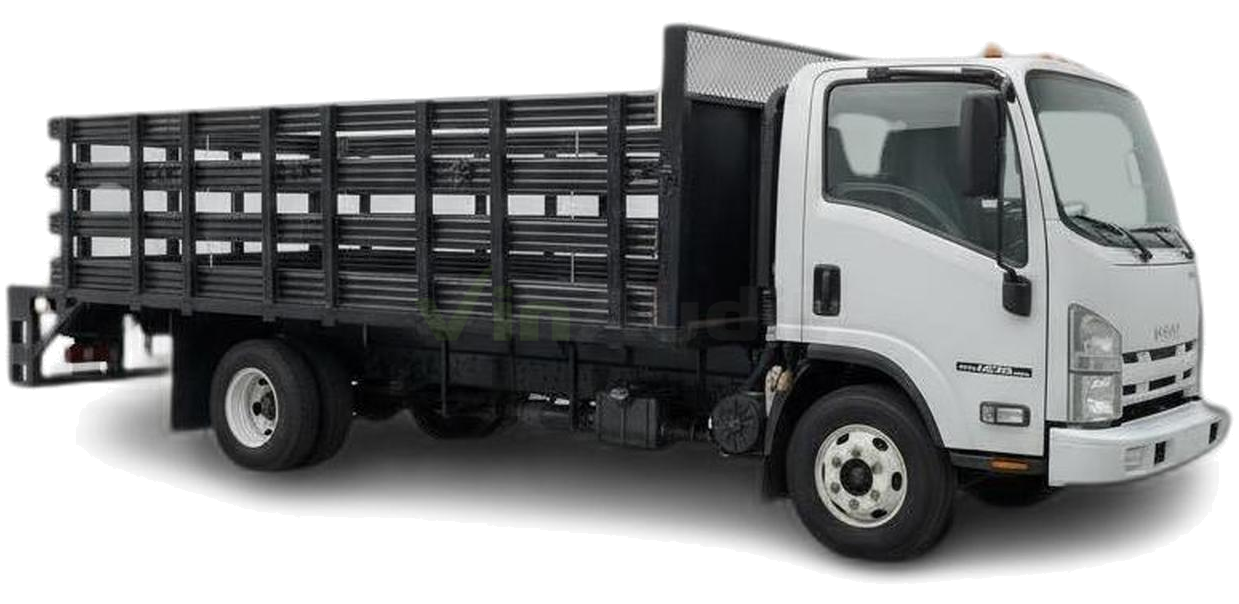
The 2010 Isuzu NPR is a popular choice in the medium-duty commercial truck segment, known for its robust construction and versatility. Available as a chassis cab or cutaway, it has been a staple for businesses since its inception. Key trims typically revolve around engine and GVWR options. New pricing in 2010 ranged significantly based on configuration, but generally started in the mid-$30,000s, making it a competitive option. Its popularity stems from its reputation for durability and adaptability for various vocational applications.
The Good
The 2010 Isuzu NPR excels in raw performance and legendary reliability, offering peace of mind for business owners. Its practical, no-nonsense design prioritizes functionality, while its durable build provides long-term value. For many, it represents a dependable workhorse that consistently gets the job done, fueling a sense of operational confidence.
The Bad
When considering a 2010 Isuzu NPR, potential buyers should watch out for common issues related to exhaust gas recirculation (EGR) systems, especially on diesel models. Premature wear on certain suspension components and the occasional electronic glitch can also arise. Fuel system maintenance is critical for optimal diesel performance.
2010 Isuzu NPR: Quick Overview
- Engine Options: The 2010 Isuzu NPR typically offered two primary engine choices: a gasoline-powered 5.7L V8 and a diesel-powered 5.2L inline-4. The gasoline V8 was known for its robust power, while the diesel option provided better fuel efficiency and torque for heavier hauling.
- Horsepower: The gasoline 5.7L V8 engine generally produced around 320 horsepower. The 5.2L diesel engine typically offered approximately 215 horsepower. These figures were competitive for the medium-duty truck segment, offering sufficient power for a variety of commercial tasks.
- Fuel Economy: Specific EPA fuel economy ratings for commercial vehicles like the NPR are often not as widely published as for passenger cars due to variable usage and load conditions. However, the diesel engine was notably more fuel-efficient than the gasoline V8, especially under load. Owners often reported mileage in the range of 12-18 MPG for the diesel, with the gasoline variant being lower.
- 0-60 Times: 0-60 mph times are generally not a primary metric for commercial trucks, as their focus is on hauling capacity and operational efficiency rather than acceleration. When tested, fully loaded, these times would be significantly longer than a passenger vehicle. Unloaded, acceleration would be brisk for its class.
- Towing Capacity: Towing capacity is highly dependent on the specific configuration, GVWR (Gross Vehicle Weight Rating), and aftermarket equipment. The 2010 Isuzu NPR, as a chassis cab or cutaway, is designed for upfitting with various bodies (box trucks, service bodies, etc.) and is rated for significant Gross Combined Weight Ratings (GCWR), often exceeding 20,000 lbs, allowing for substantial towing of trailers when properly equipped.
- Trim-Level Features: Trims were less about luxury and more about vocational purpose and GVWR. Standard features often included a utilitarian cabin with basic amenities like air conditioning, power steering, and a durable interior designed for frequent use. Optional features might include upgraded audio systems, power windows and locks, and specialized PTO (Power Take-Off) capabilities for hydraulic systems. Key variations included different GVWR classes (e.g., NPR-HD for heavier duty).
2010 Isuzu NPR Specifications
Vehicle Information
| Year | 2010 |
| Make | Isuzu |
| Model | NPR |
| Trim | - |
| Style | - |
| Type | Truck |
| Category | Heavy Truck |
Manufacturing Details
| Made In | Japan |
| Manufacturing City | FUJISAWA |
Dimensions
| Doors | - |
| Curb Weight | - |
| Gross Vehicle Weight Rating | - |
| Overall Height | - |
| Overall Length | - |
| Overall Width | - |
| Wheelbase Length | - |
| Standard Seating | - |
Engine & Performance
| Engine | 5.2-L L-6 Turbo Diesel |
| Engine Size | 5.2L |
| Engine Cylinders | 6 |
| Transmission | - |
| Transmission Type | - |
| Transmission Speeds | - |
| Drivetrain | Rear-Wheel Drive |
Additional Features
| Anti-Brake System | - |
| Steering Type | - |
Pricing
| Manufacturer Suggested Retail Price (MSRP) | - |
| Invoice Price | - |
| Delivery Charges | - |
Vehicle History Report
Vehicle
Specifications
Specifications
Ownership
History
History
All History
Events
Events
NMVTIS Title
History Check
History Check
Salvage/Rebuilt
Check
Check
Accident
Check
Check
Theft
Check
Check
Open Lien
Check
Check
Past Sale
Listings
Listings
Safety
Recalls
Recalls
Odometer
Check
Check
Market Price
Analysis
Analysis
What Problems Does the 2010 Isuzu NPR Have?
The 2010 Isuzu NPR, like many commercial vehicles, can experience specific issues that owners should be aware of. A frequently reported concern, particularly with the diesel engines (such as the 5.2L common rail), involves the Exhaust Gas Recirculation (EGR) system. Clogged EGR valves or coolers can lead to reduced engine performance, increased emissions, and potential engine warning lights. This is often exacerbated by short-haul or stop-and-go driving where the system doesn't get a chance to regenerate properly. Another area to monitor is the diesel particulate filter (DPF) regeneration system, which requires proper maintenance to avoid clogging.
Fuel injectors can also be a point of concern over time, especially with inconsistent fuel quality. For gasoline V8 models, common issues can mirror those found in similar GM truck platforms from that era, such as potential intake manifold gasket leaks or ignition system problems.
Transmission issues, while not widespread, can occur, especially if the vehicle has been consistently overloaded or subjected to harsh driving conditions. Regular fluid changes and proper towing practices are crucial. Suspension components, such as ball joints and bushings, may also show signs of wear earlier than in a passenger vehicle due to the constant stress of carrying loads. Some owners have reported occasional electrical gremlins, though these are generally less prevalent than mechanical issues.
While specific recalls for the 2010 model year might be limited, it's always advisable to check the National Highway Traffic Safety Administration (NHTSA) database for any safety-related campaigns. Long-term reliability is generally considered good for the Isuzu NPR if it receives consistent and diligent maintenance. The chassis is robust, and the engines are designed for demanding work. However, neglect in maintenance, especially regarding the diesel fuel system and emissions controls, can significantly shorten the lifespan and increase repair costs. Focusing on preventative maintenance, particularly for the diesel powertrain, is key to ensuring the longevity of a 2010 Isuzu NPR.
Fuel injectors can also be a point of concern over time, especially with inconsistent fuel quality. For gasoline V8 models, common issues can mirror those found in similar GM truck platforms from that era, such as potential intake manifold gasket leaks or ignition system problems.
Transmission issues, while not widespread, can occur, especially if the vehicle has been consistently overloaded or subjected to harsh driving conditions. Regular fluid changes and proper towing practices are crucial. Suspension components, such as ball joints and bushings, may also show signs of wear earlier than in a passenger vehicle due to the constant stress of carrying loads. Some owners have reported occasional electrical gremlins, though these are generally less prevalent than mechanical issues.
While specific recalls for the 2010 model year might be limited, it's always advisable to check the National Highway Traffic Safety Administration (NHTSA) database for any safety-related campaigns. Long-term reliability is generally considered good for the Isuzu NPR if it receives consistent and diligent maintenance. The chassis is robust, and the engines are designed for demanding work. However, neglect in maintenance, especially regarding the diesel fuel system and emissions controls, can significantly shorten the lifespan and increase repair costs. Focusing on preventative maintenance, particularly for the diesel powertrain, is key to ensuring the longevity of a 2010 Isuzu NPR.
How long will the 2010 Isuzu NPR last?
The 2010 Isuzu NPR is built for endurance, with many examples continuing to serve businesses well into the 200,000 to 300,000-mile range, and even beyond, with diligent maintenance. Owner data suggests that vehicles with regular oil changes, fuel filter replacements, and proper attention to the diesel emissions system (if applicable) can achieve exceptional longevity. The chassis and frame are inherently durable. However, weaknesses can emerge over time if maintenance is neglected. For diesel models, injector issues, turbocharger wear, and EGR system problems become more common after 150,000 miles. Gasoline variants may see typical V8 issues like intake manifold leaks. Overall, the NPR's long-term durability is a strong point, contingent on consistent care and addressing minor issues before they escalate.
What Technology & Safety Features are Included?
The 2010 Isuzu NPR, being a commercial-grade vehicle, prioritizes functionality and durability over cutting-edge technology, driver-assistance, or extensive entertainment options. Its focus is on providing a capable platform for work. Built-in technology is generally basic. Standard entertainment features typically include an AM/FM radio and potentially a single-CD player. Auxiliary input jacks for portable music players might be available, but Bluetooth connectivity or advanced infotainment systems are usually absent in this model year.
Driver-assistance features are minimal to non-existent. The NPR relies on the driver's skill and experience. Features like anti-lock braking systems (ABS) are standard for safety, providing crucial stopping power, especially when the vehicle is heavily loaded. Traction control systems may also be standard or available depending on the specific configuration and GVWR.
Safety features are centered around structural integrity and passive safety. The cab is designed to be robust, and standard safety equipment includes seatbelts, airbags (driver and passenger), and the aforementioned ABS. Advanced safety features like lane departure warnings, adaptive cruise control, or blind-spot monitoring are not found on the 2010 NPR.
Optional features would lean towards practical additions that enhance its vocational use. This could include things like power windows and locks, a more advanced rearview mirror system (potentially with integrated camera displays for certain body types), or specialized lighting options. Some models might have offered a PTO (Power Take-Off) option to drive auxiliary equipment like hydraulic pumps for dump beds or liftgates.
Crash-test ratings for commercial trucks like the Isuzu NPR are not typically conducted or published by organizations like the IIHS or NHTSA in the same manner as passenger vehicles. Their safety is evaluated based on design robustness, compliance with commercial vehicle safety standards, and the effectiveness of standard safety equipment like ABS and airbags in preventing accidents and protecting occupants in collisions within their operational context.
Driver-assistance features are minimal to non-existent. The NPR relies on the driver's skill and experience. Features like anti-lock braking systems (ABS) are standard for safety, providing crucial stopping power, especially when the vehicle is heavily loaded. Traction control systems may also be standard or available depending on the specific configuration and GVWR.
Safety features are centered around structural integrity and passive safety. The cab is designed to be robust, and standard safety equipment includes seatbelts, airbags (driver and passenger), and the aforementioned ABS. Advanced safety features like lane departure warnings, adaptive cruise control, or blind-spot monitoring are not found on the 2010 NPR.
Optional features would lean towards practical additions that enhance its vocational use. This could include things like power windows and locks, a more advanced rearview mirror system (potentially with integrated camera displays for certain body types), or specialized lighting options. Some models might have offered a PTO (Power Take-Off) option to drive auxiliary equipment like hydraulic pumps for dump beds or liftgates.
Crash-test ratings for commercial trucks like the Isuzu NPR are not typically conducted or published by organizations like the IIHS or NHTSA in the same manner as passenger vehicles. Their safety is evaluated based on design robustness, compliance with commercial vehicle safety standards, and the effectiveness of standard safety equipment like ABS and airbags in preventing accidents and protecting occupants in collisions within their operational context.
What Colors Options are Available?
2010 Isuzu NPR Prices and Market Value
When new in 2010, the Isuzu NPR's price varied significantly based on engine choice, GVWR, and body configuration, but typically started in the mid-$30,000s and could easily exceed $50,000 for more specialized upfits. Today, the used market for a 2010 Isuzu NPR sees prices ranging widely, from under $10,000 for high-mileage or basic configurations to $25,000-$35,000 for well-maintained, lower-mileage examples with desirable body styles. Depreciation is relatively moderate compared to light-duty vehicles due to their workhorse nature and durability. Key factors affecting resale value include the condition of the chassis and powertrain, mileage, the type and condition of the body (e.g., box truck, flatbed), maintenance history, and market demand for commercial vehicles in a specific region.
2010 Isuzu NPR Cost of Ownership
Owning a 2010 Isuzu NPR involves moderate to high operating costs, typical for a commercial vehicle. Insurance premiums will be higher than for passenger cars due to its commercial classification. Fuel costs depend heavily on engine choice (diesel being more efficient) and usage, but expect higher consumption than a typical SUV. Maintenance is crucial; while parts are generally available, specialized diesel components can be expensive. Repairs, especially those involving the powertrain or emissions systems, can be significant. Overall, it's designed for work, not economy. While its initial purchase price and long-term durability offer value, the ongoing fuel, maintenance, and potential repair costs make it a practical, though not inexpensive, ownership proposition for businesses.
2010 Isuzu NPR Fuel Efficiency
Fuel Type
Diesel
Fuel Capacity
-
City Mileage
-
Highway Mileage
-
2010 Isuzu NPR Warranty
Basic
Original warranty
0 months / No data
Estimated remaining
Expired
Powertrain
Original warranty
0 months / No data
Estimated remaining
Expired
Rust
Original warranty
0 months / No data
Estimated remaining
Expired
2010 Isuzu NPR Insurance
Insurance for a 2010 Isuzu NPR is moderately priced, reflecting its status as a Truck with strong safety ratings and
reasonable repair costs.
How Does the 2010 Isuzu NPR Compare to Other Truck?
The 2010 Isuzu NPR competes in the medium-duty commercial truck segment against rivals such as the Ford F-Series Super Duty chassis cab, Chevrolet Silverado Chassis Cab, and Freightliner Business Class M2. In terms of performance, the Isuzu NPR, particularly with its diesel engine, offered a strong balance of torque and efficiency for its class. Its maneuverability in urban environments was often a strong suit. The gasoline V8 options provided robust horsepower for quicker empty runs.
When considering features, the NPR was traditionally utilitarian. Rivals like Ford and Chevrolet might offer more creature comforts and potentially more advanced infotainment or driver-assist technologies, even in their chassis cab variants, catering to a slightly broader audience. However, Isuzu's focus on a simplified, durable cabin meant fewer potential electronic failures. In terms of reliability, the Isuzu NPR has a long-standing reputation for ruggedness and longevity, especially its diesel powertrains, often surpassing competitors in terms of powertrain durability when properly maintained. Some owners find the Isuzu engines to be simpler and easier to service over the long haul.
Price-wise, the 2010 Isuzu NPR was generally positioned competitively, offering good value for its robust construction. Entry-level pricing was often comparable to or slightly lower than similarly equipped Ford or Chevrolet chassis cabs, though specialized Freightliner models could command higher prices. On the used market, the NPR often holds its value well due to its reputation for dependability.
Alternatives:
* Ford F-Series Super Duty Chassis Cab (2010): Offers a wider range of powerful gasoline and diesel engines, potentially more modern interior features, and a vast dealer network. Reliability is good, but Isuzu's diesel reputation is often considered superior for heavy, long-term use.
* Chevrolet Silverado Chassis Cab (2010): Similar to the Ford, it provides strong gasoline options and a more familiar consumer interface. Diesel options were less common in this specific year for Chevy chassis cabs compared to Isuzu or Ford.
* Freightliner Business Class M2 (2010): A more heavy-duty option, often with more advanced chassis and suspension systems, and a broader range of vocational applications. Typically more expensive new and used, but offers exceptional build quality for demanding operations.
For businesses prioritizing proven diesel reliability, ease of maintenance for the powertrain, and straightforward functionality, the 2010 Isuzu NPR remains a strong contender. If creature comforts and cutting-edge tech are higher priorities, a Ford or Chevrolet chassis cab might be a more appealing, albeit potentially less robust in the long run, alternative.
When considering features, the NPR was traditionally utilitarian. Rivals like Ford and Chevrolet might offer more creature comforts and potentially more advanced infotainment or driver-assist technologies, even in their chassis cab variants, catering to a slightly broader audience. However, Isuzu's focus on a simplified, durable cabin meant fewer potential electronic failures. In terms of reliability, the Isuzu NPR has a long-standing reputation for ruggedness and longevity, especially its diesel powertrains, often surpassing competitors in terms of powertrain durability when properly maintained. Some owners find the Isuzu engines to be simpler and easier to service over the long haul.
Price-wise, the 2010 Isuzu NPR was generally positioned competitively, offering good value for its robust construction. Entry-level pricing was often comparable to or slightly lower than similarly equipped Ford or Chevrolet chassis cabs, though specialized Freightliner models could command higher prices. On the used market, the NPR often holds its value well due to its reputation for dependability.
Alternatives:
* Ford F-Series Super Duty Chassis Cab (2010): Offers a wider range of powerful gasoline and diesel engines, potentially more modern interior features, and a vast dealer network. Reliability is good, but Isuzu's diesel reputation is often considered superior for heavy, long-term use.
* Chevrolet Silverado Chassis Cab (2010): Similar to the Ford, it provides strong gasoline options and a more familiar consumer interface. Diesel options were less common in this specific year for Chevy chassis cabs compared to Isuzu or Ford.
* Freightliner Business Class M2 (2010): A more heavy-duty option, often with more advanced chassis and suspension systems, and a broader range of vocational applications. Typically more expensive new and used, but offers exceptional build quality for demanding operations.
For businesses prioritizing proven diesel reliability, ease of maintenance for the powertrain, and straightforward functionality, the 2010 Isuzu NPR remains a strong contender. If creature comforts and cutting-edge tech are higher priorities, a Ford or Chevrolet chassis cab might be a more appealing, albeit potentially less robust in the long run, alternative.
Final Verdict: Is the 2010 Isuzu NPR a Good Truck?
The 2010 Isuzu NPR is ideally suited for small to medium-sized businesses and tradespeople who require a dependable, durable, and adaptable chassis for various vocational applications like delivery, utility work, or specialized upfitting. It is a workhorse vehicle designed for function over luxury. It is worth buying for those prioritizing long-term reliability and operational cost-effectiveness, especially if they can find a well-maintained diesel model.
This vehicle is best purchased used, as new models are significantly more expensive and offer minimal upgrades over this generation for the core functionality. Buyers should focus on inspecting the chassis for rust, verifying maintenance records (particularly for the diesel powertrain), and checking for any signs of abuse or excessive wear. Specific trims with higher GVWRs are better for heavier applications, while standard NPRs suffice for lighter duties. It represents excellent value when acquired in good condition with reasonable mileage.
