by VIN, Year, Make, Model by License Plate

2022 BYD Electric Bus Chassis Overview, Reviews, Ratings & Specs

Rating: 0.00
Based on 0 Owner Reviews
Eugene S | October 28, 2025
The 2022 BYD Electric Bus Chassis represents a significant offering in the burgeoning electric transportation sector. As a chassis, it serves as the foundational structure for various bus body configurations, catering to diverse public transit and commercial needs. BYD, a global leader in new energy vehicles, leverages its extensive experience in battery technology to power these chassis. While specific trims and pricing vary widely depending on the final body build and regional market, the core appeal lies in its electric powertrain, promoting a cleaner and quieter urban environment. Its popularity stems from BYD's established reputation for innovation and its commitment to sustainable mobility solutions.
The Good

The 2022 BYD Electric Bus Chassis excels in its zero-emission operation, offering environmental benefits that resonate emotionally with eco-conscious buyers, while its superior energy efficiency provides significant long-term cost savings for practical operators. Its robust design promises reliable service, and the inherent quietness of the electric drivetrain enhances passenger comfort.

The Bad

Potential weaknesses for the 2022 BYD Electric Bus Chassis might include the initial purchase price compared to traditional diesel counterparts, the availability of charging infrastructure, and the specialized maintenance expertise required for electric powertrains. Range anxiety in extreme weather conditions could also be a concern for some applications.

2022 BYD Electric Bus Chassis: Quick Overview

  • Powertrain: Electric motor(s). Specific configurations and power outputs are highly dependent on the final bus body integration and intended application. BYD typically employs its proprietary Blade Battery technology.
  • Horsepower: Varies significantly based on the specific model and motor setup. Bus chassis are designed for torque and sustained power delivery rather than rapid acceleration. Expect power outputs suitable for heavy-duty urban or intercity transit, often ranging from the equivalent of 150 kW to over 300 kW (approximately 200 to 400+ horsepower), providing ample power for acceleration and hill climbing under load.
  • Fuel Economy: Not applicable in the traditional sense as it runs on electricity. Efficiency is measured in kWh per mile or per 100 miles. BYD electric buses are renowned for their high energy efficiency, often achieving figures that translate to significant operational cost savings compared to internal combustion engine vehicles. Specific figures depend on battery capacity, vehicle weight, route topography, and driving style but can be as low as 1.0-1.5 kWh per mile.
  • 0-60 Times: This metric is generally not relevant or published for bus chassis, as their primary function is not rapid acceleration. Their performance is geared towards smooth, consistent power delivery for carrying significant passenger loads.
  • Towing Capacity: Not applicable. Bus chassis are designed to carry passengers and cargo within the bus body itself, not to tow trailers.
  • Trim-Level Features: As a chassis, specific trim-level features are determined by the bus body manufacturer. However, the chassis typically includes:
    • Integrated battery management system (BMS).
    • Advanced thermal management for batteries and motors.
    • Regenerative braking systems for energy recovery.
    • Options for different battery capacities to meet range requirements.
    • Pre-wiring and mounting points for various auxiliary systems (HVAC, lighting, passenger information systems).
    • Robust suspension and braking systems designed for heavy-duty operation.
    • Provisions for driver controls and dashboard integration.

2022 BYD Electric Bus Chassis Specifications

Vehicle Information
Year 2022
Make BYD
Model Electric Bus Chassis
Trim -
Style -
Type -
Category -
Manufacturing Details
Made In -
Manufacturing City -
Dimensions
Doors -
Curb Weight -
Gross Vehicle Weight Rating -
Overall Height -
Overall Length -
Overall Width -
Wheelbase Length -
Standard Seating -
Engine & Performance
Engine -
Engine Size -
Engine Cylinders -
Transmission -
Transmission Type -
Transmission Speeds -
Drivetrain -
Additional Features
Anti-Brake System -
Steering Type -
Pricing
Manufacturer Suggested Retail Price (MSRP) -
Invoice Price -
Delivery Charges -

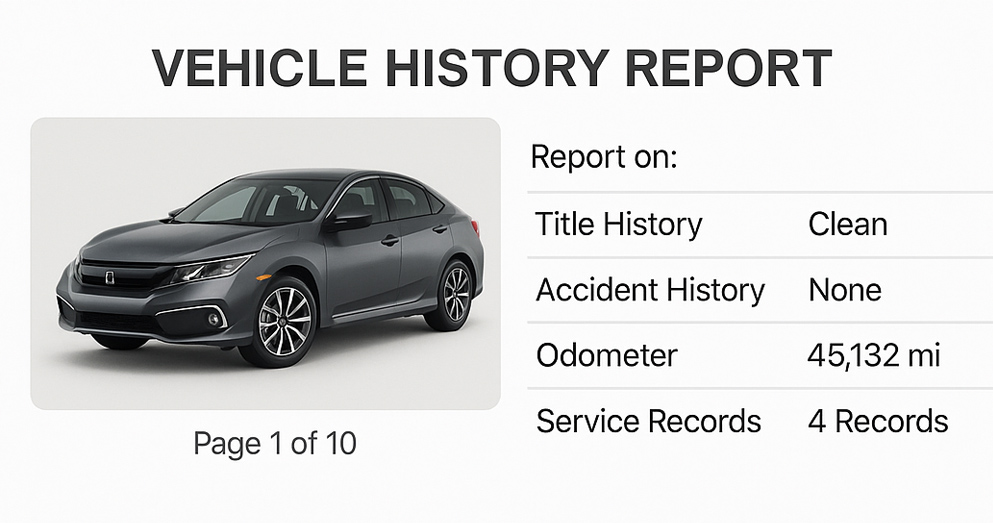
Vehicle History Report

Vehicle
Specifications
Ownership
History
All History
Events
NMVTIS Title
History Check
Salvage/Rebuilt
Check
Accident
Check
Theft
Check
Open Lien
Check
Past Sale
Listings
Safety
Recalls
Odometer
Check
Market Price
Analysis

What Problems Does the 2022 BYD Electric Bus Chassis Have?

While specific, widespread reported problems for the 2022 BYD Electric Bus Chassis are not extensively documented in public forums in the same way as passenger cars, due to their commercial nature and lower individual unit sales volume, general trends for electric bus chassis can be discussed. One area of focus for any electric vehicle, including bus chassis, is battery performance and longevity. Issues can arise with battery degradation over time, impacting range and requiring eventual replacement. BYD's Blade Battery technology is designed for enhanced safety and lifespan, but like all lithium-ion batteries, it is subject to these factors.

Another potential concern, though not necessarily specific to BYD, can be related to the charging infrastructure and its compatibility or reliability. Issues with the charging system itself, either on the bus or the charging station, can lead to downtime. Electrical component failures, while generally robust in commercial vehicles, can occur and may require specialized diagnostic tools and technicians for repair.

Software glitches within the vehicle's control systems or battery management systems (BMS) are also a possibility, potentially affecting performance or diagnostic reporting. BYD, as a major manufacturer, typically addresses such issues through software updates and service bulletins.

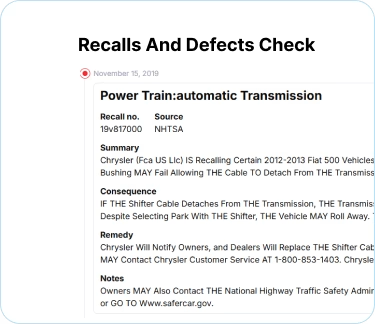
Recalls for commercial vehicles are often issued for safety-related defects that are identified during manufacturing or through early field experience. These can range from issues with braking systems, electrical harnesses, or structural components. For the 2022 model year, it's crucial for operators to stay informed through official BYD service channels and relevant regulatory bodies for any safety recalls. Long-term reliability is generally considered strong for BYD products due to their extensive research and development, particularly in battery technology, but regular, professional maintenance tailored to electric powertrains is critical to ensuring the longevity and optimal performance of the chassis.

How long will the 2022 BYD Electric Bus Chassis last?

Estimating average mileage or years of service for the 2022 BYD Electric Bus Chassis requires considering its intended use in commercial operations, which often involves high daily mileage. Typically, electric bus chassis are designed for a lifespan of 12-15 years or more, often accumulating over 500,000 to 1,000,000 miles, depending on the operational environment and maintenance regimen. The long-term durability of the electric powertrain, especially BYD's battery technology, is a key strength, with batteries designed to retain significant capacity for many years and hundreds of thousands of miles. Weaknesses over time might manifest as gradual battery degradation, impacting range, or wear on other components due to continuous heavy use. Consistent, specialized maintenance, including battery health checks and electrical system inspections, is crucial for maximizing its service life and mitigating potential issues.

What Technology & Safety Features are Included?

The 2022 BYD Electric Bus Chassis, being a foundational platform, integrates technology with a focus on operational efficiency, driver support, and safety. While many specific technology and comfort features are determined by the final bus body manufacturer, the chassis itself is equipped with advanced systems. Key built-in tech includes a sophisticated Battery Management System (BMS) that monitors battery health, charging status, and thermal regulation, crucial for optimizing performance and lifespan. The powertrain control unit manages energy flow for maximum efficiency and responsiveness.

Driver-assistance features are increasingly being integrated into electric bus chassis. These can include systems like electronic stability control (ESC) and anti-lock braking systems (ABS), which are standard for heavy-duty vehicles. Depending on the specific configuration and optional packages chosen by the body builder, advanced systems like GPS tracking, fleet management integration, and telematics for remote diagnostics and performance monitoring may be included.

Safety features are paramount. Electric powertrains inherently offer quieter operation, which can improve driver awareness. The chassis is designed with robust structural integrity to protect occupants. Regenerative braking systems contribute to safety by providing reliable stopping power and reducing wear on friction brakes. While dedicated crash-test ratings for individual bus chassis are not as commonly published as for passenger cars, manufacturers like BYD adhere to stringent international safety standards for commercial vehicles. Optional features often extend to advanced driver information displays, integrated camera systems for enhanced visibility, and potentially features designed to alert the driver to potential hazards. Entertainment features are typically integrated into the passenger cabin by the body builder, but the chassis provides the necessary power and data connectivity for these systems.


What Colors Options are Available?

We’re working on this section!
In the meantime, feel free to explore the other sections for more content.

2022 BYD Electric Bus Chassis Prices and Market Value

Pricing for a new 2022 BYD Electric Bus Chassis is highly variable, as it is sold primarily to bus body manufacturers who then integrate it into a complete bus. Therefore, a direct chassis price is rarely advertised, but initial investment is substantial, often ranging from $150,000 to $300,000 or more, depending on battery size, specifications, and volume orders. Used market prices are even more difficult to pinpoint for chassis alone, as they are typically sold as part of a complete bus. However, the resale value of electric buses is generally showing resilience. Factors affecting resale value include battery health and remaining lifespan, overall mileage, maintenance history, and the ongoing demand for electric public transportation solutions. Depreciation is often less steep for well-maintained electric buses compared to their diesel counterparts, especially as government incentives and corporate sustainability goals continue to drive demand for zero-emission fleets.

2022 BYD Electric Bus Chassis Cost of Ownership

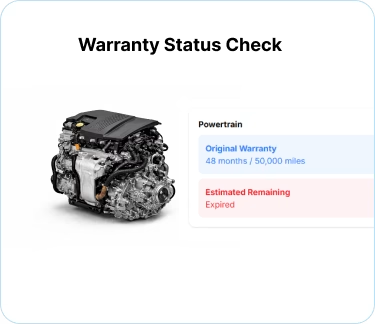
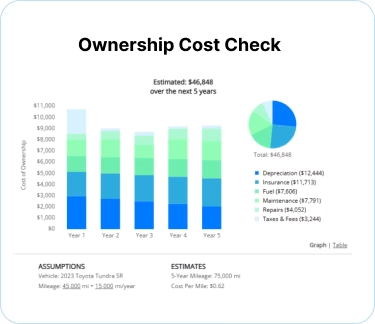
The 2022 BYD Electric Bus Chassis is designed to be economical to own in the long run. While the initial purchase price may be higher, 'fuel' costs (electricity) are significantly lower than diesel. Maintenance costs are also reduced due to fewer moving parts in the electric drivetrain (no oil changes, exhaust systems, etc.). Insurance premiums might be slightly higher initially due to the advanced technology, but this is often offset by lower operational expenses. Repair costs can be higher for specialized electric components if issues arise, but these are typically covered under warranty for an extended period. Overall, the total cost of ownership is generally favorable compared to traditional buses.

2022 BYD Electric Bus Chassis Fuel Efficiency

Fuel Type -
Fuel Capacity -
City Mileage -
Highway Mileage -

2022 BYD Electric Bus Chassis Insurance

Insurance for a 2022 BYD Electric Bus Chassis is moderately priced, reflecting its status as a Vehicle with strong safety ratings and
reasonable repair costs.

How Does the 2022 BYD Electric Bus Chassis Compare to Other Vehicle?

The 2022 BYD Electric Bus Chassis competes in a rapidly evolving market against other major players in electric transit solutions. Key rivals include chassis or complete bus offerings from manufacturers like Proterra, New Flyer (with its Xcelsior CHARGE series), Gillig, and Volvo Buses.

Performance: BYD is known for its robust battery technology and efficient powertrains. In terms of raw performance metrics like acceleration and continuous power delivery, it generally holds its own against competitors. The emphasis is on smooth, quiet operation suitable for urban transit. Proterra is often cited for its strong performance and advanced battery systems, while New Flyer and Volvo also offer powerful and reliable electric powertrains.

Features: BYD's advantage lies in its integrated approach to battery technology. Competitors like Proterra also offer advanced features, including sophisticated battery management and charging solutions. New Flyer and Volvo integrate advanced driver-assistance systems and connectivity options into their electric offerings. The specific features available will depend heavily on the final bus body chosen.

Reliability: BYD has a global reputation for producing reliable electric vehicles, backed by extensive real-world deployment. Their Blade Battery is engineered for durability and safety. Proterra also boasts a strong track record for reliability in North American transit fleets. New Flyer and Volvo, with their long history in the bus manufacturing industry, are also recognized for dependable products.

Price: Pricing is a significant factor. Electric bus chassis and completed buses represent a substantial upfront investment compared to diesel counterparts. BYD often aims to provide competitive pricing through economies of scale and vertical integration of its components. However, specific pricing varies widely based on configuration, battery capacity, and negotiated fleet deals.

Recommendations: For an operator prioritizing cutting-edge battery technology and a global manufacturer's extensive experience, the BYD Electric Bus Chassis is a strong contender. If maximum range and advanced charging infrastructure integration are paramount, Proterra is a very comparable alternative. For operators already invested in the support networks of North American manufacturers, New Flyer and Volvo offer excellent, reliable electric options. Ultimately, the best choice depends on specific operational needs, available charging infrastructure, and regional support.

Final Verdict: Is the 2022 BYD Electric Bus Chassis a Good Vehicle?

The 2022 BYD Electric Bus Chassis is ideal for public transit authorities, municipalities, and private fleet operators committed to transitioning to zero-emission transportation. It is particularly well-suited for urban environments where noise pollution reduction and air quality improvement are priorities. Given its nature as a chassis, it's worth buying for bus body manufacturers looking for a reliable and technologically advanced electric platform to build upon. For fleet operators considering a complete bus, the value proposition is strong due to lower long-term operating costs, despite a higher initial investment. Purchasing new offers the latest battery technology and full warranty support. While specific trims aren't applicable to the chassis itself, selecting the appropriate battery capacity for intended routes is crucial. Used electric buses can offer significant savings, but careful inspection of battery health is essential.

2022 BYD Electric Bus Chassis Owner Reviews

0.00
Consumer Rating, Based on 0 Consumer Reviews
Overall rating
Cancel
Thank You for Your Review!

We truly appreciate the time and effort you took to share your experience with us.

Uh oh!

Something went wrong, please try again later.

Author Image
Eugene S

Eugene is an automotive enthusiast with over 15 years of experience in the used car market. As a writer at VINCheck.info, he brings deep industry insight and a passion for cars, helping readers make smart, informed decisions. Eugene has written hundreds of used car reviews and is known for breaking down complex automotive topics into clear, actionable advice. Over the years, he has driven and worked on a wide range of vehicles—starting with tuning street cars in his early days and eventually focusing on performance upgrades and reliability improvements. Today, he specializes in evaluating used vehicles through the lens of real-world ownership and enthusiast needs. A longtime fan of Porsche, Eugene especially appreciates vehicles that blend durability with driving enjoyment.