The 1994 Jeep Grand Cherokee, part of the ZJ generation (1993-1998), established itself as a pioneering mid-size SUV. This luxury-oriented SUV offered a comfortable ride and respectable off-road capability. Key trims included the base SE, Laredo, and the more premium Limited. Its popularity stemmed from blending rugged Jeep heritage with a more refined interior and smoother on-road manners than its predecessors, appealing to a broader audience seeking both adventure and daily usability.
The Good
The 1994 Grand Cherokee offered a compelling blend of robust off-road prowess and refined on-road comfort. Its comfortable interior and capable performance provided a sense of security and adventure, making it a practical choice for families and a desirable option for those seeking weekend getaways.
The Bad
When considering a 1994 Jeep Grand Cherokee, watch out for potential issues with the transmission, particularly the 42RE automatic. Electrical gremlins, such as faulty window motors and sensor issues, are also common. Rust, especially in the unibody structure and rocker panels, is a significant concern for older models.
1994 Jeep Grand Cherokee: Quick Overview
- Engine Options:
- 4.0L Inline-6 OHV (AMC 242)
- 5.2L Magnum V8 OHV
- Horsepower:
- 4.0L I6: Approximately 190 hp
- 5.2L V8: Approximately 220 hp
- Fuel Economy (MPG):
- 4.0L I6: Estimated 15 city / 19 highway
- 5.2L V8: Estimated 13 city / 17 highway
- 0-60 mph Times:
- 4.0L I6: Approximately 9.5 - 10.5 seconds
- 5.2L V8: Approximately 8.5 - 9.5 seconds
- Towing Capacity:
- Approximately 5,000 lbs (with proper towing package)
- Drivetrain:
- Full-time 4WD (Selec-Trac) standard on most trims
- Part-time 4WD (Command-Trac) available
- 2WD available
- Key Trims and Features:
- SE: Base model, often with fewer amenities.
- Laredo: More standard features like power windows and locks, upgraded interior trim, and better audio system.
- Limited: Top-tier trim with leather upholstery, power seats, premium audio, fog lights, and often body-colored mirrors and trim.
- Suspension: Solid front and rear axles with coil springs, providing good articulation for off-roading and a comfortable ride.
1994 Jeep Grand Cherokee Specifications
Vehicle Information
| Year | 1994 |
| Make | Jeep |
| Model | Grand Cherokee |
| Trim | - |
| Style | - |
| Type | Sport Utility Vehicle Vehicle |
| Category | Standard Sport Utility Vehicle |
Manufacturing Details
| Made In | United States |
| Manufacturing City | DETROIT |
Dimensions
| Doors | 4-Door |
| Curb Weight | - |
| Gross Vehicle Weight Rating | 7000 pounds |
| Overall Height | - |
| Overall Length | - |
| Overall Width | - |
| Wheelbase Length | - |
| Standard Seating | - |
Engine & Performance
| Engine | 5.2 L 8-Cyl. |
| Engine Size | 5.2L |
| Engine Cylinders | 8 |
| Transmission | 4 Automatic |
| Transmission Type | Automatic |
| Transmission Speeds | 4-Speed |
| Drivetrain | Four-Wheel Drive |
Additional Features
| Anti-Brake System | - |
| Steering Type | - |
Pricing
| Manufacturer Suggested Retail Price (MSRP) | - |
| Invoice Price | - |
| Delivery Charges | - |
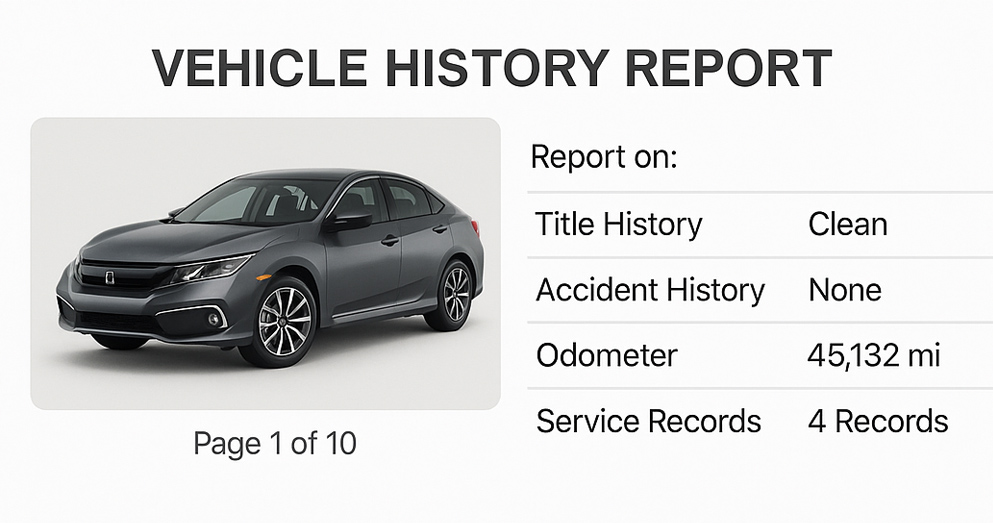
Vehicle History Report
Vehicle
Specifications
Specifications
Ownership
History
History
All History
Events
Events
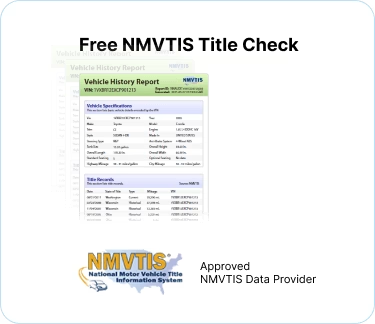
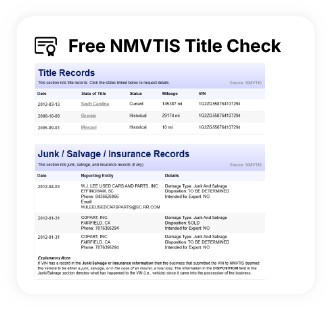
NMVTIS Title
History Check
History Check
Salvage/Rebuilt
Check
Check
Accident
Check
Check
Theft
Check
Check
Open Lien
Check
Check
Past Sale
Listings
Listings
Safety
Recalls
Recalls
Odometer
Check
Check
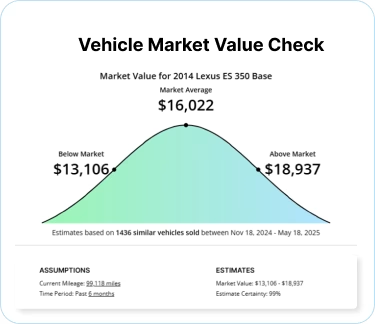
Market Price
Analysis
Analysis
What Problems Does the 1994 Jeep Grand Cherokee Have?
The 1994 Jeep Grand Cherokee, while generally considered robust for its era, is not without its common issues. A frequent concern across ZJ models, including the 1994, is the 42RE automatic transmission. Owners report problems ranging from slipping gears to complete failure, often related to the torque converter clutch solenoid or internal wear. Regular fluid and filter changes are crucial, but even with good maintenance, these transmissions can be a weak point.
Electrical issues are also commonly reported. These can manifest as malfunctioning power windows and locks, faulty instrument cluster gauges (especially the speedometer and fuel gauge), and intermittent problems with sensors like the Crankshaft Position Sensor (CPS) or the Throttle Position Sensor (TPS), which can lead to stalling or poor engine performance. The transfer case actuator, if equipped with an electronic unit, can also fail, preventing proper engagement of four-wheel drive.
Rust is a significant long-term reliability concern, particularly in regions with harsh winters or high humidity. The unibody construction means rust can compromise structural integrity if not addressed promptly. Areas to inspect closely include the rocker panels, floor pans, rear wheel wells, and the frame rails.
While specific recalls for the 1994 model year may be limited, general ZJ Grand Cherokees have seen recalls for items like steering components and potential fuel system leaks in earlier years. However, for a 1994 model, most major recalls would have been addressed decades ago. Long-term reliability hinges heavily on prior maintenance. Vehicles that have been meticulously maintained, with regular fluid changes for the engine, transmission, and differentials, and timely replacement of worn parts, tend to fare much better. Neglected examples are more prone to the aforementioned issues manifesting.
Electrical issues are also commonly reported. These can manifest as malfunctioning power windows and locks, faulty instrument cluster gauges (especially the speedometer and fuel gauge), and intermittent problems with sensors like the Crankshaft Position Sensor (CPS) or the Throttle Position Sensor (TPS), which can lead to stalling or poor engine performance. The transfer case actuator, if equipped with an electronic unit, can also fail, preventing proper engagement of four-wheel drive.
Rust is a significant long-term reliability concern, particularly in regions with harsh winters or high humidity. The unibody construction means rust can compromise structural integrity if not addressed promptly. Areas to inspect closely include the rocker panels, floor pans, rear wheel wells, and the frame rails.
While specific recalls for the 1994 model year may be limited, general ZJ Grand Cherokees have seen recalls for items like steering components and potential fuel system leaks in earlier years. However, for a 1994 model, most major recalls would have been addressed decades ago. Long-term reliability hinges heavily on prior maintenance. Vehicles that have been meticulously maintained, with regular fluid changes for the engine, transmission, and differentials, and timely replacement of worn parts, tend to fare much better. Neglected examples are more prone to the aforementioned issues manifesting.
How long will the 1994 Jeep Grand Cherokee last?
A well-maintained 1994 Jeep Grand Cherokee can reasonably be expected to reach 150,000 to 200,000 miles, with some surviving well beyond 250,000 miles. The Inline-6 engine is known for its durability and longevity, often outlasting the transmission. However, the transmission, particularly the 42RE automatic, is a common point of failure and can limit the vehicle's overall service life if not rebuilt or replaced. Rust is a major factor that can significantly shorten its usable lifespan, especially in corrosive environments. Overall durability depends heavily on consistent maintenance, particularly fluid changes for the powertrain, and proactive rust prevention or repair. Weaknesses over time include electrical components and the transmission.
What Technology & Safety Features are Included?
The 1994 Jeep Grand Cherokee was a step up in refinement for Jeep, offering a decent array of technology and safety features for its time, though it pales in comparison to modern vehicles. Standard technology was relatively basic, focusing on essential functions. Entertainment typically revolved around an AM/FM stereo with an optional cassette player or a single-disc CD player. Higher trims, like the Limited, often featured upgraded sound systems with more speakers.
Driver-assistance features were virtually non-existent by today's standards. There were no advanced cruise control systems, lane departure warnings, or blind-spot monitoring. Features were limited to basic power accessories such as power windows, power door locks, and power mirrors, which were considered significant conveniences back then. Power adjustable front seats were also an option on higher trims.
Safety features were more focused on passive protection. Standard safety equipment included front airbags for the driver and passenger, anti-lock brakes (ABS) on all four wheels, and three-point seatbelts. The vehicle featured a body-on-frame construction, though the ZJ generation was unibody, offering a sturdy structure for its era. Side-impact beams were also incorporated into the doors.
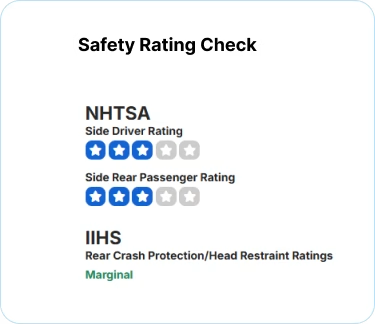
Crash-test ratings for vehicles of this vintage are not as comprehensive or standardized as they are today. However, the ZJ Grand Cherokee generally performed adequately in the crash tests available at the time, offering reasonable protection for occupants. NHTSA testing would have been the primary source for safety data, but specific results for the 1994 model year are less readily available and may not reflect modern testing protocols. Optional features included things like a rear defroster, intermittent wipers, and a trailer tow package. The available 4WD systems, Selec-Trac and Command-Trac, could be considered a form of driver assistance in adverse conditions.
Driver-assistance features were virtually non-existent by today's standards. There were no advanced cruise control systems, lane departure warnings, or blind-spot monitoring. Features were limited to basic power accessories such as power windows, power door locks, and power mirrors, which were considered significant conveniences back then. Power adjustable front seats were also an option on higher trims.
Safety features were more focused on passive protection. Standard safety equipment included front airbags for the driver and passenger, anti-lock brakes (ABS) on all four wheels, and three-point seatbelts. The vehicle featured a body-on-frame construction, though the ZJ generation was unibody, offering a sturdy structure for its era. Side-impact beams were also incorporated into the doors.
Crash-test ratings for vehicles of this vintage are not as comprehensive or standardized as they are today. However, the ZJ Grand Cherokee generally performed adequately in the crash tests available at the time, offering reasonable protection for occupants. NHTSA testing would have been the primary source for safety data, but specific results for the 1994 model year are less readily available and may not reflect modern testing protocols. Optional features included things like a rear defroster, intermittent wipers, and a trailer tow package. The available 4WD systems, Selec-Trac and Command-Trac, could be considered a form of driver assistance in adverse conditions.
What Colors Options are Available?
1994 Jeep Grand Cherokee Prices and Market Value
When new, the 1994 Jeep Grand Cherokee had an MSRP that ranged from approximately $25,000 for the base SE model to over $35,000 for a well-equipped Limited trim. As a luxury-oriented SUV of its time, it commanded a premium price.
Currently, used market prices for a 1994 Jeep Grand Cherokee vary significantly based on condition, mileage, and trim level. Well-maintained examples can fetch anywhere from $3,000 to $7,000, with collector-grade or exceptionally preserved models potentially exceeding this. However, most will be found in the $1,500 to $4,000 range, reflecting their age and potential need for repairs.
Depreciation has been substantial, as expected for a vehicle of this age. Factors affecting resale value include the presence of rust, mechanical condition (especially transmission health), original mileage, and the presence of desirable options like the V8 engine or the Limited trim. Clean examples with a solid maintenance history and minimal rust are the most sought after and retain higher value.
Currently, used market prices for a 1994 Jeep Grand Cherokee vary significantly based on condition, mileage, and trim level. Well-maintained examples can fetch anywhere from $3,000 to $7,000, with collector-grade or exceptionally preserved models potentially exceeding this. However, most will be found in the $1,500 to $4,000 range, reflecting their age and potential need for repairs.
Depreciation has been substantial, as expected for a vehicle of this age. Factors affecting resale value include the presence of rust, mechanical condition (especially transmission health), original mileage, and the presence of desirable options like the V8 engine or the Limited trim. Clean examples with a solid maintenance history and minimal rust are the most sought after and retain higher value.
1994 Jeep Grand Cherokee Cost of Ownership
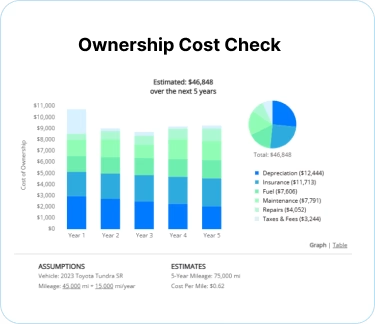
Owning a 1994 Jeep Grand Cherokee can be moderately costly, particularly as it ages. Insurance costs are generally reasonable, falling within the average for a vehicle of its class and age, though full coverage will be more expensive. Fuel costs can be a significant factor; the V8 engine, in particular, is not fuel-efficient, averaging around 13-17 MPG. Maintenance costs are moderate, with routine services like oil changes and fluid checks being standard. However, repairs can become costly, especially if major components like the transmission or differentials require attention. Parts are generally available but can be more expensive than for smaller sedans. It's not an economical vehicle to own long-term, with repair costs and fuel consumption being the primary drivers of expense.
1994 Jeep Grand Cherokee Fuel Efficiency
Fuel Type
Gasoline
Fuel Capacity
-
City Mileage
-
Highway Mileage
-
1994 Jeep Grand Cherokee Safety Rating
NHTSA
1994 Jeep Grand Cherokee Recalls & Defects
Structure
Recall date
2013-06-19
Recall no.
13v252000
Source
NHTSA
Summary
Chrysler Group LLC (Chrysler) IS Recalling Certain Model Year 1993-1998 Jeep Grand Cherokee and 2002-2007 Jeep Liberty Vehicles. THE Fuel Tanks IN These Vehicles ARE AT Risk OF Failure and Leakage IN Certain Rear Impacts.
Consequence
A Fuel Leak IN THE Presence OF AN Ignition Source MAY Result IN A Fire.
Remedy
Owners MAY Take Their Vehicles TO Dealers and THE Dealers Will Perform A Free Inspection OF THE Rear Structure. ON Vehicles IN THE Recall That ARE NOT Equipped With A TOW Hitch, Chrysler Will Install A Chrysler Designed TOW Hitch Free OF Charge, Provided THE Condition OF THE Vehicle CAN Support Proper Installation. ON Vehicles IN THE Recall That ARE Equipped With AN Aftermarket TOW Hitch, Chrysler Will Assess Whether THE Hitch and Surrounding Areas Show Evidence OF Sharp Edges or Other Puncture Risks. IF SO, Chrysler Will Replace THE TOW Hitch With A Chrysler Designed TOW Hitch Free OF Charge, Provided THE Condition OF THE Vehicle CAN Support Proper Installation. ON Vehicles Already Equipped With A Chrysler Designed TOW Hitch, Chrysler Will Inspect THE Area Around THE TOW Hitch Installation, and IF ANY Installation Issues ARE Identified, They Will BE Repaired Free OF Charge. THE Recall Began ON August 1, 2014. Owners MAY Contact Chrysler AT 1-800-247-9753. Chrysler's Recall Campaign Numbers ARE N45 (For THE Grand Cherokee Vehicles) and N46 (For THE Liberty Vehicles).
Notes
Owners MAY Also Contact THE National Highway Traffic Safety Administration Vehicle Safety Hotline AT 1-888-327-4236 (Tty 1-800-424-9153), or GO TO Www.safercar.gov.
Fuel System, Gasoline:storage:tank Assembly
Recall date
2013-06-19
Recall no.
13v252000
Source
NHTSA
Summary
Chrysler Group LLC (Chrysler) IS Recalling Certain Model Year 1993-1998 Jeep Grand Cherokee and 2002-2007 Jeep Liberty Vehicles. THE Fuel Tanks IN These Vehicles ARE AT Risk OF Failure and Leakage IN Certain Rear Impacts.
Consequence
A Fuel Leak IN THE Presence OF AN Ignition Source MAY Result IN A Fire.
Remedy
Owners MAY Take Their Vehicles TO Dealers and THE Dealers Will Perform A Free Inspection OF THE Rear Structure. ON Vehicles IN THE Recall That ARE NOT Equipped With A TOW Hitch, Chrysler Will Install A Chrysler Designed TOW Hitch Free OF Charge, Provided THE Condition OF THE Vehicle CAN Support Proper Installation. ON Vehicles IN THE Recall That ARE Equipped With AN Aftermarket TOW Hitch, Chrysler Will Assess Whether THE Hitch and Surrounding Areas Show Evidence OF Sharp Edges or Other Puncture Risks. IF SO, Chrysler Will Replace THE TOW Hitch With A Chrysler Designed TOW Hitch Free OF Charge, Provided THE Condition OF THE Vehicle CAN Support Proper Installation. ON Vehicles Already Equipped With A Chrysler Designed TOW Hitch, Chrysler Will Inspect THE Area Around THE TOW Hitch Installation, and IF ANY Installation Issues ARE Identified, They Will BE Repaired Free OF Charge. THE Recall Began ON August 1, 2014. Owners MAY Contact Chrysler AT 1-800-247-9753. Chrysler's Recall Campaign Numbers ARE N45 (For THE Grand Cherokee Vehicles) and N46 (For THE Liberty Vehicles).
Notes
Owners MAY Also Contact THE National Highway Traffic Safety Administration Vehicle Safety Hotline AT 1-888-327-4236 (Tty 1-800-424-9153), or GO TO Www.safercar.gov.
Vehicle Speed Control:accelerator Pedal
Recall date
1997-05-02
Recall no.
97i002000
Source
NHTSA
Summary
Vehicle Description: Multipurpose Passenger Vehicles Equipped With Automatic Transmissions. This IS NOT A Safety Recall IN Accordance With Federal Regulation 573. However, IT IS Deemed A Safety Improvement Campaign BY THE Agency. Drivers CAN Mistakenly Step ON THE Accelerator Pedal When They Intend TO Step ON THE Brake Pedal.
Consequence
Pedal Misapplication BY A Driver CAN Cause Unintended Acceleration.
Remedy
Dealers Will Install A Shift Interlock ON THE Automatic Transmission OF These Vehicles.
Notes
Note:chrysler HAS Decided TO Conduct A Safety Improvement Campaign TO Install A Shift Interlock ON These Vehicles.owners CAN Contact Chrysler AT 1-800-853-1403.
Service Brakes, Hydraulic:foundation Components:disc:rotor
Recall date
1999-12-13
Recall no.
99v340000
Source
NHTSA
Summary
Vehicle Description: Passenger and Multi-Purpose Vehicles Originally Sold or Currently Registered IN THE States OF Connecticut, Illinois, Indiana, Maine, Maryland, Massachusetts, Michigan, NEW Hampshire, NEW Jersey, NEW York, Ohio, Pennsylvania, Rhode Island, Vermont, or Wisconsin, and THE District OF Columbia. THE Front Disc Brake Rotors CAN Experience Severe Corrosion IF Operated FOR AN Extensive Period IN THE "salt Belt." IF THE Rotors ARE NOT Replaced, THE Corrosion CAN Eventually Compromise THE Structural Integrity OF THE Stamped Steel Center HUB Section OF THE Rotor.
Consequence
THE Reduced Strength CAN Allow THE Cast Iron Wear Surface TO Separate From THE Hub, Reducing THE Brake Effectiveness OF THE Vehicle.
Remedy
Dealers Will Replace These Rotors With Rotors That ARE Coated With A Corrosion Protection.
Notes
Owner Notification Began December 20, 1999. Owners WHO Take Their Vehicles TO AN Authorized Dealer ON AN Agreed Upon Service Date and DO NOT Receive THE Free Remedy Within A Reasonable Time Should Contact Daimlerchrysler AT 1-800-992-1997.also Contact THE National Highway Traffic Safety Administration's Auto Safety Hotline AT 1-888-dash-2-dot (1-888-327-4236).
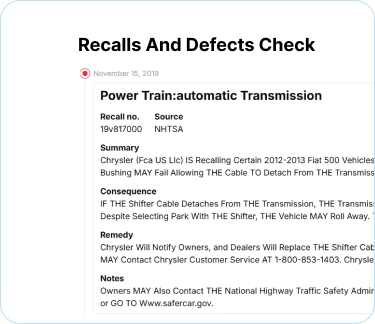
Power Train:automatic Transmission:lever and Linkage:floor Shift
Recall date
2002-02-15
Recall no.
02v053000
Source
NHTSA
Summary
ON Certain Sport Utility Vehicles, IF A Driver HAS NOT Placed THE Shifter Lever Fully Into THE "park" Position and Leaves THE Vehicle Running, THE Vehicle MAY Unexpectedly Move Rearward After Seeming TO BE Stable.
Consequence
Inadvertent Movement OF THE Vehicle Could Result IN A Crash.
Remedy
Dealers Will Install A Secondary Detent System TO THE Floor Shifter Assembly. Daimlerchrysler Sent Interim Notices TO Owners Concerning This Problem ON March 22, 2002. Owner Notification Began September 23, 2002. Owners WHO Take Their Vehicles TO AN Authorized Dealer ON AN Agreed Upon Service Date and DO NOT Receive THE Free Remedy Within A Reasonable Time Should Contact Daimlerchrysler AT 1-800-853-1403.
Notes
Also, Customers CAN Contact THE National Highway Traffic Safety Administration's Auto Safety Hotline AT 1-888-Dash-2-dot (1-888-327-4236).
Exterior Lighting
Recall date
2006-03-23
Recall no.
06e026000
Source
NHTSA
Summary
Certain Pro-A Motors Corner Lamps, Turn Signals, and Headlights Sold AS Replacement Lamps FOR USE ON Certain Passenger Vehicles Listed Above. Some Combination Lamps That ARE NOT Equipped With Amber Side Reflectors Fail TO Conform TO Federal Motor Vehicle Safety Standard NO. 108, Lamps, Reflective Devices, and Associated Equipment.
Consequence
Without THE Amber Reflectors, THE Vehicle Will BE Poorly Illuminated, Possibly Resulting IN A Vehicle Crash Without Warning.
Remedy
Pro-A Motors Will Notify Owners and Offer TO Repurchase THE Lamps. THE Recall Began ON April 3, 2006. Owners MAY Contact Pro-A Motors AT 323-838-2988.
Notes
This Recall Only Pertains TO Pro-A Motors Aftermarket Lamps and HAS NO Relation TO ANY Original Equipment Installed ON THE Listed Passenger Vehicles.for More Information ON THE Lamp Model Numbers, Click ON Document Search and View Document Titled "lamp Model Numbers."customers MAY Contact THE National Highway Traffic Safety Administration's Vehicle Safety Hotline AT 1-888-327-4236 (Tty: 1-800-424-9153); or GO TO Http://Www.safercar.gov.
Visibility:glass, Side/Rear
Recall date
2007-12-11
Recall no.
07e104000
Source
NHTSA
Summary
Certain Curved Tempered Replacement Glass Manufactured BY Hangzhou Safety Glass LTD and Supplied TO Safelite BY Auto Temp Inc., Identified AS Dot-430, and Sold FOR USE ON Certain Domestic and Foreign Vehicles MAY NOT Break Into Small Pieces AS Expected OF Tempered Glass and Fails TO Conform TO Federal Motor Vehicle Safety Standard NO. 205, "glazing Materials."
Consequence
IN THE Event OF A Vehicle Crash, THE Occupant(S) MAY BE Seriously Injured BY Shattered Glass.

Remedy
Safelite Will Notify ITS Retail Customers and Replace THE Glass Free OF Charge. Retail Customers CAN Contact Safelite Toll Free AT 1-888-843-2906. Safelite Will Notify ITS Wholesale Customers and Reimburse Wholesale Customers FOR Current Inventory and AT A Specified Rate FOR Replacing Their Customer's Glass. Wholesale Customers CAN Contact Safelite's Wholesale Division, Service Autoglass Toll Free AT 1-888-246-6298. THE Recall Began ON January 15, 2008.

Notes
This Recall Only Pertains TO Certain Curved Tempered Replacement Glass Manufactured BY Hangzhou Safety Glass, Ltd. (Dot-430) and Supplied TO Safelite BY Auto Temp Inc., and HAS NO Relation TO ANY Original Equipment Installed ON THE Vehicles Listed Above. Customers MAY Contact THE National Highway Traffic Safety Administration's Vehicle Safety Hotline AT 1-888-327-4236 (Tty: 1-800-424-9153); or GO TO Http://Www.safercar.gov.
Exterior Lighting:headlights
Recall date
2009-05-11
Recall no.
09e025000
Source
NHTSA
Summary
Dope, Inc. IS Recalling 42,540 Combination Corner and Bumper Lamp Assemblies OF Various Part Numbers Sold FOR USE AS Aftermarket Equipment FOR Various Passenger Vehicles. These Headlamps Fail TO Conform TO THE Requirements OF Federal Motor Vehicle Safety Standard NO. 108, "lamps, Reflective Devices, and Associated Equipment." These Lamps DO NOT Contain THE Required Amber Side Reflectors.
Consequence
Decreased Lighting Visibility MAY Result IN A Vehicle Crash.
Remedy
Dope, Inc. Will Notify Owners and Offer A Full Refund FOR THE Noncompliant Combination Lamps. THE Safety Recall Began ON July 28, 2009. Owners MAY Contact Dope, Inc. AT 1-626-272-1798.
Notes
This Recall Only Pertains TO Aftermarket Replacement Equipment and HAS NO Relation TO ANY Original Equipment Installed ON Vehicles Produced BY THE Vehicle Manufacturer.in Order TO Determine IF Your Aftermarket Lamp Assembly IS Affected BY This Noncompliance, Please Review THE List OF Model Numbers Provided TO US BY Dope, Inc.the List CAN BE Found Under "document Search" Located AT THE Bottom OF Your Screen. Owners MAY Also Contact THE National Highway Traffic Safety Administration's Vehicle Safety Hotline AT 1-888-327-4236 (Tty 1-800-424-9153), or GO TO <A Href=http://Www.safercar.gov>http://www.safercar.gov</a> .
Exterior Lighting
Recall date
2009-04-07
Recall no.
09e012000
Source
NHTSA
Summary
Sabersport IS Recalling 16,270 Combination Corner and Bumper Lamp Assemblies OF Various Part Numbers Sold FOR USE AS Aftermarket Equipment FOR Various Passenger Vehicles. These Headlamps Fail TO Conform TO THE Requirements OF Federal Motor Vehicle Safety Standard NO. 108, "lamps, Reflective Devices, and Associated Equipment." These Lamps DO NOT Contain THE Required Amber Side Reflectors.
Consequence
Decreased Lighting Visibility MAY Result IN A Vehicle Crash.
Remedy
Sabersport Will Notify Owners and Offer A Full Refund FOR THE Noncompliant Combination Lamps. THE Safety Recall Began ON MAY 11, 2009. Owners MAY Contact Sabersport AT 1-909-598-7589.
Notes
This Recall Only Pertains TO Aftermarket Replacement Equipment and HAS NO Relation TO ANY Original Equipment Installed ON Vehicles Produced BY THE Vehicle Manufacturer.in Order TO Determine IF Your Aftermarket Lamp Assembly IS Affected BY This Noncompliance, Please Review THE List OF Model Numbers Provided TO US BY Sabersport.the List CAN BE Found Under "document Search" Located AT THE Bottom OF Your Screen.owners MAY Also Contact THE National Highway Traffic Safety Administration's Vehicle Safety Hotline AT 1-888-327-4236 (Tty 1-800-424-9153), or GO TO <A Href=http://Www.safercar.gov>http://www.safercar.gov</a> .
1994 Jeep Grand Cherokee Insurance
Insurance for a 1994 Jeep Grand Cherokee is moderately priced, reflecting its status as a Sport Utility Vehicle Vehicle with strong safety ratings and
reasonable repair costs.
How Does the 1994 Jeep Grand Cherokee Compare to Other Sport Utility Vehicle Vehicle?
The 1994 Jeep Grand Cherokee competed in a burgeoning mid-size SUV market against rivals like the Ford Explorer, Chevrolet Blazer/S-10 Blazer, and Toyota 4Runner.
Performance: The Grand Cherokee, especially with the 5.2L V8, offered strong acceleration and respectable towing capacity, often surpassing the base engines of its competitors. Its Selec-Trac full-time 4WD system provided excellent capability in various conditions without requiring driver intervention, a key advantage over some rivals' part-time systems. The Ford Explorer also offered V8 options and good on-road manners, while the Toyota 4Runner was renowned for its ruggedness and off-road prowess but often lagged in on-road refinement and power.
Features: The Grand Cherokee aimed for a more upscale experience than many competitors, with available leather seats, a premium sound system, and a smoother ride. It positioned itself as a more luxurious alternative to the utilitarian Blazer. The Explorer also offered a good balance of features and comfort.
Reliability: This is where the Grand Cherokee often faced challenges compared to some rivals. While the inline-six engine was robust, the automatic transmissions (particularly the 42RE) were a known weak point. Competitors like the Toyota 4Runner generally held a stronger reputation for long-term mechanical reliability and fewer electrical gremlins. The Ford Explorer had its own issues, including concerns about rollover propensity in earlier models and rear axle failures.
Price: The Grand Cherokee was typically priced at the higher end of its segment, reflecting its luxury aspirations. This made it a compelling value if purchased used, especially compared to newer models with similar features.
Alternatives:
* Similar: Ford Explorer (especially V8 models), Chevrolet Tahoe (if a larger SUV is desired).
* Potentially Better Reliability: Toyota 4Runner (especially the V6 models), Nissan Pathfinder (though often less refined).
* If ultimate off-road capability and simplicity are paramount and luxury is secondary, a pre-1996 Toyota 4Runner or a Jeep Cherokee XJ would be excellent, simpler alternatives.
Performance: The Grand Cherokee, especially with the 5.2L V8, offered strong acceleration and respectable towing capacity, often surpassing the base engines of its competitors. Its Selec-Trac full-time 4WD system provided excellent capability in various conditions without requiring driver intervention, a key advantage over some rivals' part-time systems. The Ford Explorer also offered V8 options and good on-road manners, while the Toyota 4Runner was renowned for its ruggedness and off-road prowess but often lagged in on-road refinement and power.
Features: The Grand Cherokee aimed for a more upscale experience than many competitors, with available leather seats, a premium sound system, and a smoother ride. It positioned itself as a more luxurious alternative to the utilitarian Blazer. The Explorer also offered a good balance of features and comfort.
Reliability: This is where the Grand Cherokee often faced challenges compared to some rivals. While the inline-six engine was robust, the automatic transmissions (particularly the 42RE) were a known weak point. Competitors like the Toyota 4Runner generally held a stronger reputation for long-term mechanical reliability and fewer electrical gremlins. The Ford Explorer had its own issues, including concerns about rollover propensity in earlier models and rear axle failures.
Price: The Grand Cherokee was typically priced at the higher end of its segment, reflecting its luxury aspirations. This made it a compelling value if purchased used, especially compared to newer models with similar features.
Alternatives:
* Similar: Ford Explorer (especially V8 models), Chevrolet Tahoe (if a larger SUV is desired).
* Potentially Better Reliability: Toyota 4Runner (especially the V6 models), Nissan Pathfinder (though often less refined).
* If ultimate off-road capability and simplicity are paramount and luxury is secondary, a pre-1996 Toyota 4Runner or a Jeep Cherokee XJ would be excellent, simpler alternatives.
Final Verdict: Is the 1994 Jeep Grand Cherokee a Good Sport Utility Vehicle Vehicle?
The 1994 Jeep Grand Cherokee is ideal for budget-conscious buyers seeking a capable SUV with a blend of off-road prowess and comfortable on-road manners, who are also mechanically inclined or have a trusted mechanic. It's best purchased used, as new examples are long gone. The V8 models offer more power and towing capability, while the inline-six is more fuel-efficient and generally considered more reliable in the long run, though both can have transmission issues. It's worth buying if you find a well-maintained example with minimal rust and a documented service history, especially if the price reflects potential repair needs. Avoid vehicles with transmission slip or significant rust. It's a good option for weekend adventurers or those needing a versatile utility vehicle on a tight budget, provided they are aware of its potential maintenance pitfalls.