The 2021 BYD Electric Bus Chassis represents BYD's commitment to sustainable transportation solutions. As a chassis designed for bus body manufacturers, it offers a versatile platform for various public transit and commercial applications. BYD, a global leader in new energy vehicles, brings its extensive experience in battery technology and electric powertrains to this chassis. While specific trims and pricing vary based on the final bus configuration and regional markets, the core appeal lies in its zero-emission operation, advanced battery systems, and BYD's reputation for innovation in the electric vehicle sector, making it a popular choice for environmentally conscious transit authorities.

The Good
The 2021 BYD Electric Bus Chassis offers exceptional efficiency and reduced operating costs through its electric powertrain, appealing to practical buyers. Emotionally, it delivers a quiet and smooth ride for passengers, contributing to a modern and eco-friendly image. Its robust design promises reliability.
The Bad
Potential buyers should consider the initial purchase price, which can be higher than traditional diesel chassis. Charging infrastructure availability and charging times are also crucial factors to evaluate, as is the long-term availability of specialized maintenance expertise for electric powertrains.
2021 BYD Electric Bus Chassis: Quick Overview
- Engine Options: As an electric bus chassis, the 2021 BYD Electric Bus Chassis is powered by an electric motor. Specific motor configurations can vary depending on the final bus manufacturer's integration and the intended application (e.g., city bus, coach). BYD utilizes its proprietary battery technology, typically featuring Lithium Iron Phosphate (LiFePO4) batteries known for their safety and longevity.
- Horsepower: Horsepower figures for electric bus chassis are often expressed in continuous power output rather than peak horsepower. These can range significantly, but typically fall within the 150 kW to 250 kW (approximately 200 to 335 horsepower) range for standard bus applications. Torque is generally very high from a standstill.
- Fuel Economy: Fuel economy is measured in terms of energy consumption, typically kWh per mile or kilometer. BYD electric bus chassis are designed for high efficiency, often achieving figures that translate to significant cost savings over conventional diesel buses. Specific figures depend heavily on the final bus weight, route topography, and driving style.
- 0-60 Times: 0-60 mph acceleration times are generally not a primary metric for bus chassis, as their purpose is not rapid acceleration but smooth, efficient transit. However, electric powertrains provide instant torque, resulting in brisk initial acceleration from a stop.
- Towing Capacity: Towing capacity is not applicable to a bus chassis in the traditional sense.
- Trim-Level Features: As a chassis, it doesn't have traditional 'trim levels' in the same way a passenger car does. Instead, the features are integrated by the bus body manufacturer. However, the BYD chassis typically includes:
- Integrated battery management system (BMS)
- Electric powertrain components (motor, inverter, controller)
- Chassis frame and suspension designed for heavy loads
- Regenerative braking system for energy recovery
- Provisions for HVAC and other bus systems
- Advanced safety features integrated into the electrical system
2021 BYD Electric Bus Chassis Specifications
Vehicle Information
| Year | 2021 |
| Make | BYD |
| Model | Electric Bus Chassis |
| Trim | - |
| Style | - |
| Type | - |
| Category | - |
Manufacturing Details
| Made In | - |
| Manufacturing City | - |
Dimensions
| Doors | - |
| Curb Weight | - |
| Gross Vehicle Weight Rating | - |
| Overall Height | - |
| Overall Length | - |
| Overall Width | - |
| Wheelbase Length | - |
| Standard Seating | - |
Engine & Performance
| Engine | - |
| Engine Size | - |
| Engine Cylinders | - |
| Transmission | - |
| Transmission Type | - |
| Transmission Speeds | - |
| Drivetrain | - |
Additional Features
| Anti-Brake System | - |
| Steering Type | - |
Pricing
| Manufacturer Suggested Retail Price (MSRP) | - |
| Invoice Price | - |
| Delivery Charges | - |
Vehicle History Report
Vehicle
Specifications
Specifications
Ownership
History
History
All History
Events
Events
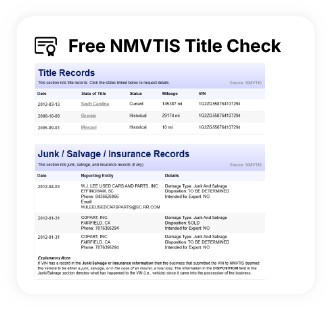
NMVTIS Title
History Check
History Check
Salvage/Rebuilt
Check
Check
Accident
Check
Check
Theft
Check
Check
Open Lien
Check
Check
Past Sale
Listings
Listings
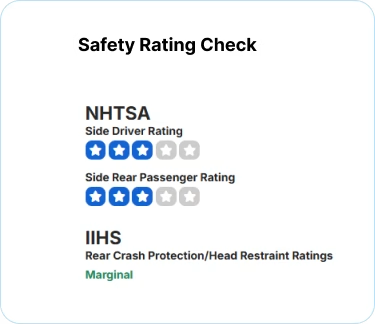
Safety
Recalls
Recalls
Odometer
Check
Check
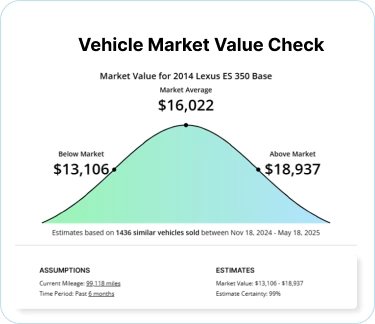
Market Price
Analysis
Analysis
What Problems Does the 2021 BYD Electric Bus Chassis Have?
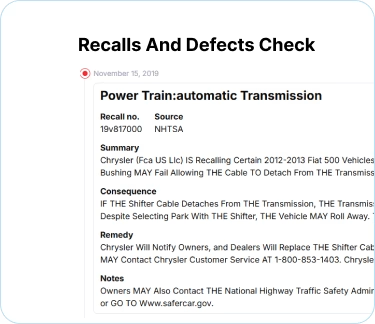
Information on frequently reported problems, recalls, or long-term reliability concerns specifically for the 2021 BYD Electric Bus Chassis as a standalone product is not as readily available as for consumer vehicles. This is primarily because it's a chassis sold to bus body manufacturers who then integrate it into complete buses. Any reported issues are more likely to be associated with the specific bus model and its overall operation, rather than the chassis itself. However, general considerations for electric vehicle powertrains and battery systems can be extrapolated. One area that sometimes requires attention in electric vehicles, including buses, is the battery management system (BMS). A malfunctioning BMS can affect charging performance, battery longevity, and overall system efficiency. BYD's LiFePO4 batteries are generally considered robust and safe, but like all battery technologies, they have a finite lifespan and their performance can degrade over time, especially under heavy usage cycles and extreme temperatures. Another potential area of concern, though not specific to BYD, is the integration of various electronic control units (ECUs) within the complex electrical architecture of a modern bus. Software glitches or communication errors between these units can lead to intermittent issues. Recalls, when they occur for electric buses, are often related to the charging system, battery pack integrity, or specific safety-related software updates. As BYD is a mature manufacturer with extensive experience, their products generally undergo rigorous testing. For the 2021 model year, there are no widely publicized widespread issues specifically tied to the BYD Electric Bus Chassis that would indicate a systemic problem across the board. Long-term reliability is largely dependent on the quality of the bus body integration, the operational environment, and adherence to maintenance schedules for both the electric powertrain and the chassis components. Owners of buses built on BYD chassis should rely on the bus manufacturer's service network for any reported issues.
How long will the 2021 BYD Electric Bus Chassis last?
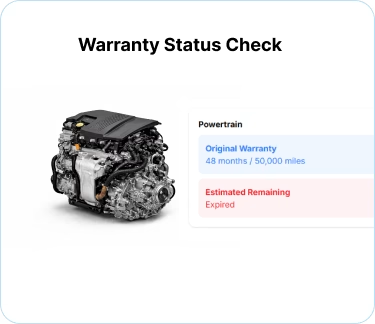
Estimating average mileage or years of service for the 2021 BYD Electric Bus Chassis is complex as it depends heavily on the bus body it supports and its operational duty cycle. However, BYD's electric bus chassis are engineered for durability, with electric powertrains generally offering longer service lives due to fewer moving parts compared to internal combustion engines. Owners can typically expect several hundred thousand miles or over a decade of service with proper maintenance. The LiFePO4 battery packs are designed for numerous charge cycles, often exceeding 3,000 to 5,000 cycles, which translates to a substantial operational lifespan. Long-term durability is a strong suit, with weaknesses primarily related to potential battery degradation over many years or the electronic control systems, rather than mechanical wear. Regular inspections of the electric drivetrain and battery system are crucial.
What Technology & Safety Features are Included?
The 2021 BYD Electric Bus Chassis, as a foundational component for bus manufacturers, integrates advanced technology with a strong emphasis on safety and operational efficiency. Built-in tech includes a sophisticated battery management system (BMS) that optimizes charging, discharging, and thermal management of the battery pack, crucial for longevity and performance. The electric powertrain itself is a key technological feature, providing smooth acceleration and regenerative braking, which contributes to energy recovery and reduced wear on braking components. While dedicated infotainment systems are typically installed by the bus body builder, the chassis provides the electrical architecture to support these. Driver-assistance features are increasingly being integrated into modern electric buses. These can include systems like electronic stability control (ESC), anti-lock braking systems (ABS), and in some advanced configurations, may offer features such as lane departure warnings or automatic emergency braking, depending on the specific integration by the final bus manufacturer. Safety is paramount, and BYD's LiFePO4 battery technology is known for its thermal stability and inherent safety, reducing the risk of thermal runaway. The chassis is designed to meet stringent safety standards for heavy-duty vehicles. Crash-test ratings are not typically provided for bus chassis in isolation; rather, the completed bus vehicle undergoes rigorous testing. BYD chassis are designed with robust structural integrity to contribute to the overall safety of the finished bus. Optional features often revolve around enhanced telematics for fleet management, remote diagnostics, and advanced climate control systems, all powered by the chassis's robust electrical infrastructure.
What Colors Options are Available?
2021 BYD Electric Bus Chassis Prices and Market Value
The new price for a 2021 BYD Electric Bus Chassis can vary significantly, often ranging from $70,000 to over $150,000 USD, depending on battery capacity, motor specifications, and customization for the bus body manufacturer. Used market prices are less common for chassis as standalone units and are more frequently found as part of a completed bus. Depreciation on electric bus chassis is generally slower than on conventional diesel counterparts, especially as fuel costs rise and environmental regulations become stricter. Factors affecting resale value include the remaining battery life, the overall condition of the chassis and electrical components, and the reputation of the bus body builder. Well-maintained units with good battery health will command higher prices. The growing demand for electric public transportation also supports a stronger resale market.
2021 BYD Electric Bus Chassis Cost of Ownership
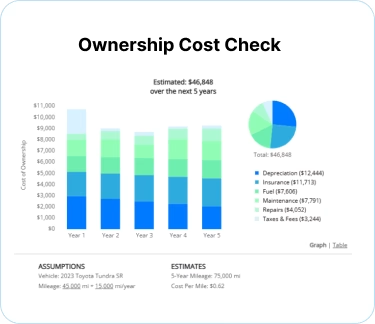
The 2021 BYD Electric Bus Chassis is highly economical to own long-term. While initial insurance premiums might be comparable to or slightly higher than diesel buses due to the advanced technology, the 'fuel' costs (electricity) are substantially lower than diesel. Maintenance costs are significantly reduced due to fewer moving parts in the electric powertrain (no oil changes, fewer filters). Repairs, while potentially specialized, are less frequent for the core powertrain. The overall ownership cost is considerably lower, making it an economically advantageous choice for fleet operators focused on operational savings and reduced environmental impact.
2021 BYD Electric Bus Chassis Fuel Efficiency
Fuel Type
-
Fuel Capacity
-
City Mileage
-
Highway Mileage
-
2021 BYD Electric Bus Chassis Insurance
Insurance for a 2021 BYD Electric Bus Chassis is moderately priced, reflecting its status as a Vehicle with strong safety ratings and
reasonable repair costs.
How Does the 2021 BYD Electric Bus Chassis Compare to Other Vehicle?
The 2021 BYD Electric Bus Chassis competes in a growing market of electric bus chassis manufacturers. Key rivals include chassis from companies like Proterra, New Flyer (which uses various electric drivetrains), Gillig (partnering with manufacturers like Cummins for electric), and established global players such as Yutong and Golden Dragon.
Performance: BYD's electric powertrains are known for their robust torque and smooth acceleration, on par with or exceeding many competitors. Their integrated battery technology, particularly LiFePO4, offers good energy density and thermal stability. Proterra is also a strong performer in this segment.
Features: BYD is a vertically integrated company, meaning they control much of their technology, from batteries to powertrains, which can lead to optimized integration. Features like regenerative braking are standard and highly effective. Competitors also offer advanced features, often with varying degrees of customization by the bus body builder. BYD's strength lies in its established battery expertise.
Reliability: BYD has a strong track record in electric vehicle reliability, particularly with its battery technology. While specific chassis reliability data can be hard to isolate, their overall brand reputation in the EV space is solid. Proterra also boasts good reliability, though some earlier models experienced battery issues. The reliability of any electric bus also depends heavily on the bus body integration and the operating environment.
Price: The pricing of electric bus chassis is a significant factor. BYD often offers competitive pricing due to its large-scale manufacturing and supply chain control. However, exact pricing is highly dependent on battery size and specifications. Proterra and other North American manufacturers may sometimes carry a premium, especially for advanced features or longer range.
Recommendations:
For similar alternatives focusing on established battery technology and competitive pricing, other BYD models or chassis from Chinese manufacturers like Yutong are comparable. If a North American-based manufacturer with a strong service network and potentially more customizable options is preferred, Proterra is a leading alternative. New Flyer and Gillig, while often providing complete buses, also offer electric platforms that are worth considering if purchasing a full bus rather than just a chassis. The 'better' alternative often depends on specific route requirements, desired range, and budget constraints.
Performance: BYD's electric powertrains are known for their robust torque and smooth acceleration, on par with or exceeding many competitors. Their integrated battery technology, particularly LiFePO4, offers good energy density and thermal stability. Proterra is also a strong performer in this segment.
Features: BYD is a vertically integrated company, meaning they control much of their technology, from batteries to powertrains, which can lead to optimized integration. Features like regenerative braking are standard and highly effective. Competitors also offer advanced features, often with varying degrees of customization by the bus body builder. BYD's strength lies in its established battery expertise.
Reliability: BYD has a strong track record in electric vehicle reliability, particularly with its battery technology. While specific chassis reliability data can be hard to isolate, their overall brand reputation in the EV space is solid. Proterra also boasts good reliability, though some earlier models experienced battery issues. The reliability of any electric bus also depends heavily on the bus body integration and the operating environment.
Price: The pricing of electric bus chassis is a significant factor. BYD often offers competitive pricing due to its large-scale manufacturing and supply chain control. However, exact pricing is highly dependent on battery size and specifications. Proterra and other North American manufacturers may sometimes carry a premium, especially for advanced features or longer range.
Recommendations:
For similar alternatives focusing on established battery technology and competitive pricing, other BYD models or chassis from Chinese manufacturers like Yutong are comparable. If a North American-based manufacturer with a strong service network and potentially more customizable options is preferred, Proterra is a leading alternative. New Flyer and Gillig, while often providing complete buses, also offer electric platforms that are worth considering if purchasing a full bus rather than just a chassis. The 'better' alternative often depends on specific route requirements, desired range, and budget constraints.
Final Verdict: Is the 2021 BYD Electric Bus Chassis a Good Vehicle?
The 2021 BYD Electric Bus Chassis is ideal for bus body manufacturers and transit agencies seeking a reliable, efficient, and environmentally friendly platform for their public transportation or commercial vehicle fleets. It is particularly well-suited for urban routes with predictable stopping patterns where regenerative braking can maximize energy recovery. Given the focus on electric powertrains and BYD's established battery technology, it is generally worth buying, especially for operators looking to reduce operating costs and their carbon footprint. New chassis offer the latest technology and full warranty support. When considering used, it's crucial to have the battery health thoroughly assessed. Specific 'trims' are less relevant than the battery capacity and motor configuration chosen by the final bus builder, so evaluating those specifications against operational needs is key.