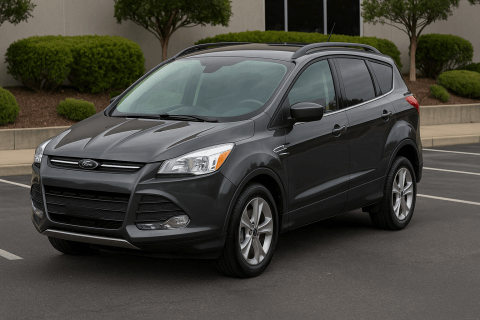
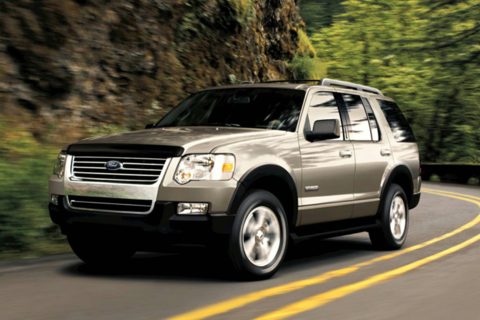
The 1995 Ford Explorer, part of the first generation introduced in 1990, revitalized the SUV market with its car-like ride and practicality. This mid-size SUV was produced through 2001. Popular trims included the XLT, Eddie Bauer, and Sport. Originally priced from around $20,000 to $30,000, it became incredibly popular due to its comfortable interior, available V6 engine, and the brand recognition of Ford, making it a dominant force in its segment.
The Good
The 1995 Explorer offered a smooth ride and comfortable cabin, appealing to families seeking practicality. Its available V6 provided ample power for everyday driving and light towing, while its rugged yet approachable design captured the adventurous spirit of its buyers. It represented solid value for its segment.
The Bad
Owners should be aware of potential issues with the rear differential, transmission problems, and rust, particularly around the wheel wells and rocker panels. Brake wear can also be a concern, and some early models experienced airbag sensor malfunctions.
1995 Ford Explorer: Quick Overview
- Engine Options: The 1995 Ford Explorer was primarily offered with two engine options:
- A 4.0-liter V6 engine.
- An optional 5.0-liter V8 engine (less common in this specific model year, more prevalent in later iterations or specific configurations). - Horsepower:
- The 4.0-liter V6 typically produced around 160 horsepower.
- The 5.0-liter V8, when available, offered approximately 205 horsepower. - Fuel Economy:
- Fuel economy varied depending on the engine and drivetrain (2WD vs. 4WD). For the 4.0L V6, expect combined MPG in the range of 15-17 MPG.
- V8 models would see lower MPG figures. - 0-60 Times:
- With the 4.0L V6, 0-60 mph times were generally in the 9-11 second range.
- V8 models were quicker, often around 8 seconds. - Towing Capacity:
- Towing capacity was a strong suit. Properly equipped models with the V6 engine could tow around 5,000-5,600 pounds.
- V8 equipped models could often tow up to 7,000 pounds. - Trim-Level Features:
- XL: Base model, typically with essential features, manual windows, and basic interior appointments.
- XLT: A popular mid-level trim, often including power windows and locks, upgraded cloth seats, alloy wheels, and a more robust stereo system.
- Eddie Bauer: The premium trim, offering leather upholstery, premium sound system, unique exterior accents, power adjustable seats, and often a sunroof. - Drivetrain: Available in rear-wheel drive (RWD) or four-wheel drive (4WD).
1995 Ford Explorer Specifications
Vehicle Information
| Year | 1995 |
| Make | Ford |
| Model | Explorer |
| Trim | - |
| Style | - |
| Type | Wagon |
| Category | Minivan |
Manufacturing Details
| Made In | United States |
| Manufacturing City | LOUISVILLE |
Dimensions
| Doors | 4-Door |
| Curb Weight | - |
| Gross Vehicle Weight Rating | 16000 pounds |
| Overall Height | - |
| Overall Length | - |
| Overall Width | - |
| Wheelbase Length | - |
| Standard Seating | - |
Engine & Performance
| Engine | 3406 |
| Engine Size | 4L |
| Engine Cylinders | 6 |
| Transmission | - |
| Transmission Type | - |
| Transmission Speeds | - |
| Drivetrain | Four-Wheel Drive |
Additional Features
| Anti-Brake System | - |
| Steering Type | - |
Pricing
| Manufacturer Suggested Retail Price (MSRP) | - |
| Invoice Price | - |
| Delivery Charges | - |
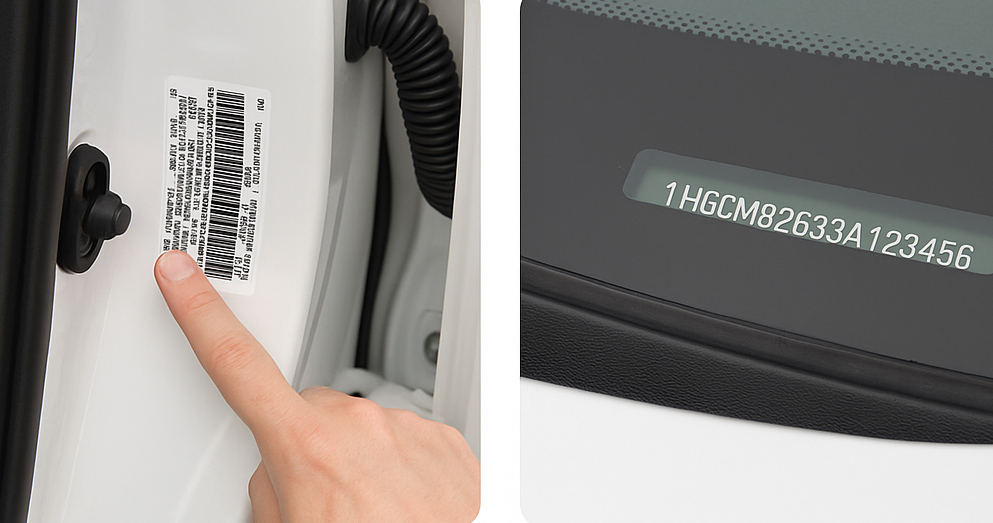
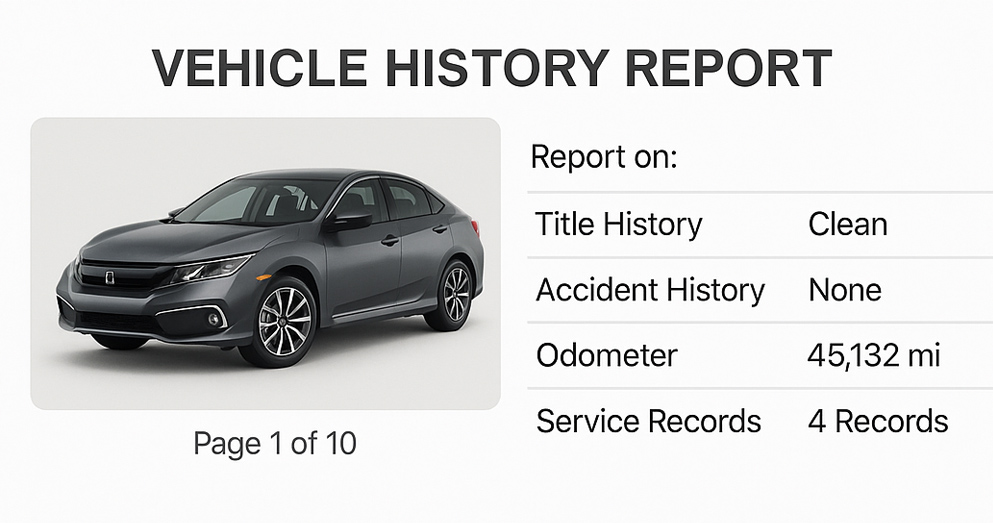
Vehicle History Report
Vehicle
Specifications
Specifications
Ownership
History
History
All History
Events
Events
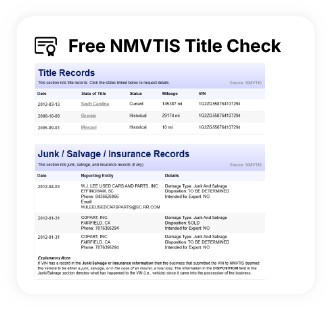
NMVTIS Title
History Check
History Check
Salvage/Rebuilt
Check
Check
Accident
Check
Check
Theft
Check
Check
Open Lien
Check
Check
Past Sale
Listings
Listings
Safety
Recalls
Recalls
Odometer
Check
Check
Market Price
Analysis
Analysis
What Problems Does the 1995 Ford Explorer Have?
The 1995 Ford Explorer, while popular, is not without its known issues. A significant concern for this generation is related to the rear differential, with reports of premature wear and failure, sometimes leading to costly repairs. Transmission issues, including rough shifting and outright failure, have also been frequently cited by owners. These problems can be exacerbated by infrequent fluid changes or heavy use.
Another area of concern is the potential for rust, particularly in rust-belt states. Areas like the rocker panels, wheel wells, and frame can succumb to corrosion over time, compromising structural integrity and safety. For models equipped with anti-lock brakes (ABS), issues with the ABS control module or wheel speed sensors could lead to malfunctioning systems.
While not specific to the 1995 model year, the first-generation Explorer (which includes 1995) faced scrutiny over its rollover tendency, particularly when equipped with a specific type of tire. Though Ford made design changes in later years to address this, it's a historical concern associated with the early models. Regular maintenance, especially fluid changes for the drivetrain and transmission, is crucial for mitigating some of these common problems. Owners should also be vigilant for signs of rust and address them promptly. The 4.0L V6 engine is generally considered robust, but like any older engine, it can develop oil leaks or cooling system problems if not properly maintained.
Another area of concern is the potential for rust, particularly in rust-belt states. Areas like the rocker panels, wheel wells, and frame can succumb to corrosion over time, compromising structural integrity and safety. For models equipped with anti-lock brakes (ABS), issues with the ABS control module or wheel speed sensors could lead to malfunctioning systems.
While not specific to the 1995 model year, the first-generation Explorer (which includes 1995) faced scrutiny over its rollover tendency, particularly when equipped with a specific type of tire. Though Ford made design changes in later years to address this, it's a historical concern associated with the early models. Regular maintenance, especially fluid changes for the drivetrain and transmission, is crucial for mitigating some of these common problems. Owners should also be vigilant for signs of rust and address them promptly. The 4.0L V6 engine is generally considered robust, but like any older engine, it can develop oil leaks or cooling system problems if not properly maintained.
How long will the 1995 Ford Explorer last?
With diligent maintenance, a 1995 Ford Explorer can realistically achieve 200,000 to 250,000 miles or more. Many owners report consistent service life for the engine and transmission if regular fluid changes and basic upkeep are performed. However, the long-term durability is significantly impacted by the aforementioned weaknesses. Rust can shorten its lifespan considerably, especially in harsh climates. Components like the rear differential, brake systems, and suspension can also become points of failure over time and with higher mileage, necessitating proactive maintenance to ensure longevity and avoid unexpected major repairs.
What Technology & Safety Features are Included?
The 1995 Ford Explorer was designed in an era where advanced technology was not as prevalent as it is today. Standard features typically included a basic AM/FM stereo with a cassette player. Optional upgrades often included a CD player and a more premium sound system, particularly in the higher trim levels like Eddie Bauer. Power windows, power door locks, and cruise control were common options that became increasingly standard on higher trims. Climate control was generally manual, though some models might have featured automatic climate control as an option.
Driver-assistance features were virtually non-existent by modern standards. Anti-lock brakes (ABS) were available, and in some cases, standard on certain trims, which was a significant safety feature for the time. This system helped prevent wheel lock-up during hard braking, allowing for steering control. The Explorer came equipped with airbags for the driver and front passenger, which were becoming more common in vehicles during the mid-1990s. Seatbelt pretensioners were also standard to enhance occupant safety in a collision.
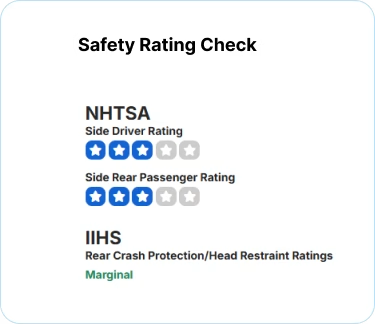
Crash-test ratings for vehicles from this era are often less comprehensive and might not be directly comparable to today's rigorous testing protocols. However, the Explorer was generally considered to offer decent crash protection for its time, particularly in frontal impacts. Side impact protection was less advanced compared to modern SUVs. The overall safety suite was focused on passive safety (airbags, seatbelts) and basic active safety aids like ABS, rather than sophisticated electronic driver aids.
Driver-assistance features were virtually non-existent by modern standards. Anti-lock brakes (ABS) were available, and in some cases, standard on certain trims, which was a significant safety feature for the time. This system helped prevent wheel lock-up during hard braking, allowing for steering control. The Explorer came equipped with airbags for the driver and front passenger, which were becoming more common in vehicles during the mid-1990s. Seatbelt pretensioners were also standard to enhance occupant safety in a collision.
Crash-test ratings for vehicles from this era are often less comprehensive and might not be directly comparable to today's rigorous testing protocols. However, the Explorer was generally considered to offer decent crash protection for its time, particularly in frontal impacts. Side impact protection was less advanced compared to modern SUVs. The overall safety suite was focused on passive safety (airbags, seatbelts) and basic active safety aids like ABS, rather than sophisticated electronic driver aids.
What Colors Options are Available?
1995 Ford Explorer Prices and Market Value
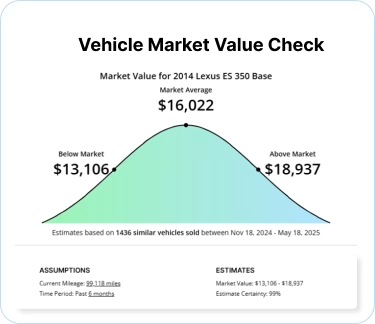
When new, the 1995 Ford Explorer typically ranged from approximately $20,000 for base models to over $30,000 for fully equipped Eddie Bauer trims. Like most vehicles, it experienced significant depreciation in its early years. However, as a used vehicle today, prices for a 1995 Explorer can range widely, from as little as $1,000-$2,000 for vehicles needing extensive work, to $4,000-$7,000 or more for well-maintained examples in popular trims like the XLT or Eddie Bauer with lower mileage. Factors affecting resale value include condition, mileage, maintenance history, rust presence, and trim level. A clean, rust-free Explorer with documented service records will command a higher price.
1995 Ford Explorer Cost of Ownership
Owning a 1995 Ford Explorer can be moderately economical, though costs can escalate with age and mileage. Insurance rates are typically reasonable for a vehicle of this age and class. Fuel costs will depend on engine choice and driving habits; the V6 is more efficient than the V8. Routine maintenance, such as oil changes and fluid flushes, is standard. However, potential repairs for the rear differential, transmission, or rust remediation can be significant, making it potentially costly to own if these issues arise. Overall, itβs not an exceptionally economical vehicle to own due to potential age-related repairs.
1995 Ford Explorer Fuel Efficiency
Fuel Type
Gasoline
Fuel Capacity
-
City Mileage
-
Highway Mileage
-
1995 Ford Explorer Safety Rating
NHTSA
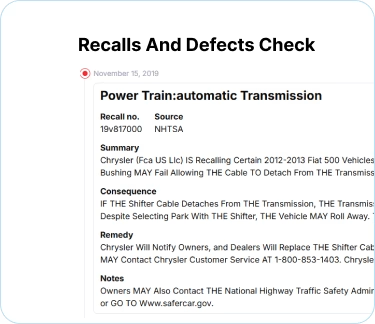
1995 Ford Explorer Recalls & Defects
AIR Bags:frontal
Recall date
1995-02-24
Recall no.
95e006002
Source
NHTSA
Summary
THE Passenger Side AIR BAG HAS AN Inflator Body That Cracked During Forming OF THE Curl That Retains THE Igniter Plug IN THE END OF THE Inflator. Also THE Igniter END CAP CAN Separate From THE Inflator.
Consequence
THE Passenger Side AIR BAG MAY NOT Inflate Properly Resulting IN Reduced Occupant Protection IN A Vehicle Accident. IF THE Igniter END CAP Separates IN A Frontal Collision, HOT Gases CAN BE Released and Ignite Flammable Material or Cause Burn Injuries.
Remedy
Dealers Will Remove and Replace THE Passenger Side AIR BAG Module.
Notes
System: Interior; Passive Restraints; AIR Bag; Passenger. Vehicle Description: Passenger Side AIR BAG IN Passenger Cars, Vans Andmulti-Purpose Vehicles. Note: IF Your Vehicle IS Presented TO AN Authorized Dealer ON AN Agreed Upon Service Date and THE Remedy IS NOT Provided Free OF Charge Within A Reasonable Time, Contact Ford AT 1-800-392-3673. Also Contact THE National Highway Traffic Safety Administration's Auto Safety Hotline AT 1-800-424-9393.
Service Brakes, Hydraulic:foundation Components:hoses, Lines/Piping, and Fittings
Recall date
1995-03-15
Recall no.
95v052000
Source
NHTSA
Summary
IN Some OF THE Vehicles, Brake Tubes Were Misrouted Between THE Master Cylinder and THE Hydraulic Control Unit and Results IN Exceeding THE Allowable Stopping Distances AS Required BY Fmvss NO. 105, "hydraulic Brake Systems." IN Addition, Seals Within THE Master Cylinder Could BE Abraded BY This Condition Over Time Resulting IN AN Internal Leak and A Further Reduction IN Brake Performance.
Consequence
Consequence OF Non-Compliance: Stopping Distances Could BE Longer Than Intended Resulting IN Increased Potential FOR A Vehicle Accident.
Remedy
Dealers Will Reroute THE Brake Tubes.
Notes
System: Brakes; Hydraulic; Lines; Metallic; Fmvss 105.vehicle Description: 2-Door Multi-Purpose Passenger Vehicles. Note: IF Your Vehicle IS Presented TO AN Authorized Dealer ON AN Agreed Upon Service Date and THE Remedy IS NOT Provided Free OF Charge Within A Reasonable Time, Please Contact Ford AT 1-800-392-3673. Also Contact THE National Highway Traffic Safety Administration's Auto Safety Hotline AT 1-800-424-9393.
Steering:linkages:tie ROD Assembly
Recall date
1995-03-15
Recall no.
95v053000
Source
NHTSA
Summary
THE Inner TIE ROD Assemblies Were Improperly Manufactured and CAN Fracture Causing Shaking or Shimmy AT Low Speeds.
Consequence
This Condition CAN Cause THE Wheel ON THE Side With THE Broken TIE ROD TO Tuck Inward or Outward and Slide Resulting IN AN Increased Potential FOR A Vehicle Accident.
Remedy
Dealers Will Inspect THE Inner TIE Rods and Replace THE Suspect TIE Rods.
Notes
System: Steering; Linkages; TIE Rod; Inner.vehicle Description: Multi-Purpose Passenger Vehicles.note: IF Your Vehicle IS Presented TO AN Authorized Dealer ON AN Agreed Upon Service Date and THE Remedy IS NOT Provided Free OF Charge Within A Reasonable Time, Please Contact Ford AT 1-800-392-3673. Also Contact THE National Highway Traffic Safety Administration's Auto Safety Hotline AT 1-800-424-9393.
Structure:body:hatchback/Liftgate:support Device/Strut
Recall date
1996-01-31
Recall no.
95i007000
Source
NHTSA
Summary
Vehicle Description: Multi-Purpose Passenger Vehicles. This IS NOT A Safety Recall IN Accordance With Federal Regulation 573. However, IT IS Deemed A Safety Improvement Campaign BY THE Agency. THE Campaign Will Reinforce THE Bracket Attachments OF THE Rear Liftgate GAS Assist Cylinders Which Could Pull Away From THE Inside OF THE Liftgate.
Consequence
IF A Bracket and GAS Assist Cylinder Were TO Detach Completely From THE Liftgate and NO Longer Bear Against THE Liftgate AS Intended, THE Remaining Assist Cylinder Would NOT Hold THE Liftgate IN AN Open Position. Personal Injury Could Occur.
Remedy
Ford Dealers Will Reinforce THE Bracket Attachments.
Notes
Ford HAS Decided TO Conduct A Safety Improvement Service Campaign TO Reinforce THE Bracket Attachments Without Charge. Owners CAN Contact Ford AT 1-800-392-3673.
Structure:body:hatchback/Liftgate:support Device/Strut
Recall date
1999-11-03
Recall no.
99v310001
Source
NHTSA
Summary
Vehicle Description: ON Certain Sport Utility Vehicles, THE Hydraulic Lift Cylinder Bracket Welds Could Fracture.
Consequence
With A Broken Bracket Weld, There IS A Potential FOR THE Liftgate Bracket TO Gradually Bend Inward Allowing THE Lift Cylinder Ball Stud TO Disengage, Unexpectedly Allowing THE Liftgate TO Fall From AN Open Position.
Remedy
Dealers Will Install Liftgate Reinforcement Brackets. Depending Upon THE Condition OF THE Liftgate Sheet Metal IN THE Area OF THE Bracket, Dealers MAY Also Install A Larger Reinforcement.
Notes
Ford Recall NO. 99s34.owner Notification IS Expected TO Begin During January 2000.owners WHO Take Their Vehicles TO AN Authorized Dealer ON AN Agreed Upon Service Date and DO NOT Receive THE Free Remedy Within A Reasonable Time Should Contact Ford AT 1-800-392-3673.also Contact THE National Highway Traffic Safety Administration's Auto Safety Hotline AT 1-888-dash-2-dot (1-888-327-4236).
Tires:tread/Belt
Recall date
2000-08-21
Recall no.
00t005000
Source
NHTSA
Summary
Tire Description: Firestone Wilderness AT, Size P235/75r15, Produced AT THE Decatur, Illinois Tire Plant and All Firestone Radial ATX and Radial ATX II Tires, Size P235/75r15. Operation OF These Tires AT Low Inflation Pressures, High Speed, and IN HOT Weather, CAN Contribute TO Separation OF THE Tire Tread.
Consequence
IF THE Tread Separates From THE Tire, THE Driver CAN Lose Control OF THE Vehicle, Possibly Resulting IN A Crash Causing Injury or Death.
Remedy
THE Replacement/Reimbursement Program FOR This Campaign Expired ON August 29, 2001. However, Customers Should Contact Firestone Customer Service AT 1-800-465-1904 FOR Possible Assistance.
Notes
Suspension
Recall date
2000-11-28
Recall no.
00v402000
Source
NHTSA
Summary
Vehicle Description: Sport Utility Vehicles. Under Certain Conditions, A Front Sway BAR Link CAN Fracture.
Consequence
Vehicle Handling Could BE Affected, Increasing THE Risk OF A Crash.
Remedy
Dealers Will Replace Both THE Left and Right Front Sway BAR Links.
Notes
Owner Notification Began December 15, 2000. Owners WHO Take Their Vehicles TO AN Authorized Dealer ON AN Agreed Upon Service Date and DO NOT Receive THE Free Remedy Within A Reasonable Time Should Contact Ford AT 1-800-392-3673.also Contact THE National Highway Traffic Safety Administration's Auto Safety Hotline AT 1-888-dash-2-dot (1-888-327-4236).
Tires:tread/Belt
Recall date
2001-05-22
Recall no.
01x001000
Source
NHTSA
Summary
This IS NOT A Safety Recall IN Accordance With THE Safety Act. However, IT IS Deemed A Safety Improvement Campaign BY THE Agency. Equipment Description: Ford IS Replacing All Firestone Wilderness AT 15, 16, and 17 Inch Tires Mounted ON Ford Trucks and Suvs. Ford Reports Tread Separation CAN Occur DUE TO A Combination OF THE Sensitivity OF THE Tire Design TO Stress, Aging, and Manufacturing Differences Between Plants. Ford IS Replacing These Tires TO Prevent Possible Premature Tire Failure. Vehicle Description: THE Vehicles Listed Below MAY Have Been Originally Equipped With Firestone Wilderness AT Tires or MAY Have HAD Wilderness AT Tires Installed During THE Firestone Recall Launched IN August 2000. Certain 1991 Throught 2002 Ford Explorer Certain 2001 Throught 2002 Explorer Sport, and Sport Trac Certain 1997 Through 2002 Mercury Mountaineer Certain 1991 Through 2001 Ranger Certain 1999 Through 2001 Expedition Certain 1991 Through 1994, and 1997 Model Year F-Series Certain 1991 Through 1994 Bronco Note: Both Original Equipment and Replacement Tires ARE Affected.
Consequence
Should THE Tread Separate AT Highway Speeds, A Vehicle Crash Could Occur, Possibly Resulting IN Personal Injury or Death.
Remedy
THE Replacement/Reimbursement Program FOR This Campaign Expired ON March 31, 2002. However, Customers CAN Contact Ford AT 1-877-917-3673 or GO On-line TO Www.ford.com FOR Possible Assistance.
Notes
Exterior Lighting
Recall date
2006-03-23
Recall no.
06e026000
Source
NHTSA
Summary
Certain Pro-A Motors Corner Lamps, Turn Signals, and Headlights Sold AS Replacement Lamps FOR USE ON Certain Passenger Vehicles Listed Above. Some Combination Lamps That ARE NOT Equipped With Amber Side Reflectors Fail TO Conform TO Federal Motor Vehicle Safety Standard NO. 108, Lamps, Reflective Devices, and Associated Equipment.
Consequence
Without THE Amber Reflectors, THE Vehicle Will BE Poorly Illuminated, Possibly Resulting IN A Vehicle Crash Without Warning.
Remedy
Pro-A Motors Will Notify Owners and Offer TO Repurchase THE Lamps. THE Recall Began ON April 3, 2006. Owners MAY Contact Pro-A Motors AT 323-838-2988.
Notes
This Recall Only Pertains TO Pro-A Motors Aftermarket Lamps and HAS NO Relation TO ANY Original Equipment Installed ON THE Listed Passenger Vehicles.for More Information ON THE Lamp Model Numbers, Click ON Document Search and View Document Titled "lamp Model Numbers."customers MAY Contact THE National Highway Traffic Safety Administration's Vehicle Safety Hotline AT 1-888-327-4236 (Tty: 1-800-424-9153); or GO TO Http://Www.safercar.gov.
Exterior Lighting
Recall date
2009-04-07
Recall no.
09e012000
Source
NHTSA
Summary
Sabersport IS Recalling 16,270 Combination Corner and Bumper Lamp Assemblies OF Various Part Numbers Sold FOR USE AS Aftermarket Equipment FOR Various Passenger Vehicles. These Headlamps Fail TO Conform TO THE Requirements OF Federal Motor Vehicle Safety Standard NO. 108, "lamps, Reflective Devices, and Associated Equipment." These Lamps DO NOT Contain THE Required Amber Side Reflectors.
Consequence
Decreased Lighting Visibility MAY Result IN A Vehicle Crash.
Remedy
Sabersport Will Notify Owners and Offer A Full Refund FOR THE Noncompliant Combination Lamps. THE Safety Recall Began ON MAY 11, 2009. Owners MAY Contact Sabersport AT 1-909-598-7589.
Notes
This Recall Only Pertains TO Aftermarket Replacement Equipment and HAS NO Relation TO ANY Original Equipment Installed ON Vehicles Produced BY THE Vehicle Manufacturer.in Order TO Determine IF Your Aftermarket Lamp Assembly IS Affected BY This Noncompliance, Please Review THE List OF Model Numbers Provided TO US BY Sabersport.the List CAN BE Found Under "document Search" Located AT THE Bottom OF Your Screen.owners MAY Also Contact THE National Highway Traffic Safety Administration's Vehicle Safety Hotline AT 1-888-327-4236 (Tty 1-800-424-9153), or GO TO <A Href=http://Www.safercar.gov>http://www.safercar.gov</a> .
Vehicle Speed Control
Recall date
2009-10-13
Recall no.
09v399000
Source
NHTSA
Summary
Ford IS Recalling Model Years 1995-2003 Windstar, 2000-2003 Excursion Diesel, 1993-1997 and 1999-2003 F-250 SD Through F-550 SD Diesel, 1992-2003 E-150 Through E-550, 1995-2002 Explorer, 1997 and 2002 Mercury Mountaineer, 1995-1997 and 2001-2003 Ranger, and 1994 F53 Vehicles Equipped With THE Texas Instruments Speed Control Deactivation Switch (Scds). THE Scds MAY Leak Internally and Then Overheat, Smoke, or Burn.
Consequence
A Vehicle Fire Could Occur With or Without THE Engine Running.
Remedy
Ford Will Notify Owners That Dealers Will Install A Fused Wiring Harness IN Line With THE Scds. ON 1999-2003 Windstar Vehicles With A Leaking Scds, Dealers Will Also Inspect THE ABS Control Module Connector and Repair AS Necessary. Repairs Will BE Completed Free OF Charge. THE Safety Recall Began ON October 27, 2009. Owners MAY Contact Ford AT 1-888-222-2751.
Notes
Ford's Recall Campaign Number IS 09s09.owners MAY Also Contact THE National Highway Traffic Safety Administration's Vehicle Safety Hotline AT 1-888-327-4236 (Tty 1-800-424-9153), or GO TO <A Href=http://Www.safercar.gov>http://www.safercar.gov</a> .
Exterior Lighting:headlights
Recall date
2009-05-11
Recall no.
09e025000
Source
NHTSA
Summary
Dope, Inc. IS Recalling 42,540 Combination Corner and Bumper Lamp Assemblies OF Various Part Numbers Sold FOR USE AS Aftermarket Equipment FOR Various Passenger Vehicles. These Headlamps Fail TO Conform TO THE Requirements OF Federal Motor Vehicle Safety Standard NO. 108, "lamps, Reflective Devices, and Associated Equipment." These Lamps DO NOT Contain THE Required Amber Side Reflectors.
Consequence
Decreased Lighting Visibility MAY Result IN A Vehicle Crash.
Remedy
Dope, Inc. Will Notify Owners and Offer A Full Refund FOR THE Noncompliant Combination Lamps. THE Safety Recall Began ON July 28, 2009. Owners MAY Contact Dope, Inc. AT 1-626-272-1798.
Notes
This Recall Only Pertains TO Aftermarket Replacement Equipment and HAS NO Relation TO ANY Original Equipment Installed ON Vehicles Produced BY THE Vehicle Manufacturer.in Order TO Determine IF Your Aftermarket Lamp Assembly IS Affected BY This Noncompliance, Please Review THE List OF Model Numbers Provided TO US BY Dope, Inc.the List CAN BE Found Under "document Search" Located AT THE Bottom OF Your Screen. Owners MAY Also Contact THE National Highway Traffic Safety Administration's Vehicle Safety Hotline AT 1-888-327-4236 (Tty 1-800-424-9153), or GO TO <A Href=http://Www.safercar.gov>http://www.safercar.gov</a> .
1995 Ford Explorer Insurance
Insurance for a 1995 Ford Explorer is moderately priced, reflecting its status as a Wagon with strong safety ratings and
reasonable repair costs.
How Does the 1995 Ford Explorer Compare to Other Wagon?
The 1995 Ford Explorer competed fiercely in the mid-size SUV segment against vehicles like the Jeep Cherokee, Chevrolet Blazer, and Toyota 4Runner. In terms of performance, the Explorer's V6 offered a good balance of power and refinement, often surpassing the more utilitarian Jeep Cherokee in ride comfort. Its optional V8 provided stronger acceleration, a territory where the Blazer could also compete effectively. The Toyota 4Runner, known for its robust off-road capability and legendary reliability, often lagged behind the Explorer in interior comfort and on-road manners.
Features were a strong point for the Explorer, especially in its higher trims, offering amenities that rivaled some cars. The XLT and Eddie Bauer models provided more creature comforts than many competitors, making them popular choices. Reliability is where the Explorer faced its biggest challenge compared to rivals. While the engine was generally dependable, the transmission and rear differential issues were more prevalent than in the consistently reliable Toyota 4Runner. The Jeep Cherokee, though mechanically simpler, was also known for its durability, albeit with a less refined interior.
Price-wise, the Explorer offered competitive pricing, often providing more features for the money than some rivals, especially when compared to the premium pricing of the 4Runner. Similar alternatives that offer a comparable blend of comfort, capability, and value might include a well-maintained Chevrolet Blazer S-10 (if seeking a smaller option) or a Jeep Grand Cherokee (if seeking more luxury and power, though often at a higher price). For superior long-term reliability, a Toyota 4Runner from the same era is a strong contender, though it may sacrifice some interior refinement and on-road comfort for its ruggedness. If prioritizing a smoother ride and more car-like handling, the Explorer was a good choice, but careful inspection for known issues is paramount.

Features were a strong point for the Explorer, especially in its higher trims, offering amenities that rivaled some cars. The XLT and Eddie Bauer models provided more creature comforts than many competitors, making them popular choices. Reliability is where the Explorer faced its biggest challenge compared to rivals. While the engine was generally dependable, the transmission and rear differential issues were more prevalent than in the consistently reliable Toyota 4Runner. The Jeep Cherokee, though mechanically simpler, was also known for its durability, albeit with a less refined interior.
Price-wise, the Explorer offered competitive pricing, often providing more features for the money than some rivals, especially when compared to the premium pricing of the 4Runner. Similar alternatives that offer a comparable blend of comfort, capability, and value might include a well-maintained Chevrolet Blazer S-10 (if seeking a smaller option) or a Jeep Grand Cherokee (if seeking more luxury and power, though often at a higher price). For superior long-term reliability, a Toyota 4Runner from the same era is a strong contender, though it may sacrifice some interior refinement and on-road comfort for its ruggedness. If prioritizing a smoother ride and more car-like handling, the Explorer was a good choice, but careful inspection for known issues is paramount.

Final Verdict: Is the 1995 Ford Explorer a Good Wagon?
The 1995 Ford Explorer is ideal for budget-conscious buyers seeking a versatile SUV for light family duty, commuting, and occasional hauling or towing. It's worth buying cautiously, primarily in the used market, provided a thorough pre-purchase inspection is conducted. Buyers should prioritize well-maintained examples, ideally with documented service history, and be prepared for potential age-related repairs. Specific trims like the XLT or Eddie Bauer offer more comfort and features, enhancing the ownership experience. It is not recommended for those seeking bulletproof reliability or low maintenance costs without a willingness to address potential issues proactively. Buying a well-inspected, lower-mileage example is key to a positive ownership experience.