The 2001 Honda XR70R is a compact, off-road motorcycle designed for recreational trail riding and beginner motocross enthusiasts. As part of Honda's XR line, known for its durability, it was produced for several years, with the 2001 model being a popular choice. Its single trim level and accessible pricing made it a go-to for young riders and families. Its popularity stems from Honda's reputation for reliability and ease of use, making it a confidence-builder for new riders.

The Good
The 2001 Honda XR70R excels in its approachable performance, legendary Honda reliability, and comfortable, confidence-inspiring ride. Its simple, robust design and excellent value make it a practical choice, while its fun factor and ease of learning appeal to the emotional side of riders seeking adventure.
The Bad
Potential weaknesses for the 2001 Honda XR70R include its relatively modest power output, which can be a limitation for experienced riders or challenging terrain. The suspension, while adequate for its purpose, is not performance-oriented. Buyers should also inspect for signs of hard use and ensure regular maintenance has been performed.
2001 Honda XR70R: Quick Overview
- Engine: 69cc air-cooled, four-stroke, SOHC
- Bore x Stroke: 47.0mm x 41.4mm
- Compression Ratio: 8.3:1
- Induction: Carburetor, 18mm constant velocity
- Ignition: CDI
- Horsepower: Approximately 6-7 hp (estimated, specific figures not readily published for this class)
- Torque: Not officially published
- Fuel Economy: Highly dependent on riding conditions, but generally excellent due to small engine size and dedicated use; typically measured in hours of operation per tank rather than MPG.
- 0-60 Times: Not applicable for this type of off-road vehicle.
- Top Speed: Approximately 30-35 mph, depending on rider weight and terrain.
- Transmission: 4-speed manual clutch
- Clutch: Wet multi-plate
- Drive Train: Chain drive
- Suspension (Front): Telescopic fork, 4.7 inches travel
- Suspension (Rear): Pro-Link single shock, 5.2 inches travel
- Brakes (Front): Drum
- Brakes (Rear): Drum
- Tires (Front): 2.50-14
- Tires (Rear): 3.00-12
- Wheelbase: 46.1 inches
- Seat Height: 26.5 inches
- Ground Clearance: 8.1 inches
- Fuel Capacity: 1.1 gallons
- Dry Weight: 159 lbs
- Key Trims/Features: The 2001 XR70R was offered in a single, standard trim. Key features include its durable steel frame, electric starter (a significant convenience for younger riders), Honda's renowned reliability, low seat height for ease of control, and easy-to-use clutch and shifter. It was designed with simplicity and rider confidence as primary objectives.
2001 Honda XR70R Specifications
Vehicle Information
| Year | 2001 |
| Make | Honda |
| Model | XR70R |
| Trim | - |
| Style | - |
| Type | Motorcycle |
| Category | Motorcycle |
Manufacturing Details
| Made In | Japan |
| Manufacturing City | KUMAMOTO |
Dimensions
| Doors | - |
| Curb Weight | - |
| Gross Vehicle Weight Rating | - |
| Overall Height | - |
| Overall Length | - |
| Overall Width | - |
| Wheelbase Length | - |
| Standard Seating | - |
Engine & Performance
| Engine | 72CC |
| Engine Size | 72L |
| Engine Cylinders | - |
| Transmission | - |
| Transmission Type | - |
| Transmission Speeds | - |
| Drivetrain | - |
Additional Features
| Anti-Brake System | - |
| Steering Type | - |
Pricing
| Manufacturer Suggested Retail Price (MSRP) | - |
| Invoice Price | - |
| Delivery Charges | - |
Vehicle History Report
Vehicle
Specifications
Specifications
Ownership
History
History
All History
Events
Events
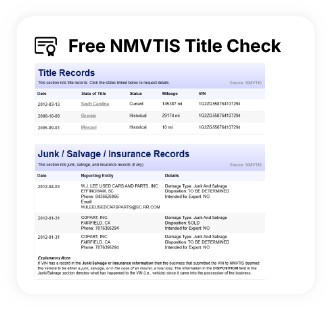
NMVTIS Title
History Check
History Check
Salvage/Rebuilt
Check
Check
Accident
Check
Check
Theft
Check
Check
Open Lien
Check
Check
Past Sale
Listings
Listings
Safety
Recalls
Recalls
Odometer
Check
Check
Market Price
Analysis
Analysis
What Problems Does the 2001 Honda XR70R Have?
The 2001 Honda XR70R, like most Honda motorcycles, is generally known for its robust build quality and long-term reliability. However, being an off-road machine intended for younger or less experienced riders, some issues can arise primarily due to usage patterns and maintenance rather than inherent design flaws.
One common area of concern, especially with older, used models, is the carburetor. Over time, especially if the bike has sat for extended periods with fuel in it, the carburetor can become gummed up and require cleaning or rebuilding. This can lead to starting issues or poor running conditions.
The clutch mechanism, while durable, can experience wear over thousands of hours of use, particularly if riders engage it roughly or slip it excessively. This might manifest as a clutch that doesn't fully disengage or that slips under load.
The drum brakes, while simple and effective for the XR70R's intended use, can lose stopping power if they become contaminated with grease or mud, or if the brake shoes are worn down. Regular cleaning and adjustment are important for maintaining their performance.
The electric starter system, while a great convenience, is an electrical component that can be a point of failure over many years. Issues with the starter motor, solenoid, or battery connections can occur, though these are typically repairable.
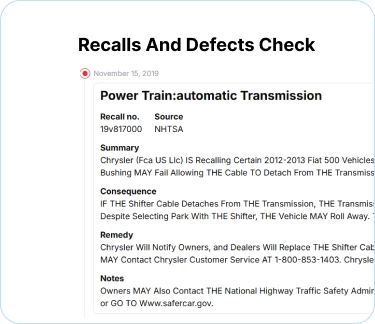
Regarding recalls, Honda has a history of issuing recalls for safety-related defects. For the XR70R, specific widespread recalls that are frequently cited for the 2001 model year are not prominent in general owner discussions. However, it is always advisable to check with a Honda dealer or the NHTSA website for any outstanding recalls that may apply to a specific VIN.
Long-term reliability is excellent if the bike is maintained. Regular oil changes, air filter cleaning, chain lubrication, and proper pre-ride checks are crucial. Neglect is the biggest enemy of any off-road vehicle, and the XR70R is no exception. With proper care, these bikes can last for many years and provide reliable fun.
One common area of concern, especially with older, used models, is the carburetor. Over time, especially if the bike has sat for extended periods with fuel in it, the carburetor can become gummed up and require cleaning or rebuilding. This can lead to starting issues or poor running conditions.
The clutch mechanism, while durable, can experience wear over thousands of hours of use, particularly if riders engage it roughly or slip it excessively. This might manifest as a clutch that doesn't fully disengage or that slips under load.
The drum brakes, while simple and effective for the XR70R's intended use, can lose stopping power if they become contaminated with grease or mud, or if the brake shoes are worn down. Regular cleaning and adjustment are important for maintaining their performance.
The electric starter system, while a great convenience, is an electrical component that can be a point of failure over many years. Issues with the starter motor, solenoid, or battery connections can occur, though these are typically repairable.
Regarding recalls, Honda has a history of issuing recalls for safety-related defects. For the XR70R, specific widespread recalls that are frequently cited for the 2001 model year are not prominent in general owner discussions. However, it is always advisable to check with a Honda dealer or the NHTSA website for any outstanding recalls that may apply to a specific VIN.
Long-term reliability is excellent if the bike is maintained. Regular oil changes, air filter cleaning, chain lubrication, and proper pre-ride checks are crucial. Neglect is the biggest enemy of any off-road vehicle, and the XR70R is no exception. With proper care, these bikes can last for many years and provide reliable fun.
How long will the 2001 Honda XR70R last?
Estimating precise mileage for an off-road motorcycle like the 2001 Honda XR70R is challenging as they are typically measured in hours of use rather than miles. However, based on owner data and typical usage for recreational riding, a well-maintained XR70R can easily see 10-15 years of service or more. Its engine is designed for durability, and Honda's reputation for longevity holds true. Long-term durability is excellent if regular maintenance, such as oil changes, air filter cleaning, and chain adjustments, is performed diligently. Weaknesses that may emerge over time are typically related to wear and tear on components like the clutch, suspension seals, or carburetor, which are generally expected and repairable. The frame and core engine components are known for their resilience.
What Technology & Safety Features are Included?
The 2001 Honda XR70R is a purpose-built off-road motorcycle, and as such, its focus on technology, entertainment, and advanced safety features is minimal to non-existent. This is by design, to keep the vehicle lightweight, simple, and reliable for its intended use.
Technology: The primary technological feature is its electric starter, which was a significant convenience compared to older kick-start-only models, making it more accessible for younger riders. Beyond that, its technology is purely mechanical: a four-stroke engine with an overhead camshaft (SOHC), a simple carburetor for fuel delivery, and a CDI ignition system. There are no onboard computers, diagnostic ports, or complex electronic systems.
Entertainment: Entertainment on the XR70R is derived solely from the riding experience itself. There are no audio systems, displays, or connectivity features. The thrill of trail riding and mastering the machine is the sole source of amusement.
Driver-Assistance Features: As a motorcycle, there are no driver-assistance features in the conventional automotive sense. The rider is fully in control and responsible for all aspects of operation. Features like ABS, traction control, or stability control are not present.
Safety Features: Safety on the XR70R is primarily dependent on the rider's skill and protective gear. The motorcycle itself features drum brakes front and rear, which are adequate for its performance capabilities. The design emphasizes a low seat height and balanced handling to promote rider confidence and control, which are fundamental safety aspects for its target audience. There are no airbags or passive safety systems.
Optional Features: Optional accessories typically focus on enhancing the riding experience or protection, such as aftermarket exhaust systems for slightly more power, skid plates for underbody protection, or different handlebar setups. However, these are not integrated technological options.
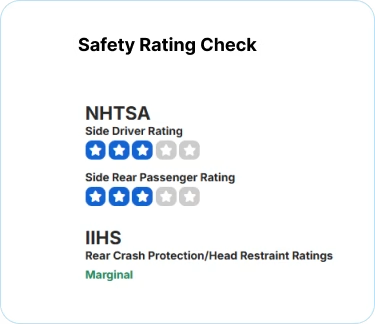
Crash-Test Ratings: Motorcycles are not subjected to crash-testing in the same way as cars, and therefore, there are no crash-test ratings available for the 2001 Honda XR70R. Safety in this category is a matter of rider skill, protective equipment, and the inherent stability and predictability of the machine.
Technology: The primary technological feature is its electric starter, which was a significant convenience compared to older kick-start-only models, making it more accessible for younger riders. Beyond that, its technology is purely mechanical: a four-stroke engine with an overhead camshaft (SOHC), a simple carburetor for fuel delivery, and a CDI ignition system. There are no onboard computers, diagnostic ports, or complex electronic systems.
Entertainment: Entertainment on the XR70R is derived solely from the riding experience itself. There are no audio systems, displays, or connectivity features. The thrill of trail riding and mastering the machine is the sole source of amusement.
Driver-Assistance Features: As a motorcycle, there are no driver-assistance features in the conventional automotive sense. The rider is fully in control and responsible for all aspects of operation. Features like ABS, traction control, or stability control are not present.
Safety Features: Safety on the XR70R is primarily dependent on the rider's skill and protective gear. The motorcycle itself features drum brakes front and rear, which are adequate for its performance capabilities. The design emphasizes a low seat height and balanced handling to promote rider confidence and control, which are fundamental safety aspects for its target audience. There are no airbags or passive safety systems.
Optional Features: Optional accessories typically focus on enhancing the riding experience or protection, such as aftermarket exhaust systems for slightly more power, skid plates for underbody protection, or different handlebar setups. However, these are not integrated technological options.
Crash-Test Ratings: Motorcycles are not subjected to crash-testing in the same way as cars, and therefore, there are no crash-test ratings available for the 2001 Honda XR70R. Safety in this category is a matter of rider skill, protective equipment, and the inherent stability and predictability of the machine.
What Colors Options are Available?
2001 Honda XR70R Prices and Market Value
When new, the 2001 Honda XR70R was an entry-level off-road motorcycle with a manufacturer's suggested retail price (MSRP) typically in the range of $1,500 to $1,800 USD. Due to its age and classification as an off-road-only vehicle, it is only available on the used market. Current used prices can vary significantly, ranging from $400 to $1,200 or more, depending heavily on condition, maintenance history, and location.
Depreciation on these models has been relatively gentle in the context of their initial price and intended use, especially for well-maintained examples. Factors affecting resale value include:
- Condition: Overall mechanical and cosmetic condition is paramount. Bikes with original parts, clean plastics, and no major damage command higher prices.
- Maintenance: A documented service history or clear evidence of regular maintenance significantly boosts value.
- Modifications: While some minor, performance-enhancing modifications might be acceptable, extensive or poorly executed mods can detract from value.
- Originality: Keeping the bike as close to its original state as possible generally increases its appeal to collectors and new riders seeking an unmolested example.
- Market Demand: Demand can fluctuate based on season and local interest in off-road riding.
2001 Honda XR70R Cost of Ownership
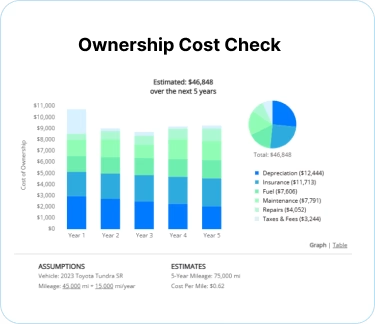
The 2001 Honda XR70R is exceptionally economical to own. Insurance is typically not required for off-road vehicles unless specifically for theft protection. Fuel costs are minimal due to its small 69cc engine and infrequent use between fill-ups, consuming very little gasoline. Maintenance is straightforward and relatively inexpensive; regular oil changes, chain lubrication, and air filter cleaning are the primary needs. Repair costs are generally low, as most parts are affordable and readily available, and the simple design makes DIY repairs feasible. Overall, this motorcycle is very cost-effective to own, offering great value for recreational riding with minimal financial burden.
2001 Honda XR70R Fuel Efficiency
Fuel Type
Gasoline
Fuel Capacity
-
City Mileage
-
Highway Mileage
-
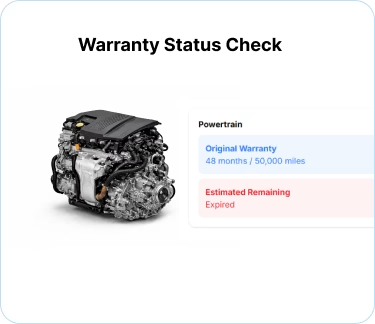
2001 Honda XR70R Warranty
Basic
Original warranty
0 months / No data
Estimated remaining
Expired
Powertrain
Original warranty
0 months / No data
Estimated remaining
Expired
Rust
Original warranty
0 months / No data
Estimated remaining
Expired
2001 Honda XR70R Insurance
Insurance for a 2001 Honda XR70R is moderately priced, reflecting its status as a Motorcycle with strong safety ratings and
reasonable repair costs.
How Does the 2001 Honda XR70R Compare to Other Motorcycle?
The 2001 Honda XR70R occupies a niche as an entry-level, beginner-friendly off-road motorcycle. Its primary rivals from the same era include models like the Kawasaki KX65, Yamaha TT-R70/TT-R90, and Suzuki JR70.
Performance: Compared to its rivals, the XR70R often offered a slightly more mellow power delivery and a more relaxed riding position, prioritizing ease of use over outright speed or aggressive handling. The Kawasaki KX65, for instance, was a more performance-oriented, two-stroke machine aimed at more experienced young riders seeking competitive motocross performance. The Yamaha TT-R models often shared a similar four-stroke philosophy, offering comparable ease of use and reliability.
Features: Key features like the electric starter on the XR70R were a significant advantage for beginners, a feature not always standard on all competitors. The XR70R's simplicity was also a feature; fewer complex parts meant less to go wrong. Competitors might have offered slightly more suspension travel or disc brakes on higher-end versions, but the XR70R excelled in its basic, user-friendly package.
Reliability: Honda's reputation for rock-solid reliability is a major selling point for the XR70R. While all brands in this class generally produced durable machines, Honda consistently stood out. The four-stroke engine of the XR70R was known for its longevity and lower maintenance demands compared to the more performance-focused, high-strung two-strokes like the KX65.
Price: When new, the XR70R was competitively priced within its segment, offering excellent value. On the used market, its price point generally reflects its robust build and brand reputation, often holding its value well.
Alternatives:
For a beginner or recreational rider prioritizing ease of use and dependability, the 2001 Honda XR70R remains an excellent choice. If more power or competitive capabilities are desired, a step up to a KX65 or a larger displacement bike would be recommended.
Performance: Compared to its rivals, the XR70R often offered a slightly more mellow power delivery and a more relaxed riding position, prioritizing ease of use over outright speed or aggressive handling. The Kawasaki KX65, for instance, was a more performance-oriented, two-stroke machine aimed at more experienced young riders seeking competitive motocross performance. The Yamaha TT-R models often shared a similar four-stroke philosophy, offering comparable ease of use and reliability.
Features: Key features like the electric starter on the XR70R were a significant advantage for beginners, a feature not always standard on all competitors. The XR70R's simplicity was also a feature; fewer complex parts meant less to go wrong. Competitors might have offered slightly more suspension travel or disc brakes on higher-end versions, but the XR70R excelled in its basic, user-friendly package.
Reliability: Honda's reputation for rock-solid reliability is a major selling point for the XR70R. While all brands in this class generally produced durable machines, Honda consistently stood out. The four-stroke engine of the XR70R was known for its longevity and lower maintenance demands compared to the more performance-focused, high-strung two-strokes like the KX65.
Price: When new, the XR70R was competitively priced within its segment, offering excellent value. On the used market, its price point generally reflects its robust build and brand reputation, often holding its value well.
Alternatives:
- Yamaha TT-R70/TT-R90: Very similar in concept and target audience, offering comparable reliability and ease of use. The TT-R90 offered a slightly larger engine.
- Suzuki JR70: Another solid competitor in the mini-bike segment, though perhaps less commonly found than Honda or Yamaha.
- Kawasaki KX65: If the rider is looking for a more aggressive, competitive motocross experience and has some prior riding experience, the KX65 is a strong contender, though it's a more demanding machine.
- KTM 50/65 SX: For those seeking premium European performance, KTM offered models that were generally more expensive but offered higher-end components and race-bred performance.
For a beginner or recreational rider prioritizing ease of use and dependability, the 2001 Honda XR70R remains an excellent choice. If more power or competitive capabilities are desired, a step up to a KX65 or a larger displacement bike would be recommended.
Final Verdict: Is the 2001 Honda XR70R a Good Motorcycle?
The 2001 Honda XR70R is ideally suited for young, beginner riders who are new to off-road motorcycling. Its low seat height, electric start, user-friendly controls, and Honda's legendary reliability make it an excellent platform for learning to ride and developing essential skills. It is absolutely worth buying for this demographic, especially if found in good condition.
Given its age, buying new is not an option; the value lies exclusively in the used market. When purchasing, prioritize well-maintained examples. Look for bikes with clean plastics, a responsive engine, functional brakes, and no obvious signs of neglect or damage from overly aggressive riding. For its intended purpose of learning and recreational trail riding, a well-cared-for XR70R offers exceptional value and a fantastic entry into the world of off-road adventure. It represents a reliable, economical, and confidence-inspiring choice for novice riders and their parents.