Build Sheet by VIN: Check Factory Options and Equipment
Enter the complete 17-character VIN to review available factory configuration and equipment details.
Use a build sheet by VIN to identify available original factory details such as trim, engine, transmission, drivetrain, paint, interior, axle, packages, option codes, safety equipment and installed features.
The VIN itself encodes only part of the vehicle’s identity. A detailed vehicle build sheet depends on manufacturer-linked data, option records or other configuration sources, so coverage varies by brand, model year and market.
What Is a Build Sheet by VIN?
A build sheet by VIN is a vehicle-specific factory-configuration record. It can help identify how the vehicle was originally assembled, including available trim, powertrain, colors, option codes, packages and installed equipment.
The term can refer to several related records: a factory build record, broadcast sheet, equipment list, data card, sales-code list or decoded manufacturer configuration. The exact name and level of detail vary by automaker and era.
For used-car buyers, the value is straightforward: the build sheet helps separate original factory equipment from seller claims, cosmetic badges and later modifications.
What the VIN Encodes and What Requires Manufacturer Data
The 17-character VIN identifies the manufacturer, vehicle attributes, model year, assembly plant and individual production sequence. It does not directly spell out every factory option, package, color or accessory.
Decoded From the VIN
Manufacturer, vehicle type, model year, plant, serial sequence and selected manufacturer-defined attributes.
Retrieved From Manufacturer Records
Trim, paint, interior, engine variant, transmission, axle, packages, individual option codes and installed equipment when exposed by the source.
Confirmed on the Vehicle
Current wheels, tires, accessories, modifications, removed equipment, replacement components and actual condition.
Accuracy rule: Treat “VIN decoder” results and “factory build sheet” results as different layers. A basic public decoder may identify the vehicle correctly without having access to the complete option list.
What Can a Vehicle Build Sheet Show?
Identity and Production
Year, make, model, series, trim, body, plant, production date, sequence and destination when available.
Engine and Transmission
Engine family, displacement, output, fuel, transmission type, gearbox code and powertrain variant.
Drivetrain and Axles
FWD, RWD, AWD, 4WD, transfer case, axle code, ratio, differential, suspension and brake configurations.
Paint and Interior
Exterior paint code, interior trim code, upholstery, seat type, headliner, trim finish and color combinations.
Packages and Options
Technology, safety, appearance, sport, luxury, winter, off-road, towing, convenience and other factory groups.
Wheels, Tires and Exterior
Wheel style or size, tire specification, lighting, roof equipment, mirrors, steps, rails and exterior accessories.
Interior and Technology
Audio, navigation, screens, connectivity, climate control, seats, cameras, driver-assistance and comfort equipment.
Safety and Compliance
Airbags, restraints, braking systems, stability control, selected ADAS equipment, market specification and labels.
How to Get a Build Sheet by VIN for Free
Find the VIN
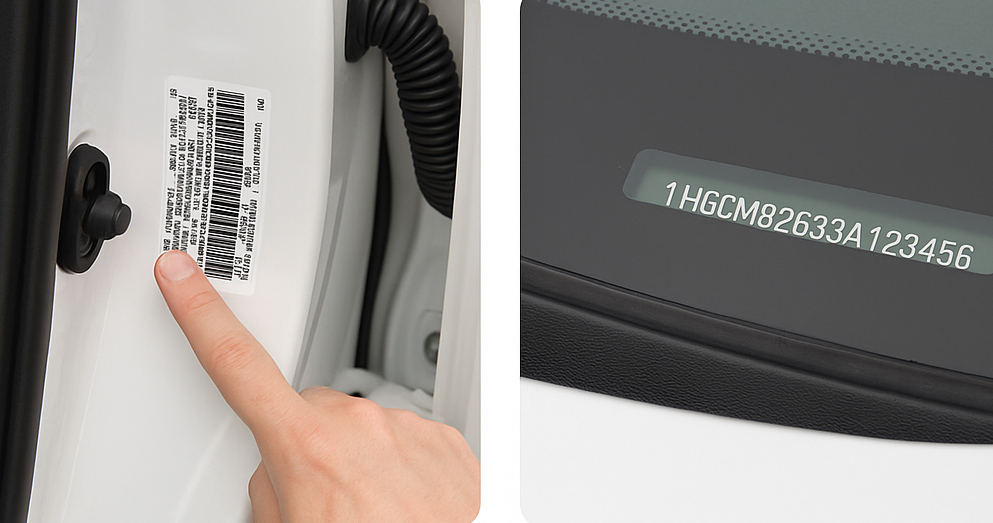
Use the dashboard, driver-side certification label, title, registration, insurance card or listing.
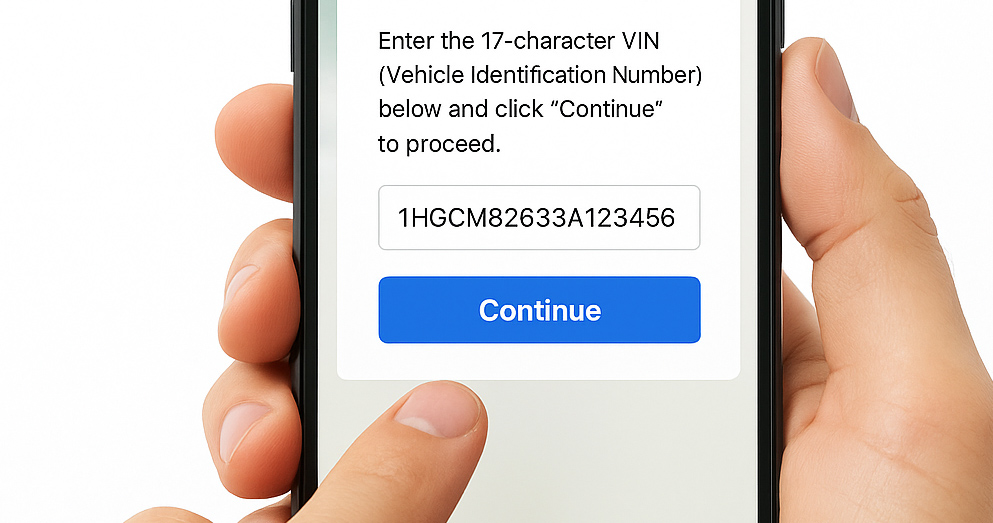
Enter All 17 Characters
Copy the complete VIN without spaces or punctuation and double-check every character.
Review Factory Details
Check the available trim, powertrain, colors, packages, option codes, equipment and production information.
Verify the Vehicle
Compare the results with labels, documents, manufacturer records, seller claims and the physical vehicle.
Build Sheet vs Window Sticker, VIN Decoder and Vehicle History Report
| Record or tool | Main purpose | Typical information |
|---|---|---|
| VIN Decoder | Identify the vehicle and interpret standardized VIN positions. | Manufacturer, year, make, model, body, engine, plant and other reported attributes. |
| Vehicle Specifications by VIN | Organize technical and capability information. | Engine, transmission, drive, dimensions, weight, fuel, seating, safety and manufacturing details. |
| Build Sheet or Factory Build Record | Document the individual vehicle’s original configuration. | Trim, option codes, paint, interior, powertrain, axle, packages, installed equipment and production details. |
| Window Sticker or Monroney Label | Present new-vehicle information to a retail buyer. | MSRP, standard and optional equipment, option prices, destination, fuel economy, safety information and other disclosures. |
| Dealer Invoice | Show dealer-order and pricing information. | Vehicle, packages, options, invoice prices, destination, incentives or ordering information depending on the record. |
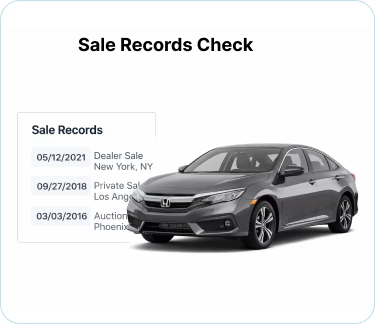
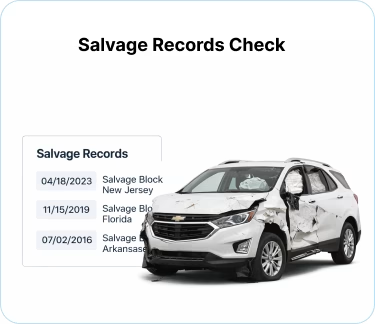
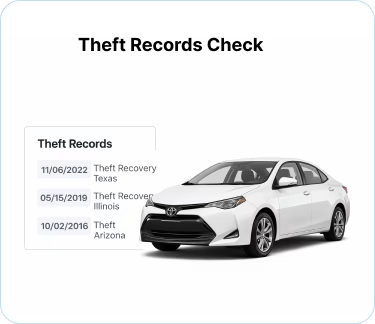
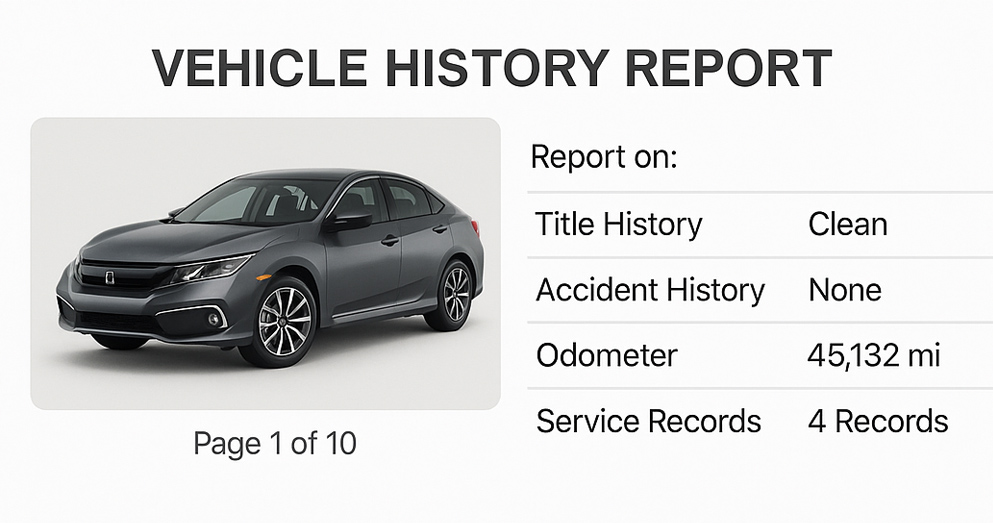
| Vehicle History Report | Research events after production. | Available title, theft, accident, mileage, salvage, lien, sale, auction, recall and ownership records. |
Factory Option Codes and Manufacturer Terminology
Automakers use different names and code systems for factory equipment. The build sheet is most useful when the codes are translated into readable descriptions.
GM Regular Production Option Codes
GM vehicles use RPO codes for engines, transmissions, axles, colors, suspension, packages and other equipment. The code label or manufacturer record can help verify the configuration.
Chrysler, Dodge, Jeep and Ram
Mopar and Stellantis build records commonly organize equipment by sales codes and package descriptions linked to the VIN.
Volkswagen Group Equipment Codes
Volkswagen, Audi and related brands use PR codes to identify equipment, brakes, suspension, drivetrain and option configurations.
European Manufacturer Data Cards
Some European brands use data cards, equipment lists or order codes for paint, interior, engine, gearbox, market and installed options.
Code caution: The same-looking code can mean different things across brands or model years. Decode option codes with a source specific to the manufacturer and vehicle.
How to Find Official Build Data by Manufacturer
Ford and Lincoln
Ford identifies the door-jamb label, window sticker, build sheet or Marti Report, and VIN decode letter as possible specification sources depending on the vehicle year.
Toyota and Lexus
Toyota’s owner specification tool can return VIN-linked vehicle information such as year, color, technical specifications and factory- or port-installed equipment for supported vehicles.
Chrysler, Dodge, Jeep and Ram
Look for a manufacturer or dealer equipment listing, build record or sales-code report tied to the VIN. Coverage depends on model year and system access.
Chevrolet, GMC, Buick and Cadillac
Use the RPO label, original window sticker, owner portal, dealer parts system or manufacturer build data to identify packages and component codes.
BMW, Mercedes-Benz and European Brands
Manufacturer or specialist data cards and equipment lists may show order codes, paint, upholstery, drivetrain and factory options. Market and model-year coverage varies.

Classic and Collector Vehicles
Manufacturer archives, heritage certificates, club records, specialist reports, data plates, door tags and surviving paper build sheets may be necessary.
Sample VIN Build Sheet Layout
The example below shows how factory configuration information may be organized. It is illustrative and does not describe a particular VIN.
| Category | Example build data | How to use it |
|---|---|---|
| Vehicle identity | 2022 Example Motors Utility, Premium AWD | Compare the year, model, body and trim with the listing and title. |
| Engine | 2.0L turbocharged inline-four, engine code ABC | Confirm parts, maintenance, emissions and performance configuration. |
| Transmission and drive | 8-speed automatic, all-wheel drive | Verify the gearbox, transfer system and drivetrain-specific service parts. |
| Exterior and interior | Paint code XYZ, black leather interior | Check originality, repainting, replacement panels and listing accuracy. |
| Factory packages | Technology, towing and cold-weather packages | Verify value-impacting features and the equipment expected from each package. |
| Individual options | Adaptive cruise, premium audio, panoramic roof, 20-inch wheels | Confirm that the equipment remains installed and operates correctly. |
| Production | Plant, production date and sequence | Support manufacturer, parts, recall and collector research. |
Why Check a Car Build Sheet Before Buying?
Verify Trim and Packages
Confirm whether the vehicle was genuinely built with the premium, towing, off-road, technology or safety package being advertised.
Identify Listing Errors
Detect copied descriptions, incorrect badges, wrong engine claims, missing features or a mistaken trim selection.
Support Price Research
Factory options can affect desirability and value, but the final price still depends on condition, mileage, history and local demand.
Order Correct Parts
Use engine, transmission, axle, suspension, brake, wheel and option codes to narrow compatibility.
Plan Restoration Work
Compare current paint, interior, drivetrain and equipment with the original configuration when restoring a collector vehicle.
Document a Sale
A readable equipment list can help a seller explain the factory configuration without relying only on badges or memory.
Build Sheet Mismatches and Red Flags
Using a Build Sheet for Parts, Towing and Vehicle Value
| Use | Helpful build-sheet fields | Final verification |
|---|---|---|
| Parts and repairs | Engine, transmission, axle, brake, suspension, electrical, wheel and option codes. | OEM parts catalog, VIN-specific dealer system, existing part number and professional fitment check. |
| Towing and payload | Engine, drive, axle ratio, cooling, hitch, wheelbase, cab and towing package. | Certification label, tire-and-loading label, owner’s manual and manufacturer towing guide. |
| Insurance and appraisal | Trim, powertrain, safety technology, packages, original equipment and collector specifications. | Current condition, modifications, title history, mileage, documentation and market evidence. |
| Resale and listing | Original trim, colors, packages, option codes and installed features. | Confirm that each advertised feature remains installed and works. |
Digital Build Records and Physical Broadcast Sheets
Build Sheet Coverage and Accuracy Limitations
No free build sheet tool can guarantee the complete original option list for every VIN. Manufacturer access, model year, market, archive quality, source licensing and option-code translation all affect the result.
Why Data May Be Missing
- The manufacturer does not expose complete build data.
- The vehicle is older, imported, low-volume or pre-standard.
- The source has specifications but not individual option codes.
- The VIN was entered incorrectly or the model year is unsupported.
- The digital archive does not include the original production record.
Why the Vehicle May Look Different
- Dealer-installed accessories were added before delivery.
- Parts, engine, transmission, interior or body panels were replaced.
- Aftermarket modifications changed the original configuration.
- A package description was copied incorrectly into a listing.
- The build record belongs to a mistyped or cloned VIN.
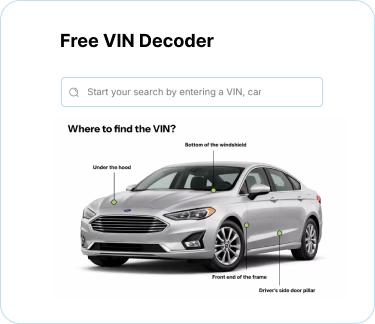
Where to Find the VIN
Use the full 17-character VIN and compare it across the vehicle and official documents.

Mismatch warning: If the VIN on the dashboard, certification label, frame, title, registration or seller documents does not match, stop and verify the vehicle before paying.
Official Vehicle Build and Specification Resources
NHTSA VIN Decoder
Use the federal decoder for manufacturer-reported VIN identity, specifications, plant and country information. NHTSA notes that the displayed data is reported by the manufacturer.
Ford Vehicle Specification Sources
Ford explains how its door label, window sticker, build sheet or Marti Report and VIN decode letters can provide different vehicle details.
Toyota Vehicle Specifications
Toyota’s VIN tool can provide supported vehicle specifications, color and factory- or port-installed equipment.
EPA Fuel-Economy Labels
EPA explains the fuel-economy information presented on new-vehicle window stickers and provides comparison resources for vehicle configurations.
Manufacturer Owner Portal or Dealer
Request a VIN-specific equipment list, build record, option codes, original window sticker or dealer configuration printout when supported.
Certification, Paint and Option Labels
Use the physical labels to verify manufacture date, paint, trim, axle, transmission, tires, weights and other manufacturer-specific codes.
Build Sheet by VIN Frequently Asked Questions
What is a build sheet by VIN?
A build sheet by VIN is a vehicle-specific record or report that identifies the original factory configuration when available. It may include trim, engine, transmission, drivetrain, paint, interior, axle, packages, option codes, installed equipment, plant, production date and related specifications.
Is the VinCheck.info build sheet lookup free?
Yes. You can enter a VIN and review the available free vehicle and factory-configuration information without creating an account or entering an email address or credit card.
Does the VIN itself contain every factory option?
No. The VIN directly encodes or identifies only part of the vehicle's identity. Detailed option lists are usually stored in manufacturer build databases, equipment records, data cards, sales-code lists or other systems linked to the VIN.
Is a build sheet the same as a window sticker?
No. A build sheet is generally an internal production or factory-configuration record. A window sticker is a consumer-facing label that can show MSRP, standard and optional equipment, pricing, fuel economy and other new-vehicle disclosures.
Is a build sheet the same as a VIN decoder?
No. A VIN decoder identifies manufacturer-reported details encoded in or associated with the VIN, such as year, make, model, body, engine and plant. A build sheet goes deeper into the original options, packages, colors and equipment when that data is available.
Is a build sheet the same as a vehicle specifications report?
They overlap, but the emphasis differs. A specifications report organizes technical attributes such as engine, transmission, dimensions, fuel and safety. A build sheet focuses on the individual vehicle's original factory configuration, option codes and installed equipment.
Is a build sheet the same as a vehicle history report?
No. A build sheet describes how the vehicle was originally built. A vehicle history report searches available events after production, such as title brands, theft, accidents, mileage, sales, liens, recalls and ownership activity.
What information can a VIN build sheet show?
Depending on coverage, it may show trim, model or series, engine, transmission, drivetrain, axle, gearing, paint code, interior code, wheels, tires, towing equipment, technology, safety features, comfort equipment, option packages, plant, production date and destination.
Can a build sheet show the original paint and interior color?
Sometimes. Manufacturer-linked build data may include exterior paint and interior trim codes. A paint label, option label, window sticker, manufacturer record or physical inspection may still be needed to confirm the original and current colors.
Can a build sheet show the original MSRP?
A factory build sheet does not always include pricing. Original MSRP and option prices are more commonly found on the original window sticker, Monroney label, dealer invoice or manufacturer retail record.
Can a build sheet show the axle ratio and towing package?
It may identify axle, gearing, cooling, hitch or towing-package codes when available. Do not use the build sheet alone as the final towing rating; verify the certification label, payload label, owner's manual and manufacturer towing guide for the exact vehicle.
Can a build sheet help me order the correct parts?
Yes. Factory engine, transmission, drivetrain, brake, suspension, axle, wheel, lighting, electrical and option codes can narrow parts compatibility. Critical parts should still be confirmed through an OEM catalog, manufacturer database or qualified parts professional.
Can a build sheet verify a seller's trim and package claims?
It can help. Compare the build data with the listing, badges, VIN labels, option codes, window sticker and physical equipment. A mismatch may reflect a listing error, badge swap, removed equipment, retrofit or aftermarket modification.
Does a build sheet show aftermarket modifications?
No. A build sheet describes the original factory configuration. Dealer-installed accessories, retrofits, replacement engines, tuning, wheels, suspension changes, conversions and later modifications may not appear.
Does every manufacturer provide a free build sheet?
No. Availability, cost and detail vary by manufacturer, brand, market and model year. Some owner portals provide vehicle specifications or installed equipment, some dealers can retrieve factory records, and some older vehicles require archives or specialist reports.
Why is my build sheet incomplete?
The manufacturer may expose only partial data, the model year or market may have limited digital records, the VIN may be mistyped, the vehicle may be imported or pre-standard, or the source may not decode the manufacturer's option codes.
Can I get a build sheet for an older or classic car?
Sometimes. Older vehicles may require a manufacturer archive, heritage certificate, club records, specialist report, door-tag decode, data plate, physical broadcast sheet or documentation from a prior owner. Coverage is highly brand- and era-specific.
Where can I find a physical build sheet in a classic car?
On some older vehicles, paper production or broadcast sheets were left under seats, behind trim, beneath carpet, above a headliner or in another assembly location. Survival and placement vary, so use model-specific restoration references before removing interior components.
What should I do if the build sheet does not match the vehicle?
Confirm the VIN in every location, then compare the build record with the certification label, option label, title, seller documents and physical equipment. Investigate possible modification, replacement, conversion, VIN error or misidentified vehicle before purchase.
Can I use a license plate to get a build sheet?
A build sheet is tied to the VIN, not the plate. When the VIN is unavailable, a license plate lookup may help identify an associated VIN when a match exists, after which the VIN can be used for factory-configuration research.
Should I also run a title and vehicle history check?
Yes. A build sheet confirms original configuration but does not prove clear title, current condition, mileage accuracy, recall completion or accident-free history. Use title, mileage, recall, theft and inspection checks as separate steps.
Check a Build Sheet by VIN
Enter the VIN above to review available factory configuration, option, equipment and specification details, then verify important results with manufacturer records and the physical vehicle.
VinCheck.info is an independent vehicle information website. Build-sheet and equipment coverage varies by VIN, manufacturer, model year, market, source and record availability. A lookup describes available original configuration information and does not prove current equipment, mechanical condition, ownership, title status or complete history. Verify important options, parts, towing limits, colors, labels and specifications with the manufacturer, dealer, OEM catalog, vehicle documents and physical inspection.