The 1994 Volvo 960, a rear-wheel-drive executive sedan and wagon, represented the pinnacle of Volvo's offerings in its era, produced from 1990 to 1998. Key trims included the base model and the more luxurious GLE. Originally priced in the mid-$30,000s, the 960 stood out for its legendary Volvo safety, robust build quality, and a comfortable, distinctive Scandinavian design that appealed to those prioritizing substance over flash.
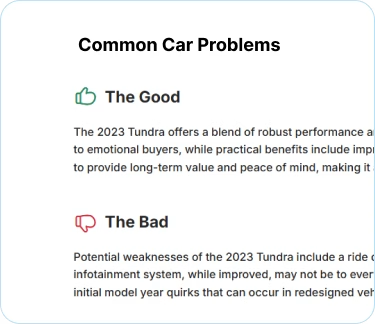
The Good
The 1994 Volvo 960 excels in offering exceptional safety, renowned reliability, and a supremely comfortable ride, appealing to the practical buyer. Emotionally, its classic, understated design and the feeling of security it provides are significant draws.
The Bad
Potential buyers of a 1994 Volvo 960 should be aware of potential electrical gremlins, particularly with the ABS system and power accessories. Transmission issues, especially on higher mileage examples, and aging suspension components are also common concerns to inspect.
1994 Volvo 960: Quick Overview
- Engine Options: The 1994 Volvo 960 was primarily equipped with a 2.9-liter inline-six cylinder engine.
- Horsepower: This engine typically produced around 181 horsepower.
- Fuel Economy: Official EPA estimates for the 1994 Volvo 960 were generally in the range of 16 MPG city and 23 MPG highway. Actual mileage could vary significantly based on driving conditions and maintenance.
- 0-60 Times: Acceleration was not a strong suit for the 960. Expect 0-60 mph times to be in the 9-10 second range, reflecting its focus on comfort and stability over sportiness.

- Towing Capacity: As a luxury sedan and wagon, the Volvo 960 was not designed for heavy towing. Towing capacity was not a primary specification and generally not recommended beyond light trailer loads, if at all. Consult owner's manual for specific guidance.
- Trim-Level Features:
- Base Model: Standard features often included power windows, power door locks, cruise control, air conditioning, a premium sound system, and anti-lock brakes (ABS).
- GLE Trim: This more upscale trim level typically added leather upholstery, heated front seats, a power-adjustable driver's seat with memory, a power sunroof, and often wood interior trim accents.

- Wagon Variants: Both sedan and wagon body styles were available. The wagon offered increased cargo space and often came with a rear-facing third-row seat, making it a versatile family vehicle.

- Safety Features: Standard safety equipment across all trims included dual front airbags, side-impact protection (SIPS), and the robust Volvo safety cage construction.
1994 Volvo 960 Specifications
Vehicle Information
| Year | 1994 |
| Make | Volvo |
| Model | 960 |
| Trim | - |
| Style | - |
| Type | Wagon |
| Category | Mid-Size Station Wagon |
Manufacturing Details
| Made In | Sweden |
| Manufacturing City | TORSLANDA |
Dimensions
| Doors | 4-Door |
| Curb Weight | 3490 pounds |
| Gross Vehicle Weight Rating | - |
| Overall Height | 55.50 inches |
| Overall Length | 191.70 inches |
| Overall Width | 69.30 inches |
| Wheelbase Length | 109.10 inches |
| Standard Seating | 5 |
Engine & Performance
| Engine | 2.9L I6 |
| Engine Size | 2.9L |
| Engine Cylinders | 6 |
| Transmission | 4-Speed Automatic |
| Transmission Type | Automatic |
| Transmission Speeds | 4-Speed |
| Drivetrain | Rear-Wheel Drive |
Additional Features
| Anti-Brake System | 4-Wheel ABS |
| Steering Type | Rack & Pinion |
Pricing
| Manufacturer Suggested Retail Price (MSRP) | $29,900 |
| Invoice Price | - |
| Delivery Charges | - |
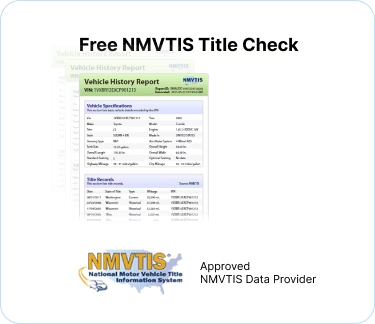
Vehicle History Report
Vehicle
Specifications
Specifications
Ownership
History
History
All History
Events
Events
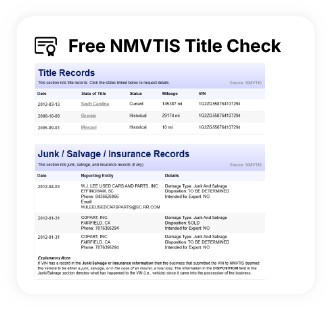
NMVTIS Title
History Check
History Check
Salvage/Rebuilt
Check
Check
Accident
Check
Check
Theft
Check
Check
Open Lien
Check
Check
Past Sale
Listings
Listings
Safety
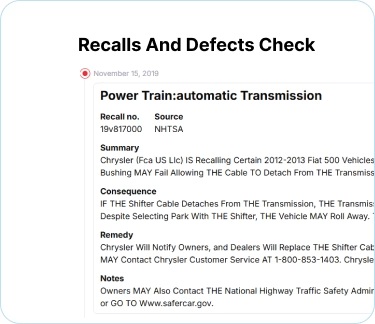
Recalls
Recalls
Odometer
Check
Check
Market Price
Analysis
Analysis
What Problems Does the 1994 Volvo 960 Have?
The 1994 Volvo 960, while generally reliable, does have some commonly reported issues that owners and potential buyers should be aware of. One of the most frequent concerns revolves around the vehicle's electrical system. Issues with the ABS (Anti-lock Braking System) module are quite common, often leading to the ABS warning light illuminating. This can be an expensive repair. Other electrical gremlins can include problems with power windows, central locking, and the instrument cluster, particularly the odometer and fuel gauge.
The transmission, typically an automatic, can also be a source of concern, especially on higher-mileage examples. Fluid leaks, harsh shifting, or outright failure can occur if the transmission has not been properly maintained with regular fluid changes. The inline-six engine, while smooth, can also develop oil leaks from various seals and gaskets over time.
Suspension components, such as ball joints, tie rod ends, and bushings, can wear out, leading to clunking noises, vague steering, and poor handling. The climate control system, including the blower motor and A/C compressor, can also develop faults. While there haven't been widespread recalls specifically for major mechanical failures on the 1994 model year, it's always advisable to check for any outstanding recalls with Volvo. Long-term reliability hinges heavily on consistent and thorough maintenance. Neglected maintenance, especially regarding fluids and filters, will exacerbate potential issues and shorten the vehicle's lifespan.
The transmission, typically an automatic, can also be a source of concern, especially on higher-mileage examples. Fluid leaks, harsh shifting, or outright failure can occur if the transmission has not been properly maintained with regular fluid changes. The inline-six engine, while smooth, can also develop oil leaks from various seals and gaskets over time.
Suspension components, such as ball joints, tie rod ends, and bushings, can wear out, leading to clunking noises, vague steering, and poor handling. The climate control system, including the blower motor and A/C compressor, can also develop faults. While there haven't been widespread recalls specifically for major mechanical failures on the 1994 model year, it's always advisable to check for any outstanding recalls with Volvo. Long-term reliability hinges heavily on consistent and thorough maintenance. Neglected maintenance, especially regarding fluids and filters, will exacerbate potential issues and shorten the vehicle's lifespan.
How long will the 1994 Volvo 960 last?
Based on owner data and typical maintenance habits, a well-maintained 1994 Volvo 960 can reliably reach and surpass 200,000 miles, with many examples continuing to serve their owners well beyond 250,000 miles. The inherent durability of Volvo's engineering and the robust inline-six engine are key factors. However, longevity is directly tied to consistent maintenance. Regular oil changes, transmission fluid flushes, and timely replacement of worn suspension components are crucial. Over time, electrical systems and aging rubber components (hoses, seals) can become weak points that require attention, but the core mechanical structure often remains sound for a very long service life.
What Technology & Safety Features are Included?
The 1994 Volvo 960 featured a blend of comfort-oriented technology and paramount safety systems that were ahead of their time. For entertainment, it typically came standard with a multi-speaker AM/FM stereo system with a cassette player. An optional CD player was available for those seeking digital audio. While rudimentary by today's standards, the sound systems were generally of good quality for the era.
Driver-assistance features were minimal by modern metrics. Cruise control was standard, aiding in comfortable highway driving. Anti-lock brakes (ABS) were also a standard feature, significantly improving braking control in slippery conditions.
Safety was, and remains, Volvo's hallmark. The 1994 960 was built with Volvo's legendary focus on occupant protection. Standard safety features included dual front airbags, a reinforced passenger cage, and Volvo's Side Impact Protection System (SIPS), which incorporated energy-absorbing structures in the doors and pillars to mitigate injuries from side collisions. Seatbelt pre-tensioners were also part of the safety package.
Optional features could extend to a power sunroof, heated front seats, and electrically adjustable front seats with memory functions for the driver. While specific NHTSA or IIHS crash-test ratings for the exact 1994 model year can be difficult to pinpoint without dedicated testing archives from that period, Volvos of this era consistently performed very well in crash tests, earning a reputation for being among the safest vehicles on the road. The robust construction and thoughtful safety engineering were key selling points.
Driver-assistance features were minimal by modern metrics. Cruise control was standard, aiding in comfortable highway driving. Anti-lock brakes (ABS) were also a standard feature, significantly improving braking control in slippery conditions.
Safety was, and remains, Volvo's hallmark. The 1994 960 was built with Volvo's legendary focus on occupant protection. Standard safety features included dual front airbags, a reinforced passenger cage, and Volvo's Side Impact Protection System (SIPS), which incorporated energy-absorbing structures in the doors and pillars to mitigate injuries from side collisions. Seatbelt pre-tensioners were also part of the safety package.
Optional features could extend to a power sunroof, heated front seats, and electrically adjustable front seats with memory functions for the driver. While specific NHTSA or IIHS crash-test ratings for the exact 1994 model year can be difficult to pinpoint without dedicated testing archives from that period, Volvos of this era consistently performed very well in crash tests, earning a reputation for being among the safest vehicles on the road. The robust construction and thoughtful safety engineering were key selling points.
What Colors Options are Available?
1994 Volvo 960 Prices and Market Value
When new, the 1994 Volvo 960 had an original MSRP that typically ranged from the mid-$30,000s to the low-$40,000s, depending on body style and trim level. As a luxury vehicle from the mid-90s, it experienced significant depreciation in its early years. Today, used market prices for the 1994 Volvo 960 vary widely based on condition, mileage, and maintenance history. Expect prices to range from as low as $2,000 for project cars to $6,000 or more for exceptionally well-preserved examples. Factors significantly affecting resale value include the presence of service records, overall body condition (rust is a concern in some climates), interior condition, and the functionality of major components like the transmission and engine.
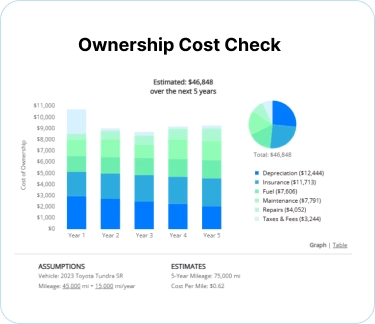
1994 Volvo 960 Cost of Ownership
Owning a 1994 Volvo 960 can be considered moderately costly, though it offers good value for its segment. Insurance costs are generally reasonable, often comparable to other sedans of its era. Fuel economy is average for its class, requiring regular visits to the gas station. Maintenance can be more expensive than a comparable Japanese or American car, as parts can be pricier and specialized knowledge may be needed. Repairs, particularly for electrical issues or transmission problems, can also add up. While not economical in terms of fuel or routine running costs, its strong durability and safety can offset these expenses for owners who prioritize longevity and security.
1994 Volvo 960 Fuel Efficiency
Fuel Type
Gasoline
Fuel Capacity
21.80 gallons
City Mileage
17 miles/gallon
Highway Mileage
25 miles/gallon
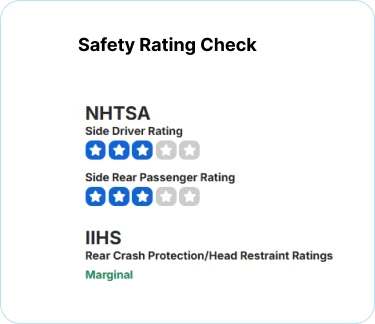
1994 Volvo 960 Safety Rating
NHTSA
IIHS
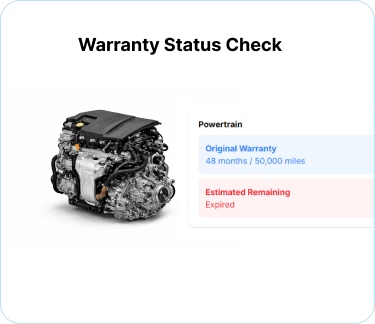
1994 Volvo 960 Warranty
Basic
Original warranty
0 months / No data
Estimated remaining
Expired
Powertrain
Original warranty
0 months / No data
Estimated remaining
Expired
Rust
Original warranty
0 months / No data
Estimated remaining
Expired
1994 Volvo 960 Insurance
Insurance for a 1994 Volvo 960 is moderately priced, reflecting its status as a Wagon with strong safety ratings and
reasonable repair costs.
How Does the 1994 Volvo 960 Compare to Other Wagon?
The 1994 Volvo 960 competed in the luxury executive sedan segment against rivals like the BMW 5 Series (E34), Mercedes-Benz E-Class (W124), and perhaps even some higher trims of the Lexus ES and Acura Legend.
Performance: The 960's 181-horsepower inline-six was smooth but lacked the punch of its German competitors, which often offered more potent engines. Its 0-60 times were considerably slower than the BMW or Mercedes.
Features: While the 960 offered a comfortable and well-appointed interior with good standard safety features, its technology and luxury amenities often lagged behind rivals, particularly the Germans, who typically offered more advanced options.
Reliability: Volvo's reputation for robust build quality and safety generally placed it favorably, but the 960 sometimes suffered from more electrical gremlins than, for example, a similarly aged Lexus ES, which was renowned for near-bulletproof reliability. German rivals could be more complex and costly to repair if issues arose.
Price: New, the 960 was often priced competitively against its European rivals, sometimes offering more car for the money in terms of basic safety and comfort features. Today, the 960 is significantly more affordable on the used market than comparable BMWs or Mercedes-Benz models.
Alternatives: If prioritizing sportier performance and sharper handling, a BMW 5 Series would be a better choice, though potentially more expensive to maintain. For ultimate reliability and a refined driving experience, a Lexus ES 300 from the same era is an excellent alternative, albeit with a less commanding presence. The Mercedes-Benz E-Class (W124) offers superb build quality and comfort but is often priced higher and can be very expensive to repair. The Volvo 960 strikes a balance, offering strong safety, a comfortable ride, and enduring build quality at a more accessible used price point, especially for those who value its unique Scandinavian design and safety focus.
Performance: The 960's 181-horsepower inline-six was smooth but lacked the punch of its German competitors, which often offered more potent engines. Its 0-60 times were considerably slower than the BMW or Mercedes.
Features: While the 960 offered a comfortable and well-appointed interior with good standard safety features, its technology and luxury amenities often lagged behind rivals, particularly the Germans, who typically offered more advanced options.
Reliability: Volvo's reputation for robust build quality and safety generally placed it favorably, but the 960 sometimes suffered from more electrical gremlins than, for example, a similarly aged Lexus ES, which was renowned for near-bulletproof reliability. German rivals could be more complex and costly to repair if issues arose.
Price: New, the 960 was often priced competitively against its European rivals, sometimes offering more car for the money in terms of basic safety and comfort features. Today, the 960 is significantly more affordable on the used market than comparable BMWs or Mercedes-Benz models.
Alternatives: If prioritizing sportier performance and sharper handling, a BMW 5 Series would be a better choice, though potentially more expensive to maintain. For ultimate reliability and a refined driving experience, a Lexus ES 300 from the same era is an excellent alternative, albeit with a less commanding presence. The Mercedes-Benz E-Class (W124) offers superb build quality and comfort but is often priced higher and can be very expensive to repair. The Volvo 960 strikes a balance, offering strong safety, a comfortable ride, and enduring build quality at a more accessible used price point, especially for those who value its unique Scandinavian design and safety focus.
Final Verdict: Is the 1994 Volvo 960 a Good Wagon?
The 1994 Volvo 960 is ideal for buyers who prioritize safety, comfort, and a durable, no-nonsense luxury sedan or wagon. It's perfect for those who appreciate understated Scandinavian design and seek a vehicle with a strong reputation for longevity, especially if they plan on performing regular maintenance.
It is absolutely worth buying if found in good condition with a comprehensive service history. Its value proposition is strong on the used market, offering a premium feel at a fraction of its original cost. Focus on finding examples with well-documented maintenance, paying close attention to the condition of the transmission, electrical systems, and suspension. The GLE trim offers a more luxurious experience. Given its age, buying used is the only practical option, and a pre-purchase inspection by a Volvo specialist is highly recommended.