
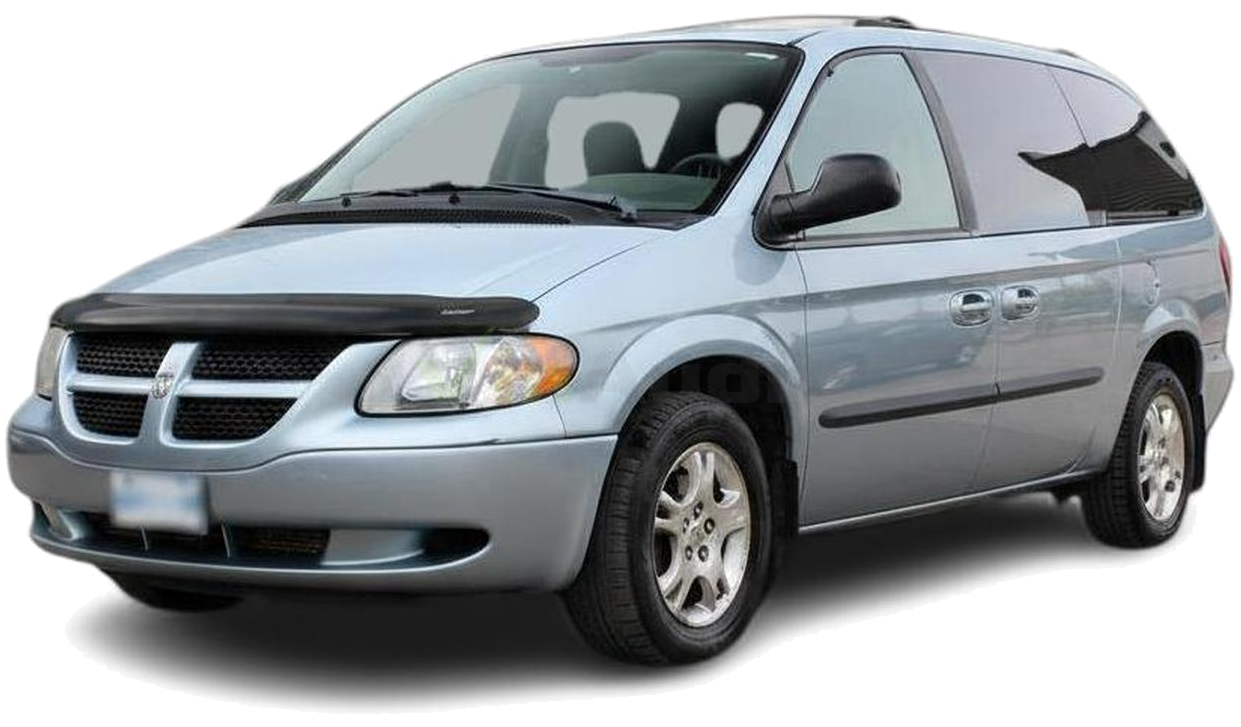
The 2003 Dodge Grand Caravan, part of the third generation (1996-2007) of this pioneering minivan, continued its legacy of family-friendly utility. Available in popular trims like the SE, SXT, and ES, its starting price in 2003 ranged from around $22,000 to over $30,000. Its popularity stemmed from its flexible interior, Stow 'n Go seating (though introduced later), and overall practicality, making it a household name for hauling people and cargo.
The Good
The 2003 Grand Caravan offers spacious comfort and a highly versatile interior, appealing to families needing practicality. Its accessible price point provides excellent value, while available V6 engines deliver adequate power for everyday driving and road trips, fostering a sense of security and ease.
The Bad
Potential buyers should be aware of common issues like transmission problems, especially with higher mileage. Electrical glitches, particularly with power accessories and the HVAC system, are also frequent concerns. Rust can be an issue in certain climates, affecting the body panels and undercarriage.
2003 Dodge Grand Caravan: Quick Overview
- Engine Options: The 2003 Dodge Grand Caravan offered a few engine choices to suit different needs.
- 2.4L 4-Cylinder: Standard on some lower trims, producing around 150 horsepower.
- 3.3L V6: A popular choice, offering approximately 180 horsepower.
- 3.8L V6: Available on higher trims, this engine delivered around 200-215 horsepower.
- 3.8L Supercharged V6 (Limited availability): For increased performance, this engine could produce upwards of 230 horsepower.
- Horsepower: Ranged from approximately 150 hp to 230 hp depending on the engine.
- Fuel Economy: Generally ranged from 16-19 mpg in the city and 22-26 mpg on the highway, varying by engine and drivetrain.
- 0-60 Times: Typically fell in the 8.5 to 10.5 second range, depending on engine and load.
- Towing Capacity: With the proper towing package and V6 engine, the Grand Caravan could tow up to approximately 3,800 lbs.
- Trim-Level Features:
- SE (Standard): Typically included air conditioning, power windows and locks, a basic audio system, and durable cloth seating.
- SXT (Sport/Towing/Comfort): Added features like a more powerful engine option, upgraded interior trim, roof rack, and often power-adjustable driver's seat.
- ES (Luxury): Featured leather seating, premium audio system, alloy wheels, fog lights, and enhanced interior amenities for a more upscale feel.
- Optional Features: Many models offered options such as rear-seat entertainment systems, power sliding doors, a power liftgate, heated seats, and upgraded climate control.
2003 Dodge Grand Caravan Specifications
Vehicle Information
| Year | 2003 |
| Make | Dodge |
| Model | Grand Caravan |
| Trim | - |
| Style | Cargo Van |
| Type | Van |
| Category | Cargo Van |
Manufacturing Details
| Made In | United States |
| Manufacturing City | WINDSOR |
Dimensions
| Doors | 4-Door |
| Curb Weight | 3838 pounds |
| Gross Vehicle Weight Rating | 6000 pounds |
| Overall Height | - |
| Overall Length | - |
| Overall Width | - |
| Wheelbase Length | - |
| Standard Seating | 2 |
Engine & Performance
| Engine | 3.3L V6 OHV 12V |
| Engine Size | 3.3L |
| Engine Cylinders | 6 |
| Transmission | 4-Speed Automatic |
| Transmission Type | Automatic |
| Transmission Speeds | 4-Speed |
| Drivetrain | Front-Wheel Drive |
Additional Features
| Anti-Brake System | 4-Wheel ABS |
| Steering Type | Rack & Pinion |
Pricing
| Manufacturer Suggested Retail Price (MSRP) | $22,170 |
| Invoice Price | $20,845 |
| Delivery Charges | $680 |
Vehicle History Report
Vehicle
Specifications
Specifications
Ownership
History
History
All History
Events
Events
NMVTIS Title
History Check
History Check
Salvage/Rebuilt
Check
Check
Accident
Check
Check
Theft
Check
Check
Open Lien
Check
Check
Past Sale
Listings
Listings
Safety
Recalls
Recalls
Odometer
Check
Check
Market Price
Analysis
Analysis
What Problems Does the 2003 Dodge Grand Caravan Have?
The 2003 Dodge Grand Caravan, while popular, has several commonly reported issues that owners should be aware of. One of the most persistent problems is with the transmission, particularly the automatic transmission. Shifting problems, slipping, and complete failure have been reported, especially as mileage increases. This can be an expensive repair. Another significant concern revolves around the vehicle's electrical system. Issues with power windows and locks failing to operate, problems with the HVAC blower motor, and intermittent power issues to various accessories are frequently cited. The electronic control modules (ECMs) can also be a source of trouble.
The cooling system is another area to watch. Overheating due to leaks in the radiator, hoses, or water pump can lead to more severe engine damage. Head gasket failures have also been reported on some V6 engines. For 2003 models, specific recalls are less common, but owners should always check with NHTSA for any outstanding safety campaigns. Long-term reliability can be a mixed bag; while some Grand Caravans are known to reach high mileage with diligent maintenance, others succumb to these common issues earlier. Rust is a significant concern, especially in areas that use road salt. The rocker panels, rear wheel wells, and door bottoms are prone to corrosion, which can compromise structural integrity and lead to costly repairs. The sliding door mechanism can also become difficult to operate due to dirt and wear. While specific model year issues are not drastically different within this generation, general wear and tear are amplified on older vehicles. Regular maintenance is crucial to mitigate many of these potential problems.
How long will the 2003 Dodge Grand Caravan last?
Based on owner data and typical usage, a well-maintained 2003 Dodge Grand Caravan can reasonably be expected to provide around 150,000 to 200,000 miles of service. Some owners report reaching well over 250,000 miles with consistent, proactive maintenance. However, long-term durability is significantly impacted by the common weaknesses previously mentioned, particularly transmission issues and potential for corrosion. Neglecting fluid changes and not addressing early signs of wear can drastically shorten its lifespan. The vehicle's inherent design makes it susceptible to wear and tear from constant family use, so while it can be durable, it requires diligent attention to prevent costly repairs down the line. Owners who perform regular fluid flushes and address minor problems promptly tend to achieve the best longevity.
What Technology & Safety Features are Included?
The 2003 Dodge Grand Caravan offered a reasonable suite of technology and safety features for its era, though it lacks the advanced driver-assistance systems found in modern vehicles. Standard technology typically included power windows, power door locks, air conditioning, and an AM/FM stereo system with a CD player. Higher trims like the ES often came with a premium audio system, possibly with steering wheel-mounted controls. Optional entertainment features were a highlight, with the availability of rear-seat entertainment systems, including DVD players and screens, making long journeys more enjoyable for passengers.
In terms of safety, the 2003 Grand Caravan came equipped with standard front-seat airbags and anti-lock brakes (ABS) on all four wheels. Side airbags were often an optional upgrade. The structure of the vehicle was designed with safety in mind, and crash-test ratings from organizations like the National Highway Traffic Safety Administration (NHTSA) at the time generally showed acceptable to good performance in frontal and side-impact tests for its class. For instance, it typically received 4 out of 5 stars in frontal crash tests for the driver and front passenger. However, these ratings should be considered in the context of testing standards from the early 2000s, which are less stringent than today's. Advanced driver-assistance features were virtually non-existent, with no electronic stability control (ESC) or traction control offered as standard across all models, though some later models within this generation might have had it as an option. The focus was on passive safety features and basic active safety systems like ABS.
What Colors Options are Available?
2003 Dodge Grand Caravan Prices and Market Value
When new in 2003, the Dodge Grand Caravan had an MSRP that typically ranged from approximately $22,000 for base models to over $30,000 for well-equipped trims like the ES. As a vehicle from 2003, it has undergone significant depreciation. Current used market prices for a 2003 Grand Caravan vary widely based on mileage, condition, trim level, and maintenance history, generally falling between $1,500 and $4,000. Factors significantly affecting resale value include the presence of rust, the condition of the transmission and engine, and the overall interior and exterior appearance. Higher mileage and a history of major repairs will drastically reduce its market value. Well-maintained examples with fewer than 150,000 miles and no significant mechanical or cosmetic issues will command the higher end of this range.
2003 Dodge Grand Caravan Cost of Ownership
The 2003 Dodge Grand Caravan is generally economical to own in terms of initial purchase price and insurance premiums, which are typically moderate. Fuel costs are average for its class, with V6 engines consuming more gas than the 4-cylinder option. Maintenance costs can be kept reasonable with routine servicing like oil changes and filter replacements. However, potential repair costs, especially for transmission issues or electrical problems, can be significant and push ownership costs higher. While not prohibitively expensive, its long-term reliability concerns mean it can become costly if unexpected major repairs arise, making it a budget-conscious choice only if its condition is thoroughly vetted.
2003 Dodge Grand Caravan Fuel Efficiency
Fuel Type
Gasoline
Fuel Capacity
20.00 gallons
City Mileage
17 miles/gallon
Highway Mileage
24 miles/gallon
2003 Dodge Grand Caravan Safety Rating
NHTSA
IIHS
2003 Dodge Grand Caravan Warranty
Basic
Original warranty
36 months / 36,000 miles
Estimated remaining
Expired
Powertrain
Original warranty
84 months / 70,000 miles
Estimated remaining
Expired
Rust
Original warranty
60 months / 100,000 miles
Estimated remaining
Expired
2003 Dodge Grand Caravan Insurance
Insurance for a 2003 Dodge Grand Caravan is moderately priced, reflecting its status as a Van with strong safety ratings and
reasonable repair costs.
How Does the 2003 Dodge Grand Caravan Compare to Other Van?
The 2003 Dodge Grand Caravan competed in a highly contested minivan segment against rivals like the Honda Odyssey, Toyota Sienna, and Ford Windstar. In terms of performance, its V6 engines offered competitive power, especially the 3.8L, though the 2.4L 4-cylinder was underpowered for a vehicle of its size. The Honda Odyssey and Toyota Sienna were often lauded for their smoother ride and more refined engine performance.
Features-wise, the Grand Caravan's flexible interior, including options for stowable seating (though not the full Stow 'n Go of later generations), was a strong point. However, the Odyssey and Sienna often offered more advanced optional features and a generally higher perceived quality in their interior materials. Reliability is where the Grand Caravan often lagged behind its Japanese competitors. The Honda Odyssey and Toyota Sienna consistently ranked higher in reliability surveys, with fewer reported major issues like transmission failures that plagued the Grand Caravan. Ford Windstar, while offering competitive pricing and space, also had its own set of reliability concerns.
Price-wise, the Grand Caravan was typically positioned as a strong value proposition, often being more affordable than its Japanese rivals when new, and certainly in the used market today. However, this lower initial cost can be offset by higher potential repair bills down the line.
Alternatives:
Features-wise, the Grand Caravan's flexible interior, including options for stowable seating (though not the full Stow 'n Go of later generations), was a strong point. However, the Odyssey and Sienna often offered more advanced optional features and a generally higher perceived quality in their interior materials. Reliability is where the Grand Caravan often lagged behind its Japanese competitors. The Honda Odyssey and Toyota Sienna consistently ranked higher in reliability surveys, with fewer reported major issues like transmission failures that plagued the Grand Caravan. Ford Windstar, while offering competitive pricing and space, also had its own set of reliability concerns.
Price-wise, the Grand Caravan was typically positioned as a strong value proposition, often being more affordable than its Japanese rivals when new, and certainly in the used market today. However, this lower initial cost can be offset by higher potential repair bills down the line.
Alternatives:
- Honda Odyssey (2003-2004): Generally offers better reliability, a smoother ride, and a more refined interior, though often at a higher used price.
- Toyota Sienna (2003-2004): Renowned for its exceptional reliability and comfortable ride. Similar to the Odyssey in its reputation for longevity.
- Ford Windstar (2003): A comparable American option offering good space and value, but with its own set of reliability concerns that may make it similar to or worse than the Grand Caravan in some aspects.
Final Verdict: Is the 2003 Dodge Grand Caravan a Good Van?
The 2003 Dodge Grand Caravan is ideal for budget-conscious families or individuals needing a spacious and versatile people-mover who are willing to accept a higher risk of potential repairs. It excels at carrying passengers and cargo comfortably and affordably. It is worth buying primarily in the used market, but only with extreme caution. Thorough pre-purchase inspections are paramount, focusing heavily on transmission health and checking for rust. Avoid models with any hint of transmission slippage or electrical gremlins. Lower-mileage SXT or ES trims might offer a better balance of features and potential durability, but a meticulously maintained SE can also be a solid utilitarian choice. It's a vehicle where its lower acquisition cost must be weighed against potential future maintenance and repair expenses.
