
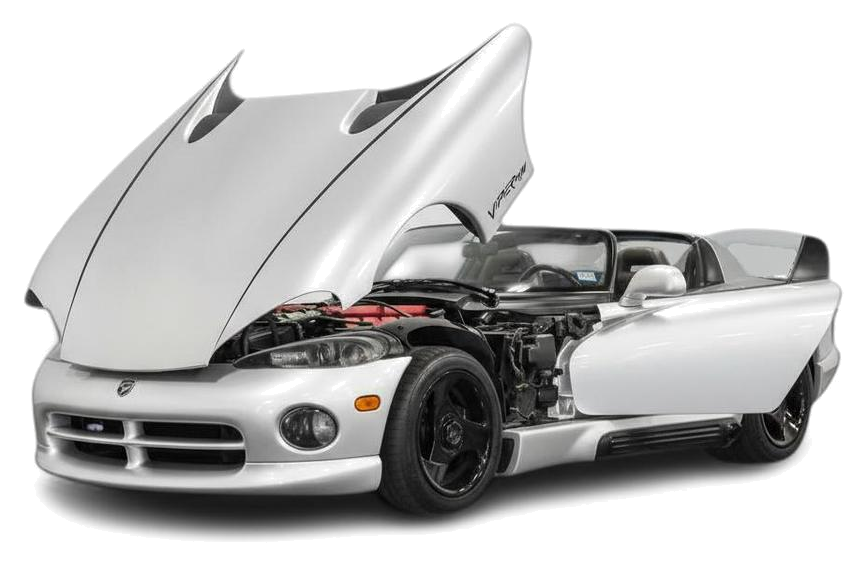
The 1995 Dodge Viper RT/10, a second-generation model, emerged as a raw, unapologetic sports car. Built from 1992 to 2017 across several generations, this visceral machine was available as a roadster and later a coupe. The 1995 model is part of the early production run, known for its extreme performance and minimalist approach. Its popularity stems from its aggressive styling, thunderous V10 engine, and its reputation as a true driver's car, embodying pure automotive passion.
The Good
The 1995 Viper's overwhelming advantage is its heart-pounding V10 performance, offering exhilarating acceleration and a visceral driving experience. Its iconic, aggressive design turns heads, appealing to emotional desires. While not built for comfort or efficiency, its raw, analog nature offers a unique, no-compromise connection to the road for passionate enthusiasts.
The Bad
Potential buyers should be wary of its challenging handling dynamics, particularly at speed, due to its lack of driver aids. Early models could also exhibit some interior build quality concerns and a generally rough ride. Brake fade under heavy use and a thirsty V10 are also points to consider.
1995 Dodge Viper: Quick Overview
- Engine Options: The 1995 Dodge Viper RT/10 exclusively featured a single engine option: a massive 8.0-liter V10.
- Horsepower: This colossal V10 engine produced approximately 320 horsepower.
- Torque: It delivered a substantial 450 lb-ft of torque.
- Fuel Economy: Fuel economy was not a strong suit. Expect figures in the range of 9-10 MPG city and 15-16 MPG highway, making it highly inefficient.
- 0-60 Times: While exact figures varied, the 1995 Viper could typically achieve 0-60 mph in the mid-4-second range, showcasing its formidable acceleration.
- Towing Capacity: Towing capacity is not applicable for the 1995 Dodge Viper; it is a pure sports car designed for performance, not utility.
- Trim-Level Features (RT/10 Roadster): The 1995 Viper RT/10 was offered as a single trim level, the roadster. Key features included:
- Body-colored side curtains instead of traditional windows.
- Removable soft top and optional hard top.
- Basic interior with leather bucket seats.
- Power steering and brakes.
- Limited creature comforts; no air conditioning or radio were standard on early models, though some later cars might have them as options or dealer additions.
- A side-exit exhaust system.
- 17-inch alloy wheels.
- A focused, driver-centric cockpit with minimal distractions.
1995 Dodge Viper Specifications
Vehicle Information
| Year | 1995 |
| Make | Dodge |
| Model | Viper |
| Trim | - |
| Style | - |
| Type | Convertible |
| Category | Sports Car |
Manufacturing Details
| Made In | United States |
| Manufacturing City | DETROIT |
Dimensions
| Doors | 2-Door |
| Curb Weight | 3487 pounds |
| Gross Vehicle Weight Rating | - |
| Overall Height | 44.00 inches |
| Overall Length | 175.10 inches |
| Overall Width | 75.70 inches |
| Wheelbase Length | 96.20 inches |
| Standard Seating | 2 |
Engine & Performance
| Engine | 8L V10 |
| Engine Size | 8L |
| Engine Cylinders | 10 |
| Transmission | 6-Speed Manual |
| Transmission Type | Manual |
| Transmission Speeds | 6-Speed |
| Drivetrain | Rear-Wheel Drive |
Additional Features
| Anti-Brake System | Non-ABS |
| Steering Type | Rack & Pinion |
Pricing
| Manufacturer Suggested Retail Price (MSRP) | $56,000 |
| Invoice Price | - |
| Delivery Charges | - |
Vehicle History Report
Vehicle
Specifications
Specifications
Ownership
History
History
All History
Events
Events
NMVTIS Title
History Check
History Check
Salvage/Rebuilt
Check
Check
Accident
Check
Check
Theft
Check
Check
Open Lien
Check
Check
Past Sale
Listings
Listings
Safety
Recalls
Recalls
Odometer
Check
Check
Market Price
Analysis
Analysis
What Problems Does the 1995 Dodge Viper Have?
The 1995 Dodge Viper, while celebrated for its performance, is not without its potential issues. One of the most frequently reported concerns across early Viper models, including the 1995 RT/10, is related to its raw and untamed driving characteristics. The lack of electronic driver aids like ABS and traction control means that challenging weather or aggressive driving can easily lead to loss of control, requiring significant driver skill. Internally, some owners have reported issues with clutch wear due to the high-torque V10 engine, especially if the car has been driven hard. Brake systems, while powerful, could also experience fade under repeated heavy use, a common trait in high-performance vehicles of the era that weren't equipped with the most advanced cooling. Interior materials and fit-and-finish were sometimes criticized as being less refined than competitors, leading to occasional squeaks and rattles over time. The side-exit exhaust, while iconic, could also lead to heat soak issues inside the cabin. While major mechanical failures are not overwhelmingly common, regular and meticulous maintenance is crucial. Specific to the 1995 model year, it's important to check for proper maintenance records, especially regarding the clutch, brakes, and any potential leaks from the V10's extensive plumbing. Recalls for the early Viper generation often pertained to safety systems and emissions, but owners should always verify if any recalls have been performed. Long-term reliability is more dependent on how the car was treated and maintained rather than inherent design flaws, but owners should be prepared for the costs associated with high-performance parts and specialized servicing.
How long will the 1995 Dodge Viper last?
Estimating average mileage for a 1995 Dodge Viper is challenging as many were purchased as weekend toys or collector's items, leading to low mileage examples. However, well-maintained Vipers can endure for hundreds of thousands of miles. A realistically driven Viper, averaging 5,000-7,000 miles per year, could easily see 20-30 years of service. The V10 engine is generally robust and capable of long-term durability if properly cared for, with regular oil changes and attention to cooling systems. Weaknesses over time often manifest in the wear and tear of performance-oriented components like the clutch, brakes, and suspension. Interior materials, while durable, may show age. The car's raw nature means it requires proactive maintenance to offset the stresses of its performance.
What Technology & Safety Features are Included?
The 1995 Dodge Viper RT/10 represents an era where technology in sports cars was intentionally minimalist, focusing on the driving experience. Built-in tech was virtually non-existent by modern standards. The entertainment system was typically a basic AM/FM radio, often with a cassette player, and some Vipers might have lacked even this to save weight and cost. Air conditioning was also an optional extra on many early models, reflecting the car's no-frills ethos. Driver-assistance features were non-existent; the Viper offered no ABS, no traction control, and no stability management. This was a deliberate design choice to deliver a pure, unadulterated driving connection between man and machine. Safety features were equally rudimentary. It featured standard seat belts and a robust chassis designed for structural integrity. Airbags were not standard equipment in 1995, though they became mandatory later in the Viper's production run. Due to its age and niche status, comprehensive crash-test ratings from organizations like the NHTSA or IIHS for the 1995 model are not readily available or comparable to today's standards. The Viper's safety relied heavily on its powerful brakes, direct steering, and the driver's own skill and awareness. The focus was on performance and driver engagement, with creature comforts and electronic aids taking a backseat.
What Colors Options are Available?
1995 Dodge Viper Prices and Market Value
When new, the 1995 Dodge Viper RT/10 had an MSRP typically in the range of $60,000 to $70,000, making it a significant investment. As a performance icon, the Viper has defied conventional depreciation trends. While many cars depreciate heavily, Vipers, especially well-maintained examples with low mileage, have held their value exceptionally well and, in some cases, have appreciated. Factors affecting resale value include rarity, condition, original documentation, specific options (like a hardtop), and overall provenance. The 1995 model, being part of the first generation, is particularly sought after by collectors and enthusiasts. Current used market prices for a 1995 Viper RT/10 can range from $40,000 to over $70,000, heavily dependent on its condition and mileage.
1995 Dodge Viper Cost of Ownership
Owning a 1995 Dodge Viper is decidedly costly. Insurance premiums will be high due to its performance, rarity, and specialized nature. Fuel costs will be substantial, with its V10 engine delivering poor MPG. Maintenance requires specialized knowledge and parts, which are often expensive. Repairs can be particularly costly, as fewer mechanics are equipped to handle these vehicles, and specialized components are not cheap. Long-term ownership is for the enthusiast willing to invest significantly in upkeep. It is not an economical vehicle; rather, it is a passionate indulgence with commensurate financial demands.
1995 Dodge Viper Fuel Efficiency
Fuel Type
Gasoline
Fuel Capacity
22.00 gallons
City Mileage
12 miles/gallon
Highway Mileage
21 miles/gallon
1995 Dodge Viper Safety Rating
NHTSA
IIHS
1995 Dodge Viper Warranty
Basic
Original warranty
0 months / No data
Estimated remaining
Expired
Powertrain
Original warranty
0 months / No data
Estimated remaining
Expired
Rust
Original warranty
0 months / No data
Estimated remaining
Expired
1995 Dodge Viper Insurance
Insurance for a 1995 Dodge Viper is moderately priced, reflecting its status as a Convertible with strong safety ratings and
reasonable repair costs.
How Does the 1995 Dodge Viper Compare to Other Convertible?
In 1995, the Dodge Viper RT/10 stood in a unique class, often compared to exotic European sports cars but with a distinctly American, raw edge. Its primary rivals in spirit and performance, though not always in price or philosophy, included cars like the Chevrolet Corvette (C4 generation), Porsche 911 (993 generation), and potentially lower-end Ferraris for those with a larger budget.
Performance: The Viper's 8.0L V10 offered brutal acceleration and torque, often surpassing the Corvette of the era in raw power. The Porsche 911, while lighter and more agile, offered a different kind of performance, more refined and balanced.
Features: This is where the Viper diverged significantly. While the Corvette and Porsche offered more creature comforts, advanced technology (for the time), and better interior refinement, the Viper was intentionally spartan. It lacked many amenities considered standard on its rivals, prioritizing a pure driving experience.
Reliability: The Viper's reliability was often tied to its mechanical simplicity but also its demanding nature. Early Vipers required diligent maintenance. The Corvette generally offered more dependable day-to-day reliability and easier servicing. The Porsche 911, while mechanically complex, had a reputation for robust engineering and longevity with proper care.
Price: The Viper was priced aggressively, often undercutting comparable European exotics. The Corvette was significantly more affordable. The Porsche 911 was generally more expensive than the Viper.
Alternatives: For a similar raw, powerful driving experience with slightly more refinement and a more established pedigree, a Porsche 911 (993) could be considered, though it comes with a higher price tag. A Chevrolet Corvette (C4 ZR-1) offers strong performance and a more conventional sports car package at a lower cost. If the goal is pure V10 power and an attention-grabbing presence without the finesse of European exotics, the Viper is in a class of its own. For those seeking a more balanced blend of performance, luxury, and technology, alternatives like a later model Chevrolet Corvette (C5) or even a used Porsche 911 might be more suitable.
Performance: The Viper's 8.0L V10 offered brutal acceleration and torque, often surpassing the Corvette of the era in raw power. The Porsche 911, while lighter and more agile, offered a different kind of performance, more refined and balanced.
Features: This is where the Viper diverged significantly. While the Corvette and Porsche offered more creature comforts, advanced technology (for the time), and better interior refinement, the Viper was intentionally spartan. It lacked many amenities considered standard on its rivals, prioritizing a pure driving experience.
Reliability: The Viper's reliability was often tied to its mechanical simplicity but also its demanding nature. Early Vipers required diligent maintenance. The Corvette generally offered more dependable day-to-day reliability and easier servicing. The Porsche 911, while mechanically complex, had a reputation for robust engineering and longevity with proper care.
Price: The Viper was priced aggressively, often undercutting comparable European exotics. The Corvette was significantly more affordable. The Porsche 911 was generally more expensive than the Viper.
Alternatives: For a similar raw, powerful driving experience with slightly more refinement and a more established pedigree, a Porsche 911 (993) could be considered, though it comes with a higher price tag. A Chevrolet Corvette (C4 ZR-1) offers strong performance and a more conventional sports car package at a lower cost. If the goal is pure V10 power and an attention-grabbing presence without the finesse of European exotics, the Viper is in a class of its own. For those seeking a more balanced blend of performance, luxury, and technology, alternatives like a later model Chevrolet Corvette (C5) or even a used Porsche 911 might be more suitable.
Final Verdict: Is the 1995 Dodge Viper a Good Convertible?
The 1995 Dodge Viper RT/10 is ideal for the true automotive purist and enthusiast who craves raw power, a visceral driving experience, and an iconic, unapologetic design. It is for someone who values connection to the road over creature comforts and is prepared for the associated ownership costs and demands. This vehicle is worth buying for those seeking a unique piece of American automotive history that commands attention and delivers thrilling performance. It is exclusively a used purchase, as new examples are long gone. A 1995 RT/10, especially a well-maintained, low-mileage example, represents a sound investment for collectors and a truly exhilarating drive for the right individual who understands and appreciates its character.