
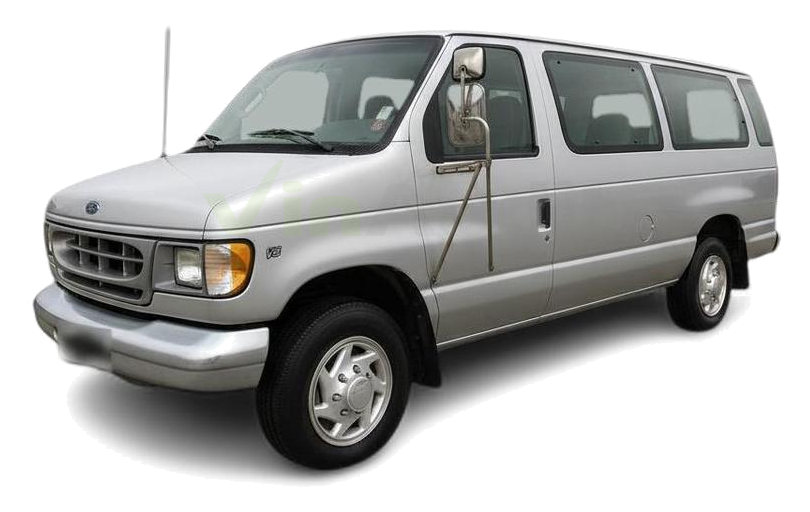
The 2001 Ford E-250 is a robust and dependable full-size van, part of the long-running E-Series lineup that has been a staple for businesses and families for decades. Available as a passenger van or a cargo van, this model year falls within a generation known for its utilitarian design and versatility. Key trims typically included base models and more feature-rich variants. Its popularity stems from its immense practicality, extensive customization options, and reputation for toughness.
The Good
The 2001 Ford E-250 offers strong V8 power for hauling and towing, renowned Ford reliability for peace of mind, and a surprisingly comfortable ride for its class. Its practical, spacious design appeals to those needing utility, while its proven durability offers excellent long-term value and a sense of security.
The Bad
Potential owners of the 2001 Ford E-250 should be aware of possible issues like rust on the frame and body, especially in colder climates. Transmission problems and wear on suspension components are also areas to inspect. Fuel economy, while expected for its size, can be a drawback for some.
2001 Ford E-250: Quick Overview
- Engine Options: The 2001 Ford E-250 was typically offered with a choice of robust gasoline engines.
- 4.2L V6 Triton: This engine served as the base option, providing adequate power for general use.
- 4.6L V8 Triton: A step up in performance, offering more torque for heavier loads.
- 5.4L V8 Triton: The most powerful option, ideal for significant towing and hauling needs, delivering enhanced responsiveness.
- Horsepower: Horsepower varied by engine, with the V6 generally producing around 170-185 hp, the 4.6L V8 around 215-225 hp, and the 5.4L V8 around 235-255 hp.
- Fuel Economy: As a large, rear-wheel-drive van from this era, fuel economy was not a strong suit. Expect figures in the range of 10-14 MPG combined, heavily dependent on engine choice, payload, and driving conditions.
- 0-60 Times: Precise 0-60 mph times are rarely published for commercial vans and vary significantly with configuration and load. With the V8 engines, expect acceleration in the 9-12 second range when unladen.
- Towing Capacity: The E-250 was designed for work and could tow substantial loads. Depending on the configuration, axle ratio, and engine, towing capacities could range from approximately 7,000 lbs to over 10,000 lbs.
- Trim-Level Features:
- Base Models: Focused on utility, typically including vinyl seats, manual windows and locks, a basic AM/FM radio, and a sturdy interior designed for durability.
- XLT (or similar higher trims): Might add features like upgraded interior trim, power windows and locks, cruise control, a better sound system, air conditioning, and sometimes captain's chairs for improved comfort. Passenger versions would also include rear seating, often with various configurations.
2001 Ford E-250 Specifications
Vehicle Information
| Year | 2001 |
| Make | Ford |
| Model | E-250 |
| Trim | - |
| Style | - |
| Type | Van |
| Category | Cargo Van |
Manufacturing Details
| Made In | United States |
| Manufacturing City | LORAIN |
Dimensions
| Doors | 3-Door |
| Curb Weight | 5382 pounds |
| Gross Vehicle Weight Rating | 8600 pounds |
| Overall Height | 83.40 inches |
| Overall Length | 231.90 inches |
| Overall Width | 79.30 inches |
| Wheelbase Length | 138.00 inches |
| Standard Seating | 2 |
Engine & Performance
| Engine | 4.2L V6 |
| Engine Size | 4.2L |
| Engine Cylinders | 6 |
| Transmission | 4-Speed Automatic |
| Transmission Type | Automatic |
| Transmission Speeds | 4-Speed |
| Drivetrain | Rear-Wheel Drive |
Additional Features
| Anti-Brake System | 4-Wheel ABS |
| Steering Type | Recirculating |
Pricing
| Manufacturer Suggested Retail Price (MSRP) | $22,770 |
| Invoice Price | $20,167 |
| Delivery Charges | $690 |
Vehicle History Report
Specifications
History
Events
History Check
Check
Check
Check
Check
Listings
Recalls
Check
Analysis
What Problems Does the 2001 Ford E-250 Have?
The 2001 Ford E-250, like many vehicles of its age and type, has some commonly reported issues that owners should be aware of. One of the most persistent concerns is the potential for rust, particularly on the body panels, wheel arches, and frame rails, especially if the vehicle has been exposed to road salt in winter climates. This can be a significant structural concern requiring costly repairs.
Transmission issues are another area that can arise over time. Problems such as slipping gears, delayed shifting, or complete transmission failure have been reported. Regular fluid changes and maintenance are crucial, but even with good care, the transmissions in these heavy-duty vans can experience wear. Specific to this generation, some owners have reported issues with the Torque Converter Clutch (TCC) solenoid, leading to erratic shifting or shuddering.
The rear axle, especially the axle seals, can be a source of leaks. If left unaddressed, this can lead to differential damage. Similarly, wheel bearings can wear out, producing humming or grinding noises that indicate a need for replacement.
On the engine side, while generally robust, the 5.4L Triton V8 engines have been known to sometimes suffer from spark plug ejection issues, particularly if not installed correctly or if the threads become worn. This can lead to misfires and potential engine damage. Early signs might include a popping sound from the engine.
Regarding recalls, it is always advisable for owners to check the National Highway Traffic Safety Administration (NHTSA) website with their specific VIN to see if any outstanding recalls apply to their 2001 E-250. Recalls can address various safety concerns, from braking systems to airbags.
Long-term reliability is generally considered good for the E-250, provided it has been well-maintained. These vans are built to be workhorses. However, the older they get, the more likely they are to develop age-related issues like aging rubber components (hoses, seals, bushings) and potential electrical gremlins, such as failing power window motors or issues with the instrument cluster.
How long will the 2001 Ford E-250 last?
The 2001 Ford E-250 is known for its longevity, with many examples reliably serving owners well beyond 200,000 miles. With consistent maintenance, including regular oil changes, transmission fluid flushes, and addressing minor issues promptly, it's not uncommon for these vans to reach 250,000 to 300,000 miles or more. The powertrain is generally very durable. However, the primary weakness over time is corrosion, especially in rust-belt regions, which can compromise the frame and body structure. Other components like the transmission, suspension parts, and exhaust systems will likely require attention as mileage increases, but the core chassis and engine are built for the long haul, making them a sound investment for those seeking a dependable, albeit older, vehicle.
What Technology & Safety Features are Included?
The 2001 Ford E-250, by its nature as a commercial-oriented van from the early 2000s, features relatively basic technology and safety systems compared to modern vehicles.
Built-in Tech and Entertainment: Standard entertainment typically consisted of an AM/FM radio, possibly with a cassette player. Higher trims or optional packages might have included a CD player. Air conditioning was a common comfort feature, and cruise control was often available as an option or standard on higher trims. Power windows and door locks were also optional features that enhanced convenience.
Driver-Assistance Features: Driver-assistance features were virtually nonexistent in the 2001 E-250. Modern systems like lane departure warning, adaptive cruise control, or blind-spot monitoring were not part of the automotive landscape for vans of this era. The primary focus was on mechanical function and utility.
Safety Features: Standard safety equipment included front airbags for the driver and passenger. Seatbelts were, of course, standard. Anti-lock braking system (ABS) was often available as an option or standard on certain trims, providing enhanced braking control, particularly in emergency situations or on slippery surfaces. The E-250's construction provided a substantial physical presence, which offered a degree of passive safety. However, detailed crash-test ratings from organizations like the NHTSA or IIHS for this specific model year and configuration are not readily available or comparable to today's standards. Given the era, crashworthiness was generally less advanced than in contemporary passenger cars, with a greater emphasis on frame strength and occupant protection through basic structural design and airbags.
Optional features might have included things like a rear-view mirror with a compass and thermometer, or upgraded interior lighting for cargo areas. The technology was focused on functionality and reliability rather than advanced connectivity or driver aids.
What Colors Options are Available?
2001 Ford E-250 Prices and Market Value
When new, the 2001 Ford E-250 typically ranged from approximately $23,000 to $30,000, depending heavily on the body style (cargo vs. passenger), engine choice, and installed options and trims. As a commercial vehicle, its initial pricing reflected its utilitarian purpose.
Currently, the used market prices for a 2001 Ford E-250 can vary dramatically, generally falling between $3,000 and $8,000, with well-maintained, low-mileage examples commanding higher prices, especially in desirable configurations. Vehicles with significant wear, high mileage, or rust issues will be at the lower end of this spectrum.
Depreciation has been significant, as is typical for most vehicles after 20 years. Factors affecting resale value include overall condition (body, interior, mechanical), mileage, maintenance history, and regional demand. Cargo vans in good working order are often sought after by small businesses, while passenger versions might appeal to larger families or specific shuttle service needs. Rust is a major detractor and can severely impact value.
2001 Ford E-250 Cost of Ownership
Owning a 2001 Ford E-250 can be economical for its capability, but costs accumulate. Insurance rates will vary based on usage (personal vs. commercial) and coverage, potentially higher than a passenger car. Fuel costs are significant due to its size and engine options, with V8s consuming more. Maintenance is straightforward but can be costly for larger components. Repair costs for specialized van parts or extensive rust remediation can be high. While the initial purchase price is low, ongoing fuel and potential repair expenses mean it's not the most economical vehicle to own long-term, but its durability offers value if well-maintained.
2001 Ford E-250 Fuel Efficiency
2001 Ford E-250 Safety Rating
NHTSA
IIHS
2001 Ford E-250 Recalls & Defects
Vehicle Speed Control
Vehicle Speed Control:cruise Control
Vehicle Speed Control
2001 Ford E-250 Warranty
Basic
Powertrain
Rust
2001 Ford E-250 Insurance
reasonable repair costs.
How Does the 2001 Ford E-250 Compare to Other Van?
In its class, the 2001 Ford E-250 primarily competed against vehicles like the Chevrolet Express/GMC Savana twins and the Dodge Ram Van (which was discontinued after 2003).
Performance: The E-250, especially with its V8 options, generally offered competitive towing and hauling capabilities. The Chevrolet Express offered similar V8 powerplants. The Dodge Ram Van was also known for its robust nature. In terms of on-road performance and handling, these vans are utilitarian; none offered a refined driving experience. Ford's V8s were often praised for their torque and durability.
Features: Feature content across these vans in 2001 was basic. All offered cargo and passenger configurations. Air conditioning, power accessories, and basic audio systems were available across the board, often as options. Ford's E-Series often provided a wide array of seating configurations in passenger versions, and its modular interior design in cargo versions was a strong point for customization. The Chevrolet twins were also known for their utilitarian interiors.
Reliability: Ford's E-Series has a long-standing reputation for reliability and durability, often considered slightly superior to the Dodge Ram Van during their overlapping production. The Chevrolet Express/GMC Savana twins are also very reliable, with many owners reporting high mileage. All three can suffer from age-related issues like rust and wear and tear on powertrain components.
Price: The 2001 E-250 was competitively priced against its rivals. Currently, used prices are comparable, with condition being the primary differentiator.
Alternatives:
- Similar: The 2001 Chevrolet Express/GMC Savana are very similar alternatives, offering comparable capability and reliability. The choice often comes down to specific condition and pricing.
- Considerable Upgrade (Newer): For significantly improved technology, safety, and fuel efficiency, a newer model van would be recommended, such as a modern Ford Transit or Mercedes-Benz Sprinter, though these come at a much higher price point.
- Different Purpose: If extensive passenger hauling is the primary need, a used minivan might offer more comfort and features for a similar or lower price, albeit with less cargo capacity and towing ability.
Overall, the 2001 E-250 holds its own as a strong contender in the used full-size van market for those prioritizing ruggedness and utility over modern amenities.
Final Verdict: Is the 2001 Ford E-250 a Good Van?
The 2001 Ford E-250 is ideal for small business owners needing a reliable work van, tradespeople, or families requiring significant cargo or passenger space for budget-friendly transportation. It's worth buying if you prioritize rugged utility, proven durability, and a lower purchase price over modern features and fuel efficiency.
It is best purchased used, as new models are no longer available. Buyers should carefully inspect for rust, especially on the frame and body, and have the transmission checked thoroughly. A well-maintained E-250 with a strong maintenance history and minimal rust can still offer excellent value. Opting for a V8 engine will provide better performance for hauling and towing needs. It's a practical choice for those who understand its limitations and value its core strengths of toughness and capacity.

Drew B
Drew is a seasoned automotive expert and contributor to VinCheck.info. With nearly 15 years of experience as a former Porsche technician, he brings a wealth of hands-on knowledge to his writing. Born in North Carolina, a region renowned for its deep-rooted NASCAR culture, Drew developed a passion for cars early in life, often building and working on vehicles from a young age. At VINCheck, Drew leverages his extensive technical background to provide in-depth analyses of various vehicles. His articles often focus on engine performance, reliability, and maintenance insights, offering readers practical information grounded in real-world experience. Some of his notable contributions include reviews on the Mazda CX-5's longevity and detailed examinations of engine options for models like the 2011 Toyota Camry and Tacoma