
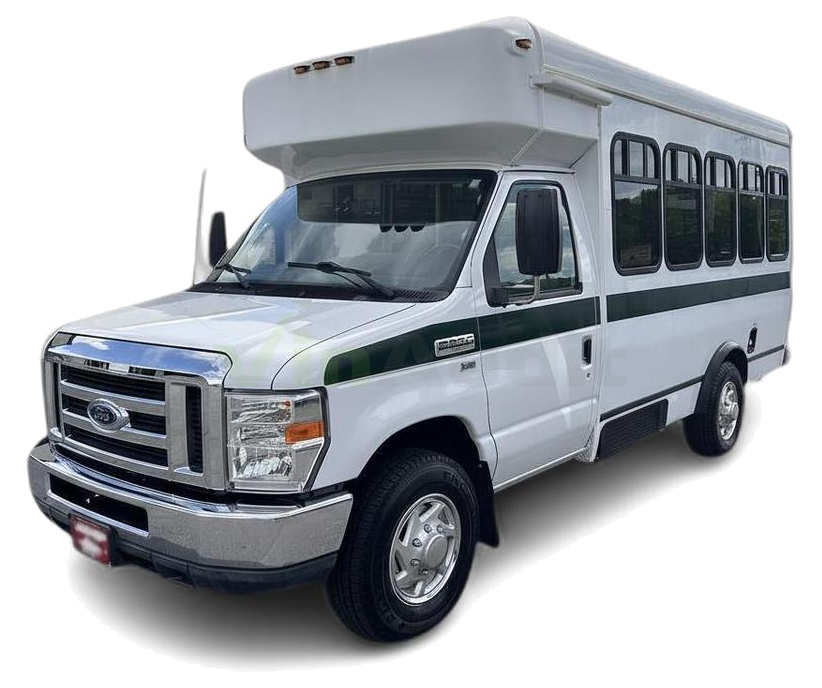
The Good
The 2012 E-250 excels in sheer utility, offering strong performance for hauling and towing that practical buyers appreciate. Its renowned reliability and durable construction inspire confidence for long-term use. While comfort is functional, its value proposition is immense for those needing a capable and dependable vehicle that can handle tough jobs, appealing to the wallet and the peace of mind.
The Bad
Potential buyers of the 2012 Ford E-250 should be aware of its dated interior design and technology, which can feel primitive compared to modern vehicles. Fuel economy is also a significant drawback, especially for commercial use. Some owners have reported issues with braking systems and electrical components over time.
2012 Ford E-250: Quick Overview
- Engine Options: The 2012 Ford E-250 was typically offered with two primary gasoline engine options:
- 4.6-liter V8 Triton
- 5.4-liter V8 Triton
- Horsepower:
- 4.6L V8: Approximately 225-255 horsepower
- 5.4L V8: Approximately 255-300 horsepower
- 4.9L I6: Approximately 150-190 horsepower
- Fuel Economy: As a large, heavy-duty van, fuel economy was not a strong suit. Expect low MPG figures, generally in the range of 10-15 MPG combined, depending heavily on engine choice, payload, and driving conditions.
- 0-60 Times: Precise 0-60 mph times are rarely published for these commercial vehicles, as it's not a primary performance metric. However, with their heavy build and focus on torque, acceleration would be leisurely, likely in the 9-12 second range for lighter loads.
- Towing Capacity: The E-250 offered substantial towing capabilities. Properly equipped, it could tow well over 7,000 pounds, with some configurations reaching up to 10,000 pounds or more, making it suitable for heavy trailers.
- Trim-Level Features: The E-250 was more about function than luxury. Key features often included:
- Base/XL Trim: Vinyl flooring, basic cloth seating, power windows/locks (often optional), AM/FM radio, manual air conditioning.
- XLT Trim: Often added upgraded cloth seating, cruise control, a slightly more refined interior, and potentially better sound systems.
- Commercial vs. Passenger: The primary differentiator was the interior configuration. Commercial models prioritized cargo space with fewer seats and basic amenities, while passenger versions featured multiple rows of seating for up to 12 occupants, often with better interior appointments. Optional equipment included running boards, upgraded audio systems, and different axle ratios for enhanced towing.
- Base/XL Trim: Vinyl flooring, basic cloth seating, power windows/locks (often optional), AM/FM radio, manual air conditioning.
2012 Ford E-250 Specifications
Vehicle Information
| Year | 2012 |
| Make | Ford |
| Model | E-250 |
| Trim | - |
| Style | - |
| Type | Van |
| Category | Cargo Van |
Manufacturing Details
| Made In | United States |
| Manufacturing City | AVON LAKE |
Dimensions
| Doors | 3-Door |
| Curb Weight | 2409.93 kg |
| Gross Vehicle Weight Rating | 4036.97 kg |
| Overall Height | 215.39 cm |
| Overall Length | 551.18 cm |
| Overall Width | 201.42 cm |
| Wheelbase Length | 350.52 cm |
| Standard Seating | 2 |
Engine & Performance
| Engine | 4.6L V8 |
| Engine Size | 4.6L |
| Engine Cylinders | 8 |
| Transmission | 4-Speed Automatic |
| Transmission Type | Automatic |
| Transmission Speeds | 4-Speed |
| Drivetrain | Rear-Wheel Drive |
Additional Features
| Anti-Brake System | 4-Wheel ABS |
| Steering Type | Recirculating |
Pricing
| Manufacturer Suggested Retail Price (MSRP) | $27,630 USD |
| Invoice Price | $25,537 USD |
| Delivery Charges | $995 USD |
Vehicle History Report
Specifications
History
Events
History Check
Check
Check
Check
Check
Listings
Recalls
Check
Analysis
What Problems Does the 2012 Ford E-250 Have?
Another area to watch out for is the cooling system. Over time, radiators can develop leaks, and water pumps may need replacement. Overheating issues, if not addressed promptly, can lead to more significant engine damage. The exhaust system, especially on higher-mileage vehicles, can also be prone to rust and require repairs.
Brake components, including rotors and pads, will naturally wear out given the E-250's substantial weight and intended use, but some reports suggest premature wear in certain conditions. Electrical gremlins, though not epidemic, can occasionally pop up, affecting things like interior lights, power accessories, or the instrument cluster. These can sometimes be traced to corroded grounds or failing sensors.
Regarding recalls for the 2012 model year specifically, it's always advisable to check with Ford or the NHTSA database for any open safety recalls applicable to the VIN. Common recall areas for vans of this era can include issues with airbags, fuel systems, or braking components.
In terms of long-term reliability, the V8 Triton engines are generally considered dependable, capable of reaching several hundred thousand miles with consistent maintenance. The chassis and body are built to withstand heavy use. However, the vehicle's age means that wear and tear on suspension components, such as ball joints and bushings, is to be expected and will likely require attention on higher-mileage examples. The overall reliability is strong, but buyers should be prepared for maintenance related to a heavy-duty vehicle that has likely seen significant work.
How long will the 2012 Ford E-250 last?
What Technology & Safety Features are Included?
Tech and Entertainment: In terms of built-in technology, the E-250 is fairly basic. Standard entertainment features typically included an AM/FM radio and an auxiliary audio input jack for connecting portable music devices. Higher trims or optional packages might have offered a CD player. Bluetooth connectivity for hands-free calling or audio streaming was generally not standard and would have been a rare optional upgrade or an aftermarket addition. Navigation systems were not a common factory option for this model year. The instrument cluster was functional, providing essential driving information without extensive digital displays.
Driver-Assistance Features: Driver-assistance features were very limited on the 2012 E-250. Standard safety features would have included basic anti-lock brakes (ABS) for improved stopping power and a rearview mirror. Backup cameras were not a standard offering and would have been a rare aftermarket installation. Advanced driver aids like lane departure warning, blind-spot monitoring, or adaptive cruise control were non-existent.
Safety Features: Standard safety equipment included front airbags for the driver and front passenger. Depending on the configuration, side-impact airbags might have been optional, particularly in passenger versions. Seatbelts with pretensioners were standard. The E-250 was built on a traditional body-on-frame chassis, which provides inherent structural integrity in a collision, but its large size and weight were its primary safety assets.
Crash-Test Ratings: Specific crash-test ratings for the 2012 Ford E-250 are not readily available from organizations like the NHTSA or IIHS in the same detailed manner as modern passenger vehicles. Vans of this era, especially those focused on commercial use, often underwent different testing protocols or were not subjected to the full suite of modern tests. However, its heavy-duty construction generally suggests it would offer decent occupant protection in certain types of impacts, though the lack of advanced safety features would place it behind contemporary vehicles in overall safety technology.
What Colors Options are Available?
2012 Ford E-250 Prices and Market Value
Currently, the used market price for a 2012 Ford E-250 can range broadly from around $8,000 to $20,000, heavily dependent on mileage, condition, trim level, and service history. These vans have undergone moderate depreciation, which is typical for commercial vehicles. Factors significantly affecting resale value include the overall condition of the body and interior, the mechanical soundness of the engine and transmission, tire wear, and any previous commercial use (e.g., frequent heavy hauling can reduce value). A well-maintained E-250 with lower mileage and a clean history will always command a higher price. The E-250's reputation for durability and utility helps it retain value better than many comparable passenger vehicles.
2012 Ford E-250 Cost of Ownership
2012 Ford E-250 Fuel Efficiency
2012 Ford E-250 Safety Rating
NHTSA
IIHS
2012 Ford E-250 Recalls & Defects
Equipment
Equipment Adaptive/Mobility
Equipment Adaptive/Mobility
Fuel System, Other:storage
Fuel System, Other:delivery:hoses, Lines/Piping, and Fittings
Fuel System, Other:delivery:hoses, Lines/Piping, and Fittings
Equipment Adaptive/Mobility
Equipment Adaptive/Mobility
Equipment Adaptive/Mobility
Equipment Adaptive/Mobility
Equipment Adaptive/Mobility
Equipment Adaptive/Mobility
2012 Ford E-250 Warranty
Basic
Powertrain
Rust
2012 Ford E-250 Insurance
reasonable repair costs.
How Does the 2012 Ford E-250 Compare to Other Van?
Performance: In terms of raw performance, particularly towing and hauling, the E-250 with its V8 engines was a strong contender. It offered robust powertrains designed for demanding tasks. The Chevrolet Express 2500 offered similar V8 options and comparable towing capacities, often seen as a direct competitor in terms of brute force.
Features: When it comes to features, the 2012 E-250 and its contemporaries were generally utilitarian. The E-250's interior was functional but dated, lacking the modern tech and comfort amenities found in newer designs. The Express shared a similar philosophy, focusing on durability over luxury. In this regard, the E-250 was neither a standout nor a laggard; it provided what was necessary for its intended purpose.
Reliability: The Ford E-Series platform, including the E-250, has a long-standing reputation for exceptional reliability and durability. While specific components can fail, the overall engineering is proven and capable of high mileage with good maintenance. The Chevrolet Express also boasts good reliability, though some owners might cite minor electrical quirks more frequently.
Price: On the used market, the 2012 E-250 offers excellent value. Its pricing is often competitive with the Chevrolet Express 2500, with condition and mileage being the primary determinants.
Alternatives:
* Chevrolet Express 2500: A very similar alternative. If you find a well-maintained Express 2500, it's a comparable choice offering similar capabilities and a slightly different driving feel.
* Mercedes-Benz Sprinter: For those prioritizing a more refined ride, better fuel economy (with diesel options), and more modern features, the Mercedes-Benz Sprinter is a premium alternative, though significantly more expensive to purchase and maintain.
* Ford Transit (Newer Models): If looking for a more modern Ford van with better handling, improved fuel efficiency, and updated technology, a newer generation Ford Transit would be a significant upgrade, but at a considerably higher cost.
For buyers seeking a no-nonsense, durable van focused on utility and value, the 2012 E-250 remains a solid option, especially when compared to its direct, contemporary rivals like the Express 2500.
Final Verdict: Is the 2012 Ford E-250 a Good Van?
It is best purchased used, as new models are no longer available, and its value proposition shines brightest in the pre-owned segment. When considering a purchase, opt for well-maintained examples, ideally with documented service history. Cargo van configurations are excellent for businesses, while passenger variants can serve larger families or shuttle services needing robust transportation. Avoid units with excessive wear and tear, especially those that have been heavily worked without proper upkeep. For its intended purpose, the E-250 remains a capable and often wise investment for practical needs.

Cathleen V
Cathleen is an exceptional freelance writer covering hot topics in the automotive world from a gearhead's perspective. Her articles delve into various aspects of automotive technology and history, offering readers detailed insights into engine performance, reliability, and maintenance. Through her engaging and informative writing, Cathleen provides valuable information to automotive enthusiasts and consumers alike, helping them make informed decisions about vehicle maintenance and purchases.