by VIN, Year, Make, Model by License Plate

1993 Porsche 911 Overview, Reviews, Ratings & Specs

Rating: 0.00
Based on 0 Owner Reviews
Cathleen V | September 24, 2025
The 1993 Porsche 911 belongs to the highly regarded 964 generation (1989-1994), which masterfully blended traditional 911 air-cooled charm with modern engineering like coil spring suspension and power steering. Available as a Coupe, Targa, or Cabriolet, key trims included the Carrera 2, Carrera 4, and the potent Turbo. What makes it stand out is its engaging, raw driving experience and iconic design, retaining the classic air-cooled flat-six engine that enthusiasts adore, making it a highly sought-after collector's item today, with pricing varying widely from $50,000 to over $150,000 depending on condition and trim.
The Good

The 1993 Porsche 911 offers an exhilarating blend of performance and timeless design, appealing to emotional buyers with its iconic air-cooled engine sound, precise handling, and pure driving dynamics. Practically, it boasts a robust build quality, good long-term reliability with proper maintenance, and strong value retention, often appreciating. Its unique character and superb driving experience make it a cherished investment and a joy to own.


The Bad

Known weaknesses of the 1993 Porsche 911 include common oil leaks, particularly from the timing chain cover and various seals, and potential for aging electrical issues. The 'dessert plate' climate control unit can be problematic, and worn suspension components or engine mounts are typical. These issues can lead to expensive repairs if not addressed promptly.

1993 Porsche 911: Quick Overview

Here is a summary of the 1993 Porsche 911's key specifications:

  • Engine Options:
    • Carrera 2 (C2) and Carrera 4 (C4): 3.6-liter air-cooled flat-six (M64/01).
    • 911 Turbo: 3.6-liter air-cooled flat-six (M64/50) with a KKK K27 turbocharger.
  • Horsepower:
    • Carrera 2/4: Approximately 247 hp (250 PS).
    • 911 Turbo: Approximately 355 hp (360 PS).
  • Fuel Economy: (Estimates vary significantly based on driving style and conditions)
    • Carrera 2/4: Around 17-22 MPG combined.
    • 911 Turbo: Roughly 14-18 MPG combined.
  • 0-60 MPH Times:
    • Carrera 2/4: Typically in the 5.5 to 5.7 second range.
    • 911 Turbo: Impressive 4.5 to 4.8 seconds.
  • Towing Capacity: Not applicable for this type of high-performance sports car.
  • Trim-Level Features:
    • Carrera 2 (C2): Rear-wheel drive, offered with a 5-speed manual or 4-speed Tiptronic automatic transmission. Standard features included power steering, ABS, active rear spoiler, power windows, and central locking. Optional features often included leather upholstery and power-adjustable seats.
    • Carrera 4 (C4): Featured an advanced all-wheel-drive system for enhanced traction, especially in varied conditions. Shared many interior and comfort features with the C2, with similar transmission options.
    • RS America: A U.S.-market-exclusive lightweight, performance-focused variant based on the C2. It came standard with a 5-speed manual, "whale tail" spoiler, sport suspension, and 17-inch Cup wheels. To save weight, it deleted power steering and air conditioning as standard (though available as options), had lighter door panels, and removed the rear seats.
    • 911 Turbo: Distinguished by its wide bodywork, large fixed "whale tail" spoiler (housing the intercooler), and more aggressive aesthetics. It featured a more luxurious interior than the RS America and significantly upgraded brakes to match its increased power.

1993 Porsche 911 Specifications

Vehicle Information
Year 1993
Make Porsche
Model 911
Trim -
Style -
Type Coupe
Category Minicompact Car
Manufacturing Details
Made In Germany
Manufacturing City STUTTGART
Dimensions
Doors 2-Door
Curb Weight 3097 pounds
Gross Vehicle Weight Rating -
Overall Height 51.60 inches
Overall Length 168.30 inches
Overall Width 65.00 inches
Wheelbase Length 89.40 inches
Standard Seating 4
Engine & Performance
Engine 3.6L H6 DOHC 24V
Engine Size 3.6L
Engine Cylinders 6
Transmission 5-Speed Manual
Transmission Type Manual
Transmission Speeds 5-Speed
Drivetrain Rear-Wheel Drive
Additional Features
Anti-Brake System 4-Wheel ABS
Steering Type Rack & Pinion
Pricing
Manufacturer Suggested Retail Price (MSRP) $64,990
Invoice Price -
Delivery Charges -

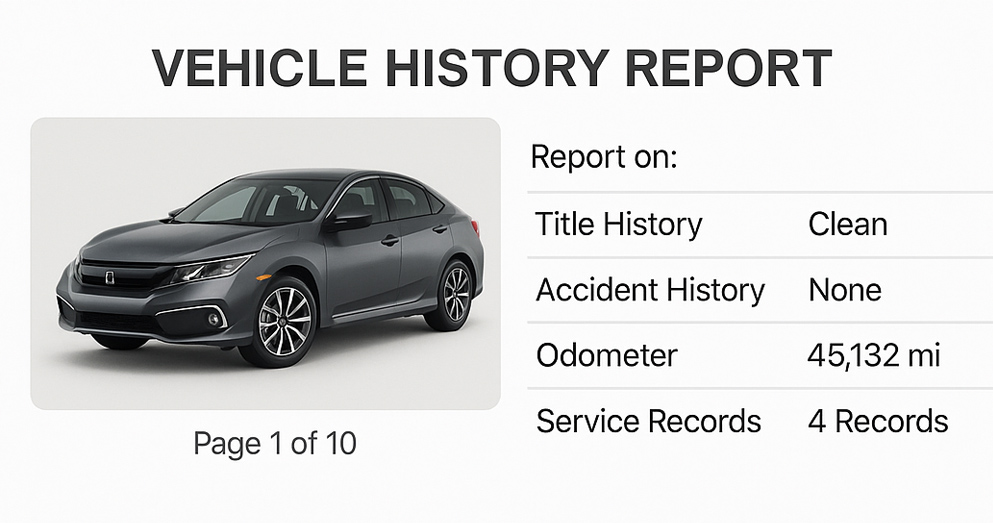
Vehicle History Report

Vehicle
Specifications
Ownership
History
All History
Events
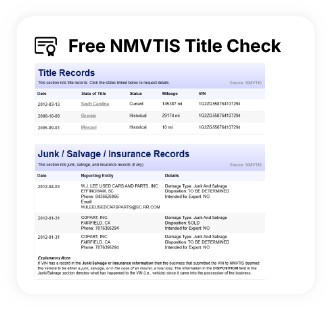
NMVTIS Title
History Check
Salvage/Rebuilt
Check
Accident
Check
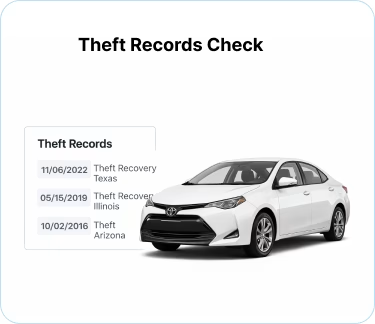
Theft
Check
Open Lien
Check
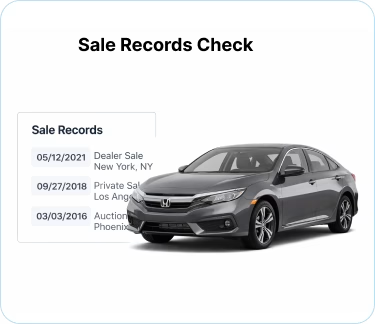
Past Sale
Listings
Safety
Recalls
Odometer
Check
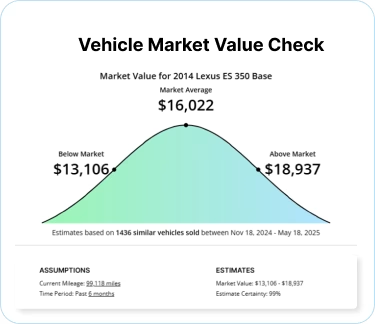
Market Price
Analysis

What Problems Does the 1993 Porsche 911 Have?

The 1993 Porsche 911, while generally robust, has several frequently reported problems and long-term reliability concerns, largely stemming from its age and the nature of air-cooled engines. The most pervasive issue is oil leaks. These M64 engines are notorious for leaks from various points, including the timing chain cover gaskets, valve cover gaskets, and main seals. While not always catastrophic, these leaks require attention and can be costly to repair due to engine-out procedures sometimes being necessary.
Another common headache is the complex "dessert plate" climate control unit. Its intricate design means components like the control head, blower motor resistors, and temperature sensors are prone to failure, leading to unreliable heating and air conditioning operation.
DME (Digital Motor Electronics) relay failures are also common, causing intermittent starting problems or sudden engine shutdowns. It's a relatively inexpensive part to replace, but can be frustrating if not diagnosed correctly.
Aging suspension components like bushings, shock absorbers, and engine mounts will invariably require replacement after three decades, impacting ride quality and handling. Power steering pump leaks and general hose degradation are also not uncommon. Furthermore, interior items like window regulators can fail, and dashboards are prone to cracking due to sun exposure over time.
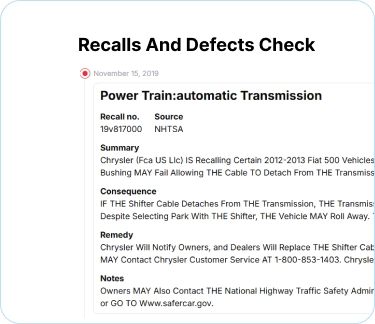
Regarding recalls, the 964 generation did have some, but specific to 1993, most were minor adjustments rather than widespread catastrophic failures. For instance, there were some early recalls concerning fuel line routing or airbag system sensors across the 964 range.
Long-term, the vehicle's reliability hinges heavily on diligent maintenance. While the air-cooled engine is fundamentally durable, neglecting oil changes, valve adjustments, or addressing minor leaks can lead to larger, more expensive issues down the line. The 1993 3.6L Turbo, being a higher-performance variant, demands even more stringent maintenance due to the added stress of forced induction.

How long will the 1993 Porsche 911 last?

The 1993 Porsche 911, particularly the 964 generation, exhibits remarkable long-term durability when properly maintained. It is not uncommon for these vehicles to accumulate well over 150,000 to 200,000 miles, and many examples remain on the road after 30 years of service. This longevity is a testament to Porsche's engineering and the robust nature of the air-cooled M64 engine.
However, long-term ownership does reveal certain weaknesses over time. Rubber components such as seals, suspension bushings, and engine mounts are subject to degradation and require periodic replacement to maintain performance and prevent leaks. Electrical connectors can become brittle, leading to intermittent issues. The complex HVAC system often requires extensive refurbishment. While the core mechanicals are strong, consistent preventative maintenance, especially addressing oil leaks and regular fluid changes, is crucial to ensuring these vehicles continue to perform reliably for decades.

What Technology & Safety Features are Included?

The 1993 Porsche 911, part of the 964 generation, brought a blend of traditional Porsche feel with more modern technologies for its era, though it's minimal by today's standards.
Built-in Tech & Driver Assistance: A significant advancement for the 964 was the introduction of power steering and Anti-lock Braking System (ABS) as standard, greatly enhancing drivability and safety compared to earlier 911s. The Carrera 4 variant featured a sophisticated all-wheel-drive (AWD) system, which was groundbreaking for a sports car at the time, distributing power electronically to improve traction and handling in diverse conditions. All models featured an active rear spoiler that automatically deployed at higher speeds to improve aerodynamic stability. For transmissions, beyond the standard 5-speed manual, Porsche offered the optional Tiptronic automatic transmission, allowing for manual gear selection, which was an innovative feature for its time. Driver assistance was limited to these mechanical and hydraulic systems; modern electronic traction or stability control systems were not present.
Entertainment: The standard entertainment system typically consisted of a basic AM/FM cassette stereo. Optional upgrades included a CD player or a trunk-mounted CD changer, though many owners have since upgraded to modern aftermarket head units.
Safety Features: In terms of safety, 1993 U.S.-spec 964s generally came equipped with driver and passenger airbags, a notable safety enhancement for its time. All models had robust 3-point seatbelts. The strong chassis construction inherently provided a degree of occupant protection.
Optional Features: Buyers could personalize their 911 with options such as air conditioning (standard on many, but optional/deleted on RS America), full leather interior, power-adjustable seats, heated seats, cruise control, a limited-slip differential, and various sport suspension packages or wheel designs.
Crash-Test Ratings: It is important to note that formal, standardized public crash-test ratings (like those from NHTSA or IIHS) for vehicles from 1993 are generally not available. Manufacturers performed internal tests to meet safety regulations, but consumer-facing ratings did not exist as they do today.

What Colors Options are Available?

We’re working on this section!
In the meantime, feel free to explore the other sections for more content.

1993 Porsche 911 Prices and Market Value

When new in 1993, a Porsche 911 Carrera 2 Coupe retailed for approximately $60,000-$65,000, while the more powerful 911 Turbo commanded prices upwards of $99,000-$110,000. These vehicles, like most luxury cars, experienced significant depreciation in their initial decades.
However, the 964 generation, and especially the 1993 models, have seen a dramatic reversal in fortunes. The current used market prices are robust and have appreciated substantially, transforming them from depreciating assets into coveted collector's items. Today, a well-maintained 1993 Carrera 2/4 can fetch between $50,000 and $90,000 or more, while rare trims like the RS America often exceed $80,000-$150,000. The 911 Turbo from this year is particularly strong, commanding $100,000 to over $250,000.
Factors critically affecting resale value include the vehicle's overall condition, comprehensive service history, originality (matching numbers, original paint), and mileage. Rarity also plays a huge role; limited-production trims like the RS America and Turbo models are highly sought after. Manual transmissions also generally command a premium over Tiptronic automatics.

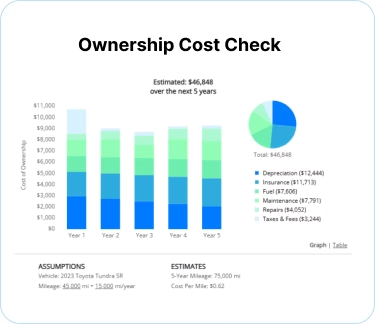
1993 Porsche 911 Cost of Ownership

Owning a 1993 Porsche 911 is decidedly costly. Insurance premiums can be substantial, though specialized classic car policies might offer better rates. Fuel costs are high due to its requirement for premium unleaded and relatively low fuel economy, typically 15-20 MPG.
Maintenance and repair are the most significant expenses. Routine service, especially for an air-cooled engine, demands specialist knowledge and can be pricey. Parts are expensive, and labor rates at reputable Porsche shops are high. Expect to budget several thousands annually for preventative maintenance and to address known issues like oil leaks, HVAC repairs, and aging components. This is a passion purchase, not an economical daily driver.

1993 Porsche 911 Fuel Efficiency

Fuel Type Gasoline
Fuel Capacity 20.30 gallons
City Mileage 16 miles/gallon
Highway Mileage 23 miles/gallon

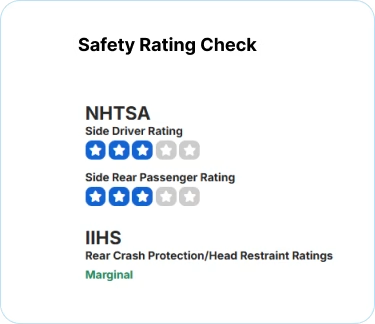
1993 Porsche 911 Safety Rating

NHTSA
Side Driver Rating Not Tested
Frontal Passenger Rating Not Tested
Rollover Rating Not Tested
Side Rear Passenger Rating Not Tested
Frontal Driver Rating Not Tested
IIHS
Moderate Overlap Front Test Results Not Tested

1993 Porsche 911 Warranty

Basic
Original warranty 0 months / No data
Estimated remaining Expired
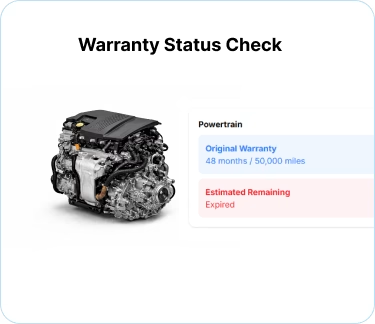
Powertrain
Original warranty 0 months / No data
Estimated remaining Expired
Rust
Original warranty 0 months / No data
Estimated remaining Expired

1993 Porsche 911 Insurance

Insurance for a 1993 Porsche 911 is moderately priced, reflecting its status as a Coupe with strong safety ratings and
reasonable repair costs.

How Does the 1993 Porsche 911 Compare to Other Coupe?

Stacking the 1993 Porsche 911 against its key rivals of the era reveals its unique position as a blend of heritage, performance, and evolving technology.
Performance: The 911 (964 generation) offers a visceral, engaging driving experience with its renowned air-cooled flat-six. The Carrera models provide strong acceleration and superb handling, while the Turbo variant is a genuine supercar killer, delivering immense power. Rivals like the Chevrolet Corvette C4 ZR-1 offered immense V8 power and straight-line speed but often lacked the 911's handling finesse and interior refinement. The Nissan 300ZX Twin Turbo was technologically advanced and very quick, boasting features like 4-wheel steering, but felt heavier and less "pure" than the Porsche. The Acura NSX, while less powerful than the 911 Turbo, was praised for its exotic looks, superb balance, and groundbreaking all-aluminum construction. A Ferrari 348 offered pure Italian passion and sound but was often criticized for challenging handling limits and notorious reliability concerns.
Features: The 911 brought modern features like standard ABS, power steering, and optional AWD (Carrera 4), along with airbags. The 300ZX TT was perhaps the most feature-rich, with advanced electronics. The NSX focused on driver ergonomics and light weight. The ZR-1 offered a more American luxury-sport approach.
Reliability: The 911 is generally reliable if meticulously maintained, though known air-cooled quirks like oil leaks contribute to high ownership costs. The NSX is widely regarded as the benchmark for reliability among its peers, a testament to Honda's engineering. The ZR-1 is robust but can have build quality inconsistencies. The 300ZX TT's complexity can lead to expensive repairs. The Ferrari 348 is often seen as the least reliable and most expensive to maintain.
Price (Current Used Market): The 1993 911 has seen significant appreciation, with Carrera models now fetching $50,000-$90,000+ and Turbos well over $100,000-$250,000. The NSX has also soared, ranging from $80,000-$200,000+. The ZR-1 offers excellent performance value at $30,000-$70,000+, while the 300ZX TT is a relative bargain at $20,000-$50,000. The Ferrari 348 sits in a similar range to the 911 Carrera, around $70,000-$150,000+.
Recommendations:
For those prioritizing Japanese reliability and exotic appeal, the Acura NSX is an excellent, appreciating alternative. If a more modern air-cooled experience is desired, a later Porsche 993 (1995-1998) offers refinement. For sheer brute force and value, the Corvette C4 ZR-1 is compelling. For a tech-laden Japanese GT, the Nissan 300ZX Twin Turbo offers a lot for the money.

Final Verdict: Is the 1993 Porsche 911 a Good Coupe?

The 1993 Porsche 911 is an ideal vehicle for the dedicated enthusiast and collector who yearns for the iconic, unadulterated air-cooled driving experience. It suits buyers who appreciate timeless design, exceptional analog feedback, and the prestige of owning a piece of Porsche history that is also an appreciating asset.
It is absolutely worth buying for those willing to commit to its unique ownership proposition. This is an exclusively used vehicle, and the best conditions for purchase involve a thorough pre-purchase inspection by a reputable Porsche specialist. Focus on well-documented examples with comprehensive service histories, as neglected 964s can be financial black holes. For a pure experience, a Carrera 2 manual is superb. The RS America offers track-focused rarity, and the Turbo is a high-performance investment. Be prepared for significant long-term ownership costs; this is not an economical car, but rather a rewarding passion project for the discerning enthusiast with a healthy maintenance budget.

1993 Porsche 911 Owner Reviews

0.00
Consumer Rating, Based on 0 Consumer Reviews
Overall rating
Cancel
Thank You for Your Review!

We truly appreciate the time and effort you took to share your experience with us.

Uh oh!

Something went wrong, please try again later.

Author Image
Cathleen V

Cathleen is an exceptional freelance writer covering hot topics in the automotive world from a gearhead's perspective. Her articles delve into various aspects of automotive technology and history, offering readers detailed insights into engine performance, reliability, and maintenance. Through her engaging and informative writing, Cathleen provides valuable information to automotive enthusiasts and consumers alike, helping them make informed decisions about vehicle maintenance and purchases.