
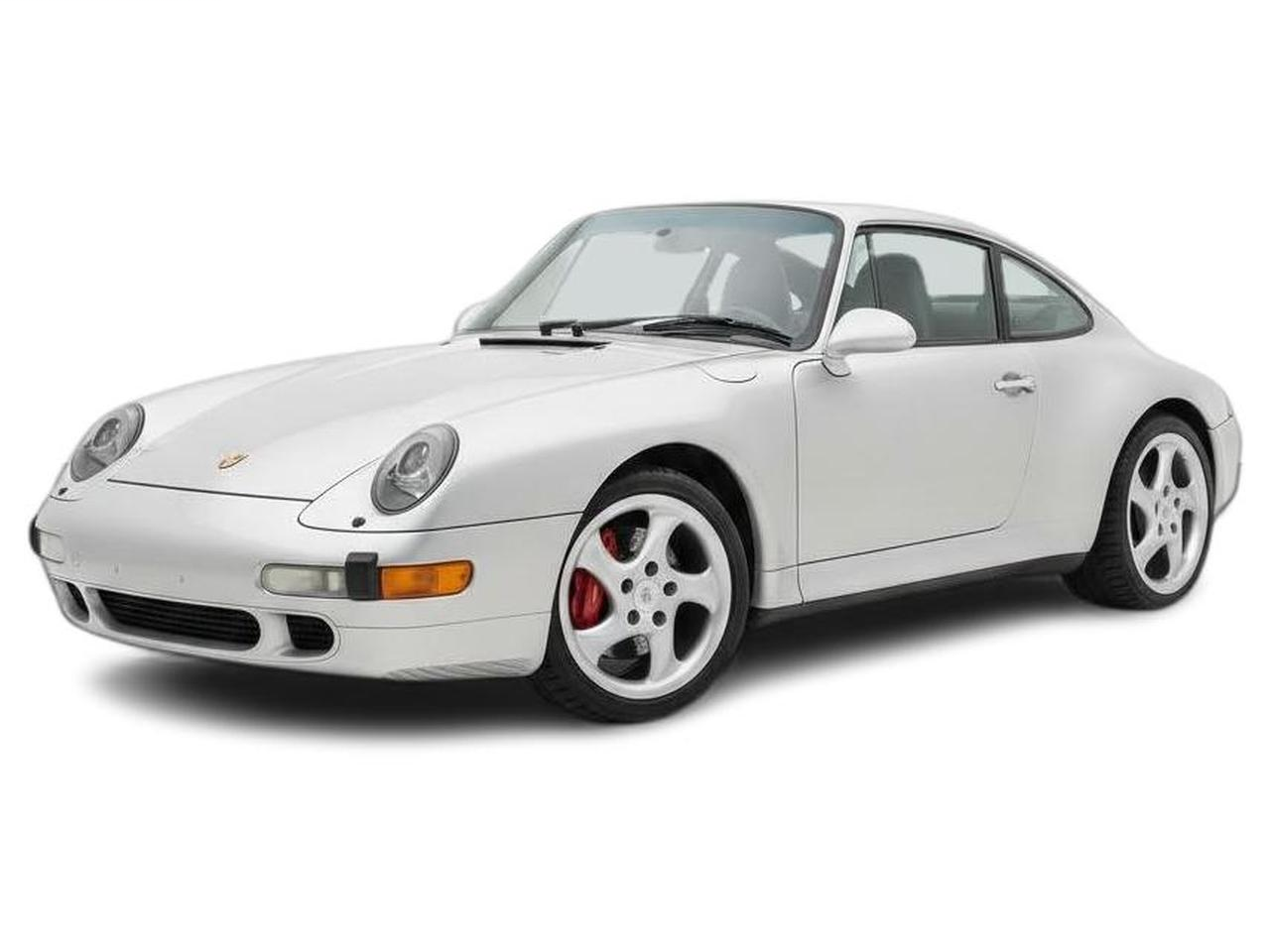
The 1998 Porsche 911, part of the iconic 996 generation, marked a significant shift for the marque with its water-cooled engine. Available as a Coupe, Targa, or Cabriolet, it succeeded the beloved air-cooled 993. Key trims include the Carrera and Carrera 4. While new pricing was substantial, its enduring appeal lies in its quintessential Porsche driving dynamics fused with modern advancements, making it a highly sought-after sports car.
The Good
The 1998 911 offers exhilarating performance and precise handling, a thrill for enthusiasts. Its timeless design, though debated, is unmistakably Porsche. For practical buyers, it provides a surprisingly comfortable daily driver and a reliable investment with strong residual value.
The Bad
Potential buyers of the 1998 911 should be aware of the infamous IMS bearing failure, coolant leaks, and rear main seal issues. Early models also had interior plastic quality concerns and potential suspension component wear.
1998 Porsche 911: Quick Overview
- Engine Options: The primary engine for the 1998 Porsche 911 was a 3.4-liter flat-six, replacing the air-cooled units of previous generations.
- Horsepower: This 3.4L engine produced approximately 296 horsepower.
- Fuel Economy: Estimated fuel economy for the 1998 911 was around 17 MPG city and 24 MPG highway.
- 0-60 Times: Acceleration from 0-60 mph was typically around 5.2 seconds for the manual transmission models.
- Towing Capacity: The 1998 Porsche 911 does not have a towing capacity as it is a sports car.
- Trim-Level Features:
Carrera: This was the standard rear-wheel-drive model, featuring a potent flat-six engine, sport-tuned suspension, power-adjustable seats, automatic climate control, and a premium audio system. Standard safety features included airbags and ABS.
Carrera 4: This trim added Porsche's all-wheel-drive system for enhanced traction and stability, with similar interior and comfort features to the Carrera. The AWD system provided improved handling in various conditions. - Optional Features: Buyers could opt for features like a factory hardtop for the Cabriolet, upgraded leather interiors, a sport exhaust system, navigation systems, and power-adjustable sport seats.
1998 Porsche 911 Specifications
Vehicle Information
| Year | 1998 |
| Make | Porsche |
| Model | 911 |
| Trim | - |
| Style | - |
| Type | Cabriolet |
| Category | Compact Car |
Manufacturing Details
| Made In | Germany |
| Manufacturing City | UUSIKAUPUNKI |
Dimensions
| Doors | 2-Door |
| Curb Weight | - |
| Gross Vehicle Weight Rating | - |
| Overall Height | - |
| Overall Length | - |
| Overall Width | - |
| Wheelbase Length | - |
| Standard Seating | - |
Engine & Performance
| Engine | 3.6L |
| Engine Size | 3.6L |
| Engine Cylinders | 6 |
| Transmission | 6-Speed Manual |
| Transmission Type | Manual |
| Transmission Speeds | 6-Speed |
| Drivetrain | Rear-Wheel Drive |
Additional Features
| Anti-Brake System | - |
| Steering Type | - |
Pricing
| Manufacturer Suggested Retail Price (MSRP) | - |
| Invoice Price | - |
| Delivery Charges | - |
Vehicle History Report
Vehicle
Specifications
Specifications
Ownership
History
History
All History
Events
Events
NMVTIS Title
History Check
History Check
Salvage/Rebuilt
Check
Check
Accident
Check
Check
Theft
Check
Check
Open Lien
Check
Check
Past Sale
Listings
Listings
Safety
Recalls
Recalls
Odometer
Check
Check
Market Price
Analysis
Analysis
What Problems Does the 1998 Porsche 911 Have?
The 1998 Porsche 911, being the first year of the 996 generation, is known for several common issues that prospective buyers should be aware of. The most significant and widely discussed concern is the Intermediate Shaft (IMS) bearing failure. This bearing lubricates crucial engine components, and its failure can lead to catastrophic engine damage, often requiring a complete engine rebuild or replacement. While it didn't affect every car, it is a significant risk. Another common issue is coolant leaks, particularly from the plastic water pump and associated hoses. The original plastic components can degrade over time, leading to significant coolant loss and potential engine overheating if not addressed promptly. Rear main seal leaks are also frequently reported, which can lead to oil seeping onto the clutch assembly. Some early 996 models also suffered from interior trim degradation, with plastics becoming sticky or brittle, and the infamous "divorce" of the dashboard materials. While there weren't widespread recalls directly for the 1998 model year that dramatically altered its long-term reliability, ongoing maintenance and attention to these known weak points are crucial for ensuring the longevity of the vehicle. Owners who have proactively addressed these potential issues, such as upgrading the IMS bearing and replacing plastic cooling components with more robust metal alternatives, tend to experience better long-term reliability. The switch to a water-cooled engine, while necessary for emissions and performance, also introduced complexities not present in the beloved air-cooled predecessors.
How long will the 1998 Porsche 911 last?
With proper and consistent maintenance, a 1998 Porsche 911 can reliably serve for well over 150,000 miles and potentially reach 200,000 miles or more. However, this is heavily dependent on addressing the known weaknesses, particularly the IMS bearing and cooling system. Cars that have had these proactively addressed and have regular oil changes with quality synthetic oil will undoubtedly last longer. Neglecting these common issues can drastically reduce its lifespan. The chassis and drivetrain are inherently robust, but the specific components of the 996 generation require diligent attention to avoid costly failures. Many owners continue to drive and enjoy their 996s for decades, testament to their underlying durability when well-cared-for.
What Technology & Safety Features are Included?
The 1998 Porsche 911, while a performance-focused machine, offered a respectable suite of technology, entertainment, and safety features for its era, though it prioritized driving engagement over cutting-edge gadgetry. Standard entertainment typically included a high-fidelity radio with CD player and a modest number of speakers. Options allowed for upgraded sound systems from brands like Bose, offering a more immersive audio experience. Navigation systems were available, though they were rudimentary by today's standards, often featuring monochrome screens and less precise guidance. Driver-assistance features were minimal; the focus was on the driver's skill. Standard safety equipment included front airbags for the driver and passenger, anti-lock braking system (ABS) for enhanced stopping power, and traction control (often referred to as PSM - Porsche Stability Management - as an option or standard on certain trims/years, though the 1998 model may have had it as an option). The 996 generation was built on a very strong chassis, contributing to its inherent safety. While specific official crash-test ratings for the 1998 model are not as readily available or as detailed as modern tests (NHTSA and IIHS ratings were less comprehensive then), the engineering and construction of the 911 have historically been excellent, providing a protective occupant cell. Optional safety features could include Xenon headlights for improved night visibility. The interior controls were driver-centric, with a focus on ease of use for essential functions, reflecting Porsche's philosophy of blending performance with practicality.
What Colors Options are Available?
1998 Porsche 911 Prices and Market Value
When new, the 1998 Porsche 911 Carrera had an MSRP typically starting in the high $60,000s to low $70,000s, with the Carrera 4 and optional equipment pushing the price well into the $80,000s. The 996 generation experienced a steeper initial depreciation compared to its air-cooled predecessors, a common trait for newly introduced generations. However, in the current used market, prices for well-maintained 1998 911s typically range from $20,000 to $40,000, depending heavily on mileage, condition, trim, and service history. Models with documented IMS bearing upgrades and low mileage command higher values. Factors affecting resale value include originality, accident history, manual transmission preference (often sought after), and the presence of desirable factory options. These cars have largely bottomed out in depreciation and are now seen as appreciating assets by many enthusiasts.
1998 Porsche 911 Cost of Ownership
Owning a 1998 Porsche 911 is decidedly costly, not economical. Insurance premiums will be higher than average due to the vehicle's performance and replacement value. Fuel economy, while not terrible for its performance, requires premium gasoline. Maintenance is specialized; routine servicing by a Porsche-certified mechanic is recommended and priced accordingly. Repairs, especially for the known engine issues like IMS bearing replacement or coolant system overhauls, can be extremely expensive, easily running into thousands of dollars. Long-term ownership costs demand a significant budget, making it a passion purchase for those who can afford the upkeep.
1998 Porsche 911 Fuel Efficiency
Fuel Type
Gasoline
Fuel Capacity
-
City Mileage
-
Highway Mileage
-
1998 Porsche 911 Insurance
Insurance for a 1998 Porsche 911 is moderately priced, reflecting its status as a Cabriolet with strong safety ratings and
reasonable repair costs.
How Does the 1998 Porsche 911 Compare to Other Cabriolet?
The 1998 Porsche 911 competed against a formidable array of sports cars. In terms of performance, it squared off against rivals like the Chevrolet Corvette C5, Ferrari 355, and Nissan 300ZX Twin Turbo. The Corvette C5 offered blistering straight-line speed and impressive handling at a significantly lower price point, though it lacked the refined interior and prestige of the Porsche. The Ferrari 355 provided exotic looks and a V8 symphony but came with substantially higher purchase and maintenance costs, and questionable reliability. The Nissan 300ZX Twin Turbo offered strong performance and advanced technology for its time but was often seen as less of a pure sports car than the 911.
When considering features, the 911 offered a more driver-focused experience than many competitors, with excellent ergonomics and a robust build quality. However, it lagged behind some in terms of advanced tech like navigation compared to luxury sports coupes. Reliability is where the 996 generation 911 faced its biggest challenge compared to some rivals. While the chassis and basic mechanicals are strong, the specific issues like IMS bearing failure and coolant leaks were a significant concern, especially when stacked against the generally more dependable Corvette C5.
In terms of price, the 911 was positioned as a premium offering. The 1998 911 was priced higher than the Corvette and often comparable to or less than some exotic offerings.
Similar or Better Alternatives:
- Porsche 911 (993 Generation): If the iconic air-cooled engine and potentially better long-term reliability are paramount, a late-model 993 Carrera or Carrera S would be a superior choice, though prices are significantly higher.
- Chevrolet Corvette C5: For raw performance and value, the C5 Corvette is a strong contender. It offers similar or better acceleration and handling for a fraction of the price, though with a less prestigious badge and a more utilitarian interior.
- BMW M3 (E36/E46): While not a direct competitor in terms of ultimate performance, the M3 offers a fantastic blend of sporty driving dynamics, practicality, and build quality at a more accessible price point, especially the E36 generation.
Final Verdict: Is the 1998 Porsche 911 a Good Cabriolet?
The 1998 Porsche 911 is ideal for the discerning automotive enthusiast who appreciates the iconic 911 lineage but desires a more modern driving experience and creature comforts than older generations. It's a worthy purchase, but primarily as a used vehicle, as new examples are long gone. It is absolutely crucial to buy one with a thoroughly documented history, ideally with proof of IMS bearing upgrade and recent cooling system maintenance. The Carrera trim is a great entry point, while the Carrera 4 offers all-weather capability. It is worth buying if you have a healthy budget for potential repairs and understand the risks associated with the early 996 models. For those seeking an affordable entry into Porsche ownership with exhilarating performance, it can be a rewarding, albeit cautionary, choice.
