The 1996 Nissan Altima, part of the second generation (1993-1997), was a popular mid-size sedan known for its sporty driving dynamics and surprisingly spacious interior. Available in trims like the GXE, GLE, and SE, it offered a compelling blend of performance and practicality for its era. Its appeal lay in providing a more engaging driving experience than many competitors, often at a competitive price point.
The Good
The 1996 Altima excelled with its responsive engine and nimble handling, satisfying driving enthusiasts. For practical buyers, its solid reliability and comfortable ride made it an excellent daily driver, offering good value and respectable fuel efficiency.
The Bad
Potential buyers should be aware of common issues like automatic transmission failures, particularly in earlier models. Rust on the body and suspension components, as well as some electrical gremlins, are also points to watch out for.
1996 Nissan Altima: Quick Overview
- Engine Options: The primary engine for the 1996 Nissan Altima was a 2.4-liter DOHC 16-valve inline-4.
- Horsepower: This engine produced approximately 150 horsepower at 6,000 rpm and 154 lb-ft of torque at 4,000 rpm.
- Fuel Economy: EPA estimated fuel economy varied slightly with transmission type. For manual transmissions, it was around 21 mpg city / 27 mpg highway. For automatic transmissions, it was approximately 20 mpg city / 25 mpg highway.
- 0-60 Times: While official figures can vary, the 1996 Altima typically achieved 0-60 mph in the mid-to-high 8-second range, making it relatively sprightly for its class.

- Towing Capacity: The 1996 Nissan Altima was not designed for towing, and therefore, towing capacity is not applicable.
- Trim-Level Features: The Altima was offered in several trims, each with increasing levels of standard equipment:
- GXE: The base model, typically featuring power windows, power locks, cruise control, and a tilt steering wheel.
- GLE (Luxury Edition): Added features like upgraded upholstery, a power driver's seat, alloy wheels, and a premium sound system.
- SE (Sport Edition): Focused on performance, often including a sport-tuned suspension, fog lights, and a rear spoiler. It might also have featured unique interior accents.

1996 Nissan Altima Specifications
Vehicle Information
| Year | 1996 |
| Make | Nissan |
| Model | Altima |
| Trim | - |
| Style | - |
| Type | Sedan |
| Category | Compact Car |
Manufacturing Details
| Made In | United States |
| Manufacturing City | AGUASCALIENTES CITY |
Dimensions
| Doors | 4-Door |
| Curb Weight | - |
| Gross Vehicle Weight Rating | - |
| Overall Height | - |
| Overall Length | - |
| Overall Width | - |
| Wheelbase Length | - |
| Standard Seating | - |
Engine & Performance
| Engine | KA24 |
| Engine Size | 2.4L |
| Engine Cylinders | 4 |
| Transmission | - |
| Transmission Type | - |
| Transmission Speeds | - |
| Drivetrain | Front-Wheel Drive |
Additional Features
| Anti-Brake System | - |
| Steering Type | - |
Pricing
| Manufacturer Suggested Retail Price (MSRP) | - |
| Invoice Price | - |
| Delivery Charges | - |
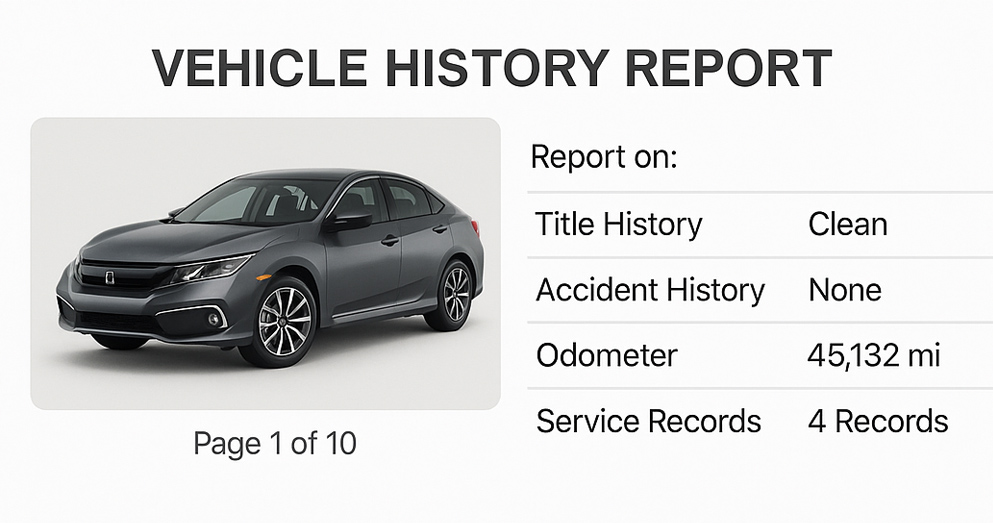
Vehicle History Report
Vehicle
Specifications
Specifications
Ownership
History
History
All History
Events
Events
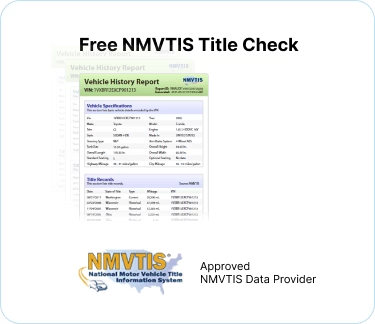
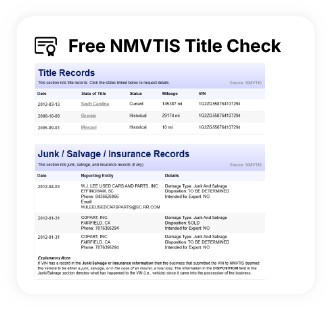
NMVTIS Title
History Check
History Check
Salvage/Rebuilt
Check
Check
Accident
Check
Check
Theft
Check
Check
Open Lien
Check
Check
Past Sale
Listings
Listings
Safety
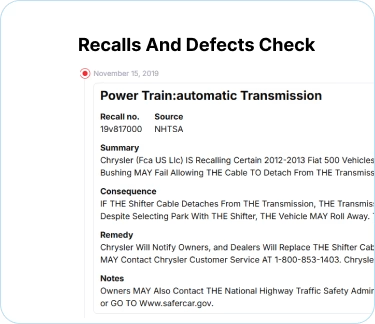
Recalls
Recalls
Odometer
Check
Check
Market Price
Analysis
Analysis
What Problems Does the 1996 Nissan Altima Have?
The 1996 Nissan Altima, while generally considered a decent car for its time, is not without its common issues, particularly as it ages. One of the most frequently reported and concerning problems revolves around the automatic transmission. Many owners have experienced premature failure of the transmission, often manifesting as slipping gears, delayed engagement, or complete loss of drive. This issue seems to be more prevalent in models with higher mileage and is a significant expense to repair.

Another area of concern is the potential for rust, especially in regions with harsh winters or high humidity. Rust can affect the unibody structure, suspension components, brake lines, and wheel wells. Inspecting these areas thoroughly is crucial when considering a used 1996 Altima.
Some owners have also reported issues with the vehicle's cooling system, including radiator leaks and blown head gaskets. These can lead to overheating and further engine damage if not addressed promptly. Electrical gremlins are also not uncommon with older vehicles, and the Altima can suffer from malfunctioning power windows, door locks, and instrument cluster issues.
While there haven't been widespread, major recalls specifically targeting the 1996 model year for catastrophic failures, it's always advisable to check the National Highway Traffic Safety Administration (NHTSA) website for any specific recalls that may have been issued. Long-term reliability is heavily dependent on the vehicle's maintenance history. Those that have been meticulously maintained are more likely to be dependable, but even well-cared-for examples can succumb to age-related component wear.
Another area of concern is the potential for rust, especially in regions with harsh winters or high humidity. Rust can affect the unibody structure, suspension components, brake lines, and wheel wells. Inspecting these areas thoroughly is crucial when considering a used 1996 Altima.
Some owners have also reported issues with the vehicle's cooling system, including radiator leaks and blown head gaskets. These can lead to overheating and further engine damage if not addressed promptly. Electrical gremlins are also not uncommon with older vehicles, and the Altima can suffer from malfunctioning power windows, door locks, and instrument cluster issues.
While there haven't been widespread, major recalls specifically targeting the 1996 model year for catastrophic failures, it's always advisable to check the National Highway Traffic Safety Administration (NHTSA) website for any specific recalls that may have been issued. Long-term reliability is heavily dependent on the vehicle's maintenance history. Those that have been meticulously maintained are more likely to be dependable, but even well-cared-for examples can succumb to age-related component wear.
How long will the 1996 Nissan Altima last?
Based on owner data and typical maintenance, a well-maintained 1996 Nissan Altima can reasonably be expected to reach 200,000 to 250,000 miles. Some owners have reported even higher mileage, but this is often with significant mechanical attention. The long-term durability hinges heavily on regular oil changes, fluid flushes, and addressing issues like rust and potential transmission problems proactively. While the engine itself is generally robust, the automatic transmission is a known weakness that can limit its lifespan if neglected. The body structure, especially in rust-prone areas, can also degrade over time, impacting overall longevity.
What Technology & Safety Features are Included?
The 1996 Nissan Altima offered a fairly standard technology and safety suite for its mid-1990s era, focusing on essential features rather than cutting-edge innovations.
Entertainment: Standard audio systems typically included an AM/FM stereo with a cassette player. Higher trim levels, like the GLE, might have featured an upgraded speaker system and a more sophisticated head unit. CD players were not standard and were rare as factory options at this time, though aftermarket additions were common.
Driver-Assistance Features: Driver-assistance technology was very limited in 1996. Cruise control was a common feature, especially on higher trims, to aid in highway driving comfort. Antilock Braking System (ABS) was available, often as an option on certain trims or standard on higher-end models, enhancing braking control during emergency stops.
Safety Features: Standard safety equipment included dual front airbags. Seat belts were also standard, with three-point harnesses for the front and rear outboard seating positions. Rear seat center passengers typically had a lap belt. While not a driver-assistance feature, the structure of the vehicle was designed to absorb some impact energy.
Optional Features: Beyond ABS, optional features could include power-adjustable driver's seats (especially on the GLE), a power sunroof, and alloy wheels.
Crash-Test Ratings: Specific crash-test ratings for the 1996 Nissan Altima from organizations like the NHTSA or IIHS are not readily available in a detailed, modern format. However, based on the safety standards and testing protocols of the era, the vehicle provided a reasonable level of protection for its time. Vehicles from this period generally performed less optimally in frontal and side-impact tests compared to today's standards. It's important to note that the safety landscape has evolved dramatically since 1996, with significantly more advanced safety systems and structural designs available in newer vehicles.
Entertainment: Standard audio systems typically included an AM/FM stereo with a cassette player. Higher trim levels, like the GLE, might have featured an upgraded speaker system and a more sophisticated head unit. CD players were not standard and were rare as factory options at this time, though aftermarket additions were common.
Driver-Assistance Features: Driver-assistance technology was very limited in 1996. Cruise control was a common feature, especially on higher trims, to aid in highway driving comfort. Antilock Braking System (ABS) was available, often as an option on certain trims or standard on higher-end models, enhancing braking control during emergency stops.
Safety Features: Standard safety equipment included dual front airbags. Seat belts were also standard, with three-point harnesses for the front and rear outboard seating positions. Rear seat center passengers typically had a lap belt. While not a driver-assistance feature, the structure of the vehicle was designed to absorb some impact energy.
Optional Features: Beyond ABS, optional features could include power-adjustable driver's seats (especially on the GLE), a power sunroof, and alloy wheels.
Crash-Test Ratings: Specific crash-test ratings for the 1996 Nissan Altima from organizations like the NHTSA or IIHS are not readily available in a detailed, modern format. However, based on the safety standards and testing protocols of the era, the vehicle provided a reasonable level of protection for its time. Vehicles from this period generally performed less optimally in frontal and side-impact tests compared to today's standards. It's important to note that the safety landscape has evolved dramatically since 1996, with significantly more advanced safety systems and structural designs available in newer vehicles.
What Colors Options are Available?
1996 Nissan Altima Prices and Market Value
When new, the 1996 Nissan Altima had a Manufacturer's Suggested Retail Price (MSRP) that typically ranged from approximately $17,000 to $21,000, depending on the trim level and options. As with most vehicles of this age, the Altima has undergone significant depreciation.
Currently, the used market price for a 1996 Nissan Altima varies widely, generally falling between $1,500 and $5,000. Factors heavily influencing this price include the vehicle's condition (mechanical and cosmetic), mileage, maintenance history, and the specific trim level. Altimas in excellent, well-maintained condition with lower mileage can command prices at the higher end of this range, while those with significant wear and tear or known mechanical issues will be at the lower end. Rust is also a major detractor from resale value, particularly in corrosive climates. Overall, it is a depreciated asset that holds value primarily based on its functional condition and desirability as an affordable, older sedan.
1996 Nissan Altima Cost of Ownership
The 1996 Nissan Altima is generally considered economical to own. Insurance costs are typically low due to its age and depreciated value, with comprehensive and collision coverage often being optional or less prioritized. Fuel costs are reasonable, thanks to its respectable MPG for the era. Maintenance costs are moderate; routine services like oil changes and tire rotations are standard. However, potential buyers must factor in the possibility of more significant repairs, particularly concerning the automatic transmission, which can be costly. Overall, while routine ownership is affordable, unexpected major repairs can increase the long-term cost, but compared to newer vehicles, it remains a budget-friendly option.
1996 Nissan Altima Fuel Efficiency
Fuel Type
Gasoline
Fuel Capacity
-
City Mileage
-
Highway Mileage
-
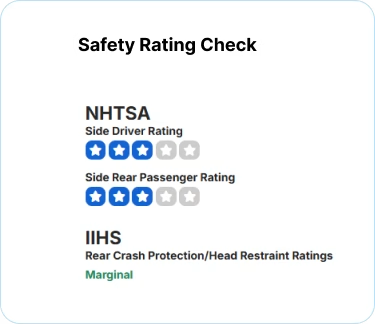
1996 Nissan Altima Safety Rating
NHTSA
1996 Nissan Altima Insurance
Insurance for a 1996 Nissan Altima is moderately priced, reflecting its status as a Sedan with strong safety ratings and
reasonable repair costs.
How Does the 1996 Nissan Altima Compare to Other Sedan?
The 1996 Nissan Altima competed in a crowded mid-size sedan segment against rivals like the Toyota Camry, Honda Accord, Ford Taurus, and Chevrolet Malibu.
Performance: The Altima generally offered a more spirited driving experience than its conservative Japanese counterparts, the Camry and Accord, with sharper handling and a more responsive engine. The Taurus and Malibu, often focused on comfort, could feel less engaging to drive.
Features: Compared to its Japanese rivals, the Altima often provided a similar or slightly better feature set for the price, particularly in its sportier SE trim. The Taurus and Malibu offered a wider range of comfort and convenience features, especially in higher trims, but sometimes at the expense of perceived build quality or driving refinement.
Reliability: This is where the Altima often lagged behind the stellar reputations of the Toyota Camry and Honda Accord. While the Altima's engine was generally robust, the automatic transmission was a known weak point that plagued many Nissan models of this era, a concern less prevalent in the Camry and Accord. The Taurus and Malibu had their own sets of reliability concerns, often related to powertrain or electrical systems.
Price: The Altima was typically priced competitively, often offering more performance for the money than a comparably equipped Camry or Accord. It was generally in the same ballpark as the Taurus and Malibu.
Alternatives: For those prioritizing ultimate reliability and a comfortable, predictable ride, the 1996 Toyota Camry or Honda Accord remain excellent alternatives. If a more engaging drive is paramount and reliability is less of a concern, the Altima still holds appeal. The Ford Taurus offered a spacious interior and a smoother ride, while the Chevrolet Malibu was an American alternative with its own character. However, for a balance of sportiness and value, if you can find one in good condition with no transmission issues, the 1996 Altima can still be a compelling choice, but the Accord and Camry are generally considered safer bets for long-term ownership due to their superior reliability track records.
Performance: The Altima generally offered a more spirited driving experience than its conservative Japanese counterparts, the Camry and Accord, with sharper handling and a more responsive engine. The Taurus and Malibu, often focused on comfort, could feel less engaging to drive.
Features: Compared to its Japanese rivals, the Altima often provided a similar or slightly better feature set for the price, particularly in its sportier SE trim. The Taurus and Malibu offered a wider range of comfort and convenience features, especially in higher trims, but sometimes at the expense of perceived build quality or driving refinement.
Reliability: This is where the Altima often lagged behind the stellar reputations of the Toyota Camry and Honda Accord. While the Altima's engine was generally robust, the automatic transmission was a known weak point that plagued many Nissan models of this era, a concern less prevalent in the Camry and Accord. The Taurus and Malibu had their own sets of reliability concerns, often related to powertrain or electrical systems.
Price: The Altima was typically priced competitively, often offering more performance for the money than a comparably equipped Camry or Accord. It was generally in the same ballpark as the Taurus and Malibu.
Alternatives: For those prioritizing ultimate reliability and a comfortable, predictable ride, the 1996 Toyota Camry or Honda Accord remain excellent alternatives. If a more engaging drive is paramount and reliability is less of a concern, the Altima still holds appeal. The Ford Taurus offered a spacious interior and a smoother ride, while the Chevrolet Malibu was an American alternative with its own character. However, for a balance of sportiness and value, if you can find one in good condition with no transmission issues, the 1996 Altima can still be a compelling choice, but the Accord and Camry are generally considered safer bets for long-term ownership due to their superior reliability track records.
Final Verdict: Is the 1996 Nissan Altima a Good Sedan?
The 1996 Nissan Altima is ideal for budget-conscious buyers seeking a more engaging driving experience than typical sedans of its era, without breaking the bank. It's best suited for individuals or small families prioritizing a sporty feel and decent space over absolute top-tier reliability.
Whether it's worth buying hinges significantly on its condition. If you can find a 1996 Altima in excellent mechanical shape, with a meticulously documented maintenance history, and crucially, no signs of imminent automatic transmission failure, it can be a worthwhile purchase. The SE trim offers a more enthusiast-oriented experience. However, given the common transmission issues, buying one requires caution. It is definitely a used-market proposition, as new examples are long gone. For those willing to do their due diligence and potentially invest in future repairs, it offers a bit more character than some of its more mundane competitors. However, for a completely worry-free experience, newer or more reliably built alternatives might be a wiser choice.