The 1982 Toyota Corolla, part of the E70 generation (1979-1983), cemented the Corolla's reputation for dependable transportation. Available in sedan, coupe, and wagon body styles, it offered various trims like the base Standard, the sportier SR5, and the practical Deluxe. Its popularity stemmed from Toyota's burgeoning reputation for reliability and affordability, making it a go-to choice for budget-conscious consumers seeking a no-nonsense vehicle.
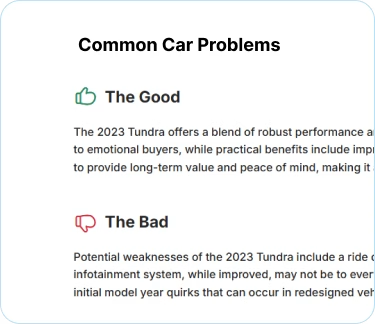
The Good
The 1982 Corolla excelled in reliability and fuel efficiency, offering a practical and economical choice. Its straightforward design and decent comfort appealed to practical buyers, while its enduring nature and reputation for dependability offered emotional reassurance.
The Bad
Owners should be aware of potential rust issues, especially in the lower body panels and wheel wells. Older examples may also exhibit worn suspension components, engine oil leaks, and electrical gremlins due to age.
1982 Toyota Corolla: Quick Overview
- Engine Options: The 1982 Toyota Corolla offered a few primary engine choices, mainly inline-four gasoline engines. The most common were the 1.6-liter (1588cc) 2A and 3A engines. Later in the generation, a 1.8-liter (1812cc) 1C diesel engine was also available in some markets.
- Horsepower: Horsepower figures varied by engine and market. The 2A engine typically produced around 70-75 horsepower. The 3A engine offered a slight bump, often in the 75-80 horsepower range. The diesel 1C engine was significantly less powerful, usually in the 50-60 horsepower range, prioritizing economy over performance.
- Fuel Economy: Fuel economy was a strong suit for the Corolla. With the smaller gasoline engines, drivers could expect figures in the range of 25-30 MPG in city driving and potentially 35-40 MPG on the highway, depending on driving conditions and transmission type. The diesel engine offered even better fuel economy.
- 0-60 Times: Performance was not the Corolla's forte. 0-60 mph times for the gasoline models were generally in the 12-15 second range, indicating its role as an economical commuter rather than a performance vehicle. The diesel variant would be considerably slower.
- Towing Capacity: Towing capacity was not a primary design consideration for the 1982 Toyota Corolla. It was a compact passenger car and not equipped or designed for significant towing.
- Trim-Level Features:
- Standard/Base: These trims were the most basic, featuring vinyl seats, manual windows and locks, and minimal interior amenities.
- Deluxe: Offered a step up with more comfortable upholstery, improved carpeting, and potentially a few more convenience features.
- SR5: This was the sportier trim, often featuring more aggressive exterior styling cues, sportier seats, a tachometer, and sometimes upgraded suspension components or alloy wheels.
1982 Toyota Corolla Specifications
Vehicle Information
| Year | 1982 |
| Make | Toyota |
| Model | Corolla |
| Trim | - |
| Style | - |
| Type | - |
| Category | Compact Car |
Manufacturing Details
| Made In | Japan |
| Manufacturing City | - |
Dimensions
| Doors | - |
| Curb Weight | - |
| Gross Vehicle Weight Rating | - |
| Overall Height | - |
| Overall Length | - |
| Overall Width | - |
| Wheelbase Length | - |
| Standard Seating | - |
Engine & Performance
| Engine | 1.7700000 L 4-Cyl. |
| Engine Size | 1.77L |
| Engine Cylinders | 4 |
| Transmission | - |
| Transmission Type | - |
| Transmission Speeds | - |
| Drivetrain | - |
Additional Features
| Anti-Brake System | - |
| Steering Type | - |
Pricing
| Manufacturer Suggested Retail Price (MSRP) | - |
| Invoice Price | - |
| Delivery Charges | - |
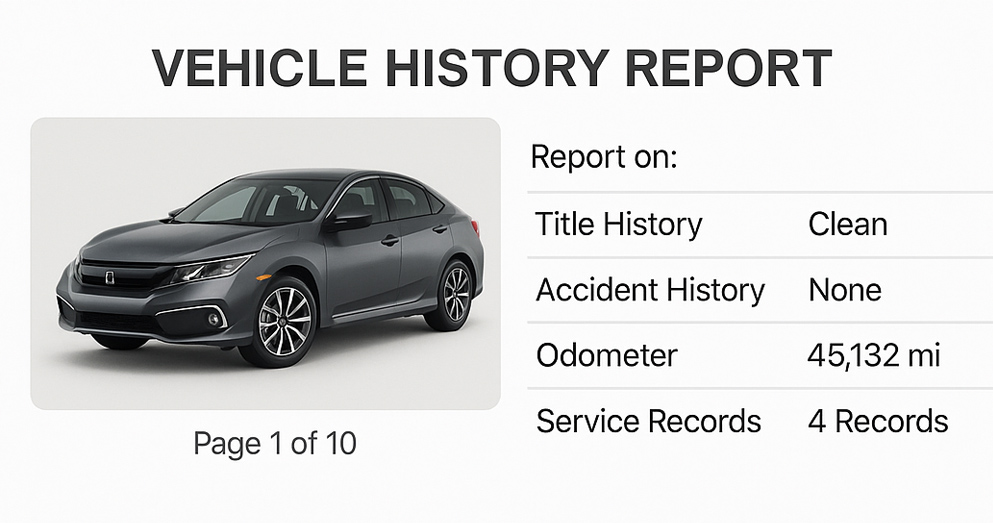
Vehicle History Report
Vehicle
Specifications
Specifications
Ownership
History
History
All History
Events
Events
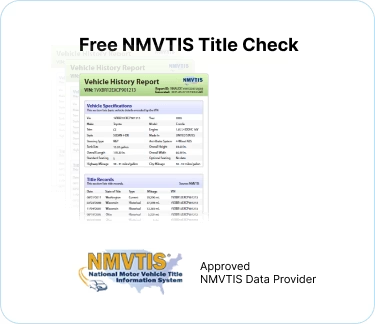
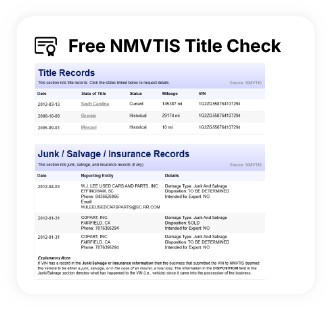
NMVTIS Title
History Check
History Check
Salvage/Rebuilt
Check
Check
Accident
Check
Check
Theft
Check
Check
Open Lien
Check
Check
Past Sale
Listings
Listings
Safety
Recalls
Recalls
Odometer
Check
Check
Market Price
Analysis
Analysis
What Problems Does the 1982 Toyota Corolla Have?
The 1982 Toyota Corolla, while generally lauded for its reliability, is not immune to issues, particularly given its age. One of the most common concerns across many vehicles of this era, and the Corolla is no exception, is rust. Corrosion can heavily affect the lower body panels, rocker arms, wheel wells, and even the chassis. This is exacerbated in regions with harsh winters and road salt usage. Suspension components, such as ball joints, tie rod ends, and bushings, can wear out over time, leading to sloppy handling, clunking noises, and uneven tire wear. Engine oil leaks are also frequently reported, often from the valve cover gasket or crankshaft seals. The carburetor, a common fuel delivery system at the time, can sometimes require tuning or rebuilding due to wear or gumming up.
Electrical issues, though less common than mechanical wear, can manifest as faulty gauges, intermittent power to accessories, or issues with the lighting system. The cooling system, including radiators, hoses, and water pumps, should be inspected for leaks and proper function to prevent overheating.
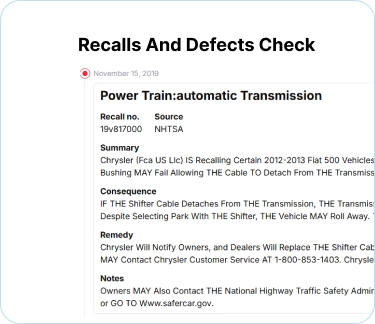
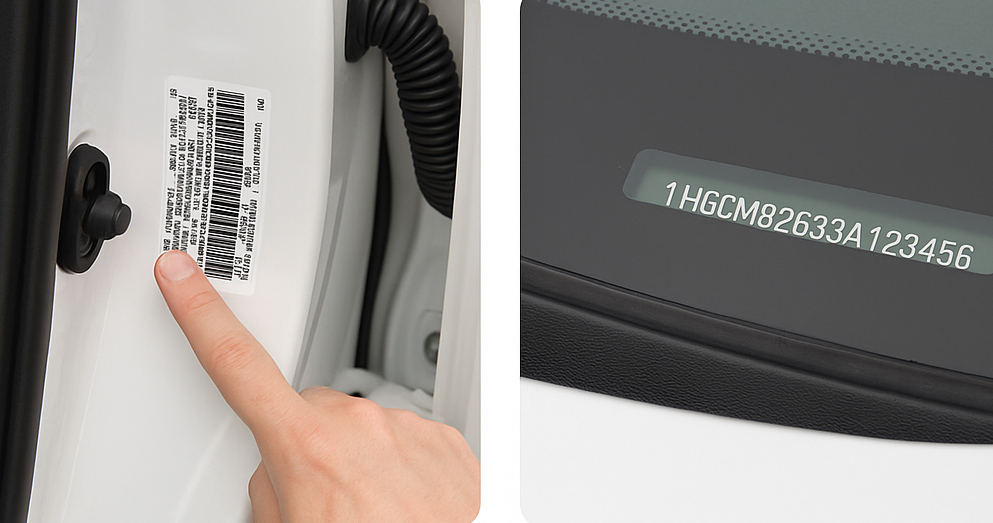
Regarding recalls, specific large-scale recalls for the 1982 model year are not as extensively documented as they might be for more modern vehicles. However, it's crucial to check any specific vehicle's VIN against Toyota's recall database. Long-term reliability is generally excellent, provided the vehicle has been maintained. Many Corollas from this era have surpassed 200,000 miles with diligent care. The engines and transmissions are known for their robustness. The primary long-term concern remains the body's susceptibility to rust, which can be a critical structural issue. Unlike some competitors, the Corolla's simpler mechanical design generally means fewer complex and expensive-to-fix electronic problems, contributing to its lasting reputation.

Electrical issues, though less common than mechanical wear, can manifest as faulty gauges, intermittent power to accessories, or issues with the lighting system. The cooling system, including radiators, hoses, and water pumps, should be inspected for leaks and proper function to prevent overheating.
Regarding recalls, specific large-scale recalls for the 1982 model year are not as extensively documented as they might be for more modern vehicles. However, it's crucial to check any specific vehicle's VIN against Toyota's recall database. Long-term reliability is generally excellent, provided the vehicle has been maintained. Many Corollas from this era have surpassed 200,000 miles with diligent care. The engines and transmissions are known for their robustness. The primary long-term concern remains the body's susceptibility to rust, which can be a critical structural issue. Unlike some competitors, the Corolla's simpler mechanical design generally means fewer complex and expensive-to-fix electronic problems, contributing to its lasting reputation.

How long will the 1982 Toyota Corolla last?
Based on owner data and anecdotal evidence, a well-maintained 1982 Toyota Corolla can comfortably reach or exceed 200,000 to 300,000 miles. Many have been known to last much longer, often continuing to serve as reliable transportation for decades. This exceptional longevity is a testament to Toyota's engineering and the vehicle's fundamentally simple and robust mechanical design. The engines and drivetrains are particularly durable. However, the primary weakness over time is body corrosion. Without proper undercoating and rust prevention, particularly in rust-prone climates, the chassis and body panels can deteriorate significantly, compromising structural integrity long before the mechanical components fail. Regular maintenance, including oil changes, fluid checks, and addressing minor issues promptly, is key to achieving these high mileage figures and ensuring long-term durability.


What Technology & Safety Features are Included?
The 1982 Toyota Corolla was designed in an era where automotive technology was relatively rudimentary. Consequently, its built-in tech, entertainment, and driver-assistance features were quite basic. The standard entertainment system typically consisted of an AM/FM radio, sometimes with a cassette player as an optional upgrade. There were no sophisticated infotainment screens, navigation systems, or smartphone integration β features that are standard on vehicles today.
Driver-assistance features were virtually non-existent. The focus was on fundamental driving dynamics and basic functionality. Features like power steering were often optional, especially on lower trims, and anti-lock braking systems (ABS) were not yet common in this segment. The car relied on its mechanical systems for braking and steering.
Safety features were also limited by modern standards. Standard safety equipment would have included basic seat belts (lap belts in the rear, typically), crumple zones in the body structure (designed to absorb impact energy), and padded dashboards. Side-impact airbags, electronic stability control, and even driver-side airbags were not available. Some higher trims might have offered features like rear defoggers or intermittent wipers.
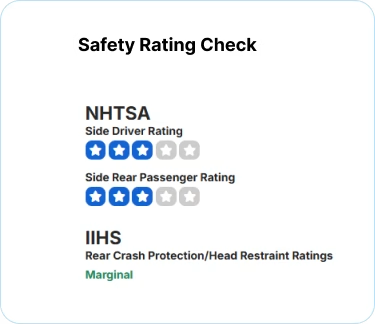
Crash-test ratings for vehicles from the early 1980s are not comparable to today's rigorous testing protocols. Agencies like the NHTSA and IIHS did conduct tests, but the methodologies and standards were different. While the Corolla was built with a strong emphasis on structural integrity for its time, its performance in modern frontal or side-impact crash tests would likely be significantly lower than contemporary vehicles. The vehicle's primary safety contribution was its predictable handling and the availability of disc brakes on the front wheels for some models, offering more assured stopping power than drum brakes alone.
Driver-assistance features were virtually non-existent. The focus was on fundamental driving dynamics and basic functionality. Features like power steering were often optional, especially on lower trims, and anti-lock braking systems (ABS) were not yet common in this segment. The car relied on its mechanical systems for braking and steering.
Safety features were also limited by modern standards. Standard safety equipment would have included basic seat belts (lap belts in the rear, typically), crumple zones in the body structure (designed to absorb impact energy), and padded dashboards. Side-impact airbags, electronic stability control, and even driver-side airbags were not available. Some higher trims might have offered features like rear defoggers or intermittent wipers.
Crash-test ratings for vehicles from the early 1980s are not comparable to today's rigorous testing protocols. Agencies like the NHTSA and IIHS did conduct tests, but the methodologies and standards were different. While the Corolla was built with a strong emphasis on structural integrity for its time, its performance in modern frontal or side-impact crash tests would likely be significantly lower than contemporary vehicles. The vehicle's primary safety contribution was its predictable handling and the availability of disc brakes on the front wheels for some models, offering more assured stopping power than drum brakes alone.
What Colors Options are Available?
1982 Toyota Corolla Prices and Market Value
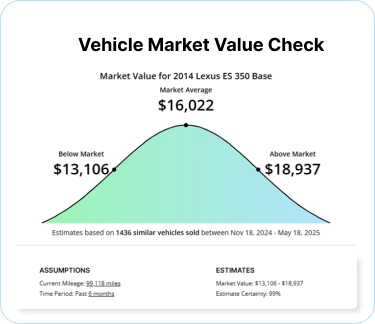
When new in 1982, the Toyota Corolla's price was a significant selling point, typically ranging from around $6,000 to $9,000 depending on the body style and trim level. This made it an attractive option for budget-conscious buyers. Depreciation for a 1982 Corolla has, of course, been substantial over the decades. Most examples are now considered classic or collector vehicles rather than daily drivers, if they are still on the road.
Current used market prices vary widely. Well-preserved, low-mileage examples, especially rare trims or body styles like coupes or wagons in excellent condition, can fetch anywhere from $2,000 to $5,000 or even more. However, the vast majority of common sedan models in average condition are worth significantly less, often only a few hundred to a thousand dollars, primarily for parts or light restoration. Factors affecting resale value include originality, condition of the body (especially rust), mileage, maintenance history, and desirability of the specific trim and body style.
1982 Toyota Corolla Cost of Ownership
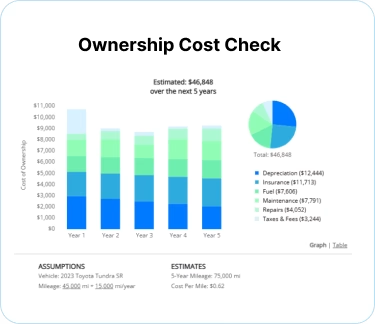
The 1982 Toyota Corolla is generally very economical to own. Insurance costs are typically low for classic or older vehicles, especially if not used as a primary driver. Fuel costs are a strong point; its efficient engines deliver excellent MPG, making it one of the cheapest cars to fuel. Maintenance is straightforward and inexpensive due to readily available parts and simple mechanics. Repair costs are also typically low for common issues, as many DIYers can handle them, and parts are plentiful and affordable. Overall, the Corolla is exceptionally economical to own, primarily due to its low purchase price (if buying used), superb fuel efficiency, and minimal running costs. The main long-term cost can arise from rust repair if not addressed promptly.
1982 Toyota Corolla Fuel Efficiency
Fuel Type
-
Fuel Capacity
-
City Mileage
-
Highway Mileage
-
1982 Toyota Corolla Insurance
Insurance for a 1982 Toyota Corolla is moderately priced, reflecting its status as a Vehicle with strong safety ratings and
reasonable repair costs.
How Does the 1982 Toyota Corolla Compare to Other Vehicle?
The 1982 Toyota Corolla competed in the compact car segment against strong rivals like the Honda Civic, Nissan Sentra (Datsun), Ford Escort, and Chevrolet Cavalier.
Performance: The Corolla's performance was generally on par with its Japanese competitors like the Civic and Sentra β focused on economy and drivability rather than speed. American offerings like the Escort and Cavalier sometimes offered more powerful engine options but often at the expense of fuel economy and refinement. The Corolla's engines were reliable but not exhilarating.
Features: In terms of features, the Corolla was typically a no-frills offering compared to some domestic rivals. While it offered essential transportation, features like advanced audio systems, power amenities, and more comfortable interiors were often optional or reserved for higher trims. Honda and Nissan also focused on practical, well-appointed interiors for their class.
Reliability: This is where the 1982 Corolla truly shone and became a benchmark. Its reputation for bulletproof reliability was already well-established and significantly outperformed many of its American counterparts, and often held its own against or surpassed other Japanese rivals. While the Civic and Sentra were also very reliable, the Corolla's longevity and ease of repair were legendary.
Price: The Corolla was competitively priced, often positioned as a value-driven option. It offered a compelling package of affordability and dependability, which was its primary appeal.
Alternatives:
For buyers prioritizing absolute reliability and low running costs, the 1982 Corolla remains an excellent choice. If slightly more engaging driving dynamics or a bit more modern (for the era) interior were desired, a comparable Honda Civic or Nissan Sentra would be strong alternatives.
Performance: The Corolla's performance was generally on par with its Japanese competitors like the Civic and Sentra β focused on economy and drivability rather than speed. American offerings like the Escort and Cavalier sometimes offered more powerful engine options but often at the expense of fuel economy and refinement. The Corolla's engines were reliable but not exhilarating.
Features: In terms of features, the Corolla was typically a no-frills offering compared to some domestic rivals. While it offered essential transportation, features like advanced audio systems, power amenities, and more comfortable interiors were often optional or reserved for higher trims. Honda and Nissan also focused on practical, well-appointed interiors for their class.
Reliability: This is where the 1982 Corolla truly shone and became a benchmark. Its reputation for bulletproof reliability was already well-established and significantly outperformed many of its American counterparts, and often held its own against or surpassed other Japanese rivals. While the Civic and Sentra were also very reliable, the Corolla's longevity and ease of repair were legendary.
Price: The Corolla was competitively priced, often positioned as a value-driven option. It offered a compelling package of affordability and dependability, which was its primary appeal.
Alternatives:
- Honda Civic: A very similar competitor, often praised for its fuel economy and nimble handling. Reliability is comparable to the Corolla.
- Nissan Sentra (Datsun): Another solid Japanese competitor, offering good reliability and efficiency.
- Ford Escort: A popular American option that offered a wider range of body styles and potentially more power, but often lagged in long-term reliability and build quality compared to Japanese makes.
- Chevrolet Cavalier: Similar to the Escort, it was a mainstream domestic choice that was less refined and reliable than the Corolla.
For buyers prioritizing absolute reliability and low running costs, the 1982 Corolla remains an excellent choice. If slightly more engaging driving dynamics or a bit more modern (for the era) interior were desired, a comparable Honda Civic or Nissan Sentra would be strong alternatives.
Final Verdict: Is the 1982 Toyota Corolla a Good Vehicle?
The 1982 Toyota Corolla is ideal for budget-conscious individuals seeking a supremely reliable and economical mode of transportation, particularly as a first car, a secondary vehicle, or for someone who values simplicity and low running costs. It's worth buying if you find a well-maintained example, prioritizing structural integrity (minimal rust) above all else. Used is the only option, as new ones are obviously unavailable.
It's best suited for those who don't require high performance or abundant modern features. The SR5 trim offers a bit more sportiness if that appeals, but the core strengths of the base models remain. For a dependable, no-fuss classic that's easy and cheap to maintain, the 1982 Corolla is an outstanding choice, provided you understand its limitations and meticulously inspect for rust.