by VIN, Year, Make, Model by License Plate

1987 Dodge Dakota Overview, Reviews, Ratings & Specs

Rating: 0.00
Based on 0 Owner Reviews
Cathleen V | June 18, 2026
The 1987 Dodge Dakota was a groundbreaking compact pickup truck, first introduced in 1987. Available as a Regular Cab or Club Cab, it offered a blend of car-like comfort and truck utility. Key trims included the base, SE, and the sportier Shelby Dakota. Its innovative unibody construction for a truck and its more refined ride distinguished it, making it a popular choice for those seeking a smaller, more manageable pickup.
The Good

The 1987 Dodge Dakota offered a surprisingly capable performance, especially with its V6 options. Its more car-like handling provided a comfortable ride for its class, appealing to practicality. The distinct, muscular design garnered emotional appeal, while its overall value proposition made it an attractive, efficient choice for many buyers.

The Bad

Potential buyers of the 1987 Dodge Dakota should be aware of rust, particularly around the wheel wells and rocker panels. Electrical gremlins can sometimes surface, and the V6 engines may experience intake manifold gasket leaks. Braking performance, especially on earlier models, can be a concern, and worn suspension components are not uncommon.

1987 Dodge Dakota: Quick Overview

  • Engine Options: The 1987 Dodge Dakota offered two primary engine choices.
    • 2.2L Inline-4: This was the base engine, providing adequate power for everyday tasks.
    • 3.0L V6 (Mitsubishi 6G72): This optional engine offered significantly more power and torque, making it a popular upgrade.
  • Horsepower:
    • 2.2L Inline-4: Approximately 106 horsepower.
    • 3.0L V6: Approximately 143 horsepower.
  • Fuel Economy: Fuel economy varied depending on the engine, transmission, and driving conditions. For the 2.2L, expect in the range of 20-25 MPG city and 25-30 MPG highway. The 3.0L V6 would be slightly lower, perhaps in the 18-22 MPG city and 22-27 MPG highway range.
  • 0-60 Times:
    • With the 2.2L engine, 0-60 MPH times were typically in the 12-14 second range.
    • With the 3.0L V6, 0-60 MPH times improved to around 9-11 seconds.
  • Towing Capacity: Towing capacities varied with configuration (engine, drivetrain, and axle ratio), but generally ranged from approximately 2,000 lbs to 4,000 lbs for properly equipped models.
  • Trim-Level Features:
    • Base Trim: Typically featured vinyl seats, a basic AM/FM radio, black exterior accents, and a manual transmission.
    • SE Trim: Offered upgrades such as cloth seats, an AM/FM stereo with cassette player, power steering, intermittent wipers, and brighter exterior trim.
    • Shelby Dakota (Limited Edition): This performance-oriented trim included unique badging, upgraded suspension, a sportier interior, and often the V6 engine with performance tuning.
  • Transmission Options: Manual transmissions (4-speed and 5-speed) and automatic transmissions (3-speed) were available.

1987 Dodge Dakota Specifications

Vehicle Information
Year 1987
Make Dodge
Model Dakota
Trim -
Style -
Type Sport Utility Vehicle Sweptline Cab
Category Medium Truck
Manufacturing Details
Made In United States
Manufacturing City WARREN
Dimensions
Doors -
Curb Weight -
Gross Vehicle Weight Rating -
Overall Height -
Overall Length -
Overall Width -
Wheelbase Length -
Standard Seating -
Engine & Performance
Engine 2 BBL
Engine Size 3.9L
Engine Cylinders 6
Transmission Automatic
Transmission Type Automatic
Transmission Speeds -
Drivetrain Rear-Wheel Drive
Additional Features
Anti-Brake System -
Steering Type -
Pricing
Manufacturer Suggested Retail Price (MSRP) -
Invoice Price -
Delivery Charges -

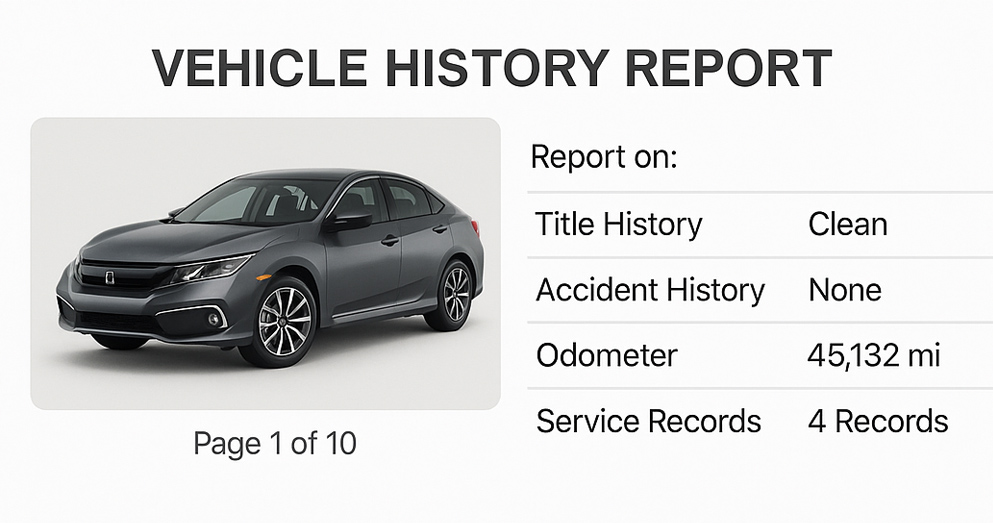
Vehicle History Report

Vehicle
Specifications
Ownership
History
All History
Events
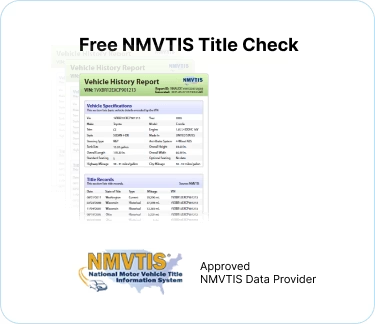
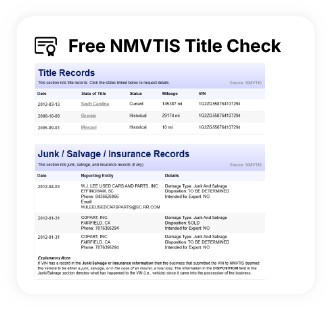
NMVTIS Title
History Check
Salvage/Rebuilt
Check
Accident
Check
Theft
Check
Open Lien
Check
Past Sale
Listings
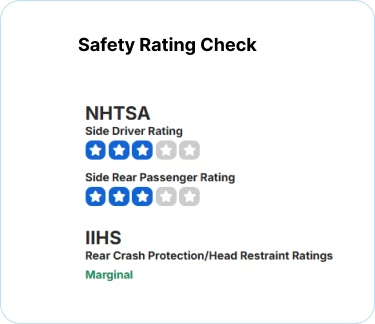
Safety
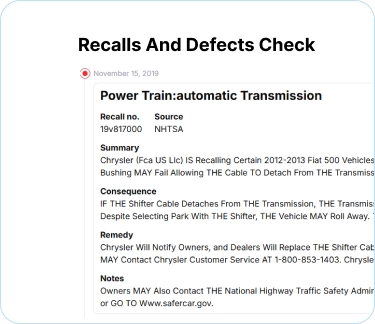
Recalls
Odometer
Check
Market Price
Analysis

What Problems Does the 1987 Dodge Dakota Have?

The 1987 Dodge Dakota, like many vehicles of its era, has some commonly reported issues. One of the most prevalent concerns is rust. This is particularly noticeable in areas exposed to salt and moisture, such as the lower body panels, rocker arms, wheel wells, and the bed. Owners often report significant corrosion that can compromise structural integrity if not addressed promptly.

Another area of concern is the electrical system. While not always catastrophic, owners sometimes experience intermittent issues with various components, including the dashboard lights, power windows (if equipped), and the radio. The ignition system can also be a source of trouble, leading to starting problems.

The intake manifold gasket on the 3.0L V6 engine is a known weak point. Leaks from this gasket can lead to coolant loss and potential engine overheating, requiring a relatively straightforward but necessary repair. Some owners have also reported issues with the automatic transmission, particularly concerning shifting behavior or premature wear if not properly maintained.

Regarding recalls for the 1987 model year, while specific major recalls are not as widely documented for this particular year compared to some other vehicles, it is always prudent to check the National Highway Traffic Safety Administration (NHTSA) database for any potential safety campaigns that may have been issued and potentially overlooked.

In terms of long-term reliability, the Dakota's durability is often tied to its maintenance history and the owner's proactive approach to addressing common issues like rust and minor electrical problems. Vehicles that have been well-maintained, especially with regular fluid changes and timely repairs, tend to hold up better over time. The 4-cylinder engine is generally considered more robust and simpler, while the V6 offers more power but can be more complex to maintain. Overall, with diligent care, many 1987 Dakotas can still provide reliable service, but potential buyers should be prepared for routine maintenance and occasional repairs characteristic of vintage vehicles.

How long will the 1987 Dodge Dakota last?

Based on owner data and typical maintenance habits for a vehicle of its age, the 1987 Dodge Dakota can reasonably be expected to serve for approximately 200,000 to 250,000 miles, or potentially more with diligent care and proactive repairs. Long-term durability is highly contingent on how well the vehicle has been maintained. Key weaknesses that impact longevity over time include susceptibility to rust, which can significantly shorten its lifespan if left unchecked, especially in rust-belt regions. Electrical gremlins, while often minor, can become more persistent with age. The intake manifold gasket on the V6 is another recurring issue that requires attention. However, the underlying mechanical components, particularly the 4-cylinder engine and manual transmissions, are generally robust. Vehicles that have seen consistent oil changes, rust prevention treatments, and prompt attention to minor issues are more likely to achieve higher mileage and remain reliable.

What Technology & Safety Features are Included?

The 1987 Dodge Dakota, reflecting its era, offered a relatively basic suite of technology and safety features, with a focus on functionality rather than advanced integration.

Entertainment: Standard entertainment typically consisted of an AM/FM radio. Optional upgrades included an AM/FM stereo with a cassette player, providing a more engaging listening experience for the time. Some higher trims might have offered upgraded speaker systems, but premium sound was not a common feature.

Technology: Built-in technological features were minimal. Power steering was a common feature, especially on higher trims, making maneuvering easier. Optional power windows and power door locks were available on some models, adding a touch of convenience. Air conditioning was also an optional but highly desirable feature for comfort. Cruise control was available as an option on some models. The instrument cluster was functional, displaying essential information like speed, fuel level, engine temperature, and oil pressure.

Driver-Assistance Features: Driver-assistance systems as we know them today were virtually non-existent in the 1987 Dodge Dakota. Features like anti-lock braking systems (ABS) were rare and generally reserved for luxury vehicles. Parking sensors or backup cameras were not part of the technology available. The focus was on the driver's direct control and awareness.

Safety Features: Standard safety features included seat belts (lap and shoulder belts in the front), and a collapsible steering column designed to absorb impact energy. Some models might have offered an interior rearview mirror with day/night adjustment. Basic side-impact protection was inherent in the truck's construction.

Crash-Test Ratings: Formal crash-test ratings from organizations like the NHTSA or IIHS for vehicles from this period are not as readily available or standardized as they are today. However, trucks of this vintage generally performed less favorably in crash tests compared to modern vehicles, lacking the advanced structural engineering, crumple zones, and restraint systems that are now commonplace. The Dakota's unibody construction offered some advantages in certain impact scenarios compared to traditional body-on-frame trucks of the time, but it was still a product of its era concerning safety.

What Colors Options are Available?

We’re working on this section!
In the meantime, feel free to explore the other sections for more content.

1987 Dodge Dakota Prices and Market Value

When new in 1987, the Dodge Dakota typically ranged from around $8,000 to $15,000, depending on the trim level, engine, and optional features. The Shelby Dakota, being a special edition, commanded a higher price.

Currently, used market prices for a 1987 Dodge Dakota can vary significantly, generally falling between $2,000 and $7,000 for most examples. However, pristine, low-mileage, or well-maintained examples, especially rare trims like the Shelby Dakota in excellent condition, can fetch prices upwards of $10,000 or more.

Depreciation was relatively rapid in the initial years, as is typical for most vehicles. However, as a classic or vintage pickup, the depreciation curve has flattened considerably. Factors affecting resale value today include overall condition (mechanical and cosmetic), mileage, rust presence, maintenance history, and the rarity of the specific trim and configuration. Well-preserved examples with the V6 engine and desirable options tend to hold their value better than base models with high mileage and significant wear.

1987 Dodge Dakota Cost of Ownership

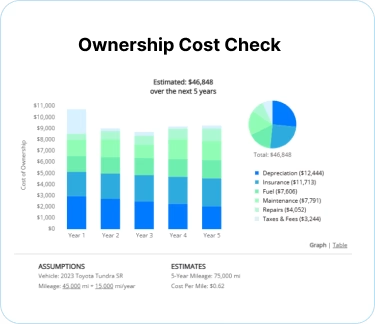
Owning a 1987 Dodge Dakota is generally considered economical, especially compared to modern vehicles. Insurance costs are typically low due to its age and value as a classic or work truck. Fuel costs are moderate; the 2.2L engine offers good MPG, while the V6 is less efficient but still reasonable. Maintenance is straightforward and affordable, with parts widely available. Repairs are also generally inexpensive, particularly for common issues like rust or basic engine work, assuming you can find a mechanic familiar with older vehicles or are willing to do some DIY. Long-term ownership costs are manageable, making it an attractive option for budget-conscious buyers seeking a functional pickup or classic vehicle.

1987 Dodge Dakota Fuel Efficiency

Fuel Type Gasoline
Fuel Capacity -
City Mileage 16 miles/gallon
Highway Mileage 19 miles/gallon

1987 Dodge Dakota Recalls & Defects

Parking Brake:conventional:mechanical:linkage and Cable
Recall date 1986-08-18
Recall no. 86v115000
Source NHTSA
Summary These Trucks Were Equipped With Rear Park Brake Cables Which Caused Limited Rear Brake Shoe Travel Resulting IN THE Parking Brake System NOT Holding THE Vehicle IN THE Reverse Direction When Parked ON A 20% Grade, AS Required BY Fmvss 105. Consequence OF Defect: IF THE Truck IS Parked ON AN Incline and THE Parking Brake Set, IT MAY Roll Back Causing Damage or AN Accident.
Consequence
Remedy Replace Both Rear Parking Brake Cables.
Notes System: Rear Parking Brake Cables/Fmvss 105.vehicle Description: Pickup Trucks Equipped With Standard 9X2 1/2 Inch Rear Brakes.
Vehicle Speed Control:linkages
Recall date 1987-04-14
Recall no. 87v050000
Source NHTSA
Summary Speed Control System Cables MAY Partially Disengage and Bind AT THE Carburetor Throttle Lever Attachment.
Consequence Throttle Would Stay Partially Open When Acceleratorpedal IS Released.
Remedy Install A Washer AT Speed Control Cable TO Carburetor Throttle Lever Attachment TO Eliminate Potential FOR This Condition.
Notes System: Speed Control Cables.vehicle Description: Pickup Trucks Equipped With V6 Engine and Automatic Speedcontrol.

1987 Dodge Dakota Insurance

Insurance for a 1987 Dodge Dakota is moderately priced, reflecting its status as a Sport Utility Vehicle Sweptline Cab with strong safety ratings and
reasonable repair costs.

How Does the 1987 Dodge Dakota Compare to Other Sport Utility Vehicle Sweptline Cab?

The 1987 Dodge Dakota carved a niche for itself against rivals like the Ford Ranger and Chevrolet S-10.

Performance: The Dakota, particularly with its optional 3.0L V6, often offered a more powerful engine option than base models of the Ranger and S-10, giving it a performance edge for those seeking more grunt. Its unibody construction also contributed to a more refined and car-like ride compared to the more utilitarian feel of some competitors.

Features: In terms of features, the Dakota was competitive. While all three offered basic amenities, higher trims of the Dakota could be equipped with features like cassette players and more comfortable interiors, aiming for a balance between workhorse utility and daily drivability. However, none offered advanced tech by today's standards.

Reliability: Reliability was a mixed bag for all compact trucks of this era. The Dakota, Ranger, and S-10 each had their known issues. The Dakota's susceptibility to rust was a notable weakness. The Ranger was generally considered robust, while the S-10 had a reputation for decent mechanical reliability but could also face rust issues. Long-term reliability heavily depended on individual vehicle maintenance.


Price: Pricing was generally competitive across the board. The Dakota often provided a good value proposition, offering a blend of capability and comfort at a similar price point to its main rivals.

Alternatives:
  • Ford Ranger: A strong contender, often lauded for its solid build quality and wide range of configurations. A similarly priced Ranger might offer slightly better long-term rust resistance in some cases.
  • Chevrolet S-10/GMC Sonoma: Another popular choice, the S-10 was a close competitor in terms of performance and features. If reliability is a paramount concern and rust is less of an issue, an S-10 in good condition could be a solid alternative.
  • Toyota Pickup/Nissan Hardbody: For those prioritizing absolute mechanical reliability and durability above all else, the Japanese offerings from Toyota and Nissan were legendary. While often less powerful and more basic in terms of interior comfort and features, they are known for their longevity and fewer complex issues.
Ultimately, the choice between these trucks often came down to specific needs, available condition, and personal preference. The 1987 Dakota stands out for its early adoption of a more refined driving experience in the compact truck segment and its potent V6 option.

Final Verdict: Is the 1987 Dodge Dakota a Good Sport Utility Vehicle Sweptline Cab?

The 1987 Dodge Dakota is ideal for budget-conscious individuals seeking a capable, compact pickup truck with a touch of classic appeal. It's a great option for DIY enthusiasts who enjoy working on older vehicles, as well as for those needing a utility vehicle for light hauling or occasional towing.

It is worth buying, especially in the used market, provided you find a well-maintained example. Buyers should prioritize models with minimal rust, especially in critical structural areas, and a documented maintenance history. The V6 models offer a more engaging driving experience. Avoid high-mileage, neglected examples or those with significant rust damage, as repairs can quickly become costly. If you can find a clean, functional 1987 Dakota, it represents a solid value for a vintage truck that balances utility and a distinct personality.

1987 Dodge Dakota Owner Reviews

0.00
Consumer Rating, Based on 0 Consumer Reviews
Overall rating
Cancel
Thank You for Your Review!

We truly appreciate the time and effort you took to share your experience with us.

Uh oh!

Something went wrong, please try again later.

Author Image
Cathleen V

Cathleen is an exceptional freelance writer covering hot topics in the automotive world from a gearhead's perspective. Her articles delve into various aspects of automotive technology and history, offering readers detailed insights into engine performance, reliability, and maintenance. Through her engaging and informative writing, Cathleen provides valuable information to automotive enthusiasts and consumers alike, helping them make informed decisions about vehicle maintenance and purchases.