The 2002 Chevrolet Express is a full-size van, part of the first generation introduced in 1996 and running through 2002. Available in cargo and passenger configurations, key trims included the LS and base models. Pricing ranged from approximately $23,000 to $30,000 when new. Its popularity stemmed from its robust construction, versatile interior space, and proven V8 engine options, making it a go-to choice for businesses and families needing utility and space.
The Good
The 2002 Express offers strong V8 performance for hauling and towing, a reputation for solid reliability, and a surprisingly comfortable ride for its class. Its practical, spacious design appeals to those needing utility, while its dependable nature provides peace of mind for any buyer seeking lasting value.
The Bad
Potential buyers should be aware of common issues like transmission problems, particularly with older models. Rust can be a significant concern, especially around the wheel wells and rocker panels. Fuel economy is also a notable drawback, with many owners reporting relatively high consumption.
2002 Chevrolet Express: Quick Overview
- Engine Options: The 2002 Chevrolet Express was offered with several robust engine choices, designed to provide ample power for various needs.
- 4.3L V6: This was the standard engine for many models, offering a good balance of power and efficiency for everyday use.
- 5.7L V8: A popular upgrade, this engine provided significantly more power for heavier loads and towing.
- 6.0L V8: For those requiring maximum towing and hauling capability, the largest V8 option was available.
- 4.3L V6: This was the standard engine for many models, offering a good balance of power and efficiency for everyday use.
- Horsepower: Horsepower varied depending on the engine. The 4.3L V6 typically produced around 190-200 horsepower, while the V8 options offered upwards of 250-300 horsepower.
- Fuel Economy: As expected for a large, body-on-frame van, fuel economy was not a strong suit. Expect figures in the range of 10-14 MPG in city driving and 14-18 MPG on the highway, heavily dependent on engine and load.
- 0-60 Times: Precise 0-60 mph times are less commonly cited for commercial/utility vehicles like the Express. However, with the V8 engines, acceleration would be adequate for its intended purpose, likely in the 8-10 second range when unladen.

- Towing Capacity: The towing capacity varied significantly based on the configuration, engine, and rear-axle ratio. Properly equipped models could tow anywhere from 6,000 lbs up to 10,000 lbs or more, making it suitable for many towing applications.
- Trim-Level Features:
- Base Model: Typically featured essential amenities like power steering, anti-lock brakes, and a basic audio system. Interior materials were durable and functional.

- LS Trim: Offered more creature comforts such as air conditioning, power windows and door locks, upgraded seating, and potentially a better sound system. Passenger versions of the LS trim often included more comfortable seating arrangements and interior trim.
- Base Model: Typically featured essential amenities like power steering, anti-lock brakes, and a basic audio system. Interior materials were durable and functional.
2002 Chevrolet Express Specifications
Vehicle Information
| Year | 2002 |
| Make | Chevrolet |
| Model | Express |
| Trim | - |
| Style | Cargo |
| Type | Cargo |
| Category | Cargo Van |
Manufacturing Details
| Made In | United States |
| Manufacturing City | WENTZVILLE |
Dimensions
| Doors | 3-Door |
| Curb Weight | 5397 pounds |
| Gross Vehicle Weight Rating | 9500 pounds |
| Overall Height | 82.10 inches |
| Overall Length | 238.80 inches |
| Overall Width | 79.10 inches |
| Wheelbase Length | 155.00 inches |
| Standard Seating | 2 |
Engine & Performance
| Engine | 5.7-L V-8 OHV 16V |
| Engine Size | 5.7L |
| Engine Cylinders | 8 |
| Transmission | 4-Speed Automatic |
| Transmission Type | Automatic |
| Transmission Speeds | 4-Speed |
| Drivetrain | Rear-Wheel Drive |
Additional Features
| Anti-Brake System | 4-Wheel ABS |
| Steering Type | Recirculating |
Pricing
| Manufacturer Suggested Retail Price (MSRP) | $25,869 |
| Invoice Price | $22,632 |
| Delivery Charges | $715 |
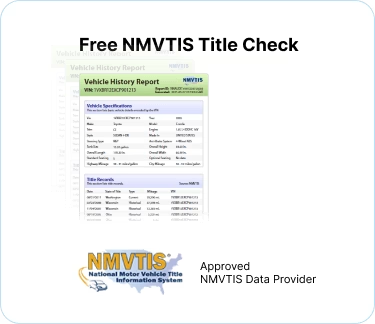
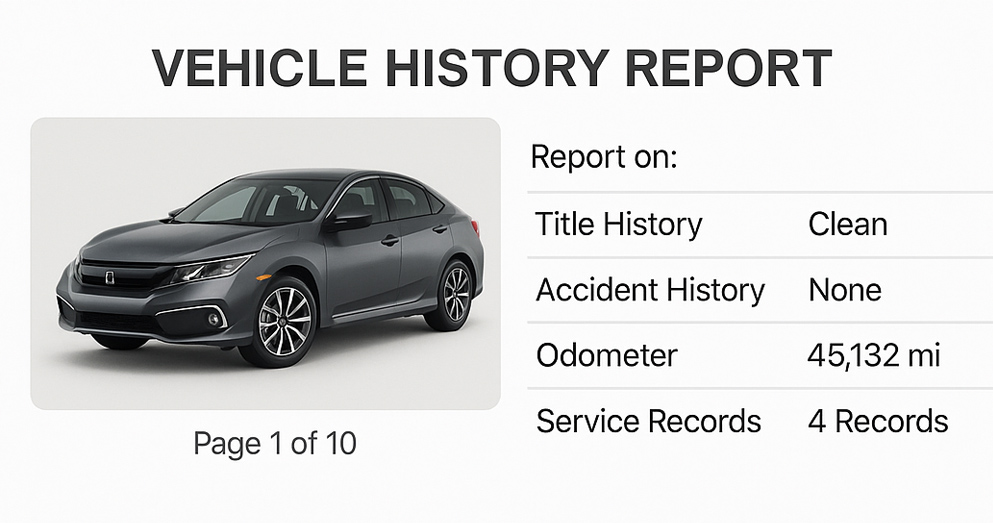
Vehicle History Report
Vehicle
Specifications
Specifications
Ownership
History
History
All History
Events
Events
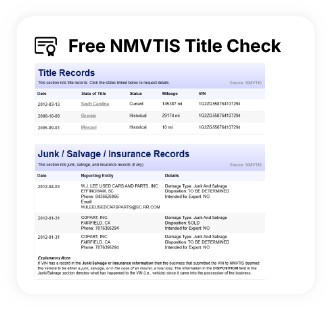
NMVTIS Title
History Check
History Check
Salvage/Rebuilt
Check
Check
Accident
Check
Check
Theft
Check
Check
Open Lien
Check
Check
Past Sale
Listings
Listings
Safety
Recalls
Recalls
Odometer
Check
Check
Market Price
Analysis
Analysis
What Problems Does the 2002 Chevrolet Express Have?
The 2002 Chevrolet Express, like many vehicles of its era, has its share of commonly reported issues that prospective buyers should be aware of. One of the most frequently cited problems revolves around the transmission. Owners have reported instances of slipping, harsh shifting, and eventual failure, particularly with higher mileage examples. This can be a costly repair, so checking for a history of transmission service or any signs of trouble is crucial.
Rust is another significant concern for Chevrolet Express vans, especially those in rust-belt regions. Areas prone to corrosion include the rocker panels, rear wheel wells, and the underside of the vehicle. Thorough inspection for rust damage is essential, as extensive rust can compromise structural integrity and lead to expensive repairs.
The 4L60-E transmission, commonly found in models with the V8 engines, is known to be a potential weak point if not properly maintained. Overheating and fluid degradation can accelerate wear. Regular fluid and filter changes are highly recommended to prolong its life.
Some owners have also reported issues with the cooling system, including radiator leaks and water pump failures. Given the van's size and potential for heavy use, ensuring the cooling system is in good working order is vital to prevent overheating, especially during demanding tasks.
Electrical gremlins can also surface. While not as prevalent as mechanical issues, problems with sensors, the alternator, or power window regulators have been noted. These can be intermittent and frustrating to diagnose.
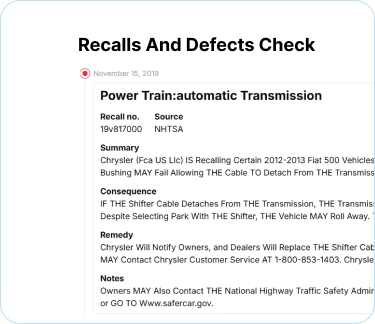
Regarding recalls, the 2002 model year may have had recalls related to various components over its lifespan. It is always advisable to check the National Highway Traffic Safety Administration (NHTSA) website for specific recall information pertaining to this exact vehicle year and VIN. Long-term reliability can be good if the vehicle has been consistently maintained, but the aforementioned issues can impact longevity if neglected.
Rust is another significant concern for Chevrolet Express vans, especially those in rust-belt regions. Areas prone to corrosion include the rocker panels, rear wheel wells, and the underside of the vehicle. Thorough inspection for rust damage is essential, as extensive rust can compromise structural integrity and lead to expensive repairs.
The 4L60-E transmission, commonly found in models with the V8 engines, is known to be a potential weak point if not properly maintained. Overheating and fluid degradation can accelerate wear. Regular fluid and filter changes are highly recommended to prolong its life.
Some owners have also reported issues with the cooling system, including radiator leaks and water pump failures. Given the van's size and potential for heavy use, ensuring the cooling system is in good working order is vital to prevent overheating, especially during demanding tasks.
Electrical gremlins can also surface. While not as prevalent as mechanical issues, problems with sensors, the alternator, or power window regulators have been noted. These can be intermittent and frustrating to diagnose.
Regarding recalls, the 2002 model year may have had recalls related to various components over its lifespan. It is always advisable to check the National Highway Traffic Safety Administration (NHTSA) website for specific recall information pertaining to this exact vehicle year and VIN. Long-term reliability can be good if the vehicle has been consistently maintained, but the aforementioned issues can impact longevity if neglected.
How long will the 2002 Chevrolet Express last?
Based on owner data and general expectations for full-size vans, a well-maintained 2002 Chevrolet Express can realistically achieve 200,000 to 300,000 miles or more. These vans were built with durability in mind, often serving commercial purposes where longevity is key. Long-term durability is strongly tied to regular maintenance, especially of the engine and transmission. Weaknesses that tend to emerge over time include increased susceptibility to rust, potential transmission issues if not serviced diligently, and wear and tear on suspension components. However, the core powertrain components, particularly the V8 engines, are known for their robustness when properly cared for, allowing many Express vans to remain on the road for well over a decade and hundreds of thousands of miles.
What Technology & Safety Features are Included?
The 2002 Chevrolet Express, being a full-size van from the early 2000s, offered a utilitarian approach to technology, entertainment, and safety, prioritizing function over advanced features.
Built-in Tech & Entertainment: Standard entertainment typically consisted of a basic AM/FM stereo system with an optional CD player. Higher trims or optional packages might have included a more robust audio system with more speakers. Features like Bluetooth connectivity or digital displays were not part of the offerings. Climate control was usually manual, with basic air conditioning being a common feature, especially on passenger models.
Driver-Assistance Features: Driver-assistance features were very limited in this era. The 2002 Express came standard with anti-lock braking system (ABS) for the front wheels and often for all four wheels on certain configurations, aiding in controlled stops. Features like traction control, cruise control, and power-adjustable mirrors were often available as options or standard on higher trims. Parking sensors or rearview cameras were non-existent.
Safety Features: Standard safety equipment included front airbags for the driver and front passenger. Seatbelt pretensioners were also standard. The structural integrity of the van was designed to offer occupant protection, though modern safety standards and testing were less stringent.
Crash-Test Ratings: Specific crash-test ratings for the 2002 Chevrolet Express from agencies like the NHTSA or IIHS are not readily available or may be limited due to the vehicle's design and the testing protocols of that time. Vans of this size and era were generally evaluated based on overall structural integrity and basic safety equipment rather than detailed impact zone testing common today. While it provided essential safety features for its time, it would not meet the advanced safety benchmarks of contemporary vehicles. Optional features were generally focused on comfort and utility, such as enhanced seating configurations, towing packages, or upgraded interior trim for passenger models.
Built-in Tech & Entertainment: Standard entertainment typically consisted of a basic AM/FM stereo system with an optional CD player. Higher trims or optional packages might have included a more robust audio system with more speakers. Features like Bluetooth connectivity or digital displays were not part of the offerings. Climate control was usually manual, with basic air conditioning being a common feature, especially on passenger models.
Driver-Assistance Features: Driver-assistance features were very limited in this era. The 2002 Express came standard with anti-lock braking system (ABS) for the front wheels and often for all four wheels on certain configurations, aiding in controlled stops. Features like traction control, cruise control, and power-adjustable mirrors were often available as options or standard on higher trims. Parking sensors or rearview cameras were non-existent.
Safety Features: Standard safety equipment included front airbags for the driver and front passenger. Seatbelt pretensioners were also standard. The structural integrity of the van was designed to offer occupant protection, though modern safety standards and testing were less stringent.
Crash-Test Ratings: Specific crash-test ratings for the 2002 Chevrolet Express from agencies like the NHTSA or IIHS are not readily available or may be limited due to the vehicle's design and the testing protocols of that time. Vans of this size and era were generally evaluated based on overall structural integrity and basic safety equipment rather than detailed impact zone testing common today. While it provided essential safety features for its time, it would not meet the advanced safety benchmarks of contemporary vehicles. Optional features were generally focused on comfort and utility, such as enhanced seating configurations, towing packages, or upgraded interior trim for passenger models.
What Colors Options are Available?
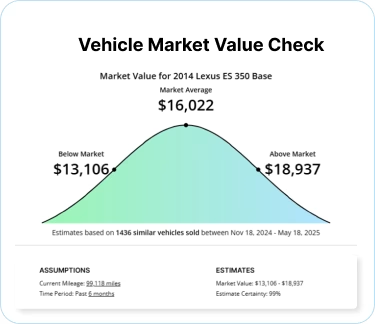
2002 Chevrolet Express Prices and Market Value
When new, the 2002 Chevrolet Express typically ranged from approximately $23,000 for a base cargo model to over $30,000 for a well-equipped passenger LS version. As a vehicle from the early 2000s, it has undergone significant depreciation. Current used market prices for a 2002 Chevrolet Express can vary widely, generally falling between $2,000 and $7,000, depending heavily on mileage, condition, trim level, and maintenance history. Factors affecting its resale value include the presence of rust, transmission health, overall mechanical condition, and whether it was used for commercial purposes. Higher mileage and visible wear will significantly reduce its value. Well-maintained examples with lower mileage and desirable features like V8 engines can command a slightly higher price.
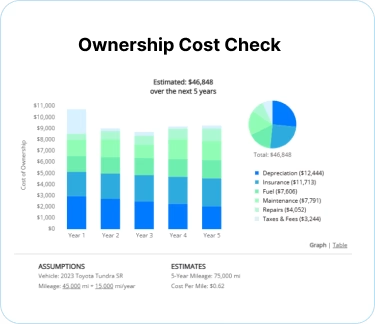
2002 Chevrolet Express Cost of Ownership
Owning a 2002 Chevrolet Express can be a mixed bag economically. Insurance costs are generally moderate, especially for cargo versions, but can increase for passenger models with more amenities. Fuel costs are a significant factor; expect high consumption due to the V8 engines and the van's size, making it less economical in this regard. Routine maintenance, such as oil changes and tire rotations, is standard, but repairs for common issues like transmissions or rust can be costly. Overall, while its initial purchase price may be low, the 2002 Express is not an economical vehicle to own due to its appetite for fuel and potential for significant repair expenses, especially as it ages.
2002 Chevrolet Express Fuel Efficiency
Fuel Type
Gasoline
Fuel Capacity
31.00 gallons
City Mileage
14 miles/gallon
Highway Mileage
17 miles/gallon
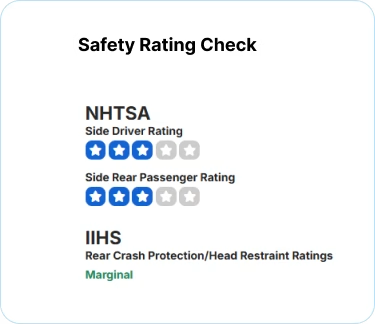
2002 Chevrolet Express Safety Rating
NHTSA
IIHS
2002 Chevrolet Express Warranty
Basic
Original warranty
36 months / 36,000 miles
Estimated remaining
Expired
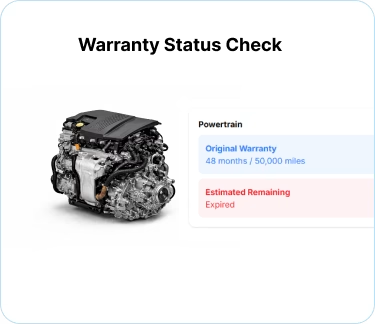
Powertrain
Original warranty
36 months / 36,000 miles
Estimated remaining
Expired
Rust
Original warranty
72 months / 100,000 miles
Estimated remaining
Expired
2002 Chevrolet Express Insurance
Insurance for a 2002 Chevrolet Express is moderately priced, reflecting its status as a Cargo with strong safety ratings and
reasonable repair costs.
How Does the 2002 Chevrolet Express Compare to Other Cargo?
The 2002 Chevrolet Express competed in the full-size van segment against formidable rivals like the Ford Econoline (E-Series) and the Dodge Ram Van. In terms of performance, the Express often held its own, particularly with its available V8 engines, offering strong towing and hauling capabilities comparable to or exceeding its competitors. The Ford Econoline was also known for its robust powertrains, while the Dodge Ram Van offered a slightly different driving dynamic.
When considering features, the Express, Econoline, and Ram Van of this era were relatively basic. Comfort and convenience features were often optional or limited to higher trims. The Express generally offered a functional and spacious interior, but none of these vans were pioneers in advanced technology or luxury amenities. Rivals offered similar levels of basic equipment.
Reliability is where opinions can diverge. Chevrolet Express vans are known for their sturdy construction, and many owners report good longevity with proper maintenance. However, transmission issues have been a recurring concern for some Express models. The Ford Econoline also has a strong reputation for reliability, with fewer widespread transmission complaints compared to some Express models. The Dodge Ram Van, while capable, sometimes lagged slightly behind its rivals in long-term durability for certain components.
In terms of price, the 2002 Chevrolet Express typically offered competitive pricing when new, and this trend generally continues in the used market. Used Express vans are often found at attractive price points, making them a good value proposition for budget-conscious buyers. The Ford Econoline often commanded slightly higher prices due to its strong resale value and perceived reliability.
Alternatives:
When considering features, the Express, Econoline, and Ram Van of this era were relatively basic. Comfort and convenience features were often optional or limited to higher trims. The Express generally offered a functional and spacious interior, but none of these vans were pioneers in advanced technology or luxury amenities. Rivals offered similar levels of basic equipment.
Reliability is where opinions can diverge. Chevrolet Express vans are known for their sturdy construction, and many owners report good longevity with proper maintenance. However, transmission issues have been a recurring concern for some Express models. The Ford Econoline also has a strong reputation for reliability, with fewer widespread transmission complaints compared to some Express models. The Dodge Ram Van, while capable, sometimes lagged slightly behind its rivals in long-term durability for certain components.
In terms of price, the 2002 Chevrolet Express typically offered competitive pricing when new, and this trend generally continues in the used market. Used Express vans are often found at attractive price points, making them a good value proposition for budget-conscious buyers. The Ford Econoline often commanded slightly higher prices due to its strong resale value and perceived reliability.
Alternatives:
- Ford Econoline (E-Series): A very strong contender, often considered slightly more reliable overall, especially regarding transmissions, and with excellent towing capacity.
- Dodge Ram Van: While capable, it might be harder to find in good condition and may not match the overall refinement or perceived long-term durability of the Express or Econoline.
Final Verdict: Is the 2002 Chevrolet Express a Good Cargo?
The 2002 Chevrolet Express is ideal for individuals or businesses requiring a robust, spacious, and capable full-size van for hauling cargo or transporting multiple passengers. It's particularly well-suited for those who prioritize utility and towing power over advanced features or fuel efficiency. Given its age, buying new is not an option; the value proposition lies firmly in the used market.
It is worth buying if you find a well-maintained example with a documented service history, especially regarding the transmission and rust prevention. Prioritize models with V8 engines if towing or hauling heavy loads is a priority. The LS trim offers more comfort for passenger versions. Be prepared for higher fuel costs and potential maintenance expenses. For budget-conscious buyers needing a workhorse, a carefully inspected 2002 Express can still be a practical and affordable choice, especially compared to newer, more expensive vans.