
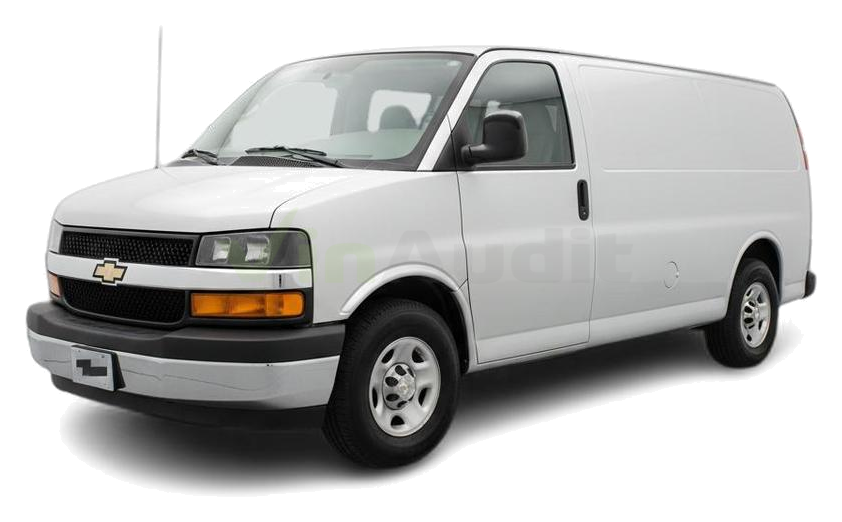
The Good
The 2001 Chevrolet Express offers significant advantages, appealing to both emotional and practical buyers. Its robust performance, powered by strong V8 engines, makes it ideal for heavy hauling and towing. Known for solid reliability, it proves a dependable workhorse. While basic, its utilitarian design and adequate comfort for its class serve practical needs. Its efficiency is fair for a large van, and its lasting value as an affordable, high-capacity vehicle makes it an intelligent choice for those seeking utility and longevity.
The Bad
When considering a 2001 Chevrolet Express, potential weaknesses to watch out for include common rust issues on the body and frame, especially in areas exposed to salt. Owners also frequently report problems with fuel pumps, electrical components, and wear on front-end suspension parts. These issues are typical for a vehicle of this age and class, requiring careful inspection.
2001 Chevrolet Express: Quick Overview
The 2001 Chevrolet Express offered a range of capable powertrains and practical features, making it a versatile option for both cargo and passenger transport.
- Engine Options:
- 4.3L Vortec V6: Standard for lighter duty models, offering a balance of power and (relative) economy.
- 5.0L Vortec V8: A popular upgrade providing more power for hauling.
- 5.7L Vortec V8: The most common and widely praised V8 option for strong performance and durability.
- 6.5L Turbo Diesel V8: Available for heavy-duty applications, known for torque and fuel efficiency (for its size).
- 8.1L Vortec V8: Offered in heavier-duty 3500 models, this large displacement engine provided maximum towing and hauling capabilities.
- Horsepower:
- 4.3L V6: Approximately 200 hp
- 5.0L V8: Approximately 220 hp
- 5.7L V8: Approximately 255 hp
- 6.5L Diesel V8: Approximately 195 hp
- 8.1L V8: Approximately 325 hp
- Fuel Economy (EPA Estimates, highly variable by engine and load):
- 4.3L V6: Around 14-16 MPG city / 18-20 MPG highway
- 5.7L V8: Around 12-14 MPG city / 16-18 MPG highway
- 6.5L Diesel V8: Generally better than gasoline V8s, around 15-17 MPG city / 19-22 MPG highway
- 8.1L V8: Likely lower, around 10-12 MPG city / 14-16 MPG highway
- 0-60 MPH Times: These vans were not performance-oriented vehicles. Estimates typically range from 9-12 seconds for V8 models, with the V6 and heavier loads extending these times.
- Towing Capacity: Varies significantly by engine, configuration (1500, 2500, 3500 series), and axle ratio. Ranges from approximately 5,000 lbs (V6) up to a substantial 10,000 lbs or more (8.1L V8 or 6.5L Diesel, heavy-duty 3500 models).
- Trim-Level Features:
- Cargo Van: Basic; vinyl seats, rubberized floor, AM/FM radio, manual windows and locks, air conditioning often optional. Focused purely on utility.
- Passenger Van (LS, LT): Adds features such as cloth upholstery, carpeting, front and rear air conditioning, power windows and door locks, cruise control, tilt steering wheel, upgraded AM/FM/CD stereo, power mirrors, and additional seating configurations (7, 8, 12, or 15 passenger options). LT trims would offer more premium options.
- Conversion Van: Often started as passenger van chassis, then customized by third-party converters with luxurious interiors, enhanced entertainment systems, mood lighting, special seating, and unique exterior styling.
2001 Chevrolet Express Specifications
Vehicle Information
| Year | 2001 |
| Make | Chevrolet |
| Model | Express |
| Trim | - |
| Style | LT Van RWD 4AT 5.7L V8 |
| Type | Van |
| Category | passenger |
Manufacturing Details
| Made In | United States |
| Manufacturing City | WENTZVILLE |
Dimensions
| Doors | 3-Door |
| Curb Weight | 5500 pounds |
| Gross Vehicle Weight Rating | - |
| Overall Height | 81.5 inches |
| Overall Length | 224.1 inches |
| Overall Width | 79 inches |
| Wheelbase Length | 135 inches |
| Standard Seating | 8 |
Engine & Performance
| Engine | 5.7L V8 |
| Engine Size | 5.7L |
| Engine Cylinders | 8 |
| Transmission | 4-Speed Automatic |
| Transmission Type | Automatic |
| Transmission Speeds | 4-Speed |
| Drivetrain | Rear-Wheel Drive |
Additional Features
| Anti-Brake System | 4-Wheel ABS |
| Steering Type | Recirculating Ball |
Pricing
| Manufacturer Suggested Retail Price (MSRP) | $30,900 |
| Invoice Price | $29,000 |
| Delivery Charges | $800 |
Vehicle History Report
Specifications
History
Events
History Check
Check
Check
Check
Check
Listings
Recalls
Check
Analysis
What Problems Does the 2001 Chevrolet Express Have?
Rust is another significant long-term concern, particularly on the lower body panels, rocker panels, rear wheel wells, and frame components, especially in regions with road salt. This can compromise structural integrity and aesthetic appeal.
Electrical gremlins, though not universal, can manifest as issues with power windows, door locks, dashboard gauges, or interior lighting. Loose or corroded connections are often the culprits.
Front-end suspension and steering components are prone to wear over time due to the vehicle's weight and usage. Owners often report needing to replace ball joints, tie rod ends, idler arms, and pitman arms, leading to loose steering or clunking noises. Regular alignment and inspection are crucial.
Less common but reported issues include intake manifold gasket leaks on the Vortec engines, which can lead to coolant loss or oil contamination. Transmission issues, while not as prevalent as fuel pump failures, can occur, especially with high mileage or if the vehicle has been consistently used for heavy towing without proper maintenance.
Regarding recalls for the 2001 Chevrolet Express, historical data from the NHTSA indicates several campaigns. These include, but are not limited to, issues related to:
- Brake System: Certain models were recalled for issues with the anti-lock brake system (ABS) module or hydraulic brake booster, potentially affecting braking performance.
- Steering Components: Recalls have addressed potential steering shaft or power steering hose issues that could lead to a loss of steering assist or control.
- Seat Belts: Some recalls focused on seat belt anchorage issues or improper functioning.
- Fuel System: While not a general fuel pump recall, specific campaigns have addressed potential fuel line or fuel tank issues that could lead to leaks.
How long will the 2001 Chevrolet Express last?
However, while the core mechanicals are durable, weaknesses tend to emerge in other areas over time. Rust is a significant long-term concern, especially in harsh climates, affecting body panels, frame, and brake lines. Suspension components, such as ball joints, tie rods, and bushings, require periodic replacement due to the vehicle's weight and frequent heavy loads. Electrical systems can also show signs of age with failing sensors or wiring issues. Despite these age-related wear items, a well-maintained 2001 Express can offer many more years of service, making it a testament to Chevrolet's "Built like a Rock" ethos for utility vehicles.
What Technology & Safety Features are Included?
Built-in Tech & Entertainment:
- Audio System: Standard equipment included an AM/FM stereo. An optional upgrade was an AM/FM stereo with a CD player. Sound quality was rudimentary, typically with two or four speakers.
- Instrumentation: A straightforward analog gauge cluster provided essential information like speed, RPM, fuel level, oil pressure, coolant temperature, and voltage.
- Climate Control: Manual air conditioning and heating were standard or optional depending on the trim and configuration (cargo vs. passenger). Passenger vans often included separate rear climate controls for passenger comfort.
For 2001, driver-assistance features were extremely limited:
- Anti-lock Braking System (ABS): This was a crucial safety feature, often standard or optional on all four wheels, helping maintain steering control during hard braking.
- Daytime Running Lights (DRL): Standard, enhancing visibility.
- Airbags: Driver and front passenger airbags were standard. Side airbags or curtain airbags were not available in this class of vehicle at the time.
- Seat Belts: Three-point seat belts were provided for front occupants, and lap/shoulder belts for outboard rear passengers in passenger van configurations.
Beyond the basic models, optional features designed to enhance convenience or utility included:
- Power windows and door locks
- Cruise control
- Tilt steering wheel
- Power-adjustable mirrors
- Heavy-duty trailering package
- Extended-length body for increased cargo or passenger capacity
- Auxiliary lighting and power outlets for cargo models
Full-size vans like the 2001 Chevrolet Express were not subjected to the same comprehensive crash-test ratings by organizations like the IIHS (Insurance Institute for Highway Safety) as passenger cars. However, the National Highway Traffic Safety Administration (NHTSA) did conduct some frontal impact tests. For the 2001 Chevrolet Express, NHTSA ratings generally showed:
- Frontal Driver: 3 out of 5 stars
- Frontal Passenger: 3 out of 5 stars
What Colors Options are Available?
2001 Chevrolet Express Prices and Market Value
In today's used market, the prices for a 2001 Chevrolet Express are highly variable, typically ranging from $2,000 for high-mileage or rough examples to $10,000-$15,000 for well-maintained passenger or conversion models with lower mileage. Exceptional, rust-free examples, particularly those with desirable powertrains or specific modifications, might fetch even more.
Depreciation was steep in its initial years, like most new vehicles. However, for a 20-year-old utility vehicle, its resale value has stabilized and holds relatively well due to its enduring functionality and demand for commercial use or camper conversions. Factors severely affecting resale value include significant rust, high mileage, mechanical issues, and general poor condition. Conversely, a clean title, strong engine, minimal rust, and a functional interior help retain its value.
2001 Chevrolet Express Cost of Ownership
Maintenance and repair costs can be moderate. Parts are widely available and relatively inexpensive due to commonality with other GM trucks and SUVs. Basic maintenance is straightforward, but age-related repairs, like fuel pump replacement, suspension work, or rust remediation, can add up. Long-term, while the initial purchase is economical, the ongoing fuel expense makes it a moderately costly vehicle to own, offset by its exceptional utility and durability for its purchase price.
2001 Chevrolet Express Fuel Efficiency
2001 Chevrolet Express Recalls & Defects
2001 Chevrolet Express Warranty
Basic
Powertrain
Rust
2001 Chevrolet Express Insurance
reasonable repair costs.
How Does the 2001 Chevrolet Express Compare to Other Van?
Performance: The Express, with its range of Vortec V6 and V8 engines (up to the 8.1L V8), offered comparable or even superior power and towing capacity to the Ford E-Series (which had 4.2L V6, 4.6L V8, 5.4L V8, and 6.8L V10 options) and the Dodge Ram Van (3.9L V6, 5.2L V8, 5.9L V8). The Express's 6.5L Turbo Diesel option also provided a competitive, albeit less common, choice for heavy-duty, efficient (for its size) torque, contrasting with Ford's popular 7.3L Power Stroke diesel.
Features: All three domestic vans were largely utilitarian. The Express, E-Series, and Ram Van offered similar levels of basic comfort, manual or power accessories, and seating configurations. None were feature-rich by today's standards, focusing on durable interiors and straightforward controls. Passenger and conversion versions of all rivals added amenities like rear air conditioning, better stereos, and more comfortable seating.
Reliability: All three are known for robust powertrains and chassis. The Express is often considered highly reliable, on par with the E-Series, both benefiting from widespread parts availability and mechanics familiar with their systems. The Ram Van, while durable, sometimes faced slightly more common electrical issues or rust concerns, though all old vans will have these problems. Regular maintenance is key for all.
Price: New, their pricing was very competitive within the segment. In the used market today, their prices reflect their utility and condition, generally being quite affordable. The Express often holds its value well due to its strong reputation.
Alternatives: For a 2001 model, direct alternatives would be the Ford E-Series (Econoline) or Dodge Ram Van. All are strong choices for someone needing significant cargo or passenger capacity on a budget. The E-Series might be slightly more ubiquitous in the used market. For modern alternatives offering better fuel economy, safety, and technology, one would look at the newer Ford Transit, Ram ProMaster, or Mercedes-Benz Sprinter, though these represent a significant jump in purchase price and maintenance complexity compared to a vintage Express. If heavy towing is a priority, a full-size pickup truck might also be a better alternative.
Final Verdict: Is the 2001 Chevrolet Express a Good Van?
It is absolutely worth buying under the right conditions: specifically, a used model that has been well-maintained, shows minimal rust, and has a verifiable service history. Opting for models with the larger Vortec V8 engines (5.7L or 8.1L) is often recommended for better power and longevity, though the 4.3L V6 is adequate for lighter duties. Be prepared for high fuel costs and anticipate age-related repairs common to vehicles of this vintage. For those who value function over frills and are comfortable with DIY maintenance or have a trusted mechanic, the 2001 Express remains a highly practical and durable choice, offering immense value for its used market price.

Simon A
Simon is a contributor to VinCheck, where he provides articles and reviews on various automotive topics. His work focuses on delivering accurate and up-to-date information about used cars, helping readers make informed decisions.