
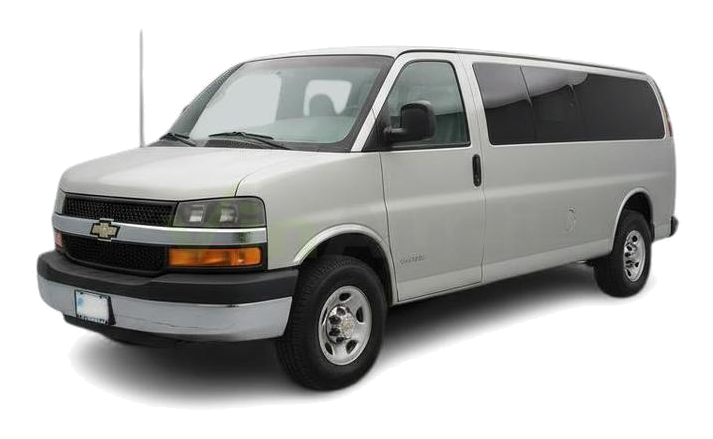
The Good
The 2003 Chevrolet Express boasts strong V8 performance and a reputation for solid reliability, appealing to practical buyers needing a dependable work or family hauler. Its vast interior offers surprising comfort for a utilitarian vehicle. Excellent value on the used market, combined with its robust design and adaptability, gives emotional buyers the freedom for conversions or a capable partner for any task.
The Bad
Known weaknesses for the 2003 Chevrolet Express include its poor fuel economy, cumbersome handling due to its large size, and a dated interior design. Owners should also watch out for common issues like premature brake wear, front suspension component deterioration, fuel pump failures, and significant rust, especially in regions with road salt.
2003 Chevrolet Express: Quick Overview
- Engine Options: The 2003 Chevrolet Express offered a range of robust Vortec engines to suit various needs:
- 4.3L V6 (Vortec 4300)
- 5.3L V8 (Vortec 5300)
- 6.0L V8 (Vortec 6000)
- 8.1L V8 (Vortec 8100, typically for heavier-duty applications)
- Horsepower: Horsepower figures varied by engine:
- 4.3L V6: Approximately 195 hp
- 5.3L V8: Approximately 285 hp
- 6.0L V8: Approximately 300 hp
- 8.1L V8: Approximately 325 hp
- Fuel Economy: Given its size and engine options, fuel economy was not a strong suit, generally ranging from 12-15 MPG combined, depending on the engine, load, and driving conditions.
- 0-60 Times: As a utilitarian vehicle, 0-60 mph times were not a primary focus, typically falling in the 8-12 second range for V8 models, varying significantly with load.
- Towing Capacity: The Express was a capable hauler. When properly equipped with the right engine (especially the 6.0L or 8.1L V8) and heavy-duty towing package, it could tow up to approximately 10,000 lbs.
- Trim-Level Features: The Express was available in several configurations:
- Base (Work Van): Focused on utility, it typically featured vinyl seats, AM/FM radio, basic instrumentation, and manual windows and door locks.
- LS: Offered more comfort with cloth seats, standard air conditioning, power windows and door locks, cruise control, and an optional CD player.
- LT: The most amenity-rich trim, adding features like improved audio systems, available rear air conditioning and heating, remote keyless entry, and optional alloy wheels.
Both cargo and passenger variants were available, alongside standard and extended wheelbase options, catering to diverse commercial and personal requirements.
2003 Chevrolet Express Specifications
Vehicle Information
| Year | 2003 |
| Make | Chevrolet |
| Model | Express |
| Trim | - |
| Style | LS Van RWD 4AT 6.0L V8 |
| Type | Van |
| Category | commercial |
Manufacturing Details
| Made In | United States |
| Manufacturing City | WENTZVILLE |
Dimensions
| Doors | 3-Door |
| Curb Weight | 5500 pounds |
| Gross Vehicle Weight Rating | - |
| Overall Height | 82 inches |
| Overall Length | 224.1 inches |
| Overall Width | 79.3 inches |
| Wheelbase Length | 135 inches |
| Standard Seating | 12 |
Engine & Performance
| Engine | 6L V8 |
| Engine Size | 6L |
| Engine Cylinders | 8 |
| Transmission | 4-Speed Automatic |
| Transmission Type | Automatic |
| Transmission Speeds | 4-Speed |
| Drivetrain | Rear-Wheel Drive |
Additional Features
| Anti-Brake System | 4-Wheel ABS |
| Steering Type | Recirculating Ball |
Pricing
| Manufacturer Suggested Retail Price (MSRP) | $29,000 |
| Invoice Price | $27,000 |
| Delivery Charges | $900 |
Vehicle History Report
Specifications
History
Events
History Check
Check
Check
Check
Check
Listings
Recalls
Check
Analysis
What Problems Does the 2003 Chevrolet Express Have?
Fuel pump failures are another well-documented issue, which can leave owners stranded. Rust is a significant long-term concern, particularly in regions exposed to road salt, often affecting rocker panels, wheel wells, and critical frame components. Electrical gremlins can surface, manifesting as faulty window switches, intermittent dashboard lights, or issues with the Body Control Module (BCM).
Steering gear box leaks and excessive play are also reported, requiring costly replacement. While the Vortec engines are generally durable, the 4L60E and 4L80E transmissions, though robust, can develop issues over time, especially if subjected to consistent heavy towing or neglect of fluid changes. HVAC system failures, such as blower motor or resistor problems, are also relatively common. For recalls, it's always advisable to consult the National Highway Traffic Safety Administration (NHTSA) website with the specific VIN, as general recalls for GM vehicles of this era sometimes covered components like ignition switches or power steering hoses, though specific 2003 Express recalls should be verified individually. These issues, while notable, are often manageable with diligent maintenance and pre-purchase inspection.
How long will the 2003 Chevrolet Express last?
However, weaknesses over time often include significant rust on body panels and the undercarriage, especially in corrosive environments. Front suspension and steering components are prone to wear, requiring regular replacement. Electrical issues, such as faulty switches and sensors, also become more prevalent with age. Consistent fluid changes, rust prevention, and proactive replacement of wear items are critical to achieving high mileage and extending its service life.
What Technology & Safety Features are Included?
For entertainment, a standard AM/FM radio was included, with an optional single-disc CD player available on higher trims. Some passenger models could also be equipped with rear seat audio controls, providing a degree of entertainment customization for passengers. Steering wheel-mounted audio controls were also an option on select trims.
Driver-assistance features, as understood today, were virtually non-existent. The vehicle relied on fundamental systems such as power steering and power brakes to aid the driver.
Regarding safety, the 2003 Express came standard with dual front airbags for the driver and front passenger, along with anti-lock brakes (ABS) across the lineup, enhancing stopping control. Daytime Running Lights (DRLs) were also a standard safety feature. An optional OnStar telematics system was available, providing services like automatic crash notification, emergency assistance, and remote diagnostics through a subscription.
Crash-test ratings for the 2003 Express from organizations like the NHTSA typically covered frontal and side impact protection. While providing adequate protection for its class at the time, these ratings should be understood within the context of early 2000s safety standards, which lacked advanced features like side curtain airbags, electronic stability control, or comprehensive occupant protection systems now common in modern vehicles. It was a utilitarian design focused on basic safety essentials.
What Colors Options are Available?
2003 Chevrolet Express Prices and Market Value
On today's used market, prices for a 2003 Express are highly variable, generally falling between $3,000 and $15,000. This wide range is largely due to the vehicle's age, condition, mileage, and whether it's a cargo or passenger model.
Depreciation has largely run its course for this model year. These vans now offer excellent value for their utility. Factors heavily affecting current resale value include documented maintenance history, minimal rust, engine and transmission condition, and whether it's been converted (e.g., into a camper) or well-maintained as a commercial vehicle. Cargo vans often command slightly higher prices due to demand from tradespeople and the "van life" community.
2003 Chevrolet Express Cost of Ownership
Overall, the 2003 Express is economical in terms of initial purchase price and parts availability. However, its substantial fuel consumption makes it relatively costly to run on a daily basis, balancing its otherwise low entry and maintenance costs. Long-term ownership depends heavily on diligent maintenance to mitigate wear-and-tear and rust.
2003 Chevrolet Express Fuel Efficiency
2003 Chevrolet Express Recalls & Defects
2003 Chevrolet Express Warranty
Basic
Powertrain
Rust
2003 Chevrolet Express Insurance
reasonable repair costs.
How Does the 2003 Chevrolet Express Compare to Other Van?
In terms of performance, the Express and E-Series were largely comparable, both offering a range of robust V8 engines that provided ample power for hauling and towing. The Express's Vortec engines were often praised for their durability. The Dodge Ram Van, while capable, often felt a generation behind with less refined engine options.
Features across all three were utilitarian. The Express and E-Series offered similar basic amenities, with higher trims providing options like power accessories, air conditioning, and basic CD players. The Ram Van typically lagged in interior design and available comfort features.
Reliability was a strong point for all three American full-size vans. The Express, particularly with its V8 powertrains, had a reputation for long-term durability, a trait shared closely by the Ford E-Series. Both could easily reach high mileage with proper maintenance. The Dodge Ram Van was also reliable but sometimes reported more transmission issues.
Regarding price on the used market, the Express and E-Series tend to hold their value a bit better than the Ram Van, primarily due to their perceived reliability and continued demand. Prices are heavily dictated by condition, mileage, and specific configuration (cargo vs. passenger).
For alternatives, the Ford E-Series (2003-2007 models) is arguably the most direct and similar alternative. It offers comparable performance, features, and reliability, making the choice often a matter of brand preference or specific local availability/condition. Both platforms are excellent for work or conversion projects. If a higher roof or different fuel type is desired and budget permits, a Mercedes-Benz Sprinter from around the same era (though a vastly different vehicle, often diesel and with a much higher roof) could be considered for specific, specialized applications, though its repair costs for specialized parts can be higher.
Final Verdict: Is the 2003 Chevrolet Express a Good Van?
Given its age, it is almost exclusively a used purchase. When buying, prioritize examples with a documented maintenance history, thorough inspections for rust (especially on the frame and rocker panels), and a healthy engine and transmission. The 5.3L or 6.0L V8 engines are highly recommended for their balance of power and reliability. Opt for a Base cargo van for commercial use or conversions, and an LS or LT passenger van for family hauling if comfort is desired. It's not ideal for those prioritizing fuel efficiency, advanced safety features, or a refined driving experience.

Eugene S
Eugene is an automotive enthusiast with over 15 years of experience in the used car market. As a writer at VINCheck.info, he brings deep industry insight and a passion for cars, helping readers make smart, informed decisions. Eugene has written hundreds of used car reviews and is known for breaking down complex automotive topics into clear, actionable advice. Over the years, he has driven and worked on a wide range of vehicles—starting with tuning street cars in his early days and eventually focusing on performance upgrades and reliability improvements. Today, he specializes in evaluating used vehicles through the lens of real-world ownership and enthusiast needs. A longtime fan of Porsche, Eugene especially appreciates vehicles that blend durability with driving enjoyment.