
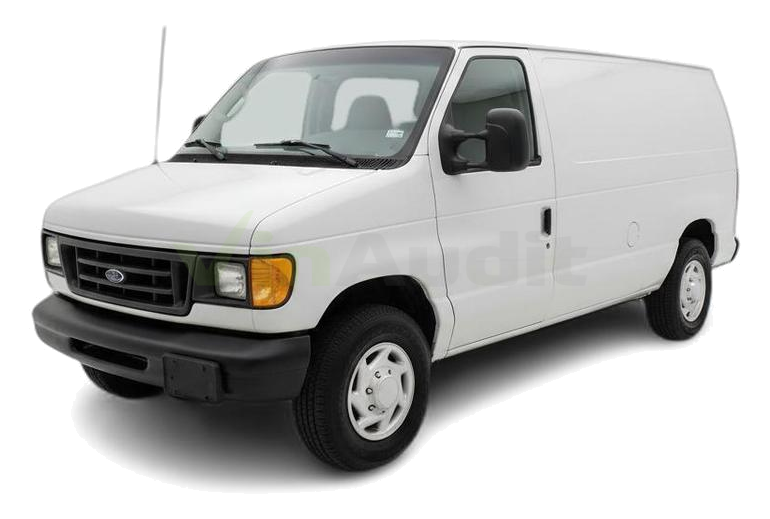
The Good
The 2007 Ford E-150 boasts a robust powertrain, offering dependable performance for hauling and towing. Its proven mechanicals contribute to strong long-term reliability. Practical buyers appreciate the vast cargo space or generous seating, excellent value in the used market, and simple, durable design. Emotionally, it provides a sense of rugged capability and freedom for customization, making it a trusted companion for work or adventure.
The Bad
Known weaknesses for the 2007 Ford E-150 include notoriously poor fuel economy, a somewhat dated and truck-like interior, and ride quality that can be harsh. Potential mechanical concerns include spark plug issues on the 3-valve V8 engines, exhaust manifold leaks, and susceptibility to rust, particularly in colder climates. Driving dynamics are not its strong suit.
2007 Ford E-150: Quick Overview
- Engine Options: The 2007 Ford E-150 primarily offered two robust V8 gasoline engines:
- 4.6-liter "Triton" V8: Standard engine, offering a balance of power and efficiency for lighter duties.
- 5.4-liter "Triton" V8: Optional, providing increased horsepower and torque for heavier loads and towing.
- Horsepower:
- 4.6L V8: Approximately 225 horsepower.
- 5.4L V8: Approximately 255 horsepower.
- Transmission: Both engines were typically paired with a 4-speed automatic transmission, renowned for its durability.
- Fuel Economy: Expect significantly lower fuel efficiency compared to modern vehicles. EPA estimates hovered around 13-15 MPG combined (city/highway) for both engine options, varying slightly by configuration and driving conditions.
- 0-60 Times: As a utilitarian full-size van, 0-60 MPH acceleration was not a priority. Times typically ranged from 10 to 12 seconds, depending on the engine, load, and configuration.
- Towing Capacity: The E-150 was a strong tower, with capacities varying based on engine and rear axle ratio. When properly equipped, it could tow up to approximately 7,500 pounds with the 5.4-liter V8 engine.
- Trim-Level Features:
- XL (Work Van/Passenger Van): The base trim focused on utility. Features included vinyl or cloth upholstery, manual windows and door locks, an AM/FM stereo, and minimal aesthetic enhancements. It was designed for fleets and basic commercial use.
- XLT (Passenger Van): The XLT offered more comfort and convenience. It typically added features such as cloth upholstery, power windows and door locks, cruise control, a CD player, chrome exterior accents (bumpers, grille), and often had options like rear air conditioning, remote keyless entry, and upgraded audio systems. The XLT aimed to provide a more passenger-friendly or comfortable experience for personal use or shuttle services.
The E-150 also offered various wheelbase lengths and roof heights in some configurations, affecting cargo volume and maneuverability, though the E-150 was primarily the shorter wheelbase/standard roof version.
2007 Ford E-150 Specifications
Vehicle Information
| Year | 2007 |
| Make | Ford |
| Model | E-150 |
| Trim | - |
| Style | - |
| Type | Van |
| Category | Cargo Van |
Manufacturing Details
| Made In | United States |
| Manufacturing City | CHICAGO |
Dimensions
| Doors | 3-Door |
| Curb Weight | 4690 pounds |
| Gross Vehicle Weight Rating | 8520 pounds |
| Overall Height | 80.90 inches |
| Overall Length | 212.00 inches |
| Overall Width | 79.30 inches |
| Wheelbase Length | 138.00 inches |
| Standard Seating | 2 |
Engine & Performance
| Engine | 4.6L V8 |
| Engine Size | 4.6L |
| Engine Cylinders | 8 |
| Transmission | 4-Speed Automatic |
| Transmission Type | Automatic |
| Transmission Speeds | 4-Speed |
| Drivetrain | Rear-Wheel Drive |
Additional Features
| Anti-Brake System | 4-Wheel ABS |
| Steering Type | Recirculating |
Pricing
| Manufacturer Suggested Retail Price (MSRP) | $23,380 |
| Invoice Price | $20,910 |
| Delivery Charges | $870 |
Vehicle History Report
Specifications
History
Events
History Check
Check
Check
Check
Check
Listings
Recalls
Check
Analysis
What Problems Does the 2007 Ford E-150 Have?
Beyond engine specifics, owners frequently report front suspension wear, including ball joints, tie rods, and bushings, which is common for heavy-duty vehicles, especially if used for commercial purposes. Rust is a significant concern, particularly on body panels, rocker panels, and the frame, especially in regions with road salt.
Electrical gremlins can manifest over time, such as issues with the HVAC blower motor resistor, leading to fan speed problems. Ignition coil failures are also relatively common, causing misfires. While the 4-speed automatic transmission is generally durable, higher mileage examples may eventually require service.
Regarding recalls for the 2007 model year, specific recalls for the E-150 included issues like potentially faulty fuel tank straps that could corrode and detach, and a recall concerning the brake light switch that could affect cruise control operation and brake lamp functionality. It's always advisable for prospective buyers to check the NHTSA website for any open recalls by VIN. Overall, while the E-150 is a workhorse, these specific issues can lead to costly repairs if not addressed proactively or if buying a poorly maintained example.
How long will the 2007 Ford E-150 last?
What Technology & Safety Features are Included?
Entertainment: Standard entertainment included an AM/FM radio, with an optional single-CD player. Some higher trims or option packages might have included an auxiliary input jack for external audio devices, but this was not universal. Sound quality was generally basic, suited for a work vehicle.
Driver-Assistance: Modern driver-assistance features like blind-spot monitoring, lane-keeping assist, or adaptive cruise control were nonexistent. The primary driver-assistance feature was Anti-lock Braking System (ABS), which was standard on all models, aiding in control during emergency braking.
Safety Features: Basic safety equipment included dual front airbags for the driver and front passenger, along with three-point seatbelts for all seating positions. Depending on the configuration, some passenger vans might have offered a basic rear-seat emergency exit.
Optional Features: Beyond the standard features, buyers could opt for conveniences like power windows and door locks, cruise control, tilt steering, and rear air conditioning (especially important for passenger van configurations). Remote keyless entry was also an available upgrade.
Crash-Test Ratings: The National Highway Traffic Safety Administration (NHTSA) provided crash test ratings for the 2007 Ford E-150. For frontal crash tests, the passenger van version typically received a 4-star rating for both driver and passenger protection. Side-impact crash ratings were generally not as comprehensive as for passenger cars, with the E-Series often receiving a 3-star rating for front and rear side impact, if tested. Due to its robust truck-based platform, it offered good structural integrity in many common collision scenarios, but lacked the advanced occupant protection technologies of more modern vehicles.
What Colors Options are Available?
2007 Ford E-150 Prices and Market Value
Depreciation was significant in its early years, typical for a commercial-oriented vehicle. However, after about a decade, its value plateaus as it becomes a highly sought-after budget work vehicle or conversion platform. Factors affecting resale value include overall condition, mileage, maintenance history, presence of rust, and whether it's a cargo or passenger configuration. Clean, rust-free examples with good service records command higher prices, particularly in areas with strong demand for vans for camper conversions or mobile businesses.
2007 Ford E-150 Cost of Ownership
2007 Ford E-150 Fuel Efficiency
2007 Ford E-150 Safety Rating
NHTSA
IIHS
2007 Ford E-150 Recalls & Defects
Equipment Adaptive/Mobility
Equipment Adaptive/Mobility
Equipment Adaptive/Mobility
Equipment Adaptive/Mobility
Fuel System, Gasoline:storage:tank Assembly
Equipment
Equipment Adaptive/Mobility
Equipment Adaptive/Mobility
Equipment Adaptive/Mobility
Equipment Adaptive/Mobility
Equipment Adaptive/Mobility
Equipment Adaptive/Mobility
Fuel System, Gasoline:fuel Injection System:fuel Rail
Equipment Adaptive/Mobility
Equipment Adaptive/Mobility
Equipment Adaptive/Mobility
Equipment Adaptive/Mobility
Equipment Adaptive/Mobility
Equipment Adaptive/Mobility
2007 Ford E-150 Warranty
Basic
Powertrain
Rust
2007 Ford E-150 Insurance
reasonable repair costs.
How Does the 2007 Ford E-150 Compare to Other Van?
Features across these domestic vans are quite basic for the 2007 model year. They all prioritize utility over luxury, offering similar levels of interior amenity (or lack thereof), with manual or basic power accessories. The E-150's interior may feel slightly more dated than the GM twins to some.
Reliability is a close match. The E-150 is known for its durable chassis but has specific Achilles' heels like the spark plug issues and exhaust manifold leaks on its Triton V8s. The GM vans are generally considered very reliable, though they too have common issues like intake manifold gaskets or fuel pump failures at higher mileages. Parts availability and repair expertise are excellent for all three.
Price in the used market for the 2007 models is often quite competitive. The E-150, Express, and Savana 1500 typically fall within a similar range, with condition, mileage, and configuration being the primary price determinants.
While not a direct rival in the 1500 class due to its more European design and diesel options, the Mercedes-Benz Sprinter (also sold as a Dodge Sprinter in 2007) offered better fuel economy, superior cargo volume with its high-roof option, and more refined driving dynamics. However, Sprinters were significantly more expensive new, and used models generally command higher prices with more costly maintenance and parts.
Recommended Alternatives: For someone seeking a similar, reliable workhorse, the 2007 Chevrolet Express 1500 or GMC Savana 1500 are excellent, virtually identical alternatives, offering similar strengths and weaknesses. The choice often comes down to brand preference or the best-condition example found. If better fuel economy and a more modern driving experience are priorities, a higher-mileage, older Sprinter could be considered, but be prepared for potentially higher maintenance costs.
Final Verdict: Is the 2007 Ford E-150 a Good Van?
It is worth buying, but almost exclusively in the used market now. Prospective buyers should prioritize examples with comprehensive maintenance records and undergo a thorough pre-purchase inspection, focusing on rust, transmission health, and critically, the engine's spark plug and exhaust manifold condition. The XL trim is best for pure utility and budget, while the XLT trim offers more comfort for passenger duty. If you need a powerful, spacious, and relatively affordable workhorse and are prepared for its poor fuel economy and potential for specific engine repairs, the E-150 remains a highly functional and dependable choice.

Jovan
Jovan specializes in interpreting vehicle records and making sense of VIN data. With over 10 years of experience in the automotive data industry, his work ensures that every report is clear, accurate, and useful for car buyers.