
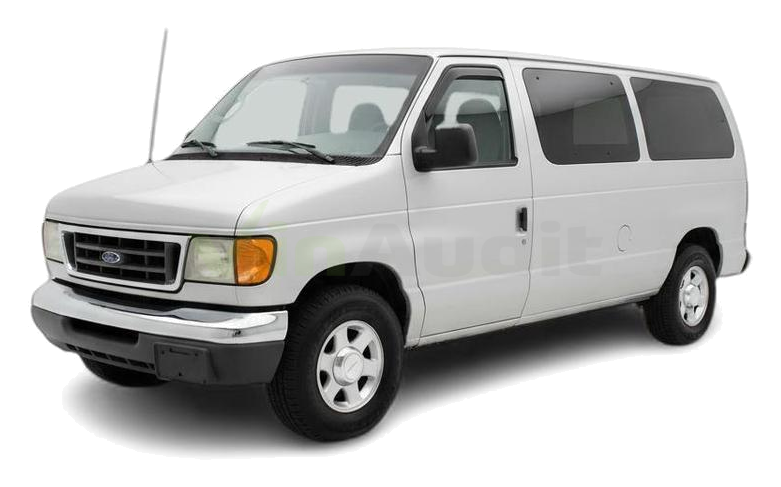
The 2005 Ford E-150 is a full-size van, part of a long-standing lineage renowned for its utility and robust nature. Produced across several model years, it typically featured a van body style. Key trims often included the XL and XLT. While new pricing varied significantly based on configuration, used models in 2005 likely ranged from the low $20,000s to $30,000s. Its enduring popularity stems from its unmatched cargo capacity, towing prowess, and customizable interior, making it a workhorse for businesses and a versatile base for recreational conversions.
The Good
The 2005 E-150 offers substantial towing and hauling capabilities, a testament to its robust build. Owners appreciate its dependable performance and spacious, adaptable interior, ideal for work or family adventures. Its straightforward design ensures ease of maintenance, contributing to strong long-term value and a sense of unshakeable reliability that reassures practical buyers.
The Bad
Potential buyers of the 2005 Ford E-150 should be aware of common issues such as transmission problems, especially on higher-mileage examples. Rust, particularly around the wheel wells and rocker panels, is a significant concern in certain climates. Electrical gremlins and suspension wear are also points to investigate closely during inspection.
2005 Ford E-150: Quick Overview
- Engine Options: The 2005 Ford E-150 was available with a choice of robust V8 engines. Standard was a 4.6-liter Triton V8, and an optional, more powerful 5.4-liter Triton V8 was also offered. These engines were known for their durability and ample power for hauling and towing.
- Horsepower: The 4.6L V8 typically produced around 215-232 horsepower, while the larger 5.4L V8 offered approximately 232-252 horsepower, depending on the specific tune and configuration.
- Fuel Economy: As a full-size van with significant weight, fuel economy was not a strong suit. Expect figures in the range of 12-15 MPG combined for city and highway driving, heavily influenced by engine choice, load, and driving conditions.
- 0-60 Times: Official 0-60 mph times were generally not a primary focus for this vehicle. However, estimates place acceleration in the 9-11 second range for well-maintained models, depending on engine and load.
- Towing Capacity: The E-150 offered substantial towing capabilities, with ratings often exceeding 7,000 lbs and potentially reaching over 9,000 lbs when properly equipped with towing packages and the larger engine.
- Trim-Level Features:
XL Trim: This was the base model, focusing on essential utility. Features typically included vinyl flooring, manual windows and locks, a basic AM/FM stereo, and durable interior materials. It was designed for fleet use and work applications.
XLT Trim: Stepping up to the XLT added more comfort and convenience features. This could include cloth seating, power windows and locks, cruise control, an upgraded audio system, and sometimes carpeted flooring and better interior trim. - Optional Features: Many customization options were available, including rear air conditioning, various seating configurations, heavy-duty suspensions, limited-slip differentials, and trailer towing packages that enhanced its work capabilities.
2005 Ford E-150 Specifications
Vehicle Information
| Year | 2005 |
| Make | Ford |
| Model | E-150 |
| Trim | - |
| Style | Cargo |
| Type | Cargo |
| Category | Cargo Van |
Manufacturing Details
| Made In | United States |
| Manufacturing City | LORAIN |
Dimensions
| Doors | 3-Door |
| Curb Weight | 4690 pounds |
| Gross Vehicle Weight Rating | 6700 pounds |
| Overall Height | 80.90 inches |
| Overall Length | 211.90 inches |
| Overall Width | 79.30 inches |
| Wheelbase Length | 138.00 inches |
| Standard Seating | 2 |
Engine & Performance
| Engine | 4.6L V8 |
| Engine Size | 4.6L |
| Engine Cylinders | 8 |
| Transmission | 4-Speed Automatic |
| Transmission Type | Automatic |
| Transmission Speeds | 4-Speed |
| Drivetrain | Rear-Wheel Drive |
Additional Features
| Anti-Brake System | 4-Wheel ABS |
| Steering Type | Recirculating |
Pricing
| Manufacturer Suggested Retail Price (MSRP) | $23,145 |
| Invoice Price | $20,123 |
| Delivery Charges | $735 |
Vehicle History Report
Vehicle
Specifications
Specifications
Ownership
History
History
All History
Events
Events
NMVTIS Title
History Check
History Check
Salvage/Rebuilt
Check
Check
Accident
Check
Check
Theft
Check
Check
Open Lien
Check
Check
Past Sale
Listings
Listings
Safety
Recalls
Recalls
Odometer
Check
Check
Market Price
Analysis
Analysis
What Problems Does the 2005 Ford E-150 Have?
The 2005 Ford E-150, like many vehicles of its era and type, has some commonly reported issues and long-term considerations. One of the most frequently cited problems revolves around the transmission. Owners have reported issues ranging from slipping gears to complete failure, especially as mileage accumulates. This often requires costly repairs or replacements. Another significant concern is rust. Ford vans from this period are susceptible to corrosion, particularly in areas with harsh winters and road salt. Areas to watch for include the rocker panels, wheel wells, frame rails, and floor pans. Extensive rust can compromise structural integrity and lead to significant repair bills.
Electrical issues are also not uncommon. This can manifest as problems with the power windows, door locks, dashboard lights, or even the ignition system. These can be frustrating and difficult to diagnose. Suspension components, such as ball joints, tie rods, and bushings, can wear out over time due to the vehicle's weight and intended use, leading to steering looseness and clunking noises. The exhaust system can also be a point of failure, with leaks or rust-related damage occurring.
While Ford did not issue widespread, major recalls specifically targeting a single catastrophic failure for the 2005 E-150, it's always advisable to check for any outstanding recalls that may have been issued for specific components or systems. Long-term reliability is generally considered good if the vehicle has been well-maintained, particularly the powertrain. However, the propensity for rust and potential transmission issues means that a thorough pre-purchase inspection by a qualified mechanic is crucial to identify potential future expenses. Buyers should be especially vigilant in checking for signs of abuse or neglect, as these vans were often used for heavy-duty work.
Electrical issues are also not uncommon. This can manifest as problems with the power windows, door locks, dashboard lights, or even the ignition system. These can be frustrating and difficult to diagnose. Suspension components, such as ball joints, tie rods, and bushings, can wear out over time due to the vehicle's weight and intended use, leading to steering looseness and clunking noises. The exhaust system can also be a point of failure, with leaks or rust-related damage occurring.
While Ford did not issue widespread, major recalls specifically targeting a single catastrophic failure for the 2005 E-150, it's always advisable to check for any outstanding recalls that may have been issued for specific components or systems. Long-term reliability is generally considered good if the vehicle has been well-maintained, particularly the powertrain. However, the propensity for rust and potential transmission issues means that a thorough pre-purchase inspection by a qualified mechanic is crucial to identify potential future expenses. Buyers should be especially vigilant in checking for signs of abuse or neglect, as these vans were often used for heavy-duty work.
How long will the 2005 Ford E-150 last?
With diligent maintenance, the 2005 Ford E-150 can achieve impressive longevity, often exceeding 200,000 miles and providing 15-20 years of service. The core powertrain, particularly the V8 engines and their associated transmissions, is generally robust and can endure significant mileage if fluid changes and regular tune-ups are performed. However, its long-term durability is significantly challenged by rust and the wear and tear associated with heavy-duty use. Weaknesses that emerge over time include potential transmission issues, suspension component wear, and electrical glitches. Regular inspections and preventative maintenance addressing these common failure points are key to maximizing its service life.
What Technology & Safety Features are Included?
The 2005 Ford E-150 offered a functional, albeit not cutting-edge, array of technology and safety features for its time, prioritizing utility over luxury. Standard entertainment typically consisted of an AM/FM stereo radio, with optional upgrades including CD players and more speakers for improved audio. Built-in navigation systems were not commonly offered or integrated in the way modern vehicles feature them.
Driver-assistance features were rudimentary. Basic cruise control was available, and power steering made maneuverability manageable. However, advanced systems like traction control, stability control, or parking sensors were not standard and were rarely optioned on this model. The focus was on the core driving experience rather than electronic aids.
Safety was addressed through essential passive features. Standard safety equipment included front airbags for the driver and passenger, along with seat belts. Anti-lock braking systems (ABS) were typically standard or a common option, providing crucial stopping power, especially when the van was loaded. Ford's Safety Canopy system, which included side-curtain airbags, was an option that significantly enhanced occupant protection during side impacts and rollovers. However, it was not universally equipped.
Crash-test ratings for vans of this era, especially commercial-oriented ones like the E-150, were often less comprehensive than for passenger cars. The National Highway Traffic Safety Administration (NHTSA) provided ratings, but detailed, multi-faceted tests were not as standardized as they are today. Generally, large body-on-frame vehicles like the E-150 tended to perform adequately in frontal impacts due to their robust construction but could be more vulnerable in side impacts without advanced airbag systems. Buyers seeking enhanced safety should prioritize models equipped with the optional Safety Canopy and ensure all airbags are functional.
Driver-assistance features were rudimentary. Basic cruise control was available, and power steering made maneuverability manageable. However, advanced systems like traction control, stability control, or parking sensors were not standard and were rarely optioned on this model. The focus was on the core driving experience rather than electronic aids.
Safety was addressed through essential passive features. Standard safety equipment included front airbags for the driver and passenger, along with seat belts. Anti-lock braking systems (ABS) were typically standard or a common option, providing crucial stopping power, especially when the van was loaded. Ford's Safety Canopy system, which included side-curtain airbags, was an option that significantly enhanced occupant protection during side impacts and rollovers. However, it was not universally equipped.
Crash-test ratings for vans of this era, especially commercial-oriented ones like the E-150, were often less comprehensive than for passenger cars. The National Highway Traffic Safety Administration (NHTSA) provided ratings, but detailed, multi-faceted tests were not as standardized as they are today. Generally, large body-on-frame vehicles like the E-150 tended to perform adequately in frontal impacts due to their robust construction but could be more vulnerable in side impacts without advanced airbag systems. Buyers seeking enhanced safety should prioritize models equipped with the optional Safety Canopy and ensure all airbags are functional.
What Colors Options are Available?
2005 Ford E-150 Prices and Market Value
When new in 2005, the Ford E-150's price varied widely depending on configuration, ranging from approximately $22,000 for a base model to over $35,000 for a well-equipped XLT passenger van or a cargo version with substantial options. As a used vehicle today, the 2005 E-150 typically sells in the range of $3,000 to $8,000, with prices heavily influenced by mileage, condition, and the presence of rust. These vans have experienced significant depreciation from their original MSRP, which is typical for commercial or heavy-duty vehicles. Factors significantly affecting resale value include a well-maintained service history, minimal rust, functioning transmission, and the absence of major mechanical issues. Clean, low-mileage cargo vans or those converted for recreational use can sometimes command higher prices.
2005 Ford E-150 Cost of Ownership
Owning a 2005 Ford E-150 can be moderately costly, particularly if its intended heavy-duty use is realized. Insurance premiums will vary based on coverage and usage but are generally reasonable for a commercial-type vehicle. Fuel costs are a significant factor due to its V8 engines and substantial weight, with MPG typically in the low teens. Maintenance requires regular fluid changes, tire rotations, and brake checks. Repair costs can be substantial, especially for transmission or significant rust remediation. While not economical in terms of fuel, its robust build and availability of parts contribute to manageable long-term ownership if well-maintained.
2005 Ford E-150 Fuel Efficiency
Fuel Type
Gasoline
Fuel Capacity
35.00 gallons
City Mileage
14 miles/gallon
Highway Mileage
17 miles/gallon
2005 Ford E-150 Safety Rating
NHTSA
IIHS
2005 Ford E-150 Warranty
Basic
Original warranty
36 months / 36,000 miles
Estimated remaining
Expired
Powertrain
Original warranty
36 months / 36,000 miles
Estimated remaining
Expired
Rust
Original warranty
60 months / unlimited miles
Estimated remaining
Expired
2005 Ford E-150 Insurance
Insurance for a 2005 Ford E-150 is moderately priced, reflecting its status as a Cargo with strong safety ratings and
reasonable repair costs.
How Does the 2005 Ford E-150 Compare to Other Cargo?
The 2005 Ford E-150 competed directly with other full-size vans like the Chevrolet Express/GMC Savana twins and the Dodge Ram Van. In terms of performance, the E-150's V8 engine options generally provided competitive power for towing and hauling, often matching or slightly exceeding the offerings from Chevrolet and GMC. The Dodge Ram Van, while known for its ruggedness, phased out of production earlier in this period, making it less of a direct competitor in 2005.
Features-wise, the E-150, particularly in its XLT trim, offered a decent level of comfort and convenience for its class. It often held its own against the Express/Savana, which also offered various configurations and options. However, none of these vans were leaders in terms of cutting-edge technology or advanced driver aids compared to contemporary SUVs or passenger cars. The focus was invariably on utility.
Reliability is where opinions can diverge. Ford's Triton V8 engines are generally regarded as durable, but the E-150 shared some common vulnerabilities with its rivals, notably potential transmission issues and susceptibility to rust, especially in harsher climates. Chevrolet's vans also faced their share of transmission and electrical problems. Dodge's Ram Van was considered robust but its aging platform and eventual discontinuation limited its presence.
Price-wise, the E-150 was competitively positioned, offering good value for its capabilities. Used market prices for the 2005 models generally fall within a similar range for comparable Chevrolet/GMC vans, with condition and mileage being the primary determinants.
Alternatives:
If your primary need is passenger transport, a used Ford Explorer or a Chevrolet Tahoe from the same era might offer more comfort and modern features, though with less cargo space. For pure cargo hauling and towing, the Chevrolet Express/GMC Savana are very similar and often interchangeable alternatives. If seeking something more modern with potentially better fuel efficiency and refined driving dynamics, newer used vans like a Mercedes-Benz Sprinter or a modern Ford Transit Connect (though smaller) could be considered, but at a significantly higher price point, both new and used.
Features-wise, the E-150, particularly in its XLT trim, offered a decent level of comfort and convenience for its class. It often held its own against the Express/Savana, which also offered various configurations and options. However, none of these vans were leaders in terms of cutting-edge technology or advanced driver aids compared to contemporary SUVs or passenger cars. The focus was invariably on utility.
Reliability is where opinions can diverge. Ford's Triton V8 engines are generally regarded as durable, but the E-150 shared some common vulnerabilities with its rivals, notably potential transmission issues and susceptibility to rust, especially in harsher climates. Chevrolet's vans also faced their share of transmission and electrical problems. Dodge's Ram Van was considered robust but its aging platform and eventual discontinuation limited its presence.
Price-wise, the E-150 was competitively positioned, offering good value for its capabilities. Used market prices for the 2005 models generally fall within a similar range for comparable Chevrolet/GMC vans, with condition and mileage being the primary determinants.
Alternatives:
If your primary need is passenger transport, a used Ford Explorer or a Chevrolet Tahoe from the same era might offer more comfort and modern features, though with less cargo space. For pure cargo hauling and towing, the Chevrolet Express/GMC Savana are very similar and often interchangeable alternatives. If seeking something more modern with potentially better fuel efficiency and refined driving dynamics, newer used vans like a Mercedes-Benz Sprinter or a modern Ford Transit Connect (though smaller) could be considered, but at a significantly higher price point, both new and used.
Final Verdict: Is the 2005 Ford E-150 a Good Cargo?
The 2005 Ford E-150 is ideal for small business owners, tradespeople, or DIY enthusiasts needing a reliable and highly capable vehicle for hauling equipment, materials, or even converting into a camper or work van. It's worth buying if you prioritize raw utility, cargo capacity, and towing power over modern amenities and fuel efficiency. Buying used is the only realistic option today. It's most advisable to purchase a well-maintained example, ideally from a dry climate to minimize rust concerns. Opt for models with the 5.4L V8 engine for better performance and consider XLT trims for added comfort. Thorough pre-purchase inspection is critical, focusing on transmission health and structural integrity.
