
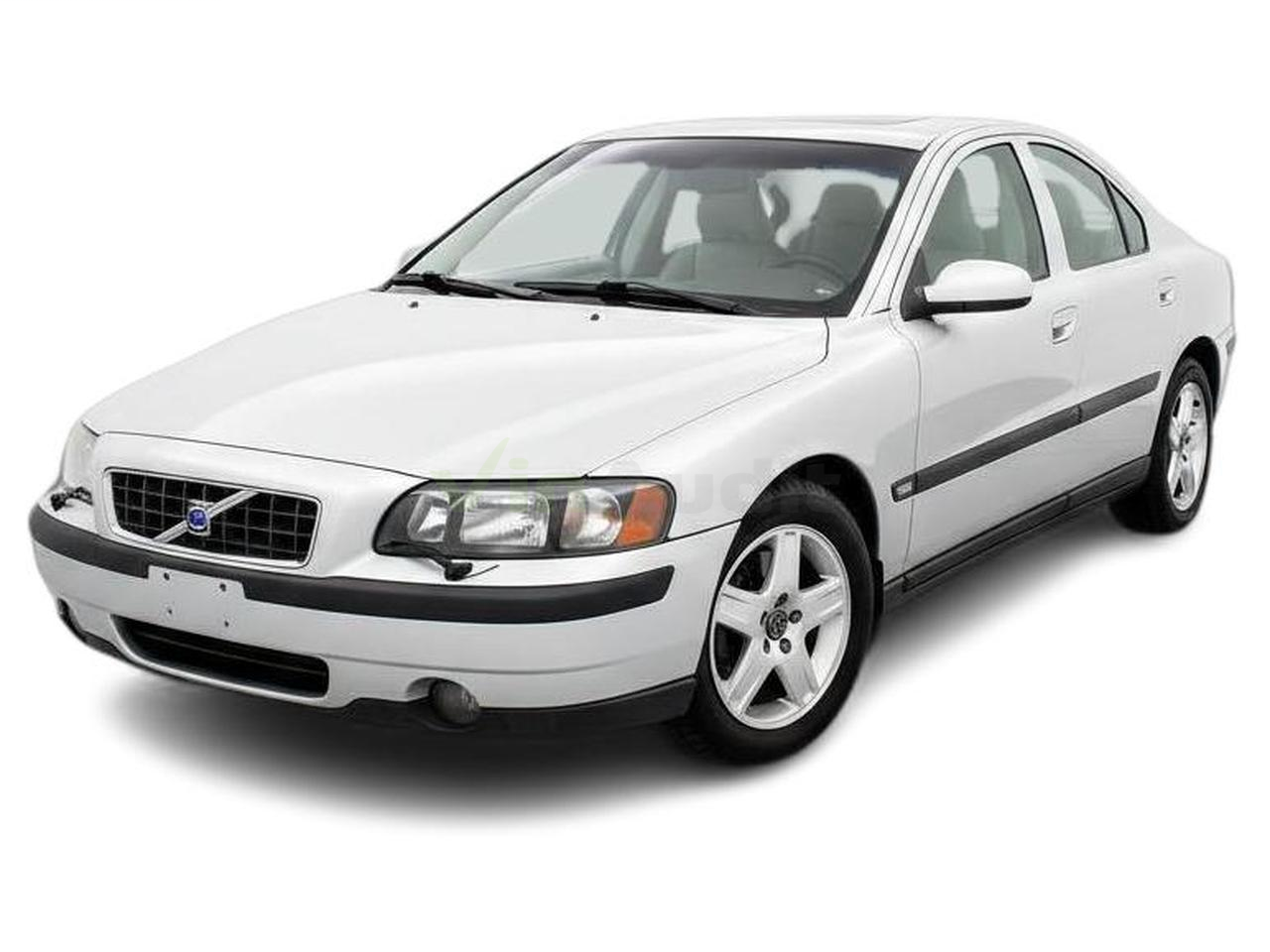
The Good
The 2002 Volvo S60 offers a compelling mix of robust safety, a comfortable and well-appointed interior, and distinctive styling. Its turbocharged engine options provide satisfying performance, while its solid build quality appeals to practicality, and its refined ride caters to comfort. This combination delivers strong value for both the discerning driver and the safety-conscious family.
The Bad
When considering a 2002 Volvo S60, potential buyers should be aware of common issues such as electronic module failures (especially the CEM), radiator leaks, and premature wear of suspension components. Turbocharger issues on T5 models and HVAC system problems can also arise. Regular maintenance is crucial to mitigate these potential weaknesses.
2002 Volvo S60: Quick Overview
- Engine Options:
- 2.4L Inline-5 Cylinder (Naturally Aspirated)
- 2.4L Inline-5 Cylinder Turbocharged
- 2.3L Inline-5 Cylinder Turbocharged (T5 Model)
- Horsepower:
- Naturally Aspirated: Approximately 168-170 hp
- 2.4T: Approximately 197 hp
- T5: Approximately 247 hp
- Fuel Economy (EPA Estimated, Varies by engine and transmission):
- City: 16-19 MPG
- Highway: 23-27 MPG
- 0-60 Times (Approximate):
- Naturally Aspirated: 8-9 seconds
- 2.4T: 7-8 seconds
- T5: 6-7 seconds
- Towing Capacity: Not typically applicable or advertised for this sedan model.
- Key Trim-Level Features:
- S60 (Base): Standard safety features, power accessories, air conditioning, cruise control, CD player, comfortable cloth upholstery, 16-inch alloy wheels.
- S60 2.4T: Adds a more powerful turbocharged engine, leather upholstery, power-adjustable driver's seat, upgraded audio system, fog lights, 17-inch alloy wheels, and often a sunroof.
- S60 T5: Features the most potent turbocharged engine, sport-tuned suspension, unique interior and exterior styling cues (e.g., sport seats, body kit), premium audio system, xenon headlights, and larger alloy wheels. Optional features across trims could include premium sound systems, navigation, heated seats, and a sunroof.
2002 Volvo S60 Specifications
Vehicle Information
| Year | 2002 |
| Make | Volvo |
| Model | S60 |
| Trim | - |
| Style | 5-Speed |
| Type | Sedan |
| Category | Compact Car |
Manufacturing Details
| Made In | Sweden |
| Manufacturing City | GHENT |
Dimensions
| Doors | 4-Door |
| Curb Weight | 3146 pounds |
| Gross Vehicle Weight Rating | - |
| Overall Height | 56.20 inches |
| Overall Length | 180.20 inches |
| Overall Width | 71.00 inches |
| Wheelbase Length | 107.00 inches |
| Standard Seating | 5 |
Engine & Performance
| Engine | 2.4L I5 |
| Engine Size | 2.4L |
| Engine Cylinders | 5 |
| Transmission | 5-Speed Automatic |
| Transmission Type | Automatic |
| Transmission Speeds | 5-Speed |
| Drivetrain | Front-Wheel Drive |
Additional Features
| Anti-Brake System | 4-Wheel ABS |
| Steering Type | Rack & Pinion |
Pricing
| Manufacturer Suggested Retail Price (MSRP) | $27,125 |
| Invoice Price | $25,497 |
| Delivery Charges | $625 |
Vehicle History Report
Specifications
History
Events
History Check
Check
Check
Check
Check
Listings
Recalls
Check
Analysis
What Problems Does the 2002 Volvo S60 Have?
Another area to watch for is the cooling system. Radiator leaks, often starting from the plastic end tanks, are relatively common, leading to coolant loss and potential overheating if not addressed promptly. The automatic transmission, while generally robust, can sometimes experience issues with shifting quality or premature wear, especially if it hasn't been serviced regularly. On T5 models, the turbocharger, while providing exhilarating performance, can be a source of expensive repairs if not properly maintained, with potential for oil leaks or bearing failure over time.
Suspension components, such as control arm bushings and ball joints, can also wear out, leading to clunking noises and degraded handling. The HVAC system, including the blower motor and climate control module, has also been reported to have issues. While there haven't been widespread recalls specifically targeting major mechanical failures for the 2002 model year, it's always wise to check the National Highway Traffic Safety Administration (NHTSA) website for any safety-related recalls that may have been issued.
In terms of long-term reliability, Volvos of this era are known for their durable engines and solid chassis. However, the prevalence of electronic issues means that preventative maintenance and a thorough pre-purchase inspection by a Volvo specialist are highly recommended to avoid costly surprises. While some owners have reported hundreds of thousands of miles with proper care, neglecting common issues can significantly shorten the vehicle's lifespan and increase ownership costs.
How long will the 2002 Volvo S60 last?
What Technology & Safety Features are Included?
Safety Features: Volvo's commitment to safety is evident. Standard safety equipment included advanced multi-stage front airbags, side-impact airbags, and full-length inflatable curtain airbags. Anti-lock braking system (ABS), Electronic Stability Program (ESP, also known as DSTC - Dynamic Stability and Traction Control), and traction control were also standard. The S60's robust construction and safety cage design contributed to excellent crash test ratings for its era. It achieved good ratings in NHTSA frontal and side-impact crash tests, and performed well in IIHS (Insurance Institute for Highway Safety) tests, often earning "Good" ratings, particularly in frontal offset impacts.
Technology and Entertainment: Base models typically came equipped with a CD player and an AM/FM radio, with basic climate controls. Higher trims, like the 2.4T and T5, often included upgraded premium audio systems, sometimes with a subwoofer. Optional features could include a power-operated sunroof, cruise control, and keyless entry. While navigation systems were not standard, they were available as an option on some higher-spec models. The user interface for the infotainment system was functional but reflected the technology of the early 2000s, with physical buttons and a relatively simple display.
Driver Assistance Features: Driver assistance features were limited in the 2002 model year. Beyond the standard electronic stability and traction control, advanced aids like adaptive cruise control, lane departure warning, or blind-spot monitoring were not available. The focus was primarily on passive safety (airbags, structure) and active safety systems that prevented accidents (ABS, ESP).
What Colors Options are Available?
2002 Volvo S60 Prices and Market Value
2002 Volvo S60 Cost of Ownership
2002 Volvo S60 Fuel Efficiency
2002 Volvo S60 Safety Rating
NHTSA
IIHS
2002 Volvo S60 Recalls & Defects
Equipment:electrical:navigational System(Global Positioning System)
AIR Bags:frontal:driver Side:inflator Module
AIR Bags:frontal:driver Side:inflator Module
Equipment:other:labels
Equipment:other:labels
Vehicle Speed Control
Fuel System, Gasoline:delivery:fuel Pump
Service Brakes, Hydraulic:foundation Components:master Cylinder
Fuel System, Gasoline:delivery:fuel Pump
2002 Volvo S60 Warranty
Basic
Powertrain
Rust
2002 Volvo S60 Insurance
reasonable repair costs.
How Does the 2002 Volvo S60 Compare to Other Sedan?
Performance: While the base S60 offered adequate performance, its naturally aspirated engines lagged behind the more potent offerings from BMW and Audi, especially in terms of acceleration and handling dynamics. The S60 T5, with its powerful turbo-five engine, could rival some of the sportier trims of its German competitors, delivering exhilarating acceleration. However, the BMW 3 Series generally offered a more engaging driving experience and superior handling across its range.
Features: In terms of features, the S60 held its own, particularly in safety. Volvo's legendary safety suite was a significant draw. It offered comfortable interiors and good build quality, comparable to the Lexus and Acura. However, the infotainment technology and interior styling of the Audi A4 and BMW 3 Series often felt more modern and refined for the era.
Reliability: This is where the S60 presents a mixed bag compared to some rivals. While the core mechanical components are generally robust, the S60 is more prone to electrical issues (CEM module failures) than its Japanese counterparts like the Lexus IS 300 or Acura TL. The German rivals also have their own reliability quirks, with BMW and Mercedes often being more expensive to repair when problems do arise. The S60 generally sits in a middle ground, not as notoriously unreliable as some European luxury cars at higher mileage, but not as bulletproof as the best Japanese options.
Price: The S60 offered strong value when new, often undercutting comparable German sedans. In the used market, the 2002 S60 is significantly more affordable than similarly aged BMW 3 Series or Mercedes-Benz C-Class models, making it an attractive option for budget-conscious buyers seeking safety and Scandinavian style.
Alternatives:
- Similar: Acura TL, Lexus IS 300 - offer comparable reliability and luxury features, often with more refined interiors and less electrical complexity.
- Better (for driving dynamics): BMW 3 Series (E46 generation) - superior handling and performance, though often more expensive to maintain and purchase.
- Better (for outright reliability): Lexus ES 300/330 - offers a more comfortable, less sporty ride but is known for exceptional long-term reliability and lower maintenance costs.
Final Verdict: Is the 2002 Volvo S60 a Good Sedan?

Eugene S
Eugene is an automotive enthusiast with over 15 years of experience in the used car market. As a writer at VINCheck.info, he brings deep industry insight and a passion for cars, helping readers make smart, informed decisions. Eugene has written hundreds of used car reviews and is known for breaking down complex automotive topics into clear, actionable advice. Over the years, he has driven and worked on a wide range of vehicles—starting with tuning street cars in his early days and eventually focusing on performance upgrades and reliability improvements. Today, he specializes in evaluating used vehicles through the lens of real-world ownership and enthusiast needs. A longtime fan of Porsche, Eugene especially appreciates vehicles that blend durability with driving enjoyment.