
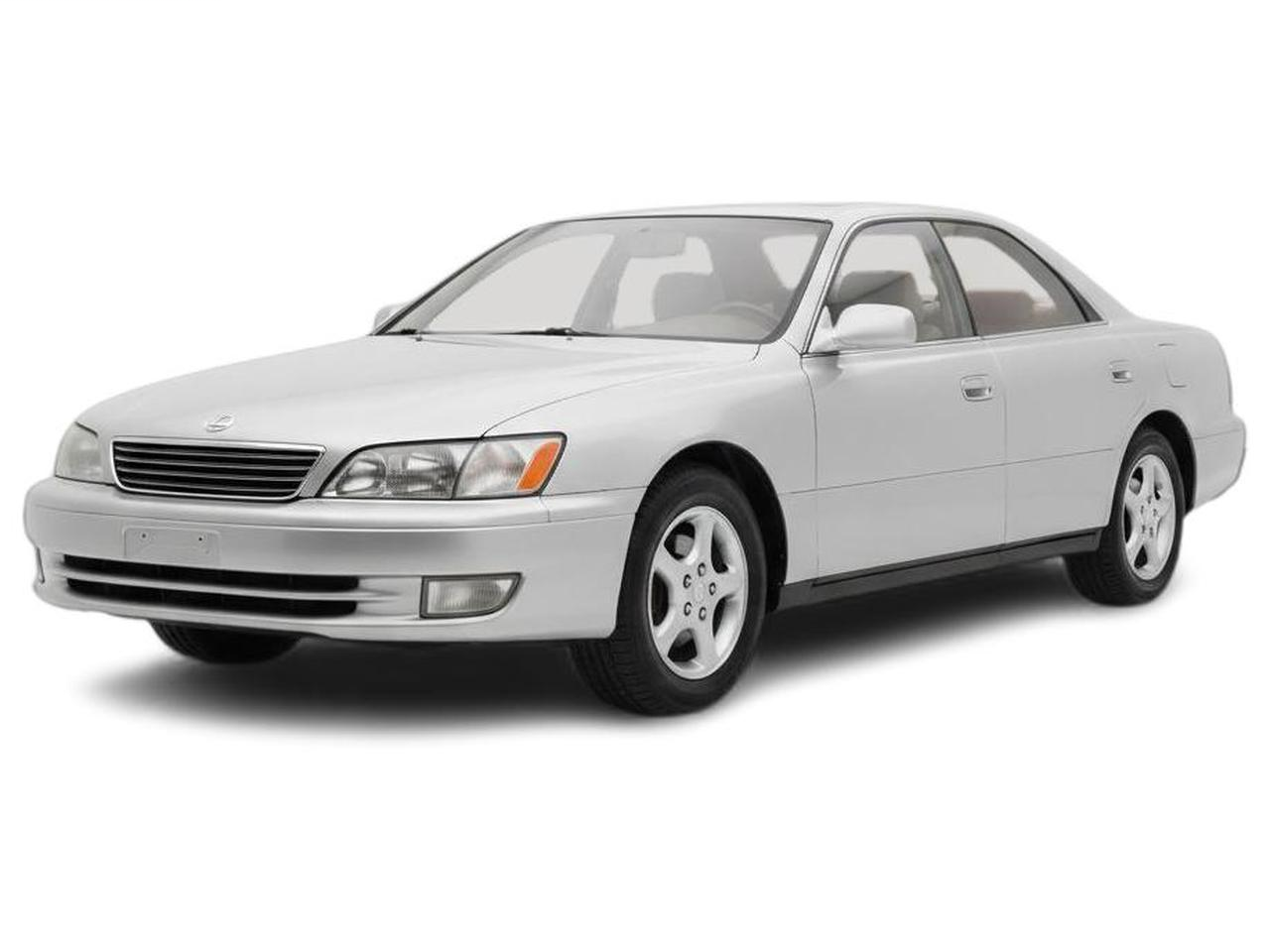
The 1995 Lexus ES, specifically the ES 300, represented the second generation of Lexus's entry-level luxury sedan, produced from 1991-1996. This model year falls within the popular second generation (1991-1996). It was offered in a single, well-equipped trim level. Its popularity stemmed from its blend of Toyota's renowned reliability with upscale amenities and a refined driving experience, offering a compelling value proposition in the luxury sedan market.
The Good
The 1995 Lexus ES excels in smooth performance from its V6 engine, legendary Toyota reliability, and a remarkably comfortable, quiet cabin. Its elegant design appeals to those seeking sophistication, while its fuel efficiency and strong value proposition attract practical buyers.
The Bad
Common concerns for the 1995 Lexus ES include potential transmission issues, aging suspension components that can lead to a rough ride, and the occasional electrical gremlin. Regular maintenance is crucial to mitigate these potential drawbacks.
1995 Lexus ES: Quick Overview
- Engine Options: The 1995 Lexus ES 300 exclusively featured a 3.0-liter V6 engine.
- Horsepower: This V6 engine produced approximately 188 horsepower.
- Torque: It generated around 203 lb-ft of torque.
- Transmission: A 4-speed automatic transmission was standard.
- Fuel Economy: Estimated fuel economy for the 1995 ES 300 was around 18 MPG city and 24 MPG highway.
- 0-60 Times: Acceleration from 0 to 60 mph was typically in the mid-to-high 8-second range, providing brisk yet smooth acceleration.
- Towing Capacity: The 1995 Lexus ES 300 was not designed for towing and does not have an official towing capacity.
- Body Style: 4-door Sedan.
- Trim Level Features (ES 300): As a single trim, the ES 300 came exceptionally well-equipped for its time. Key features included:
- Leather upholstery
- Power-adjustable front seats with driver's memory settings
- Automatic climate control
- Power moonroof
- Premium sound system with cassette player
- Anti-lock Braking System (ABS)
- Driver and passenger front airbags
- Cruise control
- Power windows, locks, and mirrors
- Alloy wheels
- Remote keyless entry
- Tilt and telescoping steering wheel
1995 Lexus ES Specifications
Vehicle Information
| Year | 1995 |
| Make | Lexus |
| Model | ES |
| Trim | - |
| Style | 300 Sedan FWD 4AT 3.0L V6 |
| Type | Sedan |
| Category | passenger |
Manufacturing Details
| Made In | Japan |
| Manufacturing City | TOYOTA CITY |
Dimensions
| Doors | 4-Door |
| Curb Weight | 3350 pounds |
| Gross Vehicle Weight Rating | - |
| Overall Height | 55.5 inches |
| Overall Length | 192.5 inches |
| Overall Width | 70.5 inches |
| Wheelbase Length | 107.1 inches |
| Standard Seating | 5 |
Engine & Performance
| Engine | 3L V6 |
| Engine Size | 3L |
| Engine Cylinders | 6 |
| Transmission | 4-Speed Automatic |
| Transmission Type | Automatic |
| Transmission Speeds | 4-Speed |
| Drivetrain | Front-Wheel Drive |
Additional Features
| Anti-Brake System | 4-Wheel ABS |
| Steering Type | Rack & Pinion |
Pricing
| Manufacturer Suggested Retail Price (MSRP) | $29,900 |
| Invoice Price | $27,500 |
| Delivery Charges | $650 |
Vehicle History Report
Vehicle
Specifications
Specifications
Ownership
History
History
All History
Events
Events
NMVTIS Title
History Check
History Check
Salvage/Rebuilt
Check
Check
Accident
Check
Check
Theft
Check
Check
Open Lien
Check
Check
Past Sale
Listings
Listings
Safety
Recalls
Recalls
Odometer
Check
Check
Market Price
Analysis
Analysis
What Problems Does the 1995 Lexus ES Have?
The 1995 Lexus ES 300, while generally very reliable due to its Toyota underpinnings, does have a few commonly reported issues that owners should be aware of. One of the most frequent concerns revolves around the transmission. Some models have experienced premature failure or shifting problems, often manifesting as slipping gears or a failure to engage properly. While not exclusive to the 1995 model, it's a significant consideration for used buyers. Another area to watch is the suspension. Over time, components like ball joints, control arm bushings, and struts can wear out, leading to a less comfortable ride, clunking noises, and potential alignment issues. The cooling system is also an area where age can take its toll, with radiators, hoses, and water pumps potentially developing leaks or failing. Electrical gremlins, though less common than mechanical issues, can also crop up, affecting things like power windows, door locks, or the infotainment system. Dashboard cracks, particularly on the passenger side, were a known cosmetic issue across many Lexus models of this era due to sun exposure. Specific recalls for the 1995 model year are relatively limited, but it's always advisable to check the NHTSA website for any outstanding safety campaigns. Long-term reliability is a strong suit for the ES 300, provided it has been meticulously maintained. Many owners report well over 200,000 miles with proper care. However, neglect can accelerate the wear on critical components, turning a potentially great used car into a money pit. Focusing on well-documented maintenance history is paramount when considering a 1995 ES 300.
How long will the 1995 Lexus ES last?
With diligent maintenance, the 1995 Lexus ES 300 is renowned for its exceptional long-term durability. It's not uncommon for these vehicles to surpass 200,000 miles, with many owners reporting well over 300,000 miles. The core powertrain (engine and transmission) is exceptionally robust, often lasting for hundreds of thousands of miles if oil changes are performed regularly and the transmission fluid is serviced. The chassis and body are also well-built and resist rust effectively in many climates, though this can be a concern in areas with harsh winters and road salt. Weaknesses that emerge over time are typically related to aging wear-and-tear items, such as suspension components, radiator, and various seals and hoses. However, these are generally predictable maintenance items rather than fundamental design flaws. With consistent care, this Lexus can serve faithfully for many years and hundreds of thousands of miles.
What Technology & Safety Features are Included?
The 1995 Lexus ES 300 offered a commendable suite of technology, entertainment, and safety features for its era, aiming to provide a premium experience. Standard technology included an automatic climate control system, which was a significant convenience feature at the time, allowing for precise temperature management. The entertainment system typically consisted of a premium sound system, often featuring a cassette player and AM/FM radio, with multiple speakers designed to deliver a rich audio experience. While modern infotainment systems are absent, the focus was on quality sound and user simplicity. In terms of driver-assistance features, the 1995 ES 300 came standard with an Anti-lock Braking System (ABS), which significantly improved braking control and stability, especially in emergency situations or on slippery surfaces. Cruise control was also a standard convenience. Safety was a priority, with standard driver and front passenger airbags. The car was built with a strong unibody construction, typical of luxury sedans of the period, designed to absorb impact energy. Optional features at the time might have included a power moonroof, which was a popular addition for enhancing the cabin's airy feel. While specific, independently published crash-test ratings from organizations like the IIHS or NHTSA for the 1995 model year are less readily available in detail compared to modern vehicles, Lexus vehicles of this era were generally well-regarded for their safety construction. The ES 300 was designed to meet and exceed the safety standards of its time, emphasizing occupant protection through its structural integrity and airbag systems.
What Colors Options are Available?
1995 Lexus ES Prices and Market Value
When new, the 1995 Lexus ES 300 carried a price tag typically in the range of $32,000 to $36,000, placing it firmly in the premium sedan segment. As with most vehicles, the ES 300 experienced significant depreciation in its initial years. However, its depreciation curve has flattened considerably in recent years, thanks to its reputation for reliability. Today, used prices for a 1995 Lexus ES 300 can vary widely, often ranging from $2,000 to $7,000 for models in good to excellent condition, depending heavily on mileage, maintenance history, and overall cosmetic and mechanical state. Factors significantly affecting resale value include meticulously documented maintenance records, low mileage for its age, original paint and interior condition, and the absence of major mechanical issues. A well-maintained example can still command a premium over neglected counterparts.
1995 Lexus ES Cost of Ownership
The 1995 Lexus ES 300 is generally considered economical to own, especially when compared to many contemporary luxury vehicles. Insurance costs are typically moderate, reflecting its strong safety record and lower theft rates compared to some rivals. Fuel costs are reasonable for its class, with its V6 engine offering decent MPG. Maintenance costs are also generally affordable, with many common parts readily available and labor rates often lower than for German luxury brands. While major repairs can be costly, its inherent reliability means they are less frequent. Overall, the ES 300 offers a low-cost entry into luxury ownership, provided it has been maintained.
1995 Lexus ES Fuel Efficiency
Fuel Type
Gasoline
Fuel Capacity
18.5 gallons
City Mileage
18 miles/gallon
Highway Mileage
26 miles/gallon
1995 Lexus ES Warranty
Basic
Original warranty
0 months / No data
Estimated remaining
Expired
Powertrain
Original warranty
0 months / No data
Estimated remaining
Expired
Rust
Original warranty
0 months / No data
Estimated remaining
Expired
1995 Lexus ES Insurance
Insurance for a 1995 Lexus ES is moderately priced, reflecting its status as a Sedan with strong safety ratings and
reasonable repair costs.
How Does the 1995 Lexus ES Compare to Other Sedan?
The 1995 Lexus ES 300 competed in a strong segment of mid-size luxury sedans. Its primary rivals included the Acura TL, Infiniti J30, and various offerings from German manufacturers like the BMW 3 Series and Mercedes-Benz C-Class.
In terms of performance, the ES 300's 188-horsepower V6 offered smooth and adequate acceleration, though it was generally less sporty than its German counterparts like the BMW 325i. The Acura TL and Infiniti J30 offered similar V6 powerplants.
Regarding features, the ES 300 was exceptionally well-equipped for its price point, often exceeding the standard features of similarly priced German cars. Leather, automatic climate control, and power memory seats were common, providing a luxurious experience. The Acura TL was also known for its generous feature list, while the Infiniti J30 offered a more driver-focused, yet still luxurious, interior.
Reliability is where the 1995 Lexus ES 300 truly shines. It consistently outperformed its German rivals and often matched or surpassed its Japanese competitors in long-term dependability. Toyota's engineering and build quality meant fewer unexpected repairs. The Acura TL also boasts excellent reliability. The Infiniti J30, while good, sometimes faced more transmission issues than the Lexus. German rivals often demanded more frequent and costly maintenance.
In terms of price, the ES 300 offered a superior value proposition. While a new BMW or Mercedes could easily surpass $40,000, the ES 300 provided a comparable luxury feel and superior reliability at a lower initial cost.
Alternatives:
* Similar: The Acura TL (especially later models of this generation) offers a comparable blend of reliability, features, and luxury. The Infiniti J30 is another option if a slightly sportier feel is desired, though its reliability can be more variable.
* Better (for sportiness): If outright driving dynamics and sportiness are paramount, a used BMW 3 Series (E36 generation) might be considered, but at the cost of potentially higher maintenance and lower reliability.
* Economical Luxury: For those prioritizing ultimate value and reliability over prestige, a well-maintained Toyota Avalon from the same era shares many mechanical components and offers a very comfortable ride at a lower price point.
In terms of performance, the ES 300's 188-horsepower V6 offered smooth and adequate acceleration, though it was generally less sporty than its German counterparts like the BMW 325i. The Acura TL and Infiniti J30 offered similar V6 powerplants.
Regarding features, the ES 300 was exceptionally well-equipped for its price point, often exceeding the standard features of similarly priced German cars. Leather, automatic climate control, and power memory seats were common, providing a luxurious experience. The Acura TL was also known for its generous feature list, while the Infiniti J30 offered a more driver-focused, yet still luxurious, interior.
Reliability is where the 1995 Lexus ES 300 truly shines. It consistently outperformed its German rivals and often matched or surpassed its Japanese competitors in long-term dependability. Toyota's engineering and build quality meant fewer unexpected repairs. The Acura TL also boasts excellent reliability. The Infiniti J30, while good, sometimes faced more transmission issues than the Lexus. German rivals often demanded more frequent and costly maintenance.
In terms of price, the ES 300 offered a superior value proposition. While a new BMW or Mercedes could easily surpass $40,000, the ES 300 provided a comparable luxury feel and superior reliability at a lower initial cost.
Alternatives:
* Similar: The Acura TL (especially later models of this generation) offers a comparable blend of reliability, features, and luxury. The Infiniti J30 is another option if a slightly sportier feel is desired, though its reliability can be more variable.
* Better (for sportiness): If outright driving dynamics and sportiness are paramount, a used BMW 3 Series (E36 generation) might be considered, but at the cost of potentially higher maintenance and lower reliability.
* Economical Luxury: For those prioritizing ultimate value and reliability over prestige, a well-maintained Toyota Avalon from the same era shares many mechanical components and offers a very comfortable ride at a lower price point.
Final Verdict: Is the 1995 Lexus ES a Good Sedan?
The 1995 Lexus ES 300 is an ideal choice for budget-conscious buyers seeking a reliable, comfortable, and surprisingly luxurious sedan without the high cost of entry associated with modern luxury vehicles. It's perfect for commuters who value a quiet ride and good fuel economy for its class, or for those who appreciate the peace of mind that comes with legendary Toyota reliability.
It is absolutely worth buying as a used vehicle, especially if you prioritize longevity and affordability over cutting-edge technology or sport-tuned handling.
The best conditions for purchase are:
* Used: Always buy used. Finding a new one is impossible.
* Maintenance History: Prioritize vehicles with a comprehensive and well-documented maintenance history.
* Inspection: Have a pre-purchase inspection performed by a trusted mechanic, paying close attention to the transmission and suspension.
While there's only one main trim (ES 300), focusing on condition and maintenance is far more important than specific optional features.
It is absolutely worth buying as a used vehicle, especially if you prioritize longevity and affordability over cutting-edge technology or sport-tuned handling.
The best conditions for purchase are:
* Used: Always buy used. Finding a new one is impossible.
* Maintenance History: Prioritize vehicles with a comprehensive and well-documented maintenance history.
* Inspection: Have a pre-purchase inspection performed by a trusted mechanic, paying close attention to the transmission and suspension.
While there's only one main trim (ES 300), focusing on condition and maintenance is far more important than specific optional features.