
by VIN, Year, Make, Model by License Plate

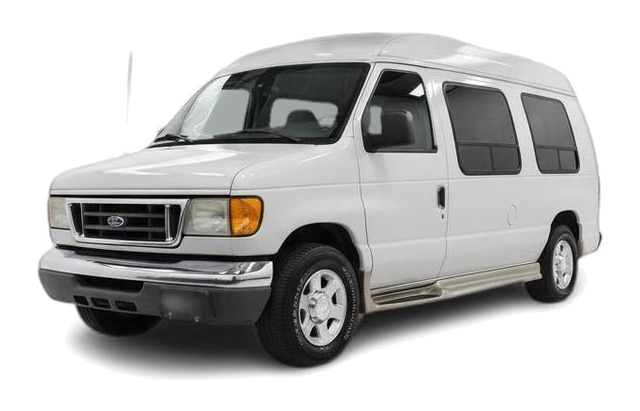
2004 Ford E-150 Overview, Reviews, Ratings & Specs

Rating: 0.00
Based on 0 Owner Reviews
Simon A | January 10, 2026
The 2004 Ford E-150 is part of Ford's long-standing E-Series van lineup, a staple in commercial and personal transportation for decades. Available as a full-size van, it came in various configurations, including passenger and cargo versions. Key trims often included the XL and XLT. While new pricing varied, it represented a robust and versatile option for its time, prized for its adaptability and sturdy construction.
The Good

The 2004 E-150 offers rugged durability and a commanding presence, appealing to those seeking dependable workhorses or spacious family haulers. Its robust V8 engines provide ample power, while the utilitarian design prioritizes function and immense interior volume, delivering excellent value for its versatility and long-term service potential.

The Bad

Potential buyers should be aware of common issues like rust on the body panels, particularly around wheel wells and rocker panels. Transmission problems, along with wear and tear on suspension components and exhaust systems, are also points to watch out for on higher-mileage examples.

2004 Ford E-150: Quick Overview

  • Engine Options: The 2004 Ford E-150 was typically equipped with a choice of robust V8 engines. The standard engine was a 4.6-liter Triton V8. An optional and more powerful 5.4-liter Triton V8 was also available, offering increased torque and capability.

  • Horsepower: The 4.6-liter V8 generally produced around 215-232 horsepower, while the 5.4-liter V8 offered approximately 232-254 horsepower, depending on the specific configuration and year.

  • Fuel Economy: Fuel economy for the 2004 E-150 was not its strong suit, typical of large vans of its era. Expect mileage in the range of 11-14 MPG in the city and 15-18 MPG on the highway, varying with engine choice and driving conditions.

  • 0-60 Times: Specific 0-60 mph times were not a primary focus for this vehicle, but general estimates place it in the 9-11 second range for models equipped with the 5.4-liter V8, reflecting its emphasis on utility over acceleration.

  • Towing Capacity: The E-150 offered respectable towing capabilities. Depending on the configuration, axle ratio, and engine, towing capacities could range from approximately 7,000 lbs to over 10,000 lbs, making it suitable for hauling trailers or equipment.

  • Trim-Level Features:
    • XL Trim: The base XL trim typically featured essential equipment such as vinyl flooring, manual windows and locks, a basic AM/FM radio, and durable cloth or vinyl seating. It was geared towards maximum utility and work-oriented applications.
    • XLT Trim: The XLT trim added a layer of comfort and convenience. This often included power windows and door locks, air conditioning, cruise control, upgraded interior trim, and sometimes power mirrors. Passenger versions in XLT guise would have more comfortable seating and amenities.
    • Optional Features: Depending on the specific package and configuration, optional features could include a rear climate control system, upgraded audio systems, privacy glass for passenger versions, roof racks, and various towing packages.

2004 Ford E-150 Specifications

Vehicle Information
Year 2004
Make Ford
Model E-150
Trim -
Style Cargo Van
Type Van
Category Cargo Van
Manufacturing Details
Made In United States
Manufacturing City LORAIN
Dimensions
Doors 3-Door
Curb Weight 4690 pounds
Gross Vehicle Weight Rating 6700 pounds
Overall Height 80.90 inches
Overall Length 211.90 inches
Overall Width 79.30 inches
Wheelbase Length 138.00 inches
Standard Seating 2
Engine & Performance
Engine 4.6L V8
Engine Size 4.6L
Engine Cylinders 8
Transmission 4-Speed Automatic
Transmission Type Automatic
Transmission Speeds 4-Speed
Drivetrain Rear-Wheel Drive
Additional Features
Anti-Brake System 4-Wheel ABS
Steering Type Recirculating
Pricing
Manufacturer Suggested Retail Price (MSRP) $22,595
Invoice Price $19,822
Delivery Charges $735

Vehicle History Report

Vehicle
Specifications
Ownership
History
All History
Events
NMVTIS Title
History Check
Salvage/Rebuilt
Check
Accident
Check
Theft
Check
Open Lien
Check
Past Sale
Listings
Safety
Recalls
Odometer
Check
Market Price
Analysis

What Problems Does the 2004 Ford E-150 Have?

The 2004 Ford E-150, like many vehicles of its age and type, has a set of commonly reported issues that owners should be aware of. One of the most prevalent concerns revolves around the transmission, particularly with higher mileage vehicles. Owners have reported instances of rough shifting, slipping gears, and complete transmission failure. Regular fluid changes and maintenance are crucial to prolonging its life. Another significant concern is the potential for rust and corrosion, especially in areas with harsh winters and road salt. Areas like the rocker panels, wheel arches, and frame rails are particularly susceptible. Inspecting these areas thoroughly is vital before purchasing a used E-150. Some owners have also noted issues with the exhaust system, including manifold leaks and catalytic converter failures. These can lead to reduced engine performance and increased emissions. Electrical gremlins, while not overwhelmingly common, can sometimes manifest as issues with power windows, door locks, or dashboard warning lights. The cooling system, including radiators and water pumps, can also be a source of problems over time, leading to overheating if not properly maintained. Spark plug blowouts, particularly on early models of the 5.4L Triton V8 engine, were a known issue for Ford vehicles of this era, though by 2004, Ford had implemented some design revisions. Recalls for the 2004 E-150 might pertain to specific safety components, and it is always advisable to check the National Highway Traffic Safety Administration (NHTSA) database for any outstanding recalls associated with a particular vehicle identification number (VIN). Long-term reliability is generally considered decent if the vehicle has been well-maintained, but the potential for expensive repairs on older components, especially the transmission and powertrain, should be factored in.

How long will the 2004 Ford E-150 last?

The 2004 Ford E-150 is renowned for its potential for long-term durability, with many examples exceeding 200,000 miles and some even reaching 300,000 miles or more with diligent care. Owner data and maintenance habits are the primary drivers of its longevity. A well-maintained E-150, with regular oil changes, transmission fluid flushes, and timely repairs, can offer many years of reliable service. Key weaknesses that emerge over time include potential transmission wear, aging suspension components, and the ubiquitous issue of rust, particularly in corrosive climates. However, its robust chassis and straightforward mechanicals contribute to its ability to withstand significant mileage when properly supported.

What Technology & Safety Features are Included?

The 2004 Ford E-150 prioritizes functionality and practicality over cutting-edge technology. Built-in tech and entertainment features were relatively basic for the era. Standard equipment typically included an AM/FM stereo radio, often with an optional CD player. For those seeking a more refined experience, especially in XLT trims or optional packages, upgraded audio systems with more speakers could be found. However, features like touchscreens, navigation, or Bluetooth connectivity were not standard and were rare, if available at all, as dealer-installed options. Driver-assistance features were virtually nonexistent in the 2004 E-150. Modern amenities like rearview cameras, parking sensors, lane departure warnings, or adaptive cruise control were not part of its design. The focus was on the core driving experience and the utility of the vehicle. Safety features were primarily focused on passive restraints. Standard safety equipment included front airbags for the driver and front passenger. Anti-lock braking system (ABS) was also a common standard or optional feature on the E-150, enhancing braking control, especially during emergency stops. Seatbelt pre-tensioners were also included to improve occupant safety during a collision. Regarding crash-test ratings, comprehensive ratings for vans of this vintage from agencies like the IIHS or NHTSA are not as readily available or as detailed as for modern passenger cars and SUVs. However, the E-150's construction, being a body-on-frame vehicle, offered a sturdy platform. Its size and weight would generally provide some inherent protection in collisions with smaller vehicles. It's important to note that without advanced structural engineering and modern safety systems, crash performance would not align with current industry standards.

What Colors Options are Available?

We’re working on this section!
In the meantime, feel free to explore the other sections for more content.

2004 Ford E-150 Prices and Market Value

When new, the 2004 Ford E-150's price varied significantly based on body style (cargo vs. passenger), trim level (XL, XLT), and optional equipment, but typically ranged from around $20,000 to $30,000. As a used vehicle, the 2004 E-150's current market price is generally quite affordable, often falling between $3,000 and $8,000, heavily influenced by mileage, condition, and maintenance history. These vans have experienced significant depreciation, as is common for commercial-oriented vehicles. Factors affecting resale value include the extent of rust, the condition of the engine and transmission, the presence of commercial modifications, and whether it was a passenger or cargo model. Well-maintained, low-mileage passenger versions tend to hold their value slightly better than heavily used cargo vans.

2004 Ford E-150 Cost of Ownership

Owning a 2004 Ford E-150 involves moderate to high long-term costs. Insurance premiums are generally reasonable, especially for cargo versions, but can increase for passenger configurations with more amenities. Fuel costs are a significant factor due to its V8 engines and less-than-stellar fuel economy, likely averaging $150-$250+ per month depending on usage. Routine maintenance, like oil changes and tire rotations, is standard. However, repairs for issues like transmission problems, exhaust system work, or potential rust remediation can be costly, as parts and labor for larger vehicles add up. Overall, while the initial purchase price is low, ongoing fuel and potential repair costs mean it's not the most economical vehicle to own long-term.

2004 Ford E-150 Fuel Efficiency

Fuel Type Gasoline
Fuel Capacity 35.00 gallons
City Mileage 14 miles/gallon
Highway Mileage 16 miles/gallon

2004 Ford E-150 Safety Rating

NHTSA
Side Driver Rating
Frontal Passenger Rating
Rollover Rating
Side Rear Passenger Rating
Frontal Driver Rating
IIHS
Rear Crash Protection/Head Restraint Ratings Not Tested
Moderate Overlap Front Test Results Not Tested
Side Impact Test Results Not Tested

2004 Ford E-150 Warranty

Basic
Original warranty 36 months / 36,000 miles
Estimated remaining Expired
Powertrain
Original warranty 36 months / 36,000 miles
Estimated remaining Expired
Rust
Original warranty 60 months / unlimited miles
Estimated remaining Expired

2004 Ford E-150 Insurance

Insurance for a 2004 Ford E-150 is moderately priced, reflecting its status as a Van with strong safety ratings and
reasonable repair costs.

How Does the 2004 Ford E-150 Compare to Other Van?

The 2004 Ford E-150 competed directly with vehicles like the Chevrolet Express/GMC Savana twins and the older Dodge Ram Van. In terms of performance, the E-150's V8 engines offered comparable or slightly better power and torque than its competitors, especially the optional 5.4L Triton. Its handling was typical for a full-size van: utilitarian and focused on stability rather than agility. Features in the 2004 E-150 were generally basic, with both the E-150 and its rivals offering similar levels of standard amenities, often with more advanced features reserved for higher trims or optional packages. Reliability is where the E-150 holds its own, but it's a mixed bag. While known for robust powertrains that can last, common issues like transmission wear and rust were also present across the segment. The Chevrolet Express/GMC Savana twins were also known for their durability, but could also suffer from transmission issues and, like all vehicles of this age, rust. The Dodge Ram Van, being an older design, generally lagged in features and sometimes perceived reliability compared to the Ford and GM offerings. Price-wise, the 2004 E-150 offered a competitive value proposition when new, and currently, its used market prices are also quite similar to its direct competitors, making it an accessible option.

Alternatives:

* Similar: The Chevrolet Express/GMC Savana (2003-2007 models) are very similar in their purpose, capability, and general reliability. They offer comparable V8 engine options and spacious interiors. If a slightly different brand preference exists, these are excellent alternatives.

* Potentially Better (for specific needs): If a more modern, fuel-efficient, or feature-rich option is desired, and budget allows, one might consider later model year vans. However, within its direct peer group from the mid-2000s, the E-150 is a strong contender, particularly for those who value Ford's V8 engine reputation. For those prioritizing outright cargo volume and potentially simpler mechanics, a slightly older but well-maintained cargo van might suffice, but the E-150 often offers a better blend of utility and drivability.

Final Verdict: Is the 2004 Ford E-150 a Good Van?

The 2004 Ford E-150 is ideally suited for tradespeople, small business owners needing a reliable cargo van, or families requiring substantial passenger-carrying capacity for road trips and hauling gear. It's a workhorse that prioritizes utility and durability over luxury or advanced tech.

Whether it's worth buying depends heavily on its condition and price. As a used vehicle, it represents a significant value for its capability. Buying it is most advisable in specific conditions: meticulously inspected for rust and transmission health, with documented maintenance history. Passenger trims, especially XLT, offer more comfort for families. A well-preserved, lower-mileage example can be a cost-effective and dependable choice for its intended purpose, but buyers must be prepared for the realities of maintaining an older vehicle and its associated fuel consumption.

2004 Ford E-150 Owner Reviews

0.00
Consumer Rating, Based on 0 Consumer Reviews
Overall rating
Cancel
Thank You for Your Review!

We truly appreciate the time and effort you took to share your experience with us.

Uh oh!

Something went wrong, please try again later.

Author Image
Simon A

Simon is a contributor to VinCheck, where he provides articles and reviews on various automotive topics. His work focuses on delivering accurate and up-to-date information about used cars, helping readers make informed decisions.