
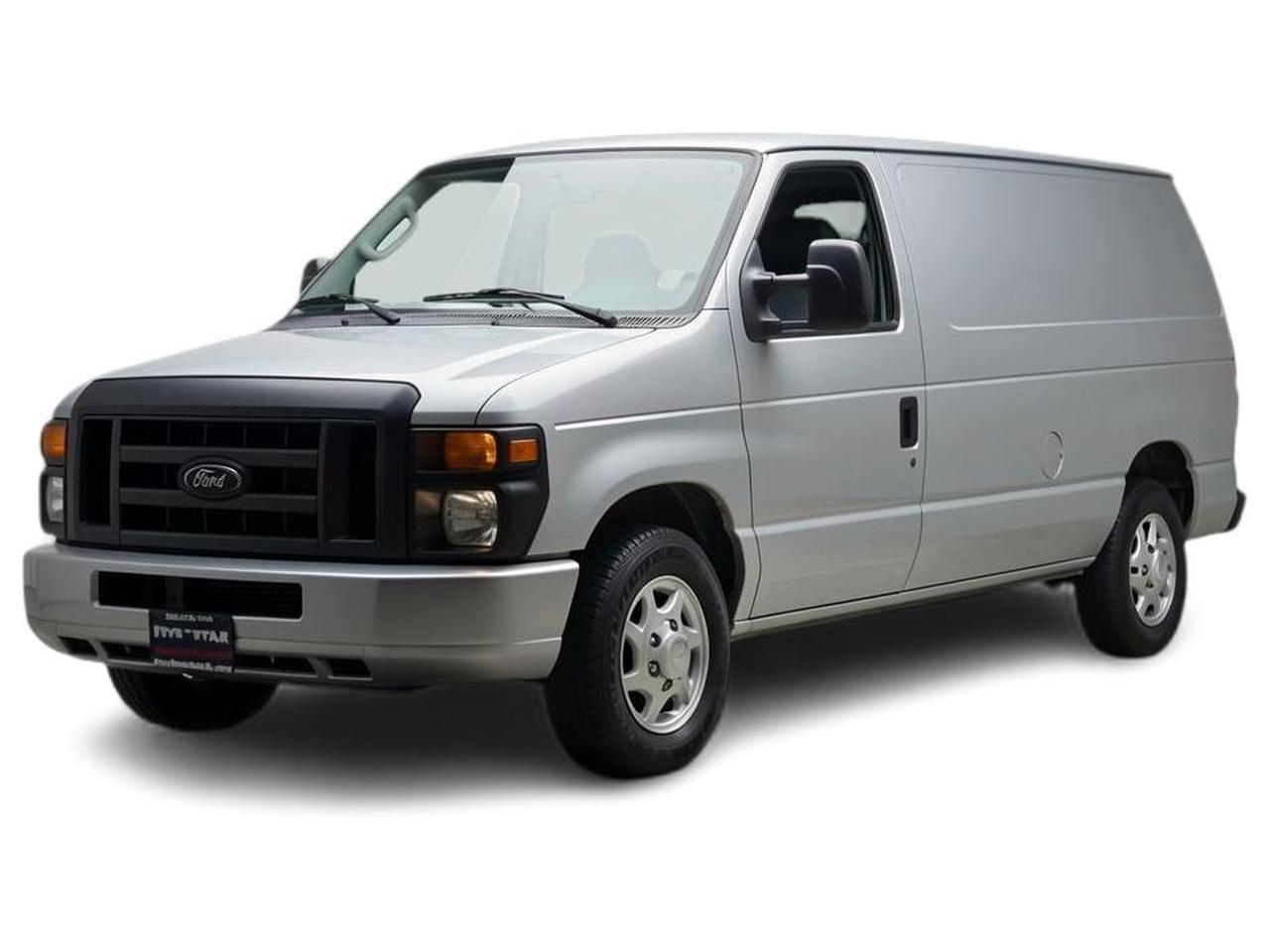
The Good
The 2008 Ford E-150 boasts impressive towing and hauling power, coupled with renowned Ford truck reliability. Its spacious cabin offers surprising comfort for its class, and its utilitarian design prioritizes function. This van offers exceptional value as a workhorse or a customizable passenger hauler, appealing to both the practical need for capability and the emotional desire for a dependable, go-anywhere vehicle.
The Bad
Common concerns for the 2008 Ford E-150 include potential transmission issues, particularly with higher mileage, and brake wear. Fuel economy is generally poor, and some owners report electrical gremlins and interior rattles. Suspension components can also require attention over time due to the van's heavy-duty nature.
2008 Ford E-150: Quick Overview
- Engine Options: The 2008 Ford E-150 was primarily offered with two V8 engine options:
- 4.6L Triton V8
- 5.4L Triton V8
- Horsepower:
- 4.6L Triton V8: Approximately 215-232 horsepower
- 5.4L Triton V8: Approximately 255-260 horsepower
- Fuel Economy:
- City: Roughly 10-13 MPG
- Highway: Roughly 14-17 MPG
- (Note: Actual fuel economy varies significantly based on engine, rear-axle ratio, driving conditions, and load.)
- 0-60 Times:
- Estimated around 9.5-11 seconds, depending heavily on engine, configuration, and load.
- Towing Capacity:
- The E-150 offered substantial towing capabilities, with ratings typically ranging from 7,000 to 9,800 pounds, depending on configuration (wheelbase, axle ratio, engine).
- Maximum payload capacity was also significant, often exceeding 3,000 pounds.
- Trim-Level Features:
- XL Trim: This is the base model, typically featuring vinyl flooring, durable interior materials, manual windows and locks, and basic amenities. It's geared towards commercial use, emphasizing functionality and ease of cleaning.
- XLT Trim: This trim offers more creature comforts and convenience features. It usually includes upgraded cloth seating, power windows and door locks, cruise control, an improved audio system, and sometimes carpeting. This trim is often chosen for passenger van conversions or those seeking a more comfortable experience.
- Optional Features: Available options across trims could include rear climate control, upgraded infotainment systems, running boards, trailer tow packages, limited-slip differentials, and various seating configurations for passenger versions.
- XL Trim: This is the base model, typically featuring vinyl flooring, durable interior materials, manual windows and locks, and basic amenities. It's geared towards commercial use, emphasizing functionality and ease of cleaning.
2008 Ford E-150 Specifications
Vehicle Information
| Year | 2008 |
| Make | Ford |
| Model | E-150 |
| Trim | - |
| Style | - |
| Type | Van |
| Category | Cargo Van |
Manufacturing Details
| Made In | United States |
| Manufacturing City | AVON LAKE |
Dimensions
| Doors | 3-Door |
| Curb Weight | 4690 pounds |
| Gross Vehicle Weight Rating | 8600 pounds |
| Overall Height | 83.40 inches |
| Overall Length | 237.00 inches |
| Overall Width | 79.30 inches |
| Wheelbase Length | 138.00 inches |
| Standard Seating | 2 |
Engine & Performance
| Engine | 4.6L V8 |
| Engine Size | 4.6L |
| Engine Cylinders | 8 |
| Transmission | 4-Speed Automatic |
| Transmission Type | Automatic |
| Transmission Speeds | 4-Speed |
| Drivetrain | Rear-Wheel Drive |
Additional Features
| Anti-Brake System | 4-Wheel ABS |
| Steering Type | Recirculating |
Pricing
| Manufacturer Suggested Retail Price (MSRP) | $24,940 |
| Invoice Price | $22,253 |
| Delivery Charges | $920 |
Vehicle History Report
Specifications
History
Events
History Check
Check
Check
Check
Check
Listings
Recalls
Check
Analysis
What Problems Does the 2008 Ford E-150 Have?
Another area of concern is the front suspension and steering components. Due to the heavy-duty nature of the van and the loads it often carries, components like ball joints, tie rod ends, and wheel bearings can wear out prematurely. Symptoms include clunking noises, steering looseness, and uneven tire wear.
Brake wear is also frequently mentioned, which is not entirely surprising for a vehicle designed to carry significant weight. Owners often report needing to replace brake pads and rotors more frequently than on lighter vehicles.
Powertrain issues can also arise. While the Triton V8 engines are generally durable, they can be prone to issues like intake manifold leaks or spark plug blowouts (especially on earlier versions of the 5.4L engine, though less common by 2008).
Electrical gremlins, though not as prevalent as mechanical issues, do pop up. These can range from minor issues like faulty window regulators or door lock actuators to more significant problems with sensors or the instrument cluster.
Recalls for the 2008 E-150 are not extensive but can occur. Owners should always check the NHTSA website or contact Ford with their VIN to ensure all applicable recalls have been addressed. Common recall areas for E-Series vans in general can include issues with airbags, fuel systems, or brake components. For the 2008 model year specifically, there were recalls related to potential issues with the power steering hose and possibly airbag inflators, depending on the build date.
Long-term reliability is generally considered good for the E-150, especially when properly maintained. The underlying chassis and powertrain are proven designs. However, the frequency of repairs can increase with age and mileage, particularly concerning the transmission and suspension components. Regular fluid changes, diligent maintenance, and addressing issues promptly are crucial for maximizing the lifespan and minimizing unexpected problems with these vans.
How long will the 2008 Ford E-150 last?
What Technology & Safety Features are Included?
Built-in Tech & Entertainment: Standard entertainment typically consisted of an AM/FM stereo with a CD player, offering basic audio playback. Higher trims, like the XLT, might have offered an upgraded sound system with more speakers. Auxiliary audio input jacks were becoming more common around this time, but integrated Bluetooth connectivity or complex infotainment screens were not standard features. Options could include satellite radio readiness.
Driver-Assistance Features: Driver-assistance features in the 2008 E-150 were quite minimal by modern standards. Rear parking sensors were an available option on some configurations, aiding in backing up the large van. Cruise control was a common feature, especially on the XLT trim, to help reduce driver fatigue on longer journeys. Advanced features like lane departure warnings, adaptive cruise control, or automatic emergency braking were not available.
Safety Features: Standard safety equipment included front airbags for the driver and front passenger. Anti-lock Braking System (ABS) was also standard, crucial for maintaining steering control during emergency stops, especially when carrying heavy loads. Optional safety features could include side-curtain airbags for enhanced protection in side-impact collisions, though these were less common than on passenger-focused vehicles. Traction control might have been available on certain configurations.
Crash-Test Ratings: Specific crash-test ratings for the 2008 Ford E-150 can be difficult to find as the National Highway Traffic Safety Administration (NHTSA) and the Insurance Institute for Highway Safety (IIHS) often focused their more rigorous testing on passenger cars and SUVs. However, E-Series vans of this generation generally received mixed to fair ratings in frontal and side impact tests where data is available. Given its body-on-frame construction and size, it offered a degree of passive safety, but the lack of advanced crumple zones and modern safety structures meant that impact energy management was not as sophisticated as in contemporary vehicles. Owners should prioritize proper maintenance of safety systems like ABS and airbags. The primary safety advantage often cited is the vehicle's substantial mass, which can offer protection in certain collision scenarios.
What Colors Options are Available?
2008 Ford E-150 Prices and Market Value
2008 Ford E-150 Cost of Ownership
2008 Ford E-150 Fuel Efficiency
2008 Ford E-150 Safety Rating
NHTSA
IIHS
2008 Ford E-150 Recalls & Defects
Equipment Adaptive/Mobility
Equipment Adaptive/Mobility
Equipment Adaptive/Mobility
Equipment Adaptive/Mobility
Equipment Adaptive/Mobility
Equipment Adaptive/Mobility
Fuel System, Gasoline:storage:tank Assembly
Equipment
Equipment Adaptive/Mobility
Equipment Adaptive/Mobility
Equipment Adaptive/Mobility
Equipment Adaptive/Mobility
Equipment Adaptive/Mobility
Equipment Adaptive/Mobility
Equipment Adaptive/Mobility
Equipment Adaptive/Mobility
Equipment Adaptive/Mobility
Equipment Adaptive/Mobility
2008 Ford E-150 Warranty
Basic
Powertrain
Rust
2008 Ford E-150 Insurance
reasonable repair costs.
How Does the 2008 Ford E-150 Compare to Other Van?
Performance: The E-150, with its standard V8 engines, generally offered robust towing and hauling capabilities, often on par with or slightly exceeding the Chevrolet Express 1500, especially when equipped with the larger 5.4L engine. Both offered strong V8 power but lagged significantly in fuel efficiency compared to modern vans. The Ram Van, by 2008, was an older design and less competitive in terms of modern performance metrics.
Features: In terms of features, the 2008 E-150 provided a functional, no-frills interior, particularly in the XL trim, which was typical for its class. The XLT offered more creature comforts. Compared to the Express, feature availability was broadly similar, with both focusing on practicality. Neither was a leader in advanced technology or driver aids during this model year.
Reliability: Ford's E-Series vans have a long-standing reputation for durability and reliability, often considered a strong point for the E-150. The Chevrolet Express also boasts good reliability, often considered a close competitor. Owner feedback suggests both can be workhorses, though specific issues can vary. The E-150's simpler, older design often translates to easier and cheaper repairs in the long run.
Price: On the used market, the 2008 Ford E-150 often presents a strong value proposition. Its pricing tends to be competitive with similar Chevrolet Express models. The older platform and the discontinuation of the Ram Van mean it often offers more availability and potentially lower prices than comparable Dodge offerings from the same era.
Alternatives:
- Chevrolet Express 1500: A very similar van, offering comparable V8 performance, towing, and utility. Often seen as the primary direct competitor, with slight differences in ride quality and specific powertrain characteristics.
- Ford Transit Connect (if smaller van is suitable): If the E-150's size is overkill, the Transit Connect offered a more fuel-efficient, smaller van option, though with significantly less power and capacity.
- Mercedes-Benz Sprinter (if cargo/passenger volume is paramount): For those needing maximum interior volume and a more modern feel, the Sprinter is an alternative, though it comes at a significantly higher price point, both new and used, and often with more complex and expensive maintenance.
Overall, the 2008 Ford E-150 remains a solid choice for its intended purpose, offering a good balance of performance, reliability, and price, especially when compared to its direct contemporaries. The Chevrolet Express 1500 is its most direct and arguably most comparable rival.
Final Verdict: Is the 2008 Ford E-150 a Good Van?

Eugene S
Eugene is an automotive enthusiast with over 15 years of experience in the used car market. As a writer at VINCheck.info, he brings deep industry insight and a passion for cars, helping readers make smart, informed decisions. Eugene has written hundreds of used car reviews and is known for breaking down complex automotive topics into clear, actionable advice. Over the years, he has driven and worked on a wide range of vehicles—starting with tuning street cars in his early days and eventually focusing on performance upgrades and reliability improvements. Today, he specializes in evaluating used vehicles through the lens of real-world ownership and enthusiast needs. A longtime fan of Porsche, Eugene especially appreciates vehicles that blend durability with driving enjoyment.