
by VIN, Year, Make, Model by License Plate

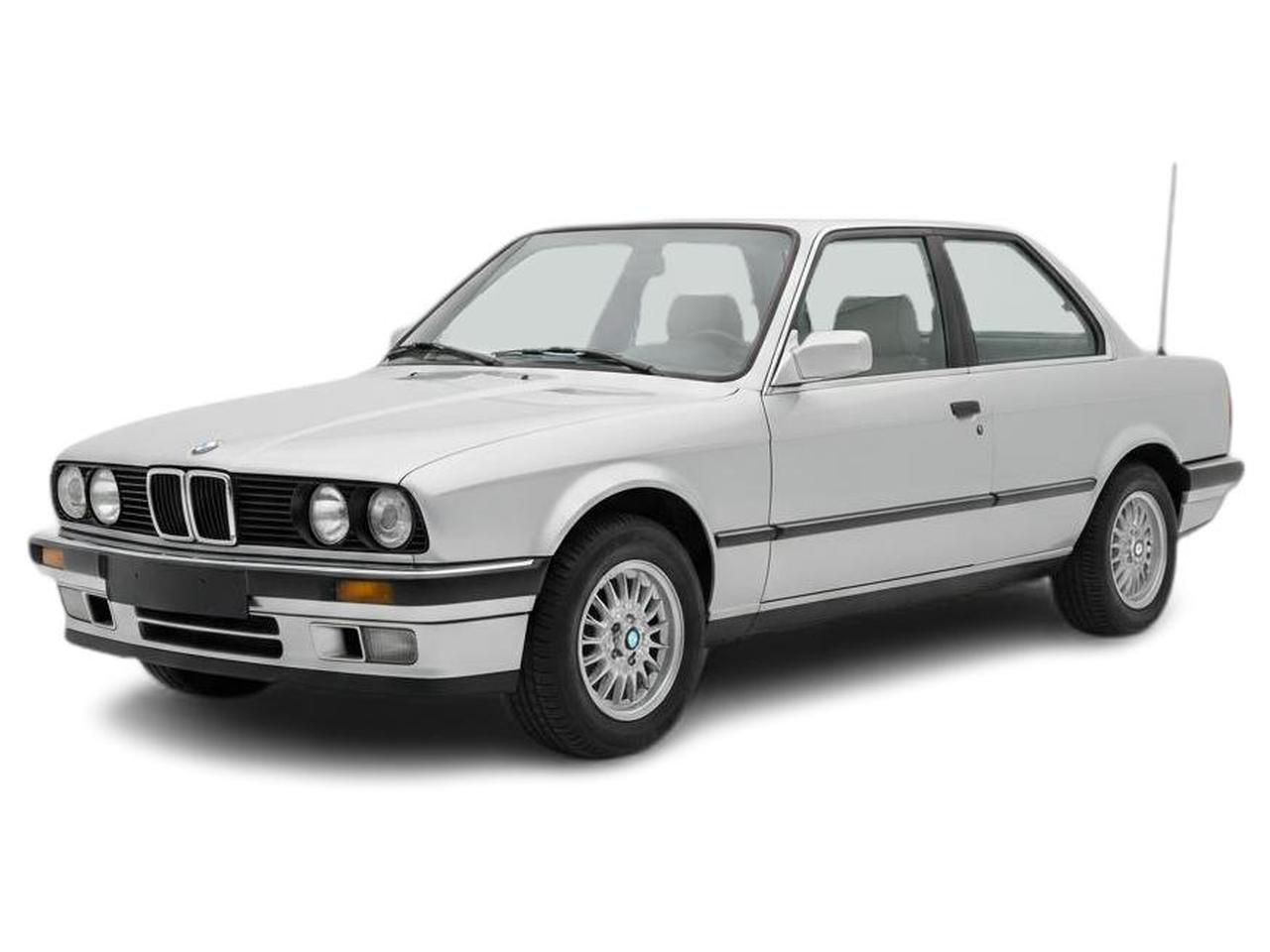
1986 BMW 3 Series Overview, Reviews, Ratings & Specs

Rating: 0.00
Based on 0 Owner Reviews
Eugene S | July 30, 2026
The 1986 BMW 3 Series, part of the iconic E30 generation (1982-1994), is a compact executive car renowned for its engaging driving dynamics. Available primarily as a 2-door sedan and a convertible, key trims included the 325e, 325i, and the high-performance M3. When new, prices ranged from approximately $18,000 to $30,000. Its popularity stems from its superb handling, refined German engineering, and a perfect balance of sportiness and everyday usability, making it a beloved classic.
The Good

The 1986 3 Series offers exhilarating performance and sharp handling for driving enthusiasts, coupled with solid reliability and a well-built interior for practical owners. Its timeless design appeals to both aesthetically and emotionally, while respectable efficiency makes it a sensible choice for daily use.

The Bad

Potential buyers should be aware of rust, particularly on the rocker panels and wheel arches. Electrical gremlins, aging suspension components, and cooling system issues are common. The headliner can sag, and interior wear is typical for a car of this age. Check for thorough maintenance records.

1986 BMW 3 Series: Quick Overview

  • Engine Options:
    • 2.7L M20 inline-six (325e)
    • 2.5L M20 inline-six (325i)
    • 2.3L S14 inline-four (M3)
  • Horsepower:
    • 325e: Approximately 121 hp
    • 325i: Approximately 168 hp
    • M3: Approximately 192 hp
  • Fuel Economy (EPA Estimated):
    • 325e: Around 22-24 MPG combined
    • 325i: Around 19-21 MPG combined
  • 0-60 Times (Approximate):
    • 325e: 9-10 seconds
    • 325i: 7.5-8.5 seconds
    • M3: 6.5-7 seconds
  • Towing Capacity: Not applicable for this model.
  • Trim-Level Features:
    • 325e: Often featured BMW's eta (economy) engine, designed for fuel efficiency and torque. Standard features included power steering, power disc brakes, independent suspension, and a basic sound system.
    • 325i: Offered a more powerful engine with higher revving characteristics, sportier suspension tuning, and often included amenities like power windows, a sunroof, and a better stereo.
    • M3: The pinnacle of the E30 3 Series, the M3 featured a significantly more potent engine, aerodynamic enhancements (front air dam, side skirts, rear spoiler), revised suspension for track performance, larger brakes, and a limited-slip differential. It was a homologation special designed for racing.

1986 BMW 3 Series Specifications

Vehicle Information
Year 1986
Make BMW
Model 3 Series
Trim -
Style 318i Sedan RWD 5MT 2.7L I6
Type Sedan
Category passenger
Manufacturing Details
Made In Germany
Manufacturing City DINGOLFING
Dimensions
Doors 4-Door
Curb Weight -
Gross Vehicle Weight Rating -
Overall Height -
Overall Length -
Overall Width -
Wheelbase Length -
Standard Seating -
Engine & Performance
Engine 2.7L I6
Engine Size 2.7L
Engine Cylinders 6
Transmission 5-Speed Manual
Transmission Type Manual
Transmission Speeds 5-Speed
Drivetrain Rear-Wheel Drive
Additional Features
Anti-Brake System -
Steering Type -
Pricing
Manufacturer Suggested Retail Price (MSRP) -
Invoice Price -
Delivery Charges -

Vehicle History Report

Vehicle
Specifications
Ownership
History
All History
Events
NMVTIS Title
History Check
Salvage/Rebuilt
Check
Accident
Check
Theft
Check
Open Lien
Check
Past Sale
Listings
Safety
Recalls
Odometer
Check
Market Price
Analysis

What Problems Does the 1986 BMW 3 Series Have?

The 1986 BMW 3 Series, while generally well-engineered, has common issues typical of vehicles from this era. One of the most pervasive concerns is rust. Areas particularly susceptible include the rocker panels, rear wheel arches, battery tray, and around the sunroof. Early visual inspection for rust is crucial. Cooling system problems are also frequently reported. The plastic radiator end tanks can become brittle and crack, leading to leaks. The water pump and thermostat can also fail. Electrical gremlins are another area of concern. Aged wiring harnesses can degrade, leading to intermittent issues with lights, gauges, and other electrical components. The instrument cluster itself can also develop faulty pixels or fail entirely. The headliner in sedans and coupes is prone to sagging over time due to adhesive failure. On the mechanical side, wear and tear on the suspension is common. Bushings, ball joints, and tie rods can become worn, leading to clunky noises and compromised handling. The clutch in manual transmission cars can wear out. For the 325e models, the eta engine, while torquey, can suffer from issues related to carbon buildup and potential head gasket failures if overheated. Specific recalls for the 1986 model year might exist, but they are often related to older safety standards and may not be relevant or available through official channels anymore. Long-term reliability is heavily dependent on diligent maintenance. Cars that have been regularly serviced with quality parts tend to fare much better. Neglected maintenance will exacerbate many of these common issues.

How long will the 1986 BMW 3 Series last?

Based on owner data and maintenance habits, a well-maintained 1986 BMW 3 Series can reliably serve for 200,000 to 300,000 miles, or even more. Many examples are still on the road today, proving their inherent durability. The critical factor is consistent, proactive maintenance. Cars that have received regular oil changes, coolant flushes, and timely replacement of wear items like belts, hoses, and suspension components will exhibit superior long-term health. Weaknesses that tend to emerge over time include the aging of rubber and plastic components (bushings, hoses, interior trim), potential for rust if not properly protected, and the inevitable wear on electrical systems. However, with proper care, these E30 3 Series are known for their robust drivetrains and chassis, capable of lasting decades.

What Technology & Safety Features are Included?

The 1986 BMW 3 Series represents the technology and safety standards of its era, which are understandably modest by today's benchmarks. In terms of built-in tech and entertainment, standard features typically included an analog radio with cassette player, and basic climate controls. Optional upgrades might have offered more sophisticated stereo systems with more speakers or even a graphic equalizer. Power windows, mirrors, and a sunroof were also popular options that enhanced convenience. Driver-assistance features were virtually non-existent; the focus was on the driving experience itself rather than electronic aids. Safety features were centered around passive systems. All models came equipped with front disc brakes and rear drum brakes, power-assisted steering, and seatbelts. Some models might have had optional anti-lock brakes (ABS) available, though it was not standard across all trims. The robust body structure and crumple zones were considered advanced for their time, contributing to passenger protection. Crash-test ratings for vehicles of this vintage are not readily available in the standardized formats we see today. However, the E30 chassis was known for its solid construction and engineering, which generally translated to respectable safety performance for its era. The emphasis was on a well-built chassis and effective braking systems rather than electronic intervention or advanced passive safety restraints like multiple airbags, which were not common then. The M3 variant, being performance-oriented, might have had sportier suspension tuning but did not necessarily include additional safety features beyond the standard offerings.

What Colors Options are Available?

We’re working on this section!
In the meantime, feel free to explore the other sections for more content.

1986 BMW 3 Series Prices and Market Value

When new, the 1986 BMW 3 Series ranged from approximately $18,000 for base models to upwards of $30,000 for the M3. Like most vehicles, they experienced significant depreciation in their early years. However, the E30 3 Series has seen a remarkable resurgence in value, particularly well-maintained examples and M3 models. Today, used market prices vary widely. Clean, low-mileage 325i sedans can fetch $8,000 - $15,000, while pristine M3s can command $25,000 to well over $50,000. Factors affecting resale value include condition (rust-free is paramount), mileage, maintenance history, originality, and the specific trim level (M3 being the most desirable). Originality and a comprehensive service record significantly boost value, while modifications can detract unless they are period-correct performance upgrades.

1986 BMW 3 Series Cost of Ownership

Owning a 1986 BMW 3 Series can be moderately costly, especially if seeking originality and top condition. Insurance rates will vary but are generally reasonable for a classic car, though enthusiast policies might be beneficial. Fuel economy is decent for its era, particularly the 325e, averaging around 20-24 MPG combined. Maintenance is crucial; regular servicing is essential for longevity. Parts availability is generally good, but some specialized items can be expensive. Repairs, especially for specialized components or if extensive rust repair is needed, can add up. Overall, while not as cheap to run as a modern economy car, a well-maintained E30 3 Series offers reasonable running costs for a rewarding driving experience, but unexpected repairs can be significant.

1986 BMW 3 Series Fuel Efficiency

Fuel Type Gasoline
Fuel Capacity -
City Mileage -
Highway Mileage -

1986 BMW 3 Series Insurance

Insurance for a 1986 BMW 3 Series is moderately priced, reflecting its status as a Sedan with strong safety ratings and
reasonable repair costs.

How Does the 1986 BMW 3 Series Compare to Other Sedan?

The 1986 BMW 3 Series competed in a segment with strong rivals like the Mercedes-Benz 190E, Audi 80/90, and the Ford Sierra (Cosworth in some markets). In terms of performance, the 3 Series, especially the 325i and M3, often edged out rivals with its more engaging handling and responsive engines. The 190E offered a more refined and comfortable ride, prioritizing luxury over outright sportiness. The Audi 80/90 provided a blend of comfort and performance with its quattro all-wheel-drive option. When it came to features, the BMW offered a driver-focused cockpit with good ergonomics. Optional luxury features were available, but it wasn't as overtly luxurious as some competitors might have been. Reliability is a mixed bag. While BMWs are known for their robust engineering, the E30 generation, being older, is susceptible to age-related issues like rust and electrical gremlins, which could be more prevalent than in some Japanese rivals from the same period. The Mercedes 190E is renowned for its exceptional build quality and durability. Pricing for the 1986 3 Series was competitive, sitting in the premium segment. Today, the E30 3 Series, particularly the M3, has appreciated significantly, often outpricing comparable Mercedes 190Es or Audi 80/90s in good condition. Alternatives to consider would be a well-maintained Mercedes-Benz 190E 2.3-16 Cosworth for a more luxurious and arguably more robust classic sports sedan, or a Ford Sierra Cosworth if outright performance and rally-inspired pedigree are desired, though they can be rarer and more expensive. For a more budget-friendly, reliable, and still engaging older sporty coupe, a late 80s/early 90s Acura Integra or Honda Prelude could be considered, though they lack the German build finesse and prestige.

Final Verdict: Is the 1986 BMW 3 Series a Good Sedan?

The 1986 BMW 3 Series is ideal for driving enthusiasts who appreciate sharp handling, a connected driving experience, and classic automotive design. It's a fantastic choice for those looking for a sporty coupe or sedan that can still function as a daily driver, provided they are prepared for potential maintenance. It is absolutely worth buying for the right buyer, especially in good condition. Buying used is the only option, and careful inspection for rust and evidence of diligent maintenance is paramount. The 325i offers the best balance of performance and usability for most, while the M3 is for serious collectors and track-day enthusiasts willing to pay a premium. Avoid heavily modified or neglected examples, as restoration costs can be substantial. A well-maintained, original car will provide immense driving pleasure and likely hold its value.

1986 BMW 3 Series Owner Reviews

0.00
Consumer Rating, Based on 0 Consumer Reviews
Overall rating
Cancel
Thank You for Your Review!

We truly appreciate the time and effort you took to share your experience with us.

Uh oh!

Something went wrong, please try again later.

Author Image
Eugene S

Eugene is an automotive enthusiast with over 15 years of experience in the used car market. As a writer at VINCheck.info, he brings deep industry insight and a passion for cars, helping readers make smart, informed decisions. Eugene has written hundreds of used car reviews and is known for breaking down complex automotive topics into clear, actionable advice. Over the years, he has driven and worked on a wide range of vehicles—starting with tuning street cars in his early days and eventually focusing on performance upgrades and reliability improvements. Today, he specializes in evaluating used vehicles through the lens of real-world ownership and enthusiast needs. A longtime fan of Porsche, Eugene especially appreciates vehicles that blend durability with driving enjoyment.