
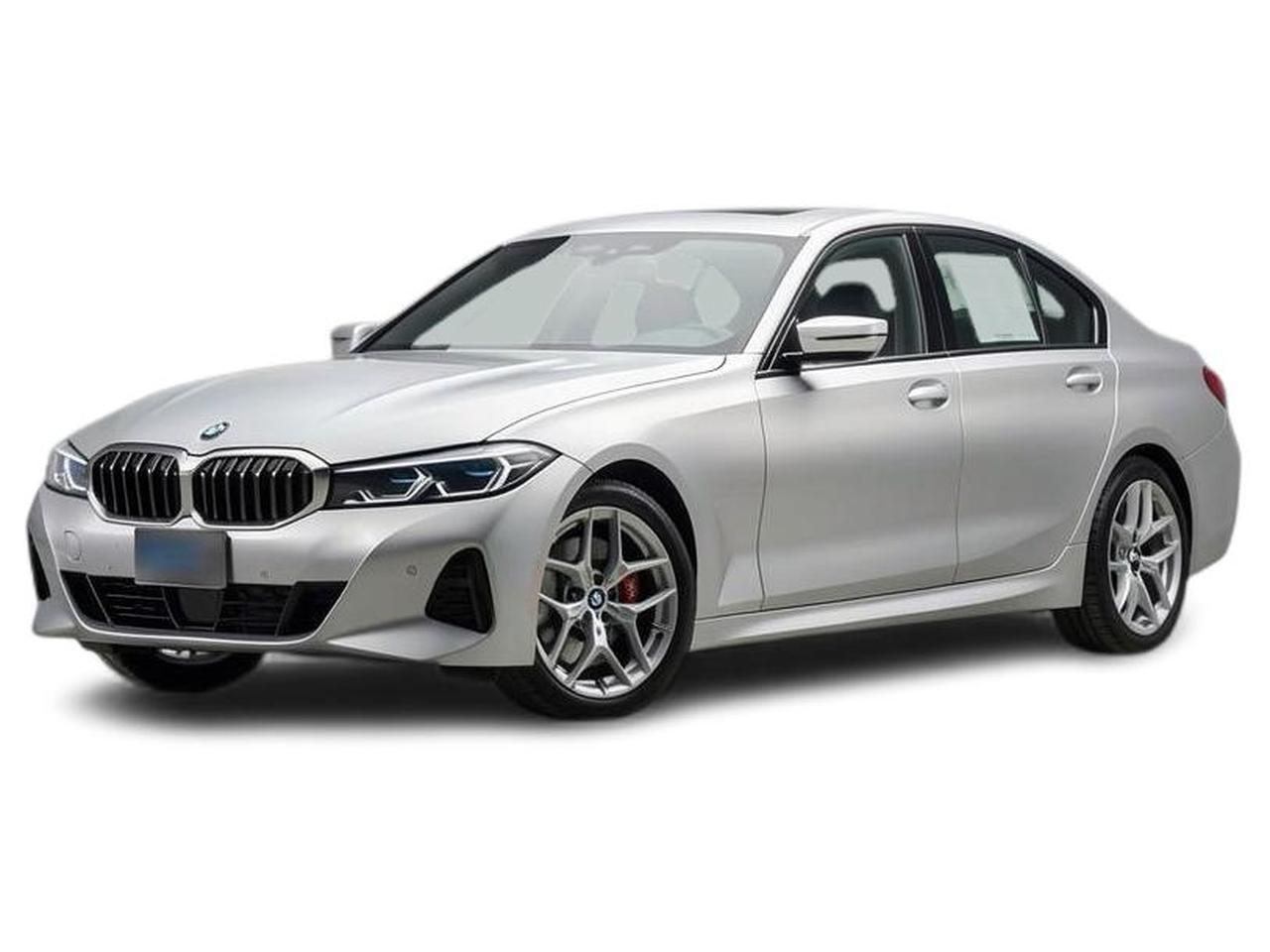
The Good
The 2025 BMW 3 Series excels with its exhilarating performance, refined ride comfort, and sophisticated design. It offers impressive fuel efficiency for its class, strong reliability, and a premium interior. This combination appeals to both the emotional desire for a driver-focused experience and the practical need for a dependable, comfortable, and stylish daily driver.
The Bad
While generally strong, potential owners of the 2025 BMW 3 Series should be aware of higher-than-average maintenance costs compared to non-luxury brands. Some model years have experienced isolated electronic glitches or minor interior trim issues. Opting for a well-maintained used model is often advised.
2025 BMW 3 Series: Quick Overview
- Engine Options: The 2025 BMW 3 Series offers a range of potent powertrains. The standard engine is a 2.0-liter turbocharged inline-4 in the 330i models. For more power, the M340i features a 3.0-liter turbocharged inline-6 with mild-hybrid technology. The M3 variants boast even more powerful versions of the inline-6.
- Horsepower: The 330i typically produces around 255 horsepower. The M340i delivers approximately 382 horsepower. The M3 models can range from 473 horsepower in the base RWD version to over 500 horsepower in the Competition xDrive variants.
- Fuel Economy: Fuel economy varies significantly by engine and drivetrain. The 330i can achieve estimated EPA ratings of around 25 mpg city / 34 mpg highway. The M340i might see figures closer to 23 mpg city / 31 mpg highway. The M3 variants will have considerably lower MPG figures due to their performance focus.
- 0-60 Times: Performance is a strong suit. The 330i can sprint from 0 to 60 mph in approximately 5.4 seconds. The M340i is much quicker, often achieving this benchmark in under 4.4 seconds. The M3 models can break the 3.0-second barrier.
- Towing Capacity: The BMW 3 Series is not designed for towing, and thus, towing capacity is not a specified feature.
- Trim-Level Features: Key trims and their features include:
- 330i: Standard features include synthetic leather upholstery, a 12.3-inch digital instrument cluster, a 14.9-inch infotainment touchscreen, Apple CarPlay, Android Auto, navigation, tri-zone automatic climate control, LED headlights, and a suite of safety features. Optional packages add features like a sunroof, premium audio, heated steering wheel and seats, and advanced driver aids.
- M340i: Builds upon the 330i with the more powerful inline-6 engine, M Sport suspension, M Sport brakes, sport exhaust, and unique M exterior and interior styling cues. - M3: Represents the pinnacle of performance with its bespoke engine, enhanced chassis, aggressive aerodynamics, larger brakes, performance tires, and extensive M-specific interior and exterior elements.
2025 BMW 3 Series Specifications
Vehicle Information
| Year | 2025 |
| Make | BMW |
| Model | 3 Series |
| Trim | - |
| Style | 330i Sedan RWD 8AT 2.0L I4 |
| Type | Sedan |
| Category | passenger |
Manufacturing Details
| Made In | Mexico |
| Manufacturing City | SAN LUIS POTOSI |
Dimensions
| Doors | 4-Door |
| Curb Weight | 3450 pounds |
| Gross Vehicle Weight Rating | - |
| Overall Height | 56.4 inches |
| Overall Length | 182.5 inches |
| Overall Width | 71.3 inches |
| Wheelbase Length | 111.6 inches |
| Standard Seating | 5 |
Engine & Performance
| Engine | 2L I4 |
| Engine Size | 2L |
| Engine Cylinders | 4 |
| Transmission | 8-Speed Automatic |
| Transmission Type | Automatic |
| Transmission Speeds | 8-Speed |
| Drivetrain | Rear-Wheel Drive |
Additional Features
| Anti-Brake System | 4-Wheel ABS |
| Steering Type | Rack & Pinion |
Pricing
| Manufacturer Suggested Retail Price (MSRP) | $41,500 |
| Invoice Price | $39,000 |
| Delivery Charges | $995 |
Vehicle History Report
Specifications
History
Events
History Check
Check
Check
Check
Check
Listings
Recalls
Check
Analysis
What Problems Does the 2025 BMW 3 Series Have?
Engine and Powertrain:
- Some owners have reported occasional oil leaks from the valve cover gasket or oil pan on both 4-cylinder and 6-cylinder engines. This is more common in higher mileage vehicles.
- Issues with the turbocharger system, such as reduced boost or whistling noises, have been noted in some instances, particularly in earlier model years of a generation.
- Transmission issues are rare but can include occasional rough shifting or hesitation, especially if the transmission fluid has not been changed according to schedule.
Electrical and Electronic Systems:
- Infotainment system glitches, including freezing screens, unresponsiveness, or connectivity problems with Apple CarPlay/Android Auto, are a recurring theme for many modern BMWs. Software updates often address these.
- Sensor malfunctions, such as those related to tire pressure monitoring, parking sensors, or adaptive cruise control, can occur and may require dealership diagnosis.
- Battery drain issues have been reported, sometimes linked to aftermarket accessories or software that keeps systems active longer than intended.
Suspension and Steering:
- While generally robust, some owners have experienced premature wear on suspension components like control arm bushings or shock absorbers, particularly on vehicles driven on rough roads or with aggressive driving habits.
- Power steering system noises or stiffness are less common but have been documented.
Interior and Body:
- Rattles and squeaks from interior trim pieces can develop over time, especially in colder climates.
- Leaks from the sunroof drain channels have been reported in some cases, leading to water ingress. Regular cleaning of these channels is recommended.
Recalls:
Specific recalls for the 2025 model year would be determined closer to its release and might involve safety-critical components. Owners should always stay informed about any official BMW recalls through the manufacturer's website or NHTSA. Past recalls have sometimes involved airbag systems, fuel system components, or potential fire risks due to electrical issues.
Long-Term Reliability:
Overall, the BMW 3 Series is considered a reliable vehicle, especially when properly maintained. However, its complexity and luxury nature mean that repair costs can be higher than average for non-premium brands. Adhering strictly to the manufacturer's recommended maintenance schedule, including timely oil changes, fluid flushes, and inspections, is crucial for ensuring long-term dependability and minimizing the risk of major issues.
How long will the 2025 BMW 3 Series last?
What Technology & Safety Features are Included?
Built-in Tech and Entertainment:
Standard across the lineup is BMW's iDrive 8.5 infotainment system (or its successor), featuring a prominent curved display that integrates a 12.3-inch digital instrument cluster and a 14.9-inch touchscreen. This system offers intuitive control via touch, voice commands, and the familiar iDrive rotary controller. Standard entertainment features include:
- Wireless Apple CarPlay and Android Auto integration
- Built-in navigation system
- Bluetooth connectivity
- HD Radio
- USB ports
Driver-Assistance and Safety Features:
The 3 Series comes standard with a robust array of active safety and driver-assistance systems designed to enhance awareness and prevent accidents. These typically include:
- Forward collision warning with automatic emergency braking
- Lane departure warning
- Blind-spot monitoring
- Rear cross-traffic alert
- Front and rear parking sensors
- Rain-sensing windshield wipers
- Automatic high beams
- Adaptive cruise control with stop-and-go functionality
- Lane-keeping assist
- Traffic jam assist
- Surround-view camera system
- Head-up display
- Parking assistant plus (which can assist with parallel parking)
While specific crash-test ratings for the 2025 model year may not be available until closer to its release, the BMW 3 Series has historically performed very well in safety evaluations conducted by the National Highway Traffic Safety Administration (NHTSA) and the Insurance Institute for Highway Safety (IIHS). Previous generations have frequently earned top marks, such as IIHS Top Safety Pick+ awards and NHTSA 5-Star Overall safety ratings, thanks to its strong structural integrity and advanced safety technology.
What Colors Options are Available?
2025 BMW 3 Series Prices and Market Value
2025 BMW 3 Series Cost of Ownership
2025 BMW 3 Series Fuel Efficiency
2025 BMW 3 Series Recalls & Defects
2025 BMW 3 Series Warranty
Basic
Powertrain
Rust
2025 BMW 3 Series Insurance
reasonable repair costs.
How Does the 2025 BMW 3 Series Compare to Other Sedan?
Performance: The 3 Series consistently leads in driving dynamics, offering sharp handling, responsive steering, and a balanced chassis that excites enthusiasts. The M340i and M3 variants are particularly potent, often outperforming rivals in straight-line acceleration and track-ready capabilities. The Audi A4 offers a more refined and comfortable ride, while the Alfa Romeo Giulia is a strong contender for pure driving engagement, often praised for its communicative steering and agility.
Features: BMW typically offers a comprehensive and advanced technology suite, with its iDrive infotainment system being a benchmark for user-friendliness and features. Standard driver-assistance systems are generous, with many advanced options available. The Mercedes-Benz C-Class often boasts a more opulent interior and cutting-edge tech, particularly in its infotainment and ambient lighting. The Genesis G70 offers a compelling value proposition with a rich set of standard features and a luxurious cabin for its price point.
Reliability: Historically, BMW has a reputation for solid engineering, though maintenance costs can be higher than average. The Audi A4 and Mercedes-Benz C-Class also fall into a similar category regarding long-term reliability and associated costs. The Genesis G70, being a newer entrant and backed by Hyundai's parent company, often scores well in reliability surveys and offers a longer warranty, potentially making it a more reliable long-term prospect.
Price: The 3 Series generally positions itself in the middle to upper end of the segment. While the base 330i is competitively priced, optioning up quickly increases the cost. The Genesis G70 often offers the best value, providing more features for a lower price than its German counterparts. The Audi A4 and Mercedes-Benz C-Class are typically priced similarly to the 3 Series, with variations based on trims and packages.
Recommendations:
- For the ultimate driving enthusiast: The BMW 3 Series (especially M340i and M3) or the Alfa Romeo Giulia remain top choices for their sheer driving pleasure.
- For a blend of luxury and technology: The Mercedes-Benz C-Class offers a more plush experience and advanced infotainment.
- For value and strong reliability: The Genesis G70 is an excellent alternative, providing premium amenities and a competitive warranty without the premium price tag.
- For a comfortable and refined daily driver: The Audi A4 is a solid, well-rounded option, prioritizing comfort and quietness.
Final Verdict: Is the 2025 BMW 3 Series a Good Sedan?

Eugene S
Eugene is an automotive enthusiast with over 15 years of experience in the used car market. As a writer at VINCheck.info, he brings deep industry insight and a passion for cars, helping readers make smart, informed decisions. Eugene has written hundreds of used car reviews and is known for breaking down complex automotive topics into clear, actionable advice. Over the years, he has driven and worked on a wide range of vehicles—starting with tuning street cars in his early days and eventually focusing on performance upgrades and reliability improvements. Today, he specializes in evaluating used vehicles through the lens of real-world ownership and enthusiast needs. A longtime fan of Porsche, Eugene especially appreciates vehicles that blend durability with driving enjoyment.