
by VIN, Year, Make, Model by License Plate

2010 BMW 3 Series Overview, Reviews, Ratings & Specs

Rating: 0.00
Based on 0 Owner Reviews
Eugene S | July 16, 2026
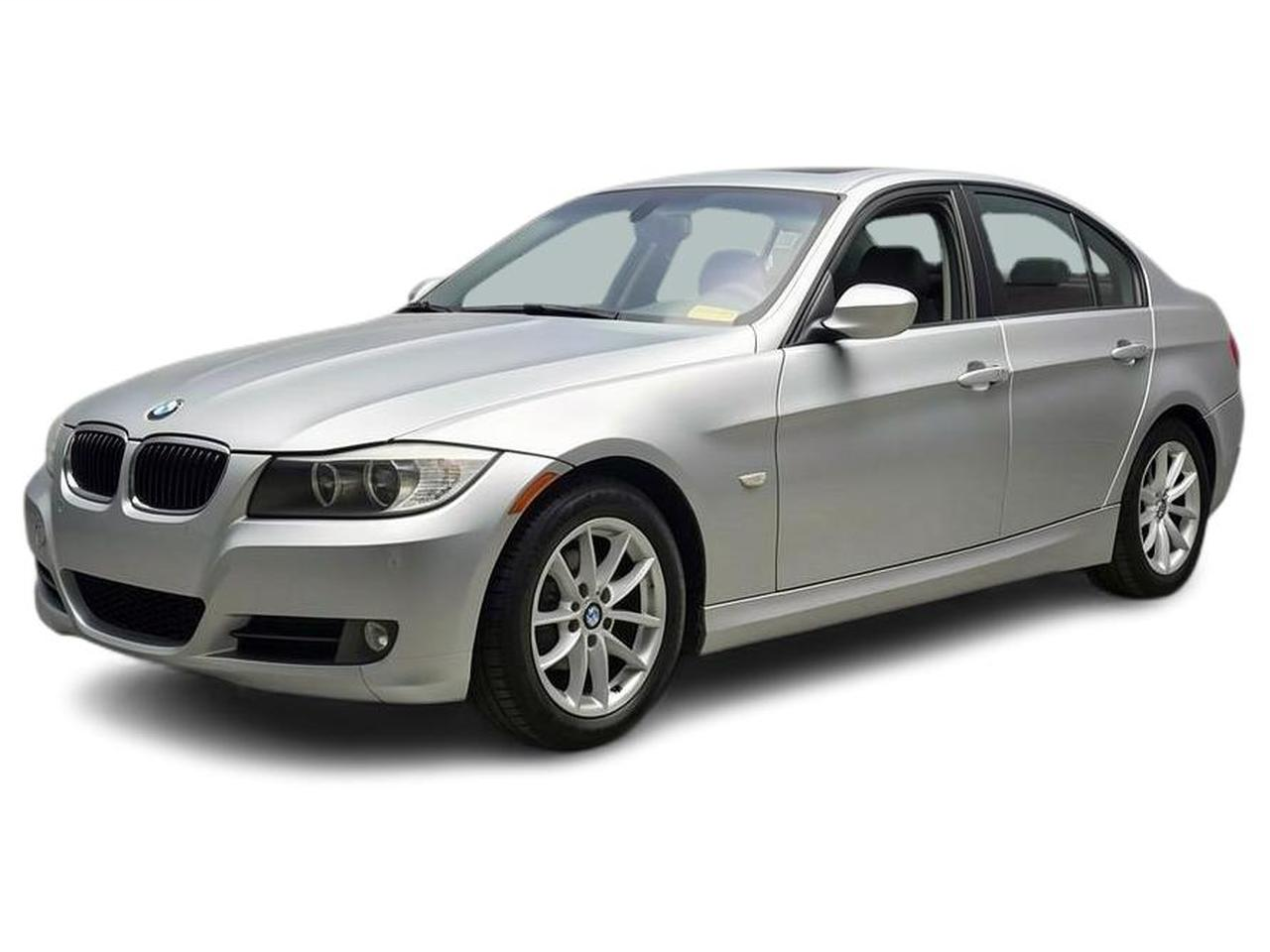
The 2010 BMW 3 Series, part of the E90/E91/E92/E93 generation (2006-2011), is a highly popular compact executive car. Available as a sedan, wagon (Touring), coupe, and convertible, key trims include the 328i and 335i. Its popularity stems from its renowned driving dynamics, sporty handling, and premium feel, offering a compelling blend of performance and luxury in its segment.
The Good

The 2010 3 Series excels with its engaging performance and superior handling, appealing to driving enthusiasts. Its comfortable ride, refined interior, and timeless design attract those seeking luxury. For practical buyers, it offers decent fuel efficiency and a reputation for solid engineering, providing good value over time.

The Bad

Potential weaknesses for the 2010 BMW 3 Series include oil leaks, particularly from the valve cover and oil filter housing. Water pump failure is also a concern. Some models may experience electronic glitches or premature wear of suspension components. Regular maintenance is crucial to mitigate these issues.

2010 BMW 3 Series: Quick Overview

  • Engine Options:
    - 3.0L Inline-6 (N52) naturally aspirated
    - 3.0L Twin-Turbo Inline-6 (N54) - 335i
    - 2.0L Turbocharged Inline-4 Diesel (N47) - 320d (Europe)
  • Horsepower:
    - 328i: Approximately 230 hp
    - 335i: Approximately 300 hp
  • Fuel Economy (EPA Estimates):
    - 328i (Automatic): ~18 mpg city / 26 mpg highway
    - 335i (Automatic): ~17 mpg city / 25 mpg highway
    *(Note: Actual mileage varies significantly with driving style and conditions)*
  • 0-60 Times:
    - 328i: Around 6.0-6.5 seconds
    - 335i: Around 5.0-5.5 seconds
  • Towing Capacity:
    - Not generally applicable or officially rated for towing. This is a performance-oriented sedan/coupe/convertible, not a utility vehicle.
  • Trim-Level Features (General):
    - 328i: Standard features often included leatherette upholstery, automatic climate control, power-adjustable front seats, a tilt-and-telescoping steering wheel, and a premium sound system. Optional packages could add features like leather, sunroof, heated seats, and advanced audio.
    - 335i: Typically added more powerful engines, sport suspension options, upgraded brakes, and often came with more standard premium features. Options could include adaptive headlights, navigation systems, and enhanced interior trims.
    - Coupe/Convertible Models: Often featured unique styling, available hardtop convertible (coupe-like) or soft-top convertible options, and sportier suspension tuning. Available with xDrive all-wheel drive across various trims.

2010 BMW 3 Series Specifications

No records to be displayed

Vehicle History Report

What Problems Does the 2010 BMW 3 Series Have?

The 2010 BMW 3 Series, while generally well-regarded, has some common issues that owners frequently report. One of the most prevalent concerns is oil leaks. The valve cover gasket and oil filter housing gasket are notorious for degrading over time, leading to drips and potential oil consumption. The electric water pump on many models, especially those with turbocharged engines, has a history of failure, often requiring replacement and potentially leading to overheating if not addressed promptly. Ignition coils and spark plugs can also be a source of misfires, especially on the turbocharged 335i models, which are also prone to turbocharger issues or related plumbing problems as they age. Fuel injectors, particularly on the N54 engine (335i), have been known to fail. Suspension components, such as control arm bushings and shock mounts, can wear out prematurely due to the car's sporty nature and the demands placed upon them. The power steering system, especially if it's the electric-hydraulic type, can develop leaks or electronic faults. For the 2010 model year specifically, there were recalls related to potential issues with the braking system (e.g., faulty brake vacuum pump O-ring) and airbag inflators. Long-term reliability can be impacted by the complexity of the turbocharged engines and the numerous electronic systems. Regular and diligent maintenance, using quality parts and fluids, is paramount to mitigating many of these potential problems and ensuring longevity. Owners who neglect maintenance or use subpar parts are more likely to encounter costly repairs.

How long will the 2010 BMW 3 Series last?

A well-maintained 2010 BMW 3 Series can reasonably be expected to reach 150,000 to 200,000 miles, and in some cases, even more. However, reaching these high mileage figures is heavily dependent on consistent and proactive maintenance. Key to long-term durability is addressing common issues like oil leaks and cooling system components promptly. Weaknesses that manifest over time, such as suspension wear and potential turbocharger issues (on the 335i), will require attention. Owners who adhere to the recommended service intervals, use premium fluids, and address minor problems before they escalate can enjoy many years of service from this vehicle. Neglecting maintenance, however, will likely lead to premature failures and significantly shorten its usable lifespan.

What Technology & Safety Features are Included?

The 2010 BMW 3 Series offered a solid suite of technology and safety features for its era, balancing driver engagement with modern conveniences. Standard tech typically included an iDrive infotainment system (though it was refined from earlier iterations), a six-speaker stereo with a CD player, and an auxiliary audio input. Optional upgrades could bring a more advanced navigation system with a larger screen, Bluetooth connectivity for hands-free calling, satellite radio, and a premium sound system from brands like Harman Kardon. Driver-assistance features were more limited compared to today's vehicles but could include optional rear parking sensors and adaptive xenon headlights, which swivel to illuminate turns. Safety was a strong suit, with standard features like anti-lock brakes (ABS), traction control, stability control, front-seat side airbags, and full-length side curtain airbags. Coupe and convertible models had specific airbag configurations. For crash-test ratings, the 2010 BMW 3 Series sedan received good marks from the IIHS, earning a 'Good' rating in frontal offset, side impact, and rear crash tests. The NHTSA also awarded it high marks, typically 4 or 5 stars in various categories depending on the specific test. While advanced driver-assistance systems like lane departure warning or adaptive cruise control were not common or available on the 2010 models, the core safety structure and active safety systems provided a robust protective environment for occupants. The focus was more on the driving experience, but safety was not compromised.

What Colors Options are Available?

We’re working on this section!
In the meantime, feel free to explore the other sections for more content.

2010 BMW 3 Series Prices and Market Value

When new, the 2010 BMW 3 Series had an MSRP that typically ranged from around $33,000 for a base 328i sedan to over $48,000 for a well-equipped 335i coupe or convertible, before options. Currently, used market prices for the 2010 3 Series can vary widely, generally falling between $6,000 and $15,000, depending heavily on condition, mileage, trim level, and body style. Depreciation has been significant, as is typical for premium vehicles. Factors affecting resale value include the car's maintenance history, the presence of desirable optional features (like navigation or sport packages), overall condition (cosmetic and mechanical), and body style (coupes and convertibles often retain value slightly better than sedans in some markets). Lower mileage examples in excellent condition will command higher prices.

2010 BMW 3 Series Cost of Ownership

Owning a 2010 BMW 3 Series can be moderately costly. Insurance premiums are generally higher than for mass-market sedans due to its premium badge and performance capabilities. Fuel costs will vary; the turbocharged 335i is thirstier, while the naturally aspirated 328i offers better economy. Maintenance costs are typically above average, with specialized parts and labor for BMWs being more expensive. Repairs can also be substantial, especially for complex systems or turbocharged engines. Overall, while it offers a premium driving experience, the 2010 3 Series is not considered an economical vehicle to own long-term; budget for regular maintenance and potential repairs.

2010 BMW 3 Series Fuel Efficiency

No records to be displayed

2010 BMW 3 Series Insurance

Insurance for a 2010 BMW 3 Series is moderately priced, reflecting its status as a Vehicle with strong safety ratings and
reasonable repair costs.

How Does the 2010 BMW 3 Series Compare to Other Vehicle?

The 2010 BMW 3 Series competed fiercely against rivals like the Audi A4, Mercedes-Benz C-Class, and Infiniti G37. In terms of performance, the 3 Series, particularly the 335i, was often lauded for its superior handling and balanced chassis, offering a more engaging driving experience than many competitors. The Audi A4 provided a sophisticated all-wheel-drive system (Quattro) and a refined interior, while the Mercedes C-Class offered a more comfortable and luxurious ride. The Infiniti G37 was a strong performer, often coming well-equipped for its price. Regarding features, all these vehicles offered premium amenities, but BMW's iDrive system, though sometimes criticized, was evolving. Reliability is a mixed bag; while German luxury cars often have higher maintenance costs, the 3 Series has a reputation for robust engines when properly cared for. However, common issues like oil leaks and cooling system components can be more prevalent than in some Japanese rivals. The Infiniti G37 generally boasts strong reliability. Price-wise, the 3 Series was competitively positioned, often offering a slight premium for its driving dynamics. Similar Alternatives:
  • Infiniti G37: Offers excellent performance and reliability at a potentially lower ownership cost.
  • Audi A4: A great choice for those prioritizing all-wheel drive and a luxurious, technologically advanced interior.
  • Mercedes-Benz C-Class: Ideal for buyers who prefer a more comfortable and plush ride over sharp handling.
Potentially Better Alternatives (depending on priorities):
  • Acura TL: Offers strong reliability, a comfortable ride, and advanced features, though with less sporty handling than the BMW.
  • Lexus IS: Known for exceptional reliability and a refined driving experience, though often not as dynamically engaging as the 3 Series.
The choice depends on whether the buyer prioritizes ultimate driving engagement (BMW 3 Series), all-weather capability (Audi A4), luxury comfort (Mercedes C-Class), or bulletproof reliability (Infiniti G37, Lexus IS, Acura TL).

Final Verdict: Is the 2010 BMW 3 Series a Good Vehicle?

The 2010 BMW 3 Series is ideal for driving enthusiasts who appreciate sharp handling, balanced performance, and a premium feel, but are also mindful of potential maintenance costs. It's a great option for those seeking a sporty yet practical compact luxury car. It is generally worth buying, particularly on the used market where its value proposition is stronger. Buying used is highly recommended over seeking a new one, as depreciation has made it more accessible. Buyers should focus on well-maintained examples, ideally with a comprehensive service history. The 328i offers a good balance of performance and relative reliability, while the 335i provides exhilarating power but comes with a higher risk of more expensive repairs. Opting for models with fewer complex features might also reduce long-term cost concerns.

2010 BMW 3 Series Owner Reviews

0.00
Consumer Rating, Based on 0 Consumer Reviews
Overall rating
Cancel
Thank You for Your Review!

We truly appreciate the time and effort you took to share your experience with us.

Uh oh!

Something went wrong, please try again later.

Author Image
Eugene S

Eugene is an automotive enthusiast with over 15 years of experience in the used car market. As a writer at VINCheck.info, he brings deep industry insight and a passion for cars, helping readers make smart, informed decisions. Eugene has written hundreds of used car reviews and is known for breaking down complex automotive topics into clear, actionable advice. Over the years, he has driven and worked on a wide range of vehicles—starting with tuning street cars in his early days and eventually focusing on performance upgrades and reliability improvements. Today, he specializes in evaluating used vehicles through the lens of real-world ownership and enthusiast needs. A longtime fan of Porsche, Eugene especially appreciates vehicles that blend durability with driving enjoyment.
