
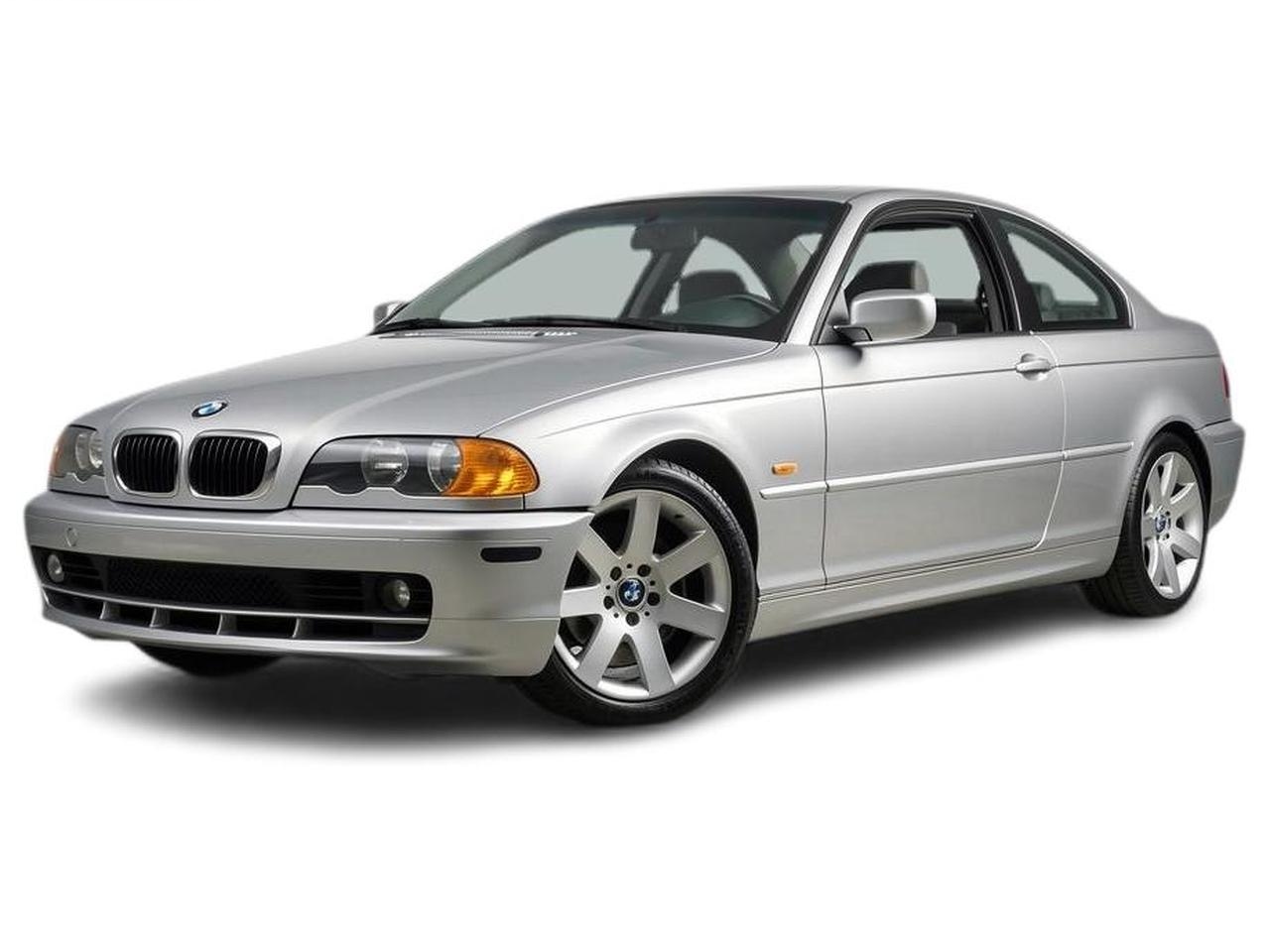
The Good
The 2000 BMW 3 Series excels with its exhilarating performance and superb handling, appealing to driving enthusiasts. Its timeless design and premium interior offer comfort and sophistication. For practical buyers, it offers a surprisingly durable platform and reasonable efficiency for its class, delivering excellent value for a luxury sport sedan.
The Bad
Potential weaknesses for the 2000 BMW 3 Series include cooling system issues, particularly radiator and water pump failures, as well as VANOS system problems. Early models also faced some oil leaks. Subframe cracks are a concern on some coupes and convertibles, and electrical gremlins can surface with age.
2000 BMW 3 Series: Quick Overview
Engine Options:
- 2.5L Inline-6 (M52TU/M54B25)
- 2.8L Inline-6 (M52TU)
- 3.0L Inline-6 (M54B30)
- 3.2L Inline-6 (S54 - M3)
Horsepower:
- 323i: 170 hp
- 325i: 184 hp
- 328i: 193 hp
- 330i: 225 hp
- M3: 333 hp
Fuel Economy (EPA Estimated, MPG):
- 323i/325i: Approx. 19-20 city / 26-28 highway
- 328i/330i: Approx. 18-19 city / 25-27 highway
- M3: Approx. 16-17 city / 22-23 highway
0-60 Times (Approximate):
- 323i: 7.5-8.0 seconds
- 325i: 7.0-7.5 seconds
- 328i: 6.5-7.0 seconds
- 330i: 6.0-6.5 seconds
- M3: 4.8-5.2 seconds
Towing Capacity:
Not applicable for this model as it was not designed or equipped for towing.
Trim-Level Features:
- 323i/325i: Standard features often included power windows/locks, air conditioning, cruise control, AM/FM/CD stereo, tilt/telescopic steering wheel, ABS, and front airbags.
- 328i/330i: Typically added features like leatherette or leather upholstery, alloy wheels, fog lights, upgraded sound system, and potentially a sunroof.
- M3: Featured a more powerful engine, sport-tuned suspension, aerodynamic enhancements, larger wheels/tires, sport seats, unique interior trim, and often more premium features like automatic climate control and enhanced audio systems. Optional packages could include premium sound, navigation, Xenon headlights, and heated seats.
2000 BMW 3 Series Specifications
Vehicle Information
| Year | 2000 |
| Make | BMW |
| Model | 3 Series |
| Trim | - |
| Style | 323Ci Coupe RWD 5MT 2.5L I6 |
| Type | Coupe |
| Category | passenger |
Manufacturing Details
| Made In | Germany |
| Manufacturing City | REGENSBURG |
Dimensions
| Doors | 2-Door |
| Curb Weight | 3200 pounds |
| Gross Vehicle Weight Rating | - |
| Overall Height | 54.3 inches |
| Overall Length | 174.5 inches |
| Overall Width | 68.5 inches |
| Wheelbase Length | 105.9 inches |
| Standard Seating | 4 |
Engine & Performance
| Engine | 2.5L I6 |
| Engine Size | 2.5L |
| Engine Cylinders | 6 |
| Transmission | 5-Speed Manual |
| Transmission Type | Manual |
| Transmission Speeds | 5-Speed |
| Drivetrain | Rear-Wheel Drive |
Additional Features
| Anti-Brake System | 4-Wheel ABS |
| Steering Type | Rack & Pinion |
Pricing
| Manufacturer Suggested Retail Price (MSRP) | $28,900 |
| Invoice Price | $26,500 |
| Delivery Charges | $695 |
Vehicle History Report
Specifications
History
Events
History Check
Check
Check
Check
Check
Listings
Recalls
Check
Analysis
What Problems Does the 2000 BMW 3 Series Have?
Another significant concern, especially on coupes and convertibles, is subframe cracking. The stress from the suspension mounting points on the rear subframe can lead to cracks, which can be expensive to repair. This issue was more prevalent in earlier E46 models but can affect any.
Oil leaks are also not uncommon, often originating from the valve cover gasket, oil pan gasket, or the oil filter housing.
While not a recall, the ABS/DSC module can fail, leading to malfunctioning antilock brakes and traction control. This can be a costly repair.
Model year specific notes: Early E46 models (pre-2002) were more prone to the plastic cooling components failing. The M3 model (which started with the 2001 model year for the E46 generation) has its own set of specific concerns related to the high-revving S54 engine, including rod bearing wear if not meticulously maintained and oil changes performed on schedule.
Despite these potential issues, with diligent maintenance and prompt attention to known problems, the 2000 BMW 3 Series can still be a reliable vehicle. However, potential buyers should expect some maintenance costs associated with an aging German luxury car.
How long will the 2000 BMW 3 Series last?
What Technology & Safety Features are Included?
In terms of entertainment, base models typically came with an AM/FM stereo with a CD player. Higher trims and optional packages often included upgraded sound systems with more speakers, and some models offered an optional premium Harman Kardon sound system, which was well-regarded for its clarity and power.
Optional technological features included navigation systems, though these were often monochrome and basic by today's standards. Xenon headlights, offering superior illumination, were also a popular optional upgrade. Other available amenities included automatic climate control, cruise control, and power-adjustable seats with memory functions.
Driver-assistance features were minimal compared to modern vehicles. The primary electronic assistance was the aforementioned traction control and ABS. Parking sensors were not a common feature on this model year.
Crash-test ratings for the E46 3 Series were generally good for its time. The National Highway Traffic Safety Administration (NHTSA) awarded it four out of five stars in frontal impact for the driver and front passenger. The Insurance Institute for Highway Safety (IIHS) rated it as "Good" in their frontal offset crash tests, indicating strong performance in a significant type of collision. However, it's important to remember that crash safety standards and testing methodologies have evolved considerably since 2000, so direct comparisons to modern vehicles should be made with caution.
What Colors Options are Available?
2000 BMW 3 Series Prices and Market Value
Currently, the used market prices for a 2000 BMW 3 Series vary widely based on condition, mileage, trim level, and maintenance history. Expect to find examples ranging from $2,000 to $7,000 for standard models in average condition. M3 models, especially those in excellent condition with low mileage, can fetch considerably more, sometimes $10,000 to $20,000+.
Depreciation was substantial in the first 5-10 years, as is typical for luxury vehicles. However, these models have largely reached their bottomed-out depreciation curve and now hold their value relatively well, especially well-maintained examples. Factors affecting resale value include a documented service history, low mileage, the presence of desirable options (like leather, sunroof, premium sound), and the overall mechanical and cosmetic condition. M Sport packages and manual transmissions often increase desirability for enthusiasts.
2000 BMW 3 Series Cost of Ownership
2000 BMW 3 Series Fuel Efficiency
2000 BMW 3 Series Recalls & Defects
2000 BMW 3 Series Warranty
Basic
Powertrain
Rust
2000 BMW 3 Series Insurance
reasonable repair costs.
How Does the 2000 BMW 3 Series Compare to Other Coupe?
Performance: BMW traditionally led in driving dynamics. The E46 3 Series offered a superior blend of sporty handling, responsive steering, and potent inline-6 engines that were often more engaging than its competitors. The Mercedes C-Class prioritized comfort over sportiness, while the Audi A4 offered a more stable, albeit less agile, ride, often with Quattro all-wheel drive.
Features: BMW interiors were known for their driver-oriented layout and premium feel, though often less laden with electronic gadgets than some Japanese rivals. Optional features like premium audio and navigation were available. Competitors like the Acura TL offered a strong value proposition with more standard features, including powerful V6 engines, for a similar price point.
Reliability: This is where the 3 Series often faced challenges compared to some rivals. While the engines are robust, the E46 generation is known for specific cooling system issues, VANOS problems, and subframe cracking (especially on coupes/convertibles) which could lead to higher maintenance and repair costs than the generally more reliable Acura TL or Infiniti G20. The Audi A4, particularly with its early CVT transmissions or certain engine variants, also had its share of reliability concerns.
Price: At launch, BMWs were typically priced at a premium, reflecting their performance and brand prestige. The 3 Series offered a compelling package for the price if driving engagement was the top priority. Competitors like the Acura TL often provided more horsepower and features for less money.
Alternatives:
- Similar: Mercedes-Benz C-Class (2000-2006 W203) for a more comfort-oriented luxury experience, Audi A4 (2001-2005 B6) for available Quattro all-wheel drive and a refined interior.
- Better Value/Reliability: Acura TL (2000-2003) offers excellent V6 power, strong reliability, and a good feature set at a more affordable price, though with less sharp handling. The Infiniti G35 Sedan (2003-2006) is a strong contender with a potent V6 and RWD dynamics, often considered a spiritual successor to the E46 in terms of its sporty appeal.
Final Verdict: Is the 2000 BMW 3 Series a Good Coupe?
Whether it's worth buying depends heavily on individual circumstances and the specific vehicle. As a used car, it can be a fantastic value for those seeking a sporty, stylish luxury car on a budget, provided they have a healthy contingency fund for potential repairs. It is definitely worth buying if you find a well-maintained example with a complete service history, especially a 330i or an M3 for performance enthusiasts. Manual transmission models are particularly sought after. However, if your priority is trouble-free ownership and minimal expenses, this might not be the best choice. It's a car for someone who appreciates automotive engineering and is willing to invest in its upkeep.

Drew B
Drew is a seasoned automotive expert and contributor to VinCheck.info. With nearly 15 years of experience as a former Porsche technician, he brings a wealth of hands-on knowledge to his writing. Born in North Carolina, a region renowned for its deep-rooted NASCAR culture, Drew developed a passion for cars early in life, often building and working on vehicles from a young age. At VINCheck, Drew leverages his extensive technical background to provide in-depth analyses of various vehicles. His articles often focus on engine performance, reliability, and maintenance insights, offering readers practical information grounded in real-world experience. Some of his notable contributions include reviews on the Mazda CX-5's longevity and detailed examinations of engine options for models like the 2011 Toyota Camry and Tacoma