
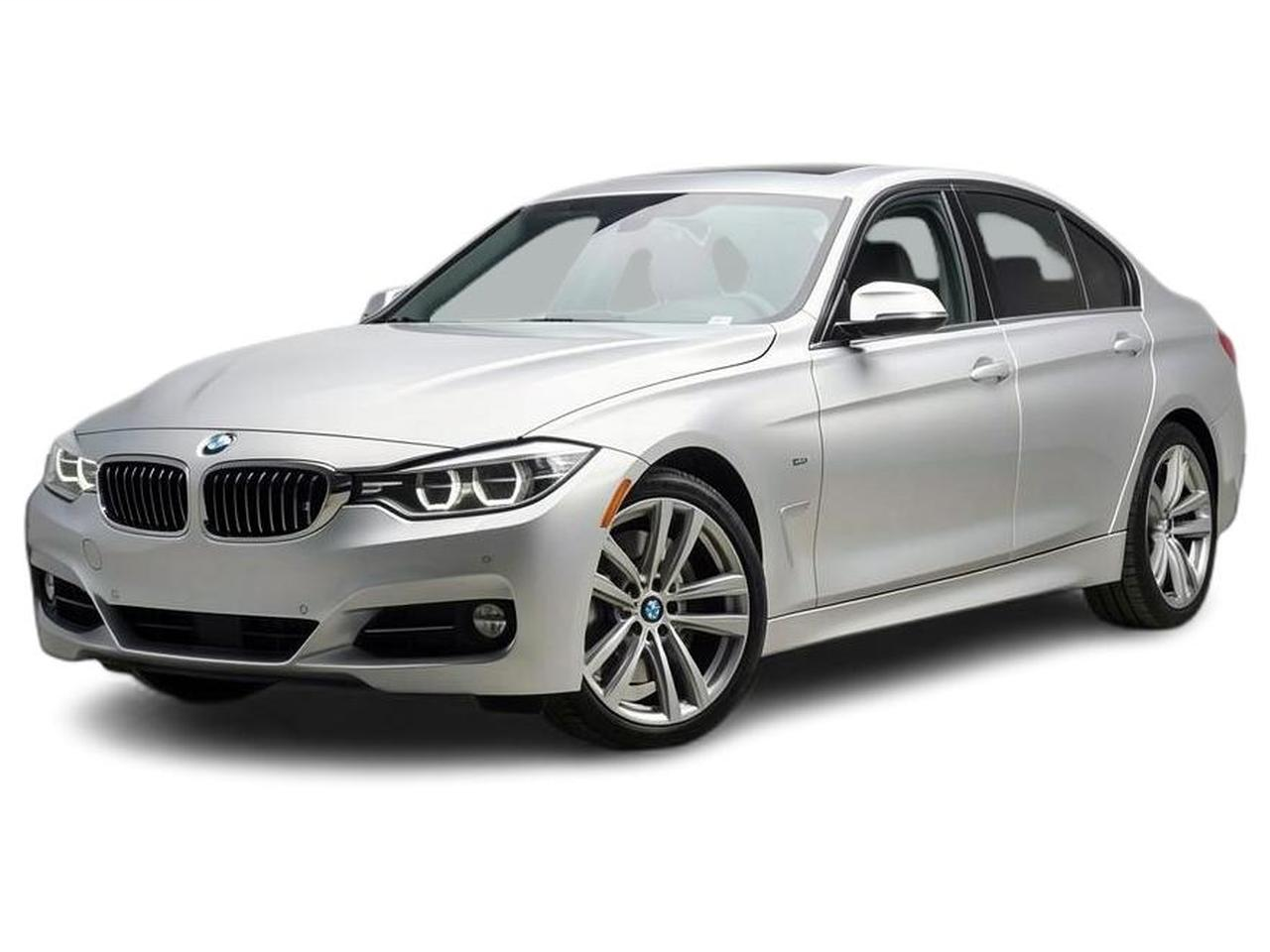
The Good
The 2017 BMW 3 Series excels with engaging performance, a refined and comfortable ride, a sophisticated design, and impressive fuel efficiency. Its balanced handling appeals to driving enthusiasts, while its premium interior and practical aspects offer value for everyday use.
The Bad
Potential weaknesses for the 2017 BMW 3 Series include higher maintenance costs compared to non-luxury brands, potential for electrical issues, and some interior materials that may not hold up as well as expected over time. Early models also faced some specific recalls.
2017 BMW 3 Series: Quick Overview
- Engine Options: The 2017 BMW 3 Series offered a range of gasoline and diesel engines.
- 320i: 2.0-liter turbocharged inline-4
- 330i (replaced 328i): 2.0-liter turbocharged inline-4
- 340i: 3.0-liter turbocharged inline-6
- 328d: 2.0-liter turbocharged inline-4 diesel
- Horsepower:
- 320i: 180 hp
- 330i: 248 hp
- 340i: 320 hp
- 328d: 180 hp
- Fuel Economy (MPG): Varies significantly by engine and drivetrain (RWD/xDrive).
- 320i: Approx. 23 city / 34 highway
- 330i: Approx. 23 city / 35 highway
- 340i: Approx. 20 city / 30 highway
- 328d: Approx. 31 city / 43 highway
- 0-60 Times:
- 320i: Around 7.1 seconds
- 330i: Around 5.5 seconds
- 340i: Around 4.7 seconds
- 328d: Around 7.4 seconds
- Towing Capacity: Not typically applicable for this vehicle class; BMW does not generally advertise towing capacity for the 3 Series sedan/wagon.
- Trim-Level Features:
- 320i: Standard features often include synthetic leather upholstery, power-adjustable front seats, automatic climate control, iDrive infotainment system with a 6.5-inch screen, Bluetooth connectivity, and keyless start.
- 330i: Adds upgraded engine, often includes features like a sunroof, LED headlights, and sportier suspension tuning.
- 340i: Features the most powerful engine, sport exhaust, upgraded brakes, and often performance-oriented interior and exterior accents.
- 328d: Focuses on diesel efficiency, offering excellent highway range, with standard features similar to the 330i but with diesel powertrain.
- Optional Features: Common options across trims include genuine leather upholstery, heated steering wheel and seats, premium sound systems, navigation, advanced driver-assistance systems (adaptive cruise control, blind-spot monitoring), heads-up display, and adaptive M suspension.
2017 BMW 3 Series Specifications
Vehicle Information
| Year | 2017 |
| Make | BMW |
| Model | 3 Series |
| Trim | - |
| Style | 320i Sedan AWD 8AT 2.0L I4 |
| Type | Sedan |
| Category | passenger |
Manufacturing Details
| Made In | Germany |
| Manufacturing City | MUNICH |
Dimensions
| Doors | 4-Door |
| Curb Weight | 3300 pounds |
| Gross Vehicle Weight Rating | - |
| Overall Height | 56.3 inches |
| Overall Length | 182.5 inches |
| Overall Width | 71.3 inches |
| Wheelbase Length | 111.4 inches |
| Standard Seating | 5 |
Engine & Performance
| Engine | 2L I4 |
| Engine Size | 2L |
| Engine Cylinders | 4 |
| Transmission | 8-Speed Automatic |
| Transmission Type | Automatic |
| Transmission Speeds | 8-Speed |
| Drivetrain | All-Wheel Drive |
Additional Features
| Anti-Brake System | 4-Wheel ABS |
| Steering Type | Rack & Pinion |
Pricing
| Manufacturer Suggested Retail Price (MSRP) | $33,500 |
| Invoice Price | $32,000 |
| Delivery Charges | $995 |
Vehicle History Report
Specifications
History
Events
History Check
Check
Check
Check
Check
Listings
Recalls
Check
Analysis
What Problems Does the 2017 BMW 3 Series Have?
Electrical gremlins are not uncommon in BMWs, and the 2017 3 Series can experience problems with various sensors, the power steering system, and even the infotainment screen malfunctioning. Leaks from the oil pan gasket and valve cover gasket are also reported as the miles increase.
Recalls for the 2017 model year did exist. Notably, there was a significant recall related to the ventilation system's blower motor, which could overheat and pose a fire risk. Another recall addressed potential issues with the fuel pump.
Regarding long-term reliability, the 3 Series can be quite dependable if meticulously maintained with regular oil changes and adherence to the manufacturer's service schedule. However, the cost of repairs for these complex German luxury vehicles can be substantial. Some owners report that the transmission, especially automatic transmissions, can become problematic after high mileage. Turbocharged engines, while powerful, also place more stress on components over time. Diesel variants (328d) are generally robust, but common-rail diesel systems can be expensive to repair if issues arise. Overall, while the driving experience is rewarding, potential buyers should be aware of the higher potential for costly repairs compared to more mainstream brands.
How long will the 2017 BMW 3 Series last?
What Technology & Safety Features are Included?
Entertainment options often included satellite radio and a premium sound system upgrade, such as Harman Kardon. For those seeking a more connected experience, BMW offered Apple CarPlay integration as an option in some configurations, though it was often a standalone feature or part of a package rather than a standard offering.
Driver-assistance and safety features were a strong point, with a range of available technologies designed to enhance safety and convenience. Standard safety equipment includes airbags, stability control, anti-lock brakes, and a rearview camera. Optional features became more extensive, with packages like the Driver Assistance Plus offering forward collision warning, automatic emergency braking, blind-spot monitoring, lane departure warning, and adaptive cruise control. Parking assistance features, such as front and rear parking sensors and an automated parking system, were also available.
In terms of crash-test ratings, the 2017 BMW 3 Series performed well. The National Highway Traffic Safety Administration (NHTSA) awarded it an overall safety rating of 5 out of 5 stars. The Insurance Institute for Highway Safety (IIHS) gave it a top rating of "Good" in its moderate overlap front, small overlap front, side, roof strength, and head restraint tests. It also received a top rating for front crash prevention when equipped with optional advanced safety features.
What Colors Options are Available?
2017 BMW 3 Series Prices and Market Value
2017 BMW 3 Series Cost of Ownership
2017 BMW 3 Series Fuel Efficiency
2017 BMW 3 Series Recalls & Defects
2017 BMW 3 Series Warranty
Free Maintenance
Basic
Rust
Roadside
Drivetrain
2017 BMW 3 Series Insurance
reasonable repair costs.
How Does the 2017 BMW 3 Series Compare to Other Sedan?
Performance: The 3 Series traditionally excelled in performance, offering a sharper, more engaging driving experience than most. Its chassis tuning and responsive engines (especially the inline-six in the 340i) set a high bar. The C-Class offered a more luxurious and comfortable ride, while the A4 provided a balanced approach. The Lexus IS often lagged slightly in raw performance but offered smooth powertrains.
Features: All competitors offered premium interiors and advanced tech. The 3 Series' iDrive system was generally considered intuitive, though Mercedes' COMAND and Audi's MMI were also strong. Availability of driver-assistance features was comparable across the board, often dependent on optional packages. BMW often led in offering the latest in driving dynamics technology.
Reliability: Historically, BMW and Mercedes-Benz have faced more reliability concerns than Japanese rivals like Lexus and Acura. The Lexus IS generally boasted superior long-term reliability and lower maintenance costs. The Acura TLX also offered a more straightforward ownership experience regarding reliability and cost. While the 3 Series is a fantastic driver, its complexity can translate to higher repair bills and potentially more frequent issues than a Lexus IS or Acura TLX.
Price: The 3 Series was often priced competitively, though options could quickly drive up the cost. The C-Class and A4 were similarly positioned. The Lexus IS and Acura TLX could sometimes offer more value for money, especially when considering total cost of ownership.
Alternatives:
- Similar Alternative: The Mercedes-Benz C-Class (W205 generation) offers a more opulent interior and a smoother ride, appealing to those prioritizing comfort over sharp dynamics. The Audi A4 (B9 generation) provides a refined experience with excellent technology and available Quattro all-wheel drive.
- More Reliable Alternative: The Lexus IS (third generation) is a strong contender if long-term reliability and lower ownership costs are paramount, without sacrificing too much in terms of luxury and driving refinement. The Acura TLX offers a good balance of features, comfort, and reliability at a potentially lower price point.
Final Verdict: Is the 2017 BMW 3 Series a Good Sedan?

Drew B
Drew is a seasoned automotive expert and contributor to VinCheck.info. With nearly 15 years of experience as a former Porsche technician, he brings a wealth of hands-on knowledge to his writing. Born in North Carolina, a region renowned for its deep-rooted NASCAR culture, Drew developed a passion for cars early in life, often building and working on vehicles from a young age. At VINCheck, Drew leverages his extensive technical background to provide in-depth analyses of various vehicles. His articles often focus on engine performance, reliability, and maintenance insights, offering readers practical information grounded in real-world experience. Some of his notable contributions include reviews on the Mazda CX-5's longevity and detailed examinations of engine options for models like the 2011 Toyota Camry and Tacoma