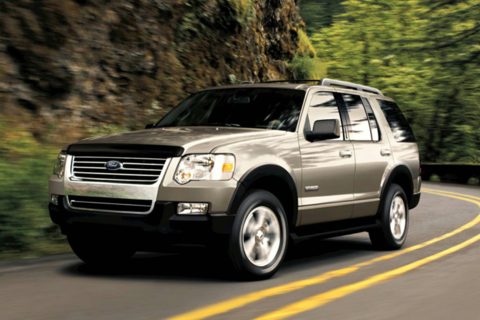
The 1992 Ford Explorer, introduced in 1990 as a 1991 model, quickly became a dominant force in the burgeoning SUV market. This mid-size SUV was available as a 2-door or 4-door model. Key trims included the popular XLT and the more luxurious Eddie Bauer. Its popularity stemmed from its car-like ride, versatile utility, and attractive styling, making it a go-to for families and adventurers alike. New pricing ranged from approximately $17,000 to $25,000.
The Good
The 1992 Explorer offered a balanced blend of capable performance with its V6 engine, comfortable ride for its class, and a rugged yet refined design. Its value proposition was strong, appealing to practical buyers with its utility and to emotional buyers with its adventurous spirit and family-friendly nature.
The Bad
Potential buyers should watch out for issues related to the rear axle, particularly the rear axle seal and potential for rear-wheel brake failure. Transmission problems and rust, especially on the frame and body panels, are also common concerns that can arise with age and mileage.
1992 Ford Explorer: Quick Overview
- Engine Options: The 1992 Ford Explorer offered two primary engine choices:
- 4.0L V6 (standard)
- 5.0L V8 (optional on some later models, though more common in subsequent years and limited for 1992) - Horsepower:
- 4.0L V6: Approximately 155-160 horsepower
- 5.0L V8 (if equipped): Approximately 200-210 horsepower - Fuel Economy:
- For the 4.0L V6, expect around 14-16 MPG city and 17-19 MPG highway, depending on drivetrain (2WD vs. 4WD). - 0-60 Times:

- With the 4.0L V6, 0-60 mph times typically ranged from 10 to 12 seconds.
- With the optional V8, this could be reduced to around 8-10 seconds. - Towing Capacity:
- Towing capacity varied based on configuration, but generally ranged from 2,000 to 5,000 pounds when properly equipped with a towing package. - Trim-Level Features:
- Base/Sport: Often featured manual windows and locks, basic cloth interior, and essential amenities.
- XLT: A popular mid-range trim, typically including power windows and locks, upgraded cloth or vinyl interior, air conditioning, cruise control, and a better stereo system.
- Eddie Bauer: The most upscale trim, offering leather upholstery, premium audio, automatic climate control, fog lamps, running boards, and unique exterior/interior badging and trim.
- All trims typically came with standard safety features for the era and could be optioned with four-wheel drive.
1992 Ford Explorer Specifications
Vehicle Information
| Year | 1992 |
| Make | Ford |
| Model | Explorer |
| Trim | - |
| Style | 2WD 4-Speed Automatic |
| Type | Sport Utility Vehicle |
| Category | Standard Sport Utility Vehicle |
Manufacturing Details
| Made In | United States |
| Manufacturing City | LOUISVILLE |
Dimensions
| Doors | 2-Door |
| Curb Weight | 4119 pounds |
| Gross Vehicle Weight Rating | 16000 pounds |
| Overall Height | 67.50 inches |
| Overall Length | 174.40 inches |
| Overall Width | 70.20 inches |
| Wheelbase Length | 102.10 inches |
| Standard Seating | 4 |
Engine & Performance
| Engine | 4.0L V6 OHV 12V |
| Engine Size | 4L |
| Engine Cylinders | 6 |
| Transmission | 4-Speed Automatic |
| Transmission Type | Automatic |
| Transmission Speeds | 4-Speed |
| Drivetrain | Four-Wheel Drive |
Additional Features
| Anti-Brake System | 2-Wheel ABS |
| Steering Type | Recirculating |
Pricing
| Manufacturer Suggested Retail Price (MSRP) | $22,159 |
| Invoice Price | - |
| Delivery Charges | - |
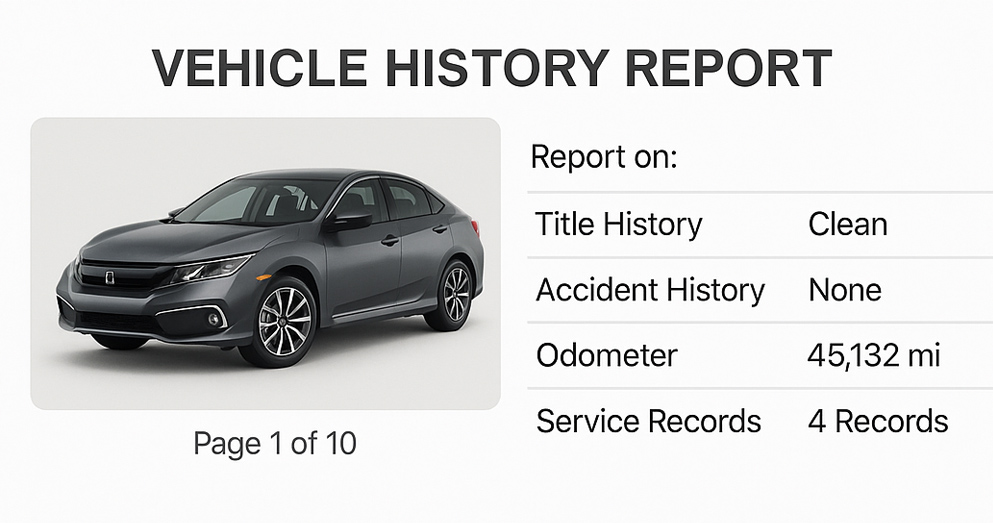
Vehicle History Report
Vehicle
Specifications
Specifications
Ownership
History
History
All History
Events
Events
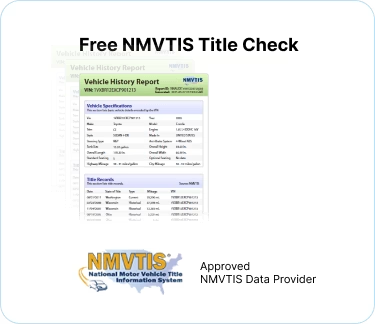
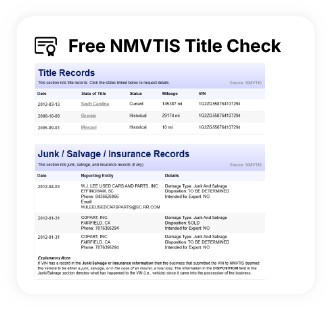
NMVTIS Title
History Check
History Check
Salvage/Rebuilt
Check
Check
Accident
Check
Check
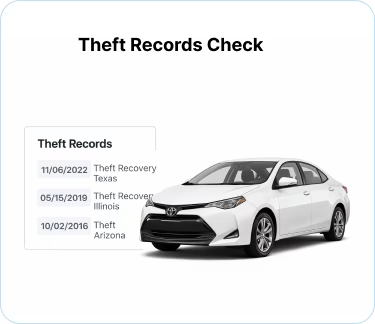
Theft
Check
Check
Open Lien
Check
Check
Past Sale
Listings
Listings
Safety
Recalls
Recalls
Odometer
Check
Check
Market Price
Analysis
Analysis
What Problems Does the 1992 Ford Explorer Have?
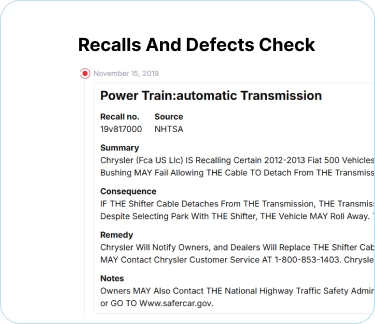
The 1992 Ford Explorer, while generally well-regarded for its era, is not without its common issues that owners should be aware of. One of the most frequently reported problems revolves around the rear axle. Specifically, the rear axle seal can leak, leading to a loss of differential fluid and potential damage if not addressed. Furthermore, some models have experienced issues with the rear wheel anti-lock braking system (ABS) and potential rear brake failure. This is a critical safety concern and should be thoroughly inspected. The transmission, particularly the automatic transmission, can also be a point of concern, with reports of slipping gears or complete failure, especially on higher mileage vehicles that haven't had regular fluid changes. Body and frame rust is another significant long-term reliability concern, particularly in rust-belt regions. The unibody construction, while contributing to a smoother ride, can be susceptible to corrosion over time, affecting structural integrity. While specific model year recalls for the 1992 model year are not as numerous as some other Ford vehicles, it is always advisable to check for any outstanding safety recalls with the VIN. Overall long-term reliability can be decent with diligent maintenance, but potential buyers should be prepared for the possibility of addressing these common wear-and-tear issues. The 4.0L V6 engine, while robust, can also develop issues like intake manifold gasket leaks and valve cover gasket leaks over time, leading to oil consumption or leaks.
How long will the 1992 Ford Explorer last?
With consistent maintenance, a 1992 Ford Explorer can reasonably be expected to reach or exceed 200,000 miles. Many owners report achieving 250,000 miles or more, especially if they prioritize regular fluid changes (engine oil, transmission fluid, differential fluid) and address any emerging mechanical issues promptly. The long-term durability is somewhat dependent on the climate; vehicles from rust-prone areas may succumb to corrosion before major mechanical failures. Key weaknesses that can limit its lifespan if neglected include the rear axle components and the automatic transmission. However, with good care, the Explorer demonstrates respectable longevity for its class and era, offering many years of service to diligent owners.
What Technology & Safety Features are Included?
The 1992 Ford Explorer, being a product of its time, offered a relatively basic set of technology, entertainment, and safety features, with a focus on practicality rather than advanced digital integration.
Technology & Entertainment: Standard entertainment typically consisted of an AM/FM radio, often with a cassette player. Higher trims, like the Eddie Bauer, could be optioned with a premium sound system, which might have included more speakers or improved sound quality for the era. An optional CD player was also a possibility on later models within this generation, though rare for the 1992 model year. Air conditioning was standard on most trims, and automatic climate control was an option on the Eddie Bauer. Power windows and door locks became increasingly common as options or standard on higher trims.
Driver-Assistance Features: Driver-assistance technologies as we know them today were virtually non-existent in 1992. Features like cruise control were available and considered a significant convenience. Anti-lock braking systems (ABS) for the rear wheels were offered as an option and became more prevalent on higher trims. Electronic shift-on-the-fly 4WD engagement was a notable technological advancement for its time.
Safety Features: Standard safety features included seat belts, and for the 1992 model year, airbags were not yet standard on most vehicles, including the Explorer. Some models might have been equipped with driver-side airbags as an optional feature, but this was not widespread. The sturdy body-on-frame construction provided a degree of passive safety.
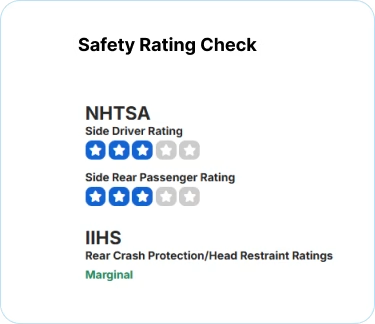
Crash-Test Ratings: Formal crash-test ratings from organizations like the NHTSA and IIHS were less standardized and publicly available in 1992 compared to modern standards. However, anecdotal evidence and the vehicle's robust construction suggest it offered reasonable safety for its contemporaries. It's important to note that without modern safety structures and airbags, its performance in severe modern-day collisions would likely be significantly lower than current SUVs.
Technology & Entertainment: Standard entertainment typically consisted of an AM/FM radio, often with a cassette player. Higher trims, like the Eddie Bauer, could be optioned with a premium sound system, which might have included more speakers or improved sound quality for the era. An optional CD player was also a possibility on later models within this generation, though rare for the 1992 model year. Air conditioning was standard on most trims, and automatic climate control was an option on the Eddie Bauer. Power windows and door locks became increasingly common as options or standard on higher trims.
Driver-Assistance Features: Driver-assistance technologies as we know them today were virtually non-existent in 1992. Features like cruise control were available and considered a significant convenience. Anti-lock braking systems (ABS) for the rear wheels were offered as an option and became more prevalent on higher trims. Electronic shift-on-the-fly 4WD engagement was a notable technological advancement for its time.
Safety Features: Standard safety features included seat belts, and for the 1992 model year, airbags were not yet standard on most vehicles, including the Explorer. Some models might have been equipped with driver-side airbags as an optional feature, but this was not widespread. The sturdy body-on-frame construction provided a degree of passive safety.
Crash-Test Ratings: Formal crash-test ratings from organizations like the NHTSA and IIHS were less standardized and publicly available in 1992 compared to modern standards. However, anecdotal evidence and the vehicle's robust construction suggest it offered reasonable safety for its contemporaries. It's important to note that without modern safety structures and airbags, its performance in severe modern-day collisions would likely be significantly lower than current SUVs.
What Colors Options are Available?
1992 Ford Explorer Prices and Market Value
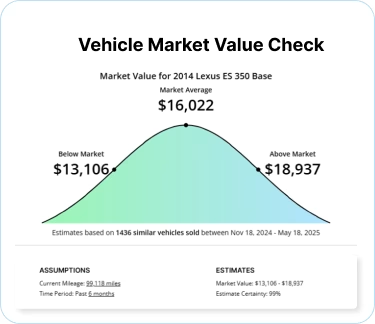
When new, the 1992 Ford Explorer had a Manufacturer's Suggested Retail Price (MSRP) that generally ranged from approximately $17,000 for base models to upwards of $25,000 for well-equipped Eddie Bauer trims. The Explorer experienced strong initial sales and held its value reasonably well in its early years due to its popularity. Today, the used market prices for a 1992 Ford Explorer are significantly lower, typically ranging from $1,000 to $4,000, with pristine, low-mileage examples commanding higher figures. Factors significantly affecting resale value include the overall condition, mileage, maintenance history, the presence of rust, and the functionality of key components like the engine and transmission. Well-maintained examples, especially those with the more desirable V6 engine and in cleaner cosmetic condition, will fetch the best prices. Depreciation has been substantial, as is typical for vehicles of this age.
1992 Ford Explorer Cost of Ownership
Ownership costs for a 1992 Ford Explorer can be moderate. Insurance rates will vary based on location, driver history, and coverage levels, but are generally not excessively high for a vehicle of this age. Fuel costs will be influenced by the V6 engine's 14-19 MPG, making it less economical than a compact car. Maintenance is relatively straightforward, with parts readily available. However, potential repairs for common issues like the rear axle or transmission can become costly, especially if neglected. Overall, while not the cheapest to fuel, its moderate parts costs and widespread availability keep it from being prohibitively expensive. With diligent maintenance, it can be a cost-effective SUV for its capabilities, though unexpected repairs can add up.
1992 Ford Explorer Fuel Efficiency
Fuel Type
Gasoline
Fuel Capacity
19.00 gallons
City Mileage
15 miles/gallon
Highway Mileage
19 miles/gallon
1992 Ford Explorer Safety Rating
NHTSA
IIHS
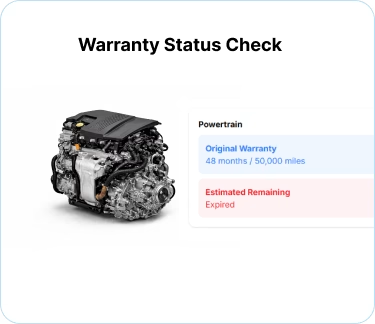
1992 Ford Explorer Warranty
Basic
Original warranty
0 months / No data
Estimated remaining
Expired
Powertrain
Original warranty
0 months / No data
Estimated remaining
Expired
Rust
Original warranty
0 months / No data
Estimated remaining
Expired
1992 Ford Explorer Insurance
Insurance for a 1992 Ford Explorer is moderately priced, reflecting its status as a Sport Utility Vehicle with strong safety ratings and
reasonable repair costs.
How Does the 1992 Ford Explorer Compare to Other Sport Utility Vehicle?
The 1992 Ford Explorer entered a competitive mid-size SUV segment dominated by rivals like the Jeep Cherokee, Chevrolet S-10 Blazer/GMC Jimmy, and Toyota 4Runner.
Performance: The Explorer's standard 4.0L V6 offered a good balance of power and refinement, often surpassing the base engines of its competitors. The optional V8 (though less common in 1992) provided even more robust performance. The Jeep Cherokee was known for its off-road prowess and nimble handling, while the Blazer/Jimmy offered a similar blend of on-road comfort and utility. The Toyota 4Runner was renowned for its durability and off-road capability, particularly in its solid-axle iterations.
Features: The Explorer, especially in XLT and Eddie Bauer trims, offered a more car-like interior and a greater array of comfort and convenience features than some of its more utilitarian rivals like the Jeep Cherokee. Its availability with features like power windows, locks, and a more refined interior design appealed to buyers seeking comfort. The Blazer/Jimmy was also competitive in features. The 4Runner, while reliable, often lagged slightly in interior amenities for its early models.
Reliability: The Toyota 4Runner generally held the crown for long-term reliability and durability. The Jeep Cherokee also had a reputation for robust mechanicals, though its interior could feel dated. The S-10 Blazer/Jimmy had a mixed reliability record, sometimes plagued by electrical issues. The Explorer's reliability was generally good, but with known weak points in the rear axle and potential transmission issues, it didn't quite match the legendary dependability of the 4Runner.
Price: The Explorer was competitively priced within its segment, offering strong value for its blend of features and capability. It often undercut some premium SUV offerings.
Alternatives:
- Similar: Chevrolet S-10 Blazer/GMC Jimmy offered a comparable experience, often at a slightly lower price point.
- Better (for reliability): Toyota 4Runner is a stronger choice if long-term mechanical longevity and off-road capability are paramount, though potentially at a higher used price.
- Better (for off-road focus): Jeep Cherokee remains an icon for off-road enthusiasts, offering a more rugged and capable platform.
The Explorer stood out by effectively bridging the gap between rugged utility and comfortable family transport, making it a highly popular choice.
Performance: The Explorer's standard 4.0L V6 offered a good balance of power and refinement, often surpassing the base engines of its competitors. The optional V8 (though less common in 1992) provided even more robust performance. The Jeep Cherokee was known for its off-road prowess and nimble handling, while the Blazer/Jimmy offered a similar blend of on-road comfort and utility. The Toyota 4Runner was renowned for its durability and off-road capability, particularly in its solid-axle iterations.
Features: The Explorer, especially in XLT and Eddie Bauer trims, offered a more car-like interior and a greater array of comfort and convenience features than some of its more utilitarian rivals like the Jeep Cherokee. Its availability with features like power windows, locks, and a more refined interior design appealed to buyers seeking comfort. The Blazer/Jimmy was also competitive in features. The 4Runner, while reliable, often lagged slightly in interior amenities for its early models.
Reliability: The Toyota 4Runner generally held the crown for long-term reliability and durability. The Jeep Cherokee also had a reputation for robust mechanicals, though its interior could feel dated. The S-10 Blazer/Jimmy had a mixed reliability record, sometimes plagued by electrical issues. The Explorer's reliability was generally good, but with known weak points in the rear axle and potential transmission issues, it didn't quite match the legendary dependability of the 4Runner.
Price: The Explorer was competitively priced within its segment, offering strong value for its blend of features and capability. It often undercut some premium SUV offerings.
Alternatives:
- Similar: Chevrolet S-10 Blazer/GMC Jimmy offered a comparable experience, often at a slightly lower price point.
- Better (for reliability): Toyota 4Runner is a stronger choice if long-term mechanical longevity and off-road capability are paramount, though potentially at a higher used price.
- Better (for off-road focus): Jeep Cherokee remains an icon for off-road enthusiasts, offering a more rugged and capable platform.
The Explorer stood out by effectively bridging the gap between rugged utility and comfortable family transport, making it a highly popular choice.
Final Verdict: Is the 1992 Ford Explorer a Good Sport Utility Vehicle?
The 1992 Ford Explorer is ideal for budget-conscious individuals or families seeking a versatile SUV with a comfortable ride and decent utility for everyday tasks and light off-roading. It's worth buying cautiously, primarily in the used market. New examples are nonexistent. Focus on well-maintained XLT or Eddie Bauer trims for better features. Thorough pre-purchase inspection is crucial, especially checking the rear axle, brakes, transmission, and for rust. If you're mechanically inclined or have access to affordable repairs and prioritize a blend of comfort and capability over cutting-edge technology or pristine reliability, the Explorer can be a solid, affordable choice. However, buyers prioritizing ultimate reliability should consider other options like the Toyota 4Runner.