The 2002 Ford E-350 is a full-size van built on Ford's heavy-duty E-Series platform, which debuted in the late 1990s and saw consistent popularity for its versatility. Available primarily as a passenger wagon or a cargo van, the E-350 was a workhorse. Key trims typically included the XL and XLT. New pricing for 2002 ranged from approximately $25,000 to $30,000 depending on configuration. Its enduring appeal lies in its robust construction, spacious interior, and considerable towing and hauling capabilities, making it a favorite for commercial use, fleet operations, and custom conversions.
The Good
The 2002 Ford E-350 excels in raw capability, offering potent engine options for towing and hauling that provide peace of mind for demanding tasks. Its durable build signifies long-term reliability, appealing to the practical buyer. For the emotional buyer, its cavernous interior offers freedom for customization and adventure, fostering a sense of capability and preparedness.

The Bad
When considering a 2002 Ford E-350, watch out for potential rust issues, particularly in the body panels and frame, especially in regions with harsh winters. Transmission problems can also arise with higher mileage. Fuel economy is inherently low, and older models may exhibit wear and tear on suspension components and interior plastics.
2002 Ford E-350: Quick Overview
- Engine Options: The 2002 Ford E-350 offered several robust engine choices to cater to various needs.
- 4.2L Triton V6: This base engine typically produced around 202 horsepower and 258 lb-ft of torque. It was more suited for lighter-duty tasks and everyday driving.
- 5.4L Triton V8: A popular mid-range option, this engine offered approximately 235 horsepower and 330 lb-ft of torque, providing a good balance of power and utility.
- 6.8L Triton V10: For maximum power and towing capability, the V10 delivered around 275 horsepower and 410 lb-ft of torque. This was the preferred choice for heavy-duty applications.
- 7.3L Power Stroke V8 Diesel: (Optional on some models, particularly heavier duty versions) This legendary diesel engine produced significant torque, often exceeding 450 lb-ft, with horsepower figures around 215 hp. It was renowned for its durability and towing prowess.

- Horsepower: Ranged from approximately 202 hp (V6) to 275 hp (V10 gasoline), with the diesel V8 offering around 215 hp.
- Fuel Economy: As a large, heavy-duty van, fuel economy was not a strong suit. Expect combined MPG figures in the 10-14 MPG range, heavily dependent on engine, load, and driving conditions.

- 0-60 Times: Precise 0-60 mph times are not commonly published for these utilitarian vehicles, but expect them to be leisurely, likely in the 10-15 second range, especially when loaded.

- Towing Capacity: The E-350 was designed for towing. Depending on configuration, engine, and towing packages, towing capacity could range from around 7,000 lbs to over 10,000 lbs, with some heavy-duty configurations potentially exceeding this.
- Trim-Level Features:
- XL Trim: Typically the base model, focusing on essential functionality. Standard features often included vinyl seating, basic instrumentation, and durable interior materials. Options might include air conditioning and an AM/FM stereo.
- XLT Trim: Offered a step up in comfort and convenience. Standard features often included upgraded cloth or vinyl seating, tinted windows, cruise control, and a more premium sound system. Optional features could include power windows and locks, and captain's chairs for passenger models.
- Body Styles: Available as a passenger van (wagon) or a cargo van, with various wheelbase lengths offered to suit different needs.
2002 Ford E-350 Specifications
Vehicle Information
| Year | 2002 |
| Make | Ford |
| Model | E-350 |
| Trim | - |
| Style | - |
| Type | Van |
| Category | Cargo Van |
Manufacturing Details
| Made In | United States |
| Manufacturing City | LORAIN |
Dimensions
| Doors | 3-Door |
| Curb Weight | 5616 pounds |
| Gross Vehicle Weight Rating | 9400 pounds |
| Overall Height | 84.10 inches |
| Overall Length | 231.90 inches |
| Overall Width | 79.30 inches |
| Wheelbase Length | 138.00 inches |
| Standard Seating | 2 |
Engine & Performance
| Engine | 5.4L V8 |
| Engine Size | 5.4L |
| Engine Cylinders | 8 |
| Transmission | 4-Speed Automatic |
| Transmission Type | Automatic |
| Transmission Speeds | 4-Speed |
| Drivetrain | Rear-Wheel Drive |
Additional Features
| Anti-Brake System | 4-Wheel ABS |
| Steering Type | Recirculating |
Pricing
| Manufacturer Suggested Retail Price (MSRP) | $25,805 |
| Invoice Price | $22,647 |
| Delivery Charges | $715 |
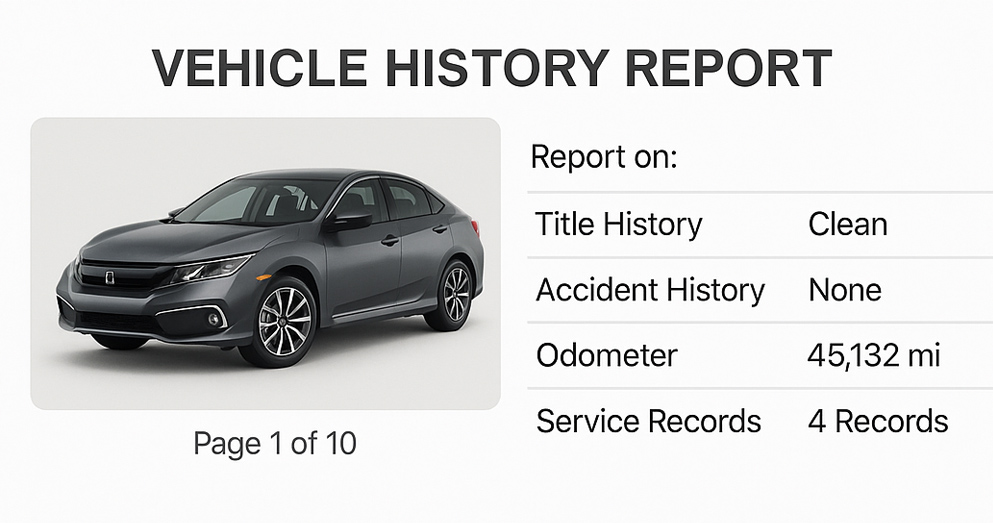
Vehicle History Report
Vehicle
Specifications
Specifications
Ownership
History
History
All History
Events
Events
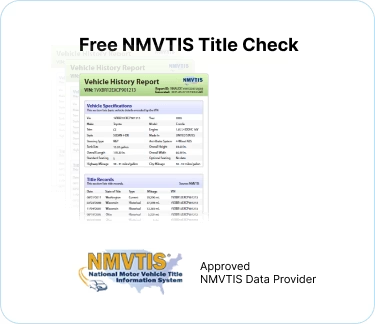
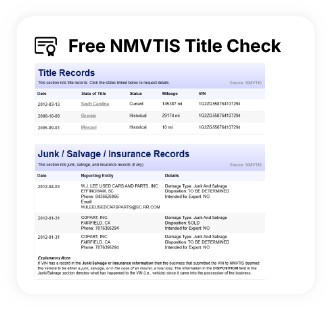
NMVTIS Title
History Check
History Check
Salvage/Rebuilt
Check
Check
Accident
Check
Check
Theft
Check
Check
Open Lien
Check
Check
Past Sale
Listings
Listings
Safety
Recalls
Recalls
Odometer
Check
Check
Market Price
Analysis
Analysis
What Problems Does the 2002 Ford E-350 Have?
The 2002 Ford E-350, like many vehicles of its age and class, has a history of reported issues that owners should be aware of. One of the most common concerns revolves around the transmission. Issues such as slipping, harsh shifting, or complete failure can occur, especially in models with high mileage or those that have been used for heavy towing without proper maintenance. The 4R70W and 5R110W transmissions, depending on the specific engine and drivetrain, are known to require regular fluid changes and cooling system maintenance to prevent premature wear.
Engine problems can also arise. For gasoline engines, spark plug blowouts were a known issue on some Triton V8 engines in earlier model years, though this may be less prevalent by 2002. Overheating can also be a concern, often linked to radiator leaks or worn water pumps. The 7.3L Power Stroke diesel, while generally very robust, can suffer from issues related to the Power Stroke fuel injection system, such as injector problems or failing glow plugs, especially with age and lack of consistent maintenance.
Rust and corrosion are significant long-term concerns, particularly for E-350s operating in areas with road salt or high humidity. Areas prone to rust include the frame rails, rocker panels, wheel wells, and floor pans. Addressing rust early is crucial to prevent structural integrity issues. Suspension components, such as ball joints and tie rods, can also wear out over time due to the van's weight and usage.
Electrical issues are not uncommon in older vehicles. Problems with the alternator, battery, or wiring harnesses can lead to various malfunctions. Dashboard warning lights or non-functional accessories can be indicators of such issues.
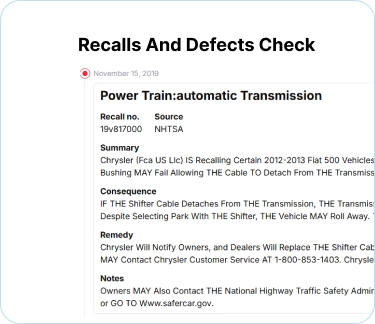
While there are no widespread, catastrophic recalls specifically for the 2002 model year that stand out as a defining flaw, it is always advisable to check for any outstanding recalls with Ford's VIN lookup tool. Overall long-term reliability is generally considered good if the vehicle has been meticulously maintained, but potential buyers should be prepared for the possibility of repairs common to heavy-duty vehicles of this era.
Engine problems can also arise. For gasoline engines, spark plug blowouts were a known issue on some Triton V8 engines in earlier model years, though this may be less prevalent by 2002. Overheating can also be a concern, often linked to radiator leaks or worn water pumps. The 7.3L Power Stroke diesel, while generally very robust, can suffer from issues related to the Power Stroke fuel injection system, such as injector problems or failing glow plugs, especially with age and lack of consistent maintenance.
Rust and corrosion are significant long-term concerns, particularly for E-350s operating in areas with road salt or high humidity. Areas prone to rust include the frame rails, rocker panels, wheel wells, and floor pans. Addressing rust early is crucial to prevent structural integrity issues. Suspension components, such as ball joints and tie rods, can also wear out over time due to the van's weight and usage.
Electrical issues are not uncommon in older vehicles. Problems with the alternator, battery, or wiring harnesses can lead to various malfunctions. Dashboard warning lights or non-functional accessories can be indicators of such issues.
While there are no widespread, catastrophic recalls specifically for the 2002 model year that stand out as a defining flaw, it is always advisable to check for any outstanding recalls with Ford's VIN lookup tool. Overall long-term reliability is generally considered good if the vehicle has been meticulously maintained, but potential buyers should be prepared for the possibility of repairs common to heavy-duty vehicles of this era.
How long will the 2002 Ford E-350 last?
The 2002 Ford E-350 is built with durability in mind, and with regular maintenance, these vans can achieve impressive mileage. Many owners report their E-350s continuing to serve well beyond 200,000 miles, with some reaching or even exceeding 300,000 miles. The inherent robustness of the chassis and drivetrain contributes to this longevity. However, this durability is directly tied to consistent maintenance. Neglecting fluid changes (engine oil, transmission fluid, coolant, differential fluid), failing to address minor issues promptly, and infrequent lubrication of chassis components can significantly shorten its service life. The primary weaknesses that emerge over time are usually related to rust, suspension wear (ball joints, tie rods), and potential transmission issues, particularly if subjected to heavy loads or abuse. The 7.3L Power Stroke diesel, if maintained, is known for exceptional longevity, often outlasting the gasoline counterparts.
What Technology & Safety Features are Included?
The 2002 Ford E-350 was primarily designed as a functional work vehicle or passenger transport, so its built-in technology, entertainment, and driver-assistance features were relatively basic compared to modern standards. The focus was on utility and reliability rather than cutting-edge electronics.
Standard Technology and Entertainment: For the 2002 model year, standard entertainment typically consisted of an AM/FM radio. Higher trims like the XLT might have offered an AM/FM stereo with a cassette player or even a single-disc CD player. Speakers were usually positioned in the dashboard or front doors. Air conditioning was often standard on passenger models and an option on cargo vans. Power windows and door locks were typically optional, particularly on the XL trim, and more common on the XLT.
Driver-Assistance Features: Driver-assistance technology was virtually non-existent in the 2002 E-350. Features like cruise control were available, often as an option on lower trims and standard on higher ones. Anti-lock brakes (ABS) were typically standard on all models, a crucial safety feature for a heavy vehicle. Parking sensors or rearview cameras were not offered.
Safety Features: Standard safety features included front airbags for the driver and front passenger. Seatbelts were, of course, standard. The robust construction of the E-350 provided a strong safety cage. However, advanced safety systems like electronic stability control (ESC) or traction control were not available on this model year.
Optional Features: Beyond the aforementioned features, optional equipment could include upgraded audio systems, captain's chairs for passenger models, rear climate control, and heavy-duty towing packages which included features like integrated trailer brake controllers and transmission coolers. For cargo vans, specialized shelving and work-ready interiors could be optioned.
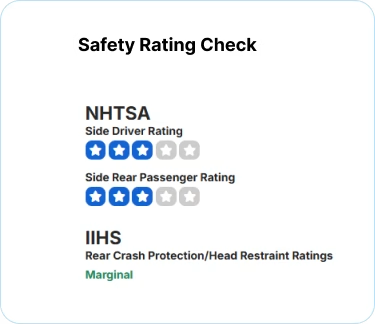
Crash-Test Ratings: Obtaining definitive, standardized crash-test ratings for commercial vans like the 2002 Ford E-350 from agencies like the NHTSA or IIHS can be challenging. These types of vehicles were often tested differently, or not tested at all in the same way as passenger cars. However, the E-350's construction generally provided a solid structure. The lack of advanced electronic safety systems means its performance in modern crash scenarios would be less favorable than contemporary vehicles equipped with such technologies.
What Colors Options are Available?
2002 Ford E-350 Prices and Market Value
When new, the 2002 Ford E-350 carried a Manufacturer's Suggested Retail Price (MSRP) typically ranging from approximately $25,000 for a base cargo van with a V6 engine to over $30,000 for a well-equipped XLT passenger wagon with a V8 or V10. Specialized configurations or diesel models could push the price higher.
Currently, used 2002 Ford E-350 prices vary significantly based on condition, mileage, configuration (cargo vs. passenger, wheelbase), and engine. Expect prices to range anywhere from $2,000 to $10,000 or more.
Depreciation for the E-350 is generally steep in the first few years, common for commercial vehicles. However, after the initial drop, its resale value tends to stabilize due to its enduring utility. Factors affecting resale value include its overall condition (mechanical and cosmetic), maintenance history, presence of rust, mileage, and the desirability of its configuration (e.g., a cargo van with a clean interior and a sought-after engine like the 7.3L diesel will hold value better than a high-mileage passenger van with cosmetic issues).
Currently, used 2002 Ford E-350 prices vary significantly based on condition, mileage, configuration (cargo vs. passenger, wheelbase), and engine. Expect prices to range anywhere from $2,000 to $10,000 or more.
Depreciation for the E-350 is generally steep in the first few years, common for commercial vehicles. However, after the initial drop, its resale value tends to stabilize due to its enduring utility. Factors affecting resale value include its overall condition (mechanical and cosmetic), maintenance history, presence of rust, mileage, and the desirability of its configuration (e.g., a cargo van with a clean interior and a sought-after engine like the 7.3L diesel will hold value better than a high-mileage passenger van with cosmetic issues).
2002 Ford E-350 Cost of Ownership
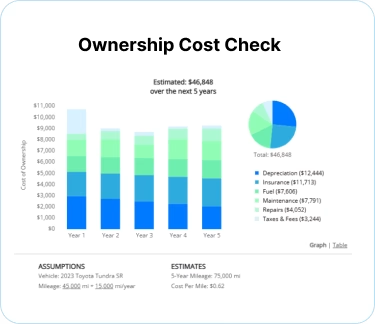
Owning a 2002 Ford E-350 can be economical for its intended purpose but costly in absolute terms. Insurance costs will vary based on usage (personal vs. commercial), driver history, and coverage levels, but expect it to be higher than a typical passenger car. Fuel costs are a significant factor due to its poor fuel economy, especially with V8 or V10 engines. Maintenance, while crucial for longevity, involves standard costs for oil changes, filters, and tires, but may be higher for specialized parts. Repair costs can be substantial, particularly for transmission or engine work, though parts are generally readily available. Overall, it's not an economical vehicle for the budget-conscious daily commuter, but its value for work and hauling can outweigh its ownership costs.
2002 Ford E-350 Fuel Efficiency
Fuel Type
Gasoline
Fuel Capacity
35.00 gallons
City Mileage
-
Highway Mileage
-
2002 Ford E-350 Safety Rating
NHTSA
IIHS
2002 Ford E-350 Warranty
Basic
Original warranty
36 months / 36,000 miles
Estimated remaining
Expired
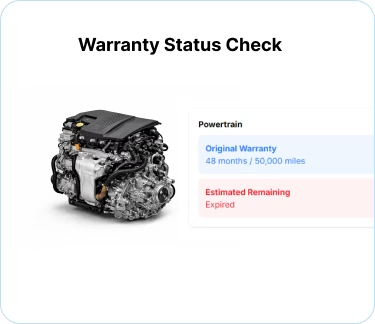
Powertrain
Original warranty
36 months / 36,000 miles
Estimated remaining
Expired
Rust
Original warranty
60 months / unlimited miles
Estimated remaining
Expired
2002 Ford E-350 Insurance
Insurance for a 2002 Ford E-350 is moderately priced, reflecting its status as a Van with strong safety ratings and
reasonable repair costs.
How Does the 2002 Ford E-350 Compare to Other Van?
The 2002 Ford E-350 competed primarily against other full-size vans such as the Chevrolet Express/GMC Savana twins and the Dodge Ram Van. In terms of performance, the E-350 generally offered competitive engine options, particularly its robust V10 and the highly regarded 7.3L Power Stroke diesel, which often provided superior torque and towing capability compared to gasoline-only rivals. The Chevy/GMC twins offered comparable V8 power, and the Dodge Ram Van also had V8 options, though its diesel offerings were less prevalent by this era.
Regarding features, the E-350, like its competitors, was utilitarian. While offering different trim levels (XL, XLT), the focus was on functionality. Features like power accessories, upgraded audio, and better seating were available but not as advanced or abundant as in later model years or luxury vehicles. The Ford and its GM rivals were generally quite similar in their feature sets for this generation.
Reliability is a mixed bag for all vehicles in this class from this era. The Ford E-series, especially with the 7.3L diesel, has a strong reputation for durability. However, gasoline engines and transmissions could be points of concern, similar to the Chevrolet Express and Dodge Ram Van. Rust was a common enemy for all of them, especially in certain climates.
In terms of price, the 2002 E-350 was competitively priced against the Express/Savana and Ram Van. Used prices today reflect their age and condition, with the E-350 often holding its value well if maintained, especially diesel variants.
Alternatives:
- Chevrolet Express/GMC Savana: Very similar in concept and capability. Reliability is generally comparable, with some preferring the GM powertrain options.
- Dodge Ram Van: Often seen as a more basic option, though it served its purpose well. Less common on the used market compared to Ford and GM.
- Mercedes-Benz Sprinter: If a more modern design, better fuel economy (diesel), and a more refined ride are desired, though significantly more expensive new and on the used market. It offers a different, often taller, body style.
Final Verdict: Is the 2002 Ford E-350 a Good Van?
The 2002 Ford E-350 is ideal for individuals or businesses needing a robust, versatile, and capable vehicle for hauling cargo, transporting multiple passengers, or serving as a base for custom conversions like campers or service vehicles. It's a practical choice for those prioritizing function and durability over modern amenities and fuel efficiency.
Whether it's worth buying largely depends on its condition and price. As a used vehicle, it can be an excellent value if acquired at a fair price and if it has been well-maintained, particularly if it features the desirable 7.3L Power Stroke diesel engine. However, thorough inspection for rust and mechanical soundness is paramount. Buying a used E-350 is significantly more practical than searching for a new one, as they are no longer produced. Specific trims like the XLT offer more comfort for passenger use, while cargo versions are best for work. Given its age, expect ongoing maintenance and potential repairs.