
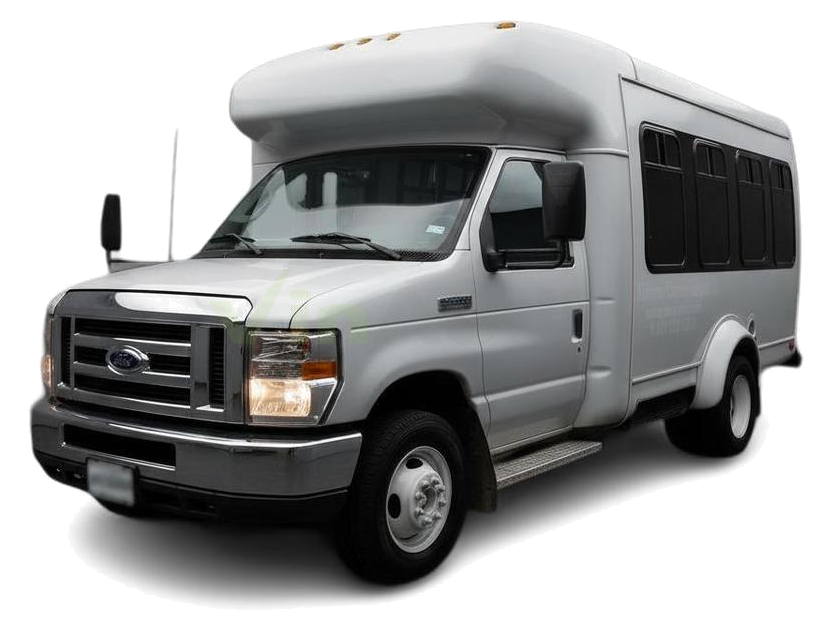
The 2011 Ford E-350 is a highly capable full-size van, part of a lineage known for its robust utility and versatility. Produced across many model years, it's offered primarily as a cargo van or passenger wagon. Key trims typically include XL and XLT. New pricing varied widely based on configuration, but used models generally range from $8,000 to $20,000. Its enduring popularity stems from its immense hauling capacity, customizable interior, and legendary Ford toughness, making it a favorite for businesses and conversion projects.
The Good
The 2011 E-350 excels in raw capability and dependable performance, offering a powerful workhorse that inspires confidence. Its spacious and practical design prioritizes utility, while its proven reliability offers peace of mind. For practical buyers, its immense value as a tool for business or family adventures is undeniable.
The Bad
Potential buyers should be aware of its dated interior technology and comfort features compared to modern vehicles. Fuel economy is also a significant drawback. Additionally, watch out for signs of heavy commercial use, such as excessive wear and tear on the powertrain and suspension, and potential rust issues on older models.
2011 Ford E-350: Quick Overview
- Engine Options: The 2011 Ford E-350 was typically offered with two primary engine choices:
- 4.6L Triton V8
- 5.4L Triton V8
- Optional 6.8L Triton V10 (often found in heavier duty applications or custom builds)
- Horsepower:
- 4.6L V8: Approximately 225-230 horsepower
- 5.4L V8: Approximately 255-260 horsepower
- 6.8L V10: Approximately 305 horsepower
- Fuel Economy: Expect very modest fuel economy, generally in the range of 10-14 MPG combined, heavily dependent on engine choice, payload, and driving conditions. There were no official EPA estimates for 0-60 times, as this was not a performance metric for this utility vehicle.
- Towing Capacity: The towing capacity varied significantly based on configuration, axle ratio, and engine. Properly equipped E-350 models could tow upwards of 10,000 pounds, and some heavy-duty configurations could exceed this significantly.
- Trim-Level Features (XL):
- Basic interior
- Vinyl or cloth seats
- Standard sound system
- 16-inch steel wheels
- Essential safety features
- Trim-Level Features (XLT - often an upgrade package):
- Upgraded interior materials
- Power windows and locks
- Cruise control
- Enhanced audio system
- Chrome grille and bumpers
- Often available with captain's chairs in passenger versions
- Body Styles: Available as a Cargo Van (two-seater) or a Passenger Wagon (up to 15 occupants).
2011 Ford E-350 Specifications
Vehicle Information
| Year | 2011 |
| Make | Ford |
| Model | E-350 |
| Trim | - |
| Style | - |
| Type | Van |
| Category | Heavy Truck Heavy Truck |
Manufacturing Details
| Made In | United States |
| Manufacturing City | AVON LAKE |
Dimensions
| Doors | - |
| Curb Weight | 5729 pounds |
| Gross Vehicle Weight Rating | 9500 pounds |
| Overall Height | 83.60 inches |
| Overall Length | 236.40 inches |
| Overall Width | 79.40 inches |
| Wheelbase Length | 138.00 inches |
| Standard Seating | 2 |
Engine & Performance
| Engine | 6.8-L V10 SOHC 20V |
| Engine Size | 6.8L |
| Engine Cylinders | 8 |
| Transmission | 4-Speed Automatic |
| Transmission Type | Automatic |
| Transmission Speeds | 4-Speed |
| Drivetrain | Rear-Wheel Drive |
Additional Features
| Anti-Brake System | 4-Wheel ABS |
| Steering Type | Recirculating |
Pricing
| Manufacturer Suggested Retail Price (MSRP) | $30,885 |
| Invoice Price | $28,452 |
| Delivery Charges | $980 |
Vehicle History Report
Vehicle
Specifications
Specifications
Ownership
History
History
All History
Events
Events
NMVTIS Title
History Check
History Check
Salvage/Rebuilt
Check
Check
Accident
Check
Check
Theft
Check
Check
Open Lien
Check
Check
Past Sale
Listings
Listings
Safety
Recalls
Recalls
Odometer
Check
Check
Market Price
Analysis
Analysis
What Problems Does the 2011 Ford E-350 Have?
The 2011 Ford E-350, while generally considered a robust and reliable vehicle, does have some common issues that owners have reported over the years. One prevalent concern revolves around the transmission, particularly the 5R110W automatic transmission. Some owners have experienced premature wear, harsh shifting, or complete failure, often related to fluid leaks or inadequate cooling. Regular transmission fluid changes and maintenance are crucial to mitigate this risk. Another area to watch for is the cooling system; leaks from the radiator, hoses, or water pump can occur, leading to overheating if not addressed promptly. The rear axle seals are also known to sometimes develop leaks, which can lead to differential fluid loss and potential damage if ignored. Fuel injectors on the V8 engines, especially the 5.4L, can sometimes become clogged or fail, leading to rough idling, misfires, and reduced power. Ignition coils can also be a source of misfires. Regarding recalls, it's always advisable to check the National Highway Traffic Safety Administration (NHTSA) website for any specific recalls related to the 2011 E-350 model year. These can range from potential airbag issues to braking system components. Long-term reliability is generally good if the vehicle has been regularly maintained and not subjected to extreme commercial abuse. However, like any vehicle of this age and type, expect some wear and tear on suspension components, brakes, and exhaust systems over time. The body, particularly in rust-prone areas like wheel wells and rocker panels, should be inspected if the vehicle has been used in harsh climates.
How long will the 2011 Ford E-350 last?
The 2011 Ford E-350 is built with durability in mind and is known for its longevity. With consistent, routine maintenance, including oil changes, transmission fluid flushes, and regular inspections, these vans can easily surpass 200,000 miles and often reach 300,000 miles or more. Owner data suggests that vehicles used for less strenuous purposes, like passenger transport or light cargo, tend to fare better long-term. Weaknesses that may emerge over time include typical wear on suspension components, potential for rust in certain climates, and the aforementioned transmission and cooling system concerns if maintenance is neglected. However, the core powertrain is robust, making it a dependable option for extended service life.
What Technology & Safety Features are Included?
The 2011 Ford E-350 represents a functional approach to technology, prioritizing utility over cutting-edge infotainment. Built-in tech is generally basic, with standard features including an AM/FM stereo and perhaps a single-CD player. Optional upgrades could include a more advanced sound system with more speakers, and in some higher trims or with specific packages, an auxiliary audio input jack. Bluetooth connectivity and touchscreen infotainment systems, common in modern vehicles, are not typically found on the 2011 E-350. Driver-assistance features are also minimal; this era of E-350 predates the widespread adoption of features like rearview cameras, parking sensors, or advanced cruise control. However, anti-lock braking systems (ABS) were standard, contributing to safety by providing controlled braking during emergency situations. For passenger versions, seatbelts for all occupants were, of course, a primary safety feature. As for crash-test ratings, vans like the E-350 are not typically subjected to the same rigorous frontal and side-impact crash tests as passenger cars and SUVs by organizations like the IIHS or NHTSA. Their larger, heavier, and more utilitarian design inherently offers a degree of passive safety. However, specific ratings for the 2011 model year are scarce, and it's important to manage expectations regarding advanced safety technologies and comprehensive crashworthiness data when considering this vehicle.
What Colors Options are Available?
2011 Ford E-350 Prices and Market Value
When new, the 2011 Ford E-350 had a Manufacturer's Suggested Retail Price (MSRP) that varied significantly based on configuration, engine, and trim level, typically ranging from the mid-$20,000s for a base cargo van to upwards of $40,000 for a fully optioned passenger wagon. The E-350 experiences a moderate rate of depreciation, as is common for commercial-oriented vehicles. Current used market prices for a 2011 Ford E-350 generally fall between $8,000 and $20,000, heavily influenced by mileage, condition, maintenance history, and specific equipment. Factors affecting resale value include overall wear and tear, rust presence (especially in northern climates), the number of previous owners, and whether it was used commercially or privately. Well-maintained, lower-mileage examples command higher prices.
2011 Ford E-350 Cost of Ownership
Owning a 2011 Ford E-350 can be moderately costly, primarily due to its fuel consumption and potential repair needs. Insurance costs will vary based on usage (commercial vs. personal) and driver history, but generally fall within average ranges for a van of its size. Fuel expenses are significant, with the V8 engines offering low MPG. Maintenance requires diligent attention, especially to fluids and filters. Repairs, particularly for transmission or engine issues, can be substantial. Overall, it is not an economical vehicle to own in terms of running costs, but its value as a workhorse or utility vehicle can outweigh these expenses for many owners.
2011 Ford E-350 Fuel Efficiency
Fuel Type
Gasoline
Fuel Capacity
33.00 gallons
City Mileage
10 miles/gallon
Highway Mileage
14 miles/gallon
2011 Ford E-350 Safety Rating
NHTSA
2011 Ford E-350 Warranty
Basic
Original warranty
36 months / 36,000 miles
Estimated remaining
Expired
Powertrain
Original warranty
60 months / 60,000 miles
Estimated remaining
Expired
Rust
Original warranty
60 months / unlimited miles
Estimated remaining
Expired
2011 Ford E-350 Insurance
Insurance for a 2011 Ford E-350 is moderately priced, reflecting its status as a Van with strong safety ratings and
reasonable repair costs.
How Does the 2011 Ford E-350 Compare to Other Van?
In the 2011 full-size van segment, the Ford E-350 squared off primarily against rivals like the Chevrolet Express/GMC Savana twins and, to a lesser extent, the Mercedes-Benz Sprinter (though the Sprinter typically occupied a higher price point and niche). In terms of raw performance and towing capacity, the E-350 with its optional V8 or V10 engines offered robust power for heavy-duty tasks, often exceeding the base engines of the GM twins. Features were where the E-350 showed its age; its interior was utilitarian and lacked the modern amenities and advanced driver aids found even in contemporary passenger vehicles, let alone the more modern and often European-designed Sprinter. The Chevrolet Express and GMC Savana offered a similar no-frills, work-oriented experience, with comparable V8 engine options and a focus on utility. Reliability is a mixed bag; Ford's E-Series has a long history of durability, but specific issues like transmission wear can arise. The GM twins also have a reputation for toughness but can suffer from electrical gremlins and exhaust manifold issues. The Mercedes-Benz Sprinter, while expensive, offered superior fuel economy, a more refined driving experience, and greater cargo volume, but at a significantly higher upfront cost and potentially higher maintenance expenses. For buyers prioritizing sheer hauling power and ruggedness at a competitive price, the E-350 was a strong contender. However, if modern features, better fuel efficiency, or a more refined ride were important, alternatives like a used Mercedes-Benz Sprinter (though pricier) or even some of the larger Ford Transit models (if available in that year) might be considered for a more contemporary feel, albeit with different strengths and weaknesses.
Final Verdict: Is the 2011 Ford E-350 a Good Van?

The 2011 Ford E-350 is an excellent choice for individuals or businesses requiring a no-nonsense, heavy-duty workhorse for hauling cargo, towing, or transporting a large number of people. It's ideal for tradespeople, fleet operators, RV conversion enthusiasts, or large families needing maximum utility. It is definitely worth buying if you prioritize ruggedness, raw power, and a proven platform over modern creature comforts and fuel efficiency. Buying used is the only realistic option now. Look for well-maintained examples, preferably those with documented service history and without signs of extreme commercial abuse. Specific trims like the XLT might offer a slightly more comfortable interior for passenger versions, but the core utility remains across the board. It's a value proposition for its intended purpose.