
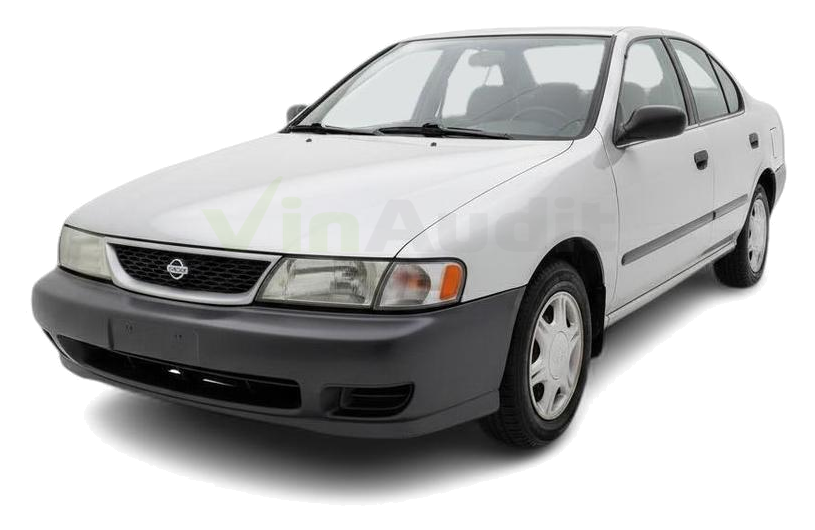
The Good
The 1998 Sentra offered a reliable and fuel-efficient powertrain, delivering dependable transportation. Its straightforward design appealed to practical buyers, while its agile handling and surprisingly peppy optional engine in the SE trim offered a touch of driving enjoyment, providing a good value proposition.
The Bad
Potential buyers should watch out for rust, especially on the lower body panels and wheel arches. Interior materials can show wear and tear, and some owners reported issues with the power window regulators and the clutch in manual transmissions.
1998 Nissan Sentra: Quick Overview
- Engine Options: The 1998 Nissan Sentra offered two primary engine choices:
- A 1.6-liter inline-4 cylinder engine (GA16DE)
- A 2.0-liter inline-4 cylinder engine (SR20DE) - exclusive to the SE trim.
- Horsepower:
- 1.6L engine: Approximately 115 horsepower
- 2.0L engine: Approximately 140 horsepower
- Fuel Economy:
- The 1.6L engine typically achieved around 27-30 MPG in the city and 33-37 MPG on the highway, varying slightly with transmission type (manual or automatic).
- The more powerful 2.0L engine offered slightly lower fuel economy, generally in the range of 24-27 MPG city and 30-33 MPG highway.
- 0-60 Times:
- With the 1.6L engine, 0-60 mph times were generally in the 10-12 second range.
- The SE model with the 2.0L engine could achieve 0-60 mph in approximately 8-9 seconds, offering a sportier performance.
- Towing Capacity: The 1998 Nissan Sentra was not designed for towing. It has no official towing capacity.
- Trim-Level Features:
- XE (Base): Typically came with standard power steering, intermittent wipers, and an AM/FM stereo. Air conditioning and power windows/locks were often optional.
- GXE: Added features like air conditioning, power windows, power door locks, cruise control, and body-colored side moldings. Optional features could include a power sunroof and upgraded audio systems.
- SE (Sport Edition): Featured the more powerful 2.0L engine, sport-tuned suspension, alloy wheels, a rear spoiler, and typically included most of the GXE's features as standard, along with sportier interior accents.
1998 Nissan Sentra Specifications
Vehicle Information
| Year | 1998 |
| Make | Nissan |
| Model | Sentra |
| Trim | - |
| Style | XE Sedan FWD 5MT 1.6L I4 |
| Type | Sedan |
| Category | passenger |
Manufacturing Details
| Made In | Mexico |
| Manufacturing City | AGUASCALIENTES CITY |
Dimensions
| Doors | 4-Door |
| Curb Weight | 2500 pounds |
| Gross Vehicle Weight Rating | - |
| Overall Height | 55.5 inches |
| Overall Length | 174.8 inches |
| Overall Width | 66.7 inches |
| Wheelbase Length | 96.5 inches |
| Standard Seating | 5 |
Engine & Performance
| Engine | 1.6L I4 |
| Engine Size | 1.6L |
| Engine Cylinders | 4 |
| Transmission | 5-Speed Manual |
| Transmission Type | Manual |
| Transmission Speeds | 5-Speed |
| Drivetrain | Front-Wheel Drive |
Additional Features
| Anti-Brake System | 4-Wheel ABS |
| Steering Type | Rack & Pinion |
Pricing
| Manufacturer Suggested Retail Price (MSRP) | $13,999 |
| Invoice Price | $12,800 |
| Delivery Charges | $550 |
Vehicle History Report
Specifications
History
Events
History Check
Check
Check
Check
Check
Listings
Recalls
Check
Analysis
What Problems Does the 1998 Nissan Sentra Have?
The electrical system, while not a major epidemic, can present minor glitches. Issues with power window regulators failing to operate, door lock actuators malfunctioning, and occasional problems with the instrument cluster illumination have been reported. The clutch assembly on manual transmission models can also wear out over time, requiring replacement.
In terms of body and chassis, rust is a significant long-term concern, particularly in regions with harsh winters and road salt. The rear wheel arches, rocker panels, and subframes are common areas where rust can develop, potentially compromising structural integrity.
While there were no widespread, major recalls that dramatically impacted the 1998 Sentra's reputation, it's always advisable to check for any outstanding manufacturer recalls with the VIN. Generally, the 1998 Sentra's reliability is tied to its maintenance history. Vehicles that have been regularly serviced and cared for tend to exhibit fewer major issues. However, the inherent wear and tear on components common to any car of this age means that potential buyers should be prepared for the possibility of addressing some of these common problems.
How long will the 1998 Nissan Sentra last?
What Technology & Safety Features are Included?
Entertainment: Standard entertainment typically included an AM/FM radio with a cassette player. Higher trim levels, like the GXE and SE, might have featured an optional CD player, which was becoming more common. Speaker count and quality were generally entry-level, focusing on core functionality rather than premium audio experiences.
Technology: Advanced technology was minimal. Features like power windows and power door locks were increasingly standard on mid-level trims but were often optional on the base model. Cruise control was available on higher trims. The instrument cluster provided essential readouts like speed, RPM, fuel level, and engine temperature.
Driver-Assistance Features: Driver-assistance technologies as we know them today were virtually non-existent. Anti-lock Braking System (ABS) was often an optional feature, particularly on higher trims, and was not universally equipped. Traction control was not available.
Safety Features: Standard safety equipment included front airbags for the driver and passenger. Seat belts were three-point belts in the front and rear. Crumple zones were designed into the body structure to absorb impact energy.
Crash-Test Ratings: The 1998 Nissan Sentra was tested by the National Highway Traffic Safety Administration (NHTSA). For side-impact protection, it received four out of five stars for both front and rear passengers. For frontal-offset crash tests conducted by the Insurance Institute for Highway Safety (IIHS), it generally performed adequately for its class and era, though results may vary based on specific test conditions and year. It's important to note that crash test standards and methodologies have evolved significantly since 1998.
What Colors Options are Available?
1998 Nissan Sentra Prices and Market Value
In the current used market (as of early 2024), prices for a 1998 Sentra can vary widely but generally fall between $1,500 and $4,000. This price is heavily influenced by mileage, condition, maintenance history, and the specific trim level.
The Sentra has experienced significant depreciation, as is typical for vehicles of this age. Factors affecting its resale value include its reputation for reliability (which can still be positive for well-maintained examples), its fuel efficiency, and its status as an economical transportation option. However, rust damage, high mileage, and a lack of service records can dramatically reduce its value. Well-preserved, low-mileage examples, particularly in the SE trim, may command a premium among enthusiasts or those seeking a reliable, affordable commuter.
1998 Nissan Sentra Cost of Ownership
1998 Nissan Sentra Fuel Efficiency
1998 Nissan Sentra Recalls & Defects
1998 Nissan Sentra Warranty
Basic
Powertrain
Rust
1998 Nissan Sentra Insurance
reasonable repair costs.
How Does the 1998 Nissan Sentra Compare to Other Sedan?
Performance: The Sentra's base 1.6-liter engine was adequate for commuting but lagged behind some competitors in acceleration. The SE model's 2.0-liter SR20DE engine offered a significant performance advantage, often outperforming similarly powered rivals, making it a strong contender for those seeking a bit more zip. The Honda Civic and Toyota Corolla were generally known for smoother power delivery from their base engines.
Features: In terms of features, the Sentra was competitive. Higher trims like the GXE offered amenities that matched or exceeded those found in comparable trims of the Civic and Corolla. However, its technology was generally simpler compared to some European or more upscale American offerings of the era.
Reliability: The Sentra had a generally good reputation for reliability, particularly the engines. However, it sometimes lagged slightly behind the legendary long-term reliability of the Toyota Corolla and Honda Civic, which were often lauded for their near-bulletproof powertrains and transmissions. The Sentra's known issues, such as potential automatic transmission problems and rust, were areas where its competitors might have held a slight edge in long-term durability.
Price: The Sentra was typically priced competitively, often offering a slightly lower entry price than its Japanese counterparts, making it an attractive option for budget-conscious buyers.
Alternatives:
- Similar Alternatives: The Toyota Corolla and Honda Civic of the same era are excellent alternatives, often praised for even greater reliability and resale value, though they might command slightly higher used prices. The Mazda Protege also offered good handling and value.
- Potentially Better Alternatives (depending on priorities): If outright driving engagement is a priority, a well-maintained Ford Focus (later models) could offer a more refined driving experience. For those prioritizing robust build quality and absolute reliability above all else, sticking with the Toyota Corolla or Honda Civic is often the safest bet.
Final Verdict: Is the 1998 Nissan Sentra a Good Sedan?
Whether it's worth buying depends heavily on the specific vehicle's condition. A well-maintained Sentra, especially a GXE or SE trim with documented service history, can be a fantastic value. Buyers should be vigilant about checking for rust and signs of transmission issues.
Given its age, buying new is impossible. Focus on used examples. The SE trim offers a more engaging driving experience due to its superior engine and suspension. For general commuting, the GXE provides a good balance of comfort and features. It's definitely worth considering if found in good condition at a fair price, serving as a practical and affordable way to get from point A to point B.

Simon A
Simon is a contributor to VinCheck, where he provides articles and reviews on various automotive topics. His work focuses on delivering accurate and up-to-date information about used cars, helping readers make informed decisions.