
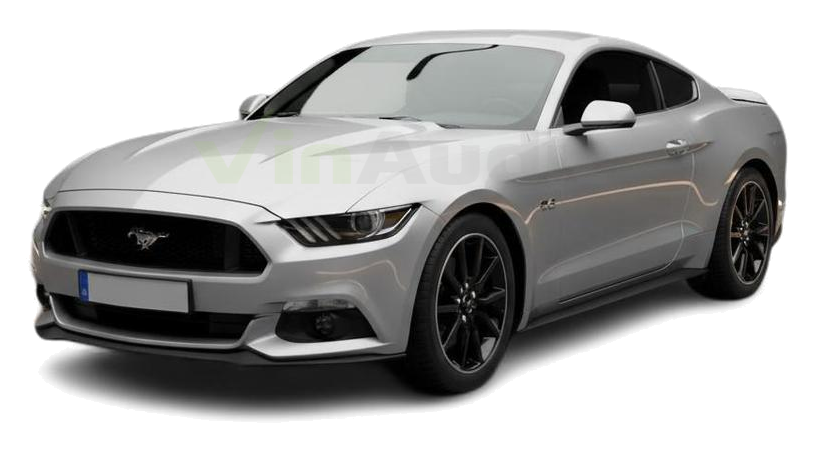
The Good
The 2006 Ford Econoline offers legendary durability, substantial towing/hauling capabilities, and proven powertrains, appealing to practical buyers needing a dependable workhorse. Its vast cargo space and long-term value are compelling. Emotionally, it represents a reliable partner for arduous tasks or adventurous family road trips, a no-nonsense design built for purpose and longevity, fostering a sense of steadfast reliability.
The Bad
Known weaknesses for the 2006 Ford Econoline include its relatively poor fuel economy, especially with larger V8s and V10s, and a somewhat dated interior design. Ride comfort can be truck-like, and its large size makes maneuverability challenging. The optional 6.0L Power Stroke diesel engine is notorious for reliability issues, and rust on the undercarriage and body panels is a common concern.
2006 Ford Econoline: Quick Overview
- Engine Options:
- 4.6L Triton V8 (standard for E-150/E-250)
- 5.4L Triton V8 (optional for E-150/E-250, standard for E-350)
- 6.8L Triton V10 (optional for E-250/E-350)
- 6.0L Power Stroke Turbo Diesel V8 (optional for E-250/E-350) - Horsepower:
- 4.6L V8: Approximately 225 hp
- 5.4L V8: Approximately 255 hp
- 6.8L V10: Approximately 305 hp
- 6.0L Diesel V8: Approximately 325 hp (with significant torque) - Fuel Economy (EPA estimated, highly variable by configuration/use):
- 4.6L V8: ~13-15 MPG combined
- 5.4L V8: ~12-14 MPG combined
- 6.8L V10: ~10-12 MPG combined
- 6.0L Diesel V8: ~13-16 MPG combined (often better on highway) - 0-60 Times: Not a primary metric for utility vans. Estimates for unladen V8 models typically range from 9-12 seconds.
- Towing Capacity (varies by configuration, engine, and axle ratio):
- E-150: Up to ~7,300 lbs
- E-250: Up to ~10,000 lbs
- E-350: Up to ~10,000 lbs (Heavy-duty configurations of the E-350 could have a Gross Combined Weight Rating (GCWR) up to 18,500 lbs.) - Trim-Level Features (E-Series Wagon Passenger Van examples):
- XL: Basic and functional. Vinyl seating, manual windows/locks, AM/FM radio, black bumpers, basic gauges. Geared for commercial or fleet use where durability and low cost are paramount.
- XLT: Adds more comfort and convenience. Cloth upholstery, power windows/locks, cruise control, air conditioning, tilt steering wheel, upgraded AM/FM/CD stereo, chrome bumpers. A popular choice for families and more comfort-oriented businesses.
- Chateau: The most luxurious passenger trim. Often included dual-zone climate control, rear air conditioning/heating, upgraded cloth or optional leather seating, rear captain's chairs, alloy wheels, enhanced interior trim, keyless entry, and sometimes optional rear-seat entertainment systems. Aimed at private owners desiring more amenities. Cargo vans (E-Series Van) offered similar XL/XLT configurations but focused on maximizing configurable cargo space.
2006 Ford Econoline Specifications
Vehicle Information
| Year | 2006 |
| Make | Ford |
| Model | Econoline |
| Trim | - |
| Style | - |
| Type | Minivan |
| Category | Cargo Van |
Manufacturing Details
| Made In | United States |
| Manufacturing City | LORAIN |
Dimensions
| Doors | - |
| Curb Weight | 5254 pounds |
| Gross Vehicle Weight Rating | 7000 pounds |
| Overall Height | 80.90 inches |
| Overall Length | 211.90 inches |
| Overall Width | 70.10 inches |
| Wheelbase Length | 138.00 inches |
| Standard Seating | 8 |
Engine & Performance
| Engine | 4.6L V8 |
| Engine Size | 4.6L |
| Engine Cylinders | 8 |
| Transmission | 4-Speed Automatic |
| Transmission Type | Automatic |
| Transmission Speeds | 4-Speed |
| Drivetrain | Rear-Wheel Drive |
Additional Features
| Anti-Brake System | 4-Wheel ABS |
| Steering Type | Recirculating |
Pricing
| Manufacturer Suggested Retail Price (MSRP) | $28,150 |
| Invoice Price | $25,036 |
| Delivery Charges | $795 |
Vehicle History Report
Specifications
History
Events
History Check
Check
Check
Check
Check
Listings
Recalls
Check
Analysis
What Problems Does the 2006 Ford Econoline Have?
Gasoline Triton V8s (4.6L, 5.4L, 6.8L) are generally more reliable but can still present issues. The 5.4L and 6.8L 2-valve engines were known for spark plug ejection problems, although by 2006, Ford had largely improved the cylinder head thread design to mitigate this. Exhaust manifold stud breakage is also common, leading to exhaust leaks. The 3-valve 5.4L V8 can suffer from cam phaser issues, leading to ticking noises and rough idling, although this was more prevalent in passenger truck applications and less so in vans.
Transmission problems with the 4R75E or 4R100 transmissions can occur, especially under heavy towing or neglected maintenance. Suspension components, such as ball joints, tie rods, and bushings, wear out over time due to the vehicle's substantial weight and intended heavy use. Electrical glitches, including power window motor failures, instrument cluster anomalies, and various sensor issues, are also reported. Rust is a significant long-term concern, particularly on body panels, the frame, and brake lines in regions exposed to road salt.
Several recalls affected the 2006 Ford Econoline. These included NHTSA Recall 06V366000 for a potential loss of steering control due to front axle housing cracking (for certain E-350/E-450 models). NHTSA Recall 07V097000 addressed concerns about fuel tank straps corroding and breaking, leading to potential fuel leaks or tank detachment. NHTSA Recall 09V399000 pertained to park brake cable corrosion. Owners are advised to check the NHTSA website with their specific VIN for a complete list of applicable recalls.
How long will the 2006 Ford Econoline last?
What Technology & Safety Features are Included?
Driver-assistance features were minimal, reflecting the technology available in heavy-duty vans of that era. These were primarily limited to fundamental systems like power steering and anti-lock brakes (ABS), which were standard. Advanced driver-assistance systems such as traction control, stability control, or blind-spot monitoring were not offered on these vehicles.
Safety features for the 2006 Econoline included dual front airbags for the driver and front passenger, along with three-point seatbelts for all designated seating positions. Given its age and class, side airbags were not available. The vehicle's robust, full-frame construction provided a degree of inherent structural rigidity in collisions.
Optional features often enhanced utility or comfort. These included air conditioning (often front and rear for passenger models), power windows and door locks, tilt steering wheel, cruise control, remote keyless entry, power mirrors, various seating configurations for passenger vans (up to 15 passengers), heavy-duty alternators, integrated trailer towing packages, and upgraded wheels. For commercial cargo vans, the options list heavily revolved around customization for specific work needs, such as shelving, bins, and partitions.
Crash-test ratings from independent organizations like NHTSA or IIHS are less comprehensive for heavy-duty vans like the Econoline compared to typical passenger cars. However, NHTSA did provide some frontal impact ratings for similar-era E-Series models, generally scoring 3 or 4 out of 5 stars for driver and passenger protection, which was considered acceptable for its class at the time. Side-impact tests were not commonly performed on full-size vans in 2006. It is important to note that modern safety standards and automotive safety technologies have advanced considerably since this vehicle's design.
What Colors Options are Available?
2006 Ford Econoline Prices and Market Value
2006 Ford Econoline Cost of Ownership
2006 Ford Econoline Fuel Efficiency
2006 Ford Econoline Recalls & Defects
Equipment Adaptive/Mobility
Equipment Adaptive/Mobility
2006 Ford Econoline Warranty
Basic
Powertrain
Rust
2006 Ford Econoline Insurance
reasonable repair costs.
How Does the 2006 Ford Econoline Compare to Other Minivan?
In terms of performance, the Econoline's diverse range of powerful V8 and V10 gasoline engines, coupled with its robust frame, generally offered superior towing and hauling capabilities compared to the standard Express/Savana offerings. The 6.0L Power Stroke diesel provided immense torque, though with reliability caveats. The Express/Savana did offer an optional all-wheel-drive system, a feature absent from the Econoline.
Features were quite basic across the board for these commercial vans in 2006. The Econoline's interior, while durable, felt dated, mirroring the utilitarian design of the Express/Savana. Neither offered the advanced technology found in contemporary passenger vehicles. The Sprinter, however, introduced a taller roof and a more car-like driving experience, albeit with less ultimate towing capacity for its class.
Reliability is a mixed bag. The gasoline-powered Econolines are widely lauded for their long-term durability and ease of maintenance, often outlasting their Chevy/GMC counterparts in fleet usage. However, the notorious issues with the 6.0L Power Stroke diesel could make a diesel Express/Savana (equipped with the generally more reliable Duramax diesel) a more dependable choice for heavy-duty diesel users. The Sprinter, while efficient, had a reputation for higher maintenance and repair costs due to its more complex European engineering.
Price-wise, new and used, the Econoline and Express/Savana were very competitive. The Econoline often commanded a slight premium due to its strong reputation and market dominance in the commercial sector.
Similar Alternatives: A 2006 Chevrolet Express or GMC Savana would be the most direct alternatives, offering comparable utility. If diesel power is a must, the Duramax-equipped Express/Savana might offer better long-term diesel reliability than the Econoline's 6.0L. For those prioritizing cargo volume, fuel economy, and a slightly more refined driving experience over maximum towing, a used Mercedes-Benz Sprinter (Dodge Sprinter at the time) could be considered, but be prepared for potentially higher repair costs.
Final Verdict: Is the 2006 Ford Econoline a Good Minivan?

Eugene S
Eugene is an automotive enthusiast with over 15 years of experience in the used car market. As a writer at VINCheck.info, he brings deep industry insight and a passion for cars, helping readers make smart, informed decisions. Eugene has written hundreds of used car reviews and is known for breaking down complex automotive topics into clear, actionable advice. Over the years, he has driven and worked on a wide range of vehicles—starting with tuning street cars in his early days and eventually focusing on performance upgrades and reliability improvements. Today, he specializes in evaluating used vehicles through the lens of real-world ownership and enthusiast needs. A longtime fan of Porsche, Eugene especially appreciates vehicles that blend durability with driving enjoyment.