
by VIN, Year, Make, Model by License Plate

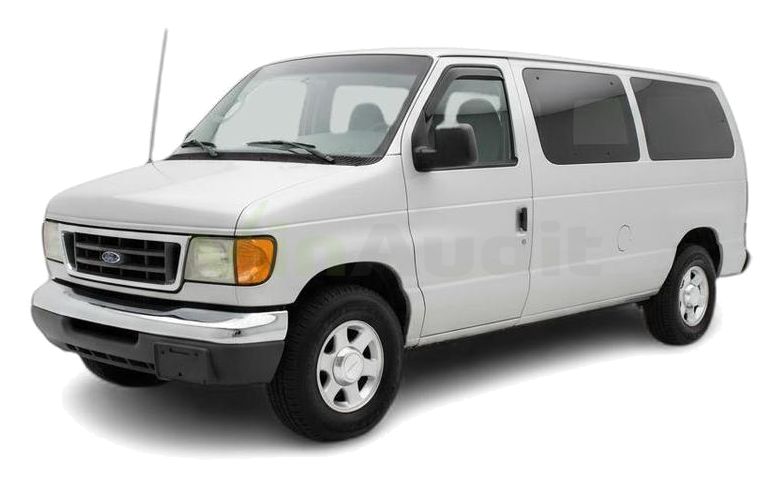
2005 Ford Econoline Overview, Reviews, Ratings & Specs

Rating: 0.00
Based on 0 Owner Reviews
Simon A | November 17, 2025
The 2005 Ford Econoline, part of a long-standing lineage dating back to the 1960s, is a classic full-size van known for its robust utility and cargo-hauling capabilities. Available in various body styles including cargo van and passenger wagon configurations, its model years span decades. Key trims often included the base XL and the more amenity-rich XLT. New pricing in 2005 ranged roughly from $25,000 to $35,000. Its enduring popularity stems from its unmatched versatility for businesses, families needing ample space, and custom van conversions, offering a no-nonsense, dependable platform.
The Good

The 2005 Econoline offers a powerful V8 engine option for robust performance, legendary Ford reliability for peace of mind, and a surprisingly comfortable ride for a van. Its spacious, functional interior appeals to practical needs, while its iconic, utilitarian design evokes a sense of dependable workhorse capability and enduring value.

The Bad

Potential buyers of a 2005 Econoline should watch for rust, particularly around the wheel wells and rocker panels, as well as common transmission issues and aging interior components. Fuel economy is also a significant drawback for many.

2005 Ford Econoline: Quick Overview

  • Engine Options: The 2005 Ford Econoline offered a selection of robust gasoline V8 engines. The primary options included:
    • 4.6L Triton V8
    • 5.4L Triton V8
    • 6.8L Triton V10 (available on heavier duty models)
  • Horsepower:
    • 4.6L V8: Approximately 215-232 horsepower
    • 5.4L V8: Approximately 235-255 horsepower
    • 6.8L V10: Approximately 305 horsepower
  • Fuel Economy: As a large, body-on-frame van, fuel economy was not a strong suit. Expect figures generally in the range of 10-14 MPG combined, heavily dependent on engine, drivetrain (2WD/4WD), and load.
  • 0-60 Times: These are not typically a focus for this type of vehicle. Estimates would place most configurations between 8.5 and 11 seconds, again, highly variable.
  • Towing Capacity: The Econoline was built for hauling and towing. Depending on configuration, engine, and axle ratio, towing capacities could range from approximately 5,000 lbs to over 10,000 lbs for properly equipped models.
  • Trim-Level Features:
    • XL (Base): Typically featured vinyl flooring, manual windows and locks, basic AM/FM stereo, durable cloth or vinyl seating, and a focus on functionality.
    • XLT: Offered more creature comforts such as power windows and door locks, cruise control, a more premium audio system, upgraded interior trim, and often captain's chairs for the front passengers.
    • Optional Features: Depending on the specific model and year, optional features could include rear air conditioning, upgraded suspension, towing packages, limited-slip differential, satellite radio, and various upfitter packages for specific vocational uses.

2005 Ford Econoline Specifications

Vehicle Information
Year 2005
Make Ford
Model Econoline
Trim -
Style -
Type Minivan
Category Cargo Van
Manufacturing Details
Made In United States
Manufacturing City LORAIN
Dimensions
Doors -
Curb Weight 5254 pounds
Gross Vehicle Weight Rating 7000 pounds
Overall Height 80.90 inches
Overall Length 211.90 inches
Overall Width 70.10 inches
Wheelbase Length 138.00 inches
Standard Seating 7
Engine & Performance
Engine 4.6L V8
Engine Size 4.6L
Engine Cylinders 8
Transmission 4-Speed Automatic
Transmission Type Automatic
Transmission Speeds 4-Speed
Drivetrain Rear-Wheel Drive
Additional Features
Anti-Brake System 4-Wheel ABS
Steering Type Recirculating
Pricing
Manufacturer Suggested Retail Price (MSRP) $30,145
Invoice Price $26,073
Delivery Charges $735

Vehicle History Report

Vehicle
Specifications
Ownership
History
All History
Events
NMVTIS Title
History Check
Salvage/Rebuilt
Check
Accident
Check
Theft
Check
Open Lien
Check
Past Sale
Listings
Safety
Recalls
Odometer
Check
Market Price
Analysis

What Problems Does the 2005 Ford Econoline Have?

The 2005 Ford Econoline, while generally regarded as a workhorse, is not without its common issues. One of the most frequently reported problems revolves around the transmission, particularly the 4R70W and 4R75E automatic transmissions. Symptoms can include slipping, harsh shifting, and failure to engage gears, often requiring significant repair or replacement. These issues can be exacerbated by heavy use and inadequate fluid maintenance. Another area of concern for many owners is the cooling system. Radiator leaks, failing water pumps, and thermostat issues are not uncommon, especially as the vehicles age and accumulate miles. Overheating can lead to more serious engine damage, so vigilance here is crucial. Body rust is a persistent issue, particularly in areas exposed to road salt and moisture. Wheel wells, rocker panels, and the frame itself can be susceptible. Regular washing and undercoating can mitigate this, but severely rusted examples may require extensive bodywork. The ignition system can also present problems, with reports of coil pack failures and spark plug blowouts, especially on the 5.4L and 6.8L Triton engines. This can lead to rough running and misfires. Electrical gremlins, while not epidemic, can surface, affecting power windows, door locks, and interior lighting. While there are no widespread recalls specifically tied to the 2005 model year that stand out dramatically, it's always advisable to check the NHTSA database for any applicable safety recalls for the specific vehicle. Long-term reliability often hinges on how the van was used and maintained. A well-maintained Econoline used for light duty can be very durable, while one used for heavy hauling or towing without proper servicing may encounter more significant issues as it ages.

How long will the 2005 Ford Econoline last?

The 2005 Ford Econoline is known for its potential to last a very long time with proper care. Owner data and maintenance habits are critical determinants of its lifespan. Many Econolines are still on the road with well over 200,000 miles, and some even surpass 300,000 miles. This level of durability is a testament to its robust construction and relatively simple mechanical design. However, achieving such high mileage requires diligent maintenance, including regular oil changes, transmission fluid flushes, and addressing any emerging issues promptly. Weaknesses that tend to appear over time include increased susceptibility to rust, potential wear on suspension components, and the aforementioned transmission and cooling system concerns. Without consistent upkeep, especially on a work vehicle, the lifespan can be significantly shorter, with major component failures occurring much earlier.

What Technology & Safety Features are Included?

The 2005 Ford Econoline, by its nature as a utilitarian vehicle from the mid-2000s, was not a technological showcase. Its built-in tech, entertainment, and driver-assistance features were decidedly basic, prioritizing function over luxury or advanced connectivity. Standard entertainment typically consisted of an AM/FM radio, with an optional CD player being a common upgrade. Passenger versions might have offered rear speakers. There was no factory-installed navigation, Bluetooth, or USB connectivity. Driver-assistance features were almost non-existent by modern standards; the primary safety technologies were antilock brakes (ABS) for all four wheels, which were standard, and optional front-seat side airbags for improved occupant protection. Some models might have offered rear parking sensors as an option, though this was less common. Visibility was generally good due to the van's upright design and large glass areas. Crash-test ratings for this era of Econoline are not readily available in the same detailed format as modern vehicles. However, vans of this type generally focused on structural integrity for their intended purpose. The Econoline's robust body-on-frame construction provided a solid foundation. Optional features were more focused on utility and comfort, such as rear climate control for passenger variants, upgraded seating, or different axle ratios for towing. For those seeking advanced tech, the 2005 Econoline is a blank slate, offering potential for aftermarket upgrades but lacking any sophisticated integrated systems from the factory.

What Colors Options are Available?

We’re working on this section!
In the meantime, feel free to explore the other sections for more content.

2005 Ford Econoline Prices and Market Value

When new in 2005, the Ford Econoline had an MSRP that generally ranged from approximately $25,000 for a base cargo model to upwards of $35,000 for a well-equipped XLT passenger or heavy-duty version. Depreciation on the Econoline is typically quite gradual, especially for well-maintained cargo models or those used for fleet purposes, due to their enduring demand as work vehicles. Currently, used market prices for a 2005 Ford Econoline can vary widely, typically from $3,000 to $8,000 or more, depending heavily on mileage, condition, trim level, and overall wear and tear. Factors significantly affecting resale value include the presence of rust, mechanical condition (especially transmission and engine health), interior wear, and whether it was a cargo or passenger configuration. High-mileage, heavily used cargo vans will fetch less, while well-preserved passenger models might command a premium for conversion projects or larger families.

2005 Ford Econoline Cost of Ownership

Owning a 2005 Ford Econoline can be a mixed bag regarding costs. Insurance premiums are generally moderate, comparable to other full-size vans. Fuel costs, however, are a significant factor due to its poor fuel economy, averaging 10-14 MPG. Maintenance costs are typically reasonable for routine items, thanks to widespread parts availability and simpler mechanics. However, repair costs can escalate quickly if major issues like transmission or engine problems arise, as these are expensive components. Overall, the Econoline is not an economical vehicle to own in terms of fuel consumption, but its durability and lower initial purchase price on the used market can make it a cost-effective choice for utility if major repairs are avoided.

2005 Ford Econoline Fuel Efficiency

Fuel Type Gasoline
Fuel Capacity 35.00 gallons
City Mileage 13 miles/gallon
Highway Mileage 17 miles/gallon

2005 Ford Econoline Warranty

Basic
Original warranty 36 months / 36,000 miles
Estimated remaining Expired
Powertrain
Original warranty 36 months / 36,000 miles
Estimated remaining Expired
Rust
Original warranty 60 months / unlimited miles
Estimated remaining Expired

2005 Ford Econoline Insurance

Insurance for a 2005 Ford Econoline is moderately priced, reflecting its status as a Minivan with strong safety ratings and
reasonable repair costs.

How Does the 2005 Ford Econoline Compare to Other Minivan?

The 2005 Ford Econoline competed primarily against the Chevrolet Express/GMC Savana twins and the Mercedes-Benz Sprinter (though the Sprinter was a more premium, often diesel-powered, and significantly more expensive option). In terms of performance, the Econoline's V8 options, particularly the 5.4L and 6.8L, offered strong towing and hauling capability that often surpassed the base V6 engines found in the GM twins. The Express/Savana offered comparable V8 powerplants, often with slightly more refined road manners. Features-wise, the 2005 Econoline was basic. The GM twins offered similar utilitarian features, while the Sprinter was in a different league with more advanced options and better fuel efficiency (especially diesel). Reliability is where the Econoline shines in a rugged, utilitarian sense; these vans are built tough and can rack up high mileage, though specific issues like transmissions can be a concern. The GM twins also have a reputation for durability, but can also suffer from similar wear-and-tear issues. Price is a major advantage for the Econoline on the used market. They are typically more affordable than comparable Express/Savana vans, and significantly less expensive than a used Sprinter. For those needing a robust workhorse at a low entry price, the 2005 Econoline is a strong contender. Alternatives to consider include: the Chevrolet Express/GMC Savana for slightly different styling and potential powertrain variations, or if budget allows and a more modern, efficient, or passenger-focused van is desired, a used Mercedes-Benz Sprinter (though significantly pricier) or even a newer model year Econoline would offer more modern amenities and potentially improved efficiency. However, for pure, no-frills utility and value, the 2005 Econoline remains a compelling choice.

Final Verdict: Is the 2005 Ford Econoline a Good Minivan?

The 2005 Ford Econoline is ideal for tradespeople, small businesses, and individuals needing a highly capable and versatile cargo or passenger van for work or large-capacity transport. It is worth buying for those prioritizing rugged utility, strong V8 power for towing and hauling, and a low entry price on the used market. It is a solid purchase as a used vehicle, particularly cargo van trims or well-maintained passenger versions, provided a thorough inspection for rust and mechanical condition (especially transmission) is conducted. New examples are not available, but a well-chosen used Econoline offers enduring value for its intended purpose, especially if equipped with the larger V8 engines.

2005 Ford Econoline Owner Reviews

0.00
Consumer Rating, Based on 0 Consumer Reviews
Overall rating
Cancel
Thank You for Your Review!

We truly appreciate the time and effort you took to share your experience with us.

Uh oh!

Something went wrong, please try again later.

Author Image
Simon A

Simon is a contributor to VinCheck, where he provides articles and reviews on various automotive topics. His work focuses on delivering accurate and up-to-date information about used cars, helping readers make informed decisions.