
by VIN, Year, Make, Model by License Plate

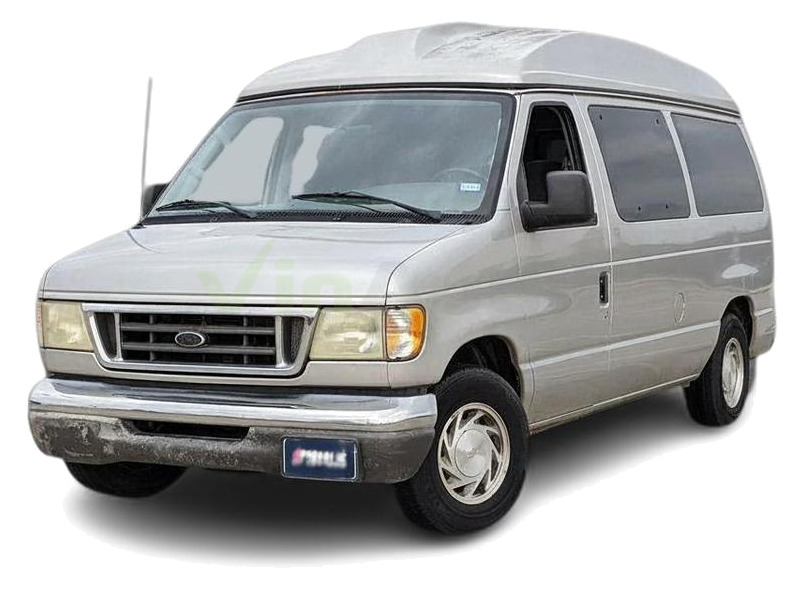
2003 Ford Econoline Overview, Reviews, Ratings & Specs

Rating: 0.00
Based on 0 Owner Reviews
Eugene S | September 25, 2025
The 2003 Ford Econoline, part of the fourth generation (E-Series, 1992-2014), is a full-size body-on-frame van renowned for its versatility and robust utility. Available as cargo vans, passenger vans, and cutaway chassis, it served diverse needs from commercial fleets to large families. Popular trims included the base XL and the more equipped XLT. Its pricing ranged broadly, typically from around $20,000 to $35,000 new. It stands out for its immense cargo capacity, powerful engine options, and enduring reliability, making it a workhorse icon.
The Good

The 2003 Ford Econoline offers significant advantages for both practical and emotional buyers. Practically, its powerful V8/V10 engines ensure strong towing and hauling performance, while its body-on-frame construction provides remarkable durability and reliability. For emotional appeal, it represents freedom for road trips, a sturdy platform for customizations, and a reliable partner for any challenging task. Its vast interior is comfortable enough for long journeys, and its relative simplicity makes maintenance straightforward, contributing to its strong overall value.

The Bad

Watch out for the 2003 Ford Econoline's relatively poor fuel economy, especially with larger engines and heavy loads. Its sheer size can make maneuvering and parking challenging in urban environments. The ride quality can be truck-like, and interior refinement is basic compared to modern vehicles. Rust can be an issue on older models, particularly on the undercarriage and around wheel wells, requiring careful inspection.

2003 Ford Econoline: Quick Overview

<ul><li><strong>Engine Options:</strong><ul><li>4.2L <strong>Essex</strong> V6 (standard on E-150/E-250)</li><li>4.6L <strong>Triton</strong> V8 (optional on E-150/E-250)</li><li>5.4L <strong>Triton</strong> V8 (standard on E-350, optional on E-250)</li><li>6.8L <strong>Triton</strong> V10 (optional on E-350, E-450)</li><li>7.3L <strong>Power Stroke</strong> Turbodiesel V8 (available early 2003, replaced by 6.0L <strong>Power Stroke</strong> later in the model year)</li></ul></li><li><strong>Horsepower:</strong><ul><li>4.2L V6: Approx. 201 hp</li><li>4.6L V8: Approx. 220 hp</li><li>5.4L V8: Approx. 255 hp</li><li>6.8L V10: Approx. 305 hp</li><li>7.3L Turbodiesel V8: Approx. 215 hp</li><li>6.0L Turbodiesel V8: Approx. 235 hp</li></ul></li><li><strong>Fuel Economy (EPA estimates vary widely by configuration and load):</strong><ul><li>Gasoline engines: Typically 12-16 MPG combined (city/highway).</li><li>Diesel engines: Slightly better, around 14-18 MPG combined.</li></ul></li><li><strong>0-60 MPH Times:</strong><ul><li>These are large, heavy vehicles not designed for rapid acceleration. Times typically range from 9-12 seconds for gasoline V8/V10 models, and slightly slower for diesel or V6 models, depending on weight and gearing.</li></ul></li><li><strong>Towing Capacity:</strong><ul><li>E-150: Up to 7,000 lbs (with proper equipment)</li><li>E-250: Up to 8,000 lbs (with proper equipment)</li><li>E-350: Up to 10,000 lbs (with proper equipment, V10/diesel)</li><li>E-450: Up to 14,000 lbs (cutaway chassis, with proper equipment)</li></ul></li><li><strong>Trim-Level Features (Key differences between XL and XLT passenger vans):</strong><ul><li><strong>XL:</strong> Basic work-oriented trim. Manual windows/locks, vinyl seating, AM/FM radio, steel wheels. Designed for durability and utility.</li><li><strong>XLT:</strong> More comfort and convenience. Power windows/locks, cloth seating, air conditioning, cruise control, tilt steering wheel, upgraded stereo (CD player often optional), chrome bumpers, and full wheel covers. Some optional features like power mirrors, remote keyless entry, and rear auxiliary climate control were common.</li><li><strong>Chassis/Cutaway:</strong> Offered as bare chassis for custom bodies (RVs, ambulances, shuttle buses), with varying levels of cabin trim.</li></ul></li></ul>

2003 Ford Econoline Specifications

Vehicle Information
Year 2003
Make Ford
Model Econoline
Trim -
Style -
Type Minivan
Category Cargo Van
Manufacturing Details
Made In United States
Manufacturing City LORAIN
Dimensions
Doors -
Curb Weight 5254 pounds
Gross Vehicle Weight Rating 7000 pounds
Overall Height 80.90 inches
Overall Length 211.90 inches
Overall Width 79.30 inches
Wheelbase Length 138.00 inches
Standard Seating 7
Engine & Performance
Engine 4.6L V8
Engine Size 4.6L
Engine Cylinders 8
Transmission 4-Speed Automatic
Transmission Type Automatic
Transmission Speeds 4-Speed
Drivetrain Rear-Wheel Drive
Additional Features
Anti-Brake System 4-Wheel ABS
Steering Type Recirculating
Pricing
Manufacturer Suggested Retail Price (MSRP) $28,990
Invoice Price $25,347
Delivery Charges -

Vehicle History Report

Vehicle
Specifications
Ownership
History
All History
Events
NMVTIS Title
History Check
Salvage/Rebuilt
Check
Accident
Check
Theft
Check
Open Lien
Check
Past Sale
Listings
Safety
Recalls
Odometer
Check
Market Price
Analysis

What Problems Does the 2003 Ford Econoline Have?

The 2003 Ford Econoline, while generally robust, has several frequently reported problems and long-term reliability concerns. A significant issue for the 2003 model year was the introduction of the 6.0L "Power Stroke" diesel engine, which replaced the highly regarded 7.3L "Power Stroke" partway through the year. The 6.0L engine became notorious for numerous problems, including EGR cooler failures, oil cooler blockages, head gasket issues due to TTY bolts, injector problems, and turbocharger failures. These issues can lead to expensive repairs and significant downtime for owners. Owners looking at 2003 models with the 6.0L diesel should verify "bulletproofing" modifications have been done.<br />For gasoline engines, common issues include spark plug ejection (especially on early "Triton" V8s/V10s before revised cylinder heads), intake manifold cracks (particularly on the 4.6L and 5.4L), and various sensor failures (O2 sensors, MAF sensors). Transmission issues, while not universal, can occur over time, particularly in heavily used or high-mileage examples, with the 4R70W and 4R100 transmissions being generally durable but susceptible to wear.<br />Recalls for the 2003 Econoline include those related to the parking brake cable, seat belt retractors, and specific issues concerning the 6.0L "Power Stroke" diesel engine's fuel injection system. It's crucial for potential buyers to check the VIN for any outstanding recalls.<br />Long-term, rust on the body, frame, and brake lines can be a concern, especially in regions with road salt. Steering components (ball joints, tie rods) and suspension bushings wear out due to the vehicle's weight and usage. Regular maintenance is paramount to mitigating these common issues and ensuring longevity.

How long will the 2003 Ford Econoline last?

The 2003 Ford Econoline, with proper maintenance, can achieve impressive mileage and years of service. Many owners report these vans regularly exceeding 200,000 miles, and it's not uncommon to see well-maintained examples approaching 300,000 miles or even more, particularly those equipped with the 5.4L V8, 6.8L V10, or the highly durable 7.3L "Power Stroke" diesel. The key to long-term durability lies in consistent oil changes, transmission fluid services, and addressing minor issues promptly. Weaknesses over time include rust, particularly in northern climates, and wear on suspension and steering components. The 6.0L "Power Stroke" diesel, if not "bulletproofed," can significantly reduce its serviceable life due to chronic issues. Overall, a well-cared-for Econoline can easily offer 15-20 years of service.

What Technology & Safety Features are Included?

The 2003 Ford Econoline, as a utility-focused vehicle of its era, featured relatively basic technology and safety compared to modern standards. Standard built-in tech included an AM/FM radio, with an optional CD player available for entertainment. Air conditioning was standard on XLT models and optional on XL. Power windows, power locks, and cruise control were commonly found on XLT trims, providing convenience. Driver-assistance features were minimal, primarily consisting of power steering and power brakes. There were no advanced driver-assistance systems like lane keeping assist or adaptive cruise control.<br />Safety features included dual front airbags for the driver and front passenger as standard. Four-wheel anti-lock brakes (ABS) were typically standard on all models, providing improved stopping performance under difficult conditions. Side-impact airbags or electronic stability control were not offered. Due to its commercial and heavy-duty nature, official crash-test ratings from agencies like the NHTSA or IIHS are scarce or non-existent for full-size vans of this vintage. However, its substantial body-on-frame construction does offer a degree of passive protection. Optional features often included remote keyless entry, rear auxiliary climate control for passenger vans, and trailer towing packages with integrated brake controllers. The interior design was functional, prioritizing utility and space over high-tech gadgets or luxurious finishes.

What Colors Options are Available?

We’re working on this section!
In the meantime, feel free to explore the other sections for more content.

2003 Ford Econoline Prices and Market Value

When new, the 2003 Ford Econoline had a wide price range depending on its configuration. A base E-150 cargo van might start around $20,000-$22,000, while a fully equipped E-350 XLT passenger van or a chassis-cab model with a diesel engine could easily reach $35,000-$40,000.<br />On the current used market (as of late 2023/early 2024), prices vary significantly based on mileage, condition, engine type, and specific configuration. Well-used cargo vans can be found for $3,000-$8,000. Passenger vans, especially those in good condition with lower mileage, typically command $6,000-$12,000. Vans with the desirable 7.3L "Power Stroke" diesel or those converted for RV use can fetch even higher prices, sometimes $15,000-$25,000+.<br />Depreciation is substantial for work vehicles, but the Econoline has maintained decent value in the used market due to its utility. Factors affecting resale value include the engine (7.3L diesel being a strong positive, 6.0L diesel a potential negative), overall mechanical condition, rust levels, and interior wear. Clean titles and comprehensive service records significantly boost value.

2003 Ford Econoline Cost of Ownership

Owning a 2003 Ford Econoline generally entails moderate to high long-term costs, influenced heavily by its utility nature. Insurance costs are typically reasonable for a vehicle of its age, but can vary based on whether it's registered as a commercial vehicle or a personal passenger van. Fuel costs are a significant expense due to its low fuel economy, especially with the V8 and V10 gasoline engines. Diesel models offer slightly better MPG but diesel fuel is often more expensive.<br />Maintenance costs for common items are generally affordable, as parts are readily available and many components are shared with other Ford trucks. However, repairs, particularly for the 6.0L "Power Stroke" diesel engine, can be exceptionally costly, potentially running into thousands of dollars. The gasoline engines are less prone to catastrophic failures but still require attention to known issues like spark plug threads or intake manifolds. Overall, the Econoline can be economical to own if it's a well-maintained gasoline model, but can quickly become costly if frequent heavy repairs are needed, especially with the 6.0L diesel. Budgeting for regular maintenance and potential major repairs is crucial.

2003 Ford Econoline Fuel Efficiency

Fuel Type Gasoline
Fuel Capacity 35.00 gallons
City Mileage 13 miles/gallon
Highway Mileage 17 miles/gallon

2003 Ford Econoline Safety Rating

NHTSA
Overall Rating Not Tested
Overall Frontal Star Rating Not Tested
Side Overall Star Rating Not Tested
Overall Rollover Star Rating Not Tested
Combined Front Seat Rating Not Tested
Combined Rear Seat Rating Not Tested
Overall Frontal Star Rating Not Tested
Frontal Barrier Star Ratings Not Tested
Side Barrier Star Ratings Not Tested
Rollover Resistance Star Rating Not Tested

2003 Ford Econoline Warranty

Basic
Original warranty 36 months / 36,000 miles
Estimated remaining Expired
Powertrain
Original warranty 36 months / 36,000 miles
Estimated remaining Expired
Rust
Original warranty 60 months / unlimited miles
Estimated remaining Expired

2003 Ford Econoline Insurance

Insurance for a 2003 Ford Econoline is moderately priced, reflecting its status as a Minivan with strong safety ratings and
reasonable repair costs.

How Does the 2003 Ford Econoline Compare to Other Minivan?

The 2003 Ford Econoline competed directly with the Chevrolet Express/GMC Savana and the Dodge Ram Van (which was replaced by the Sprinter later).<br /><strong>Performance:</strong> The Econoline offered a robust lineup of gasoline V6/V8/V10 engines and powerful "Power Stroke" diesels. Its 6.8L V10 provided class-leading gasoline power, and the 7.3L diesel was a legendary workhorse. The Express/Savana offered competitive V8s (e.g., 5.3L, 6.0L Vortec) but lacked a V10 equivalent. The Dodge Ram Van's engine options were generally less potent. For sheer towing and hauling capability, the Econoline often had an edge, especially with the V10 or 7.3L diesel.<br /><strong>Features:</strong> All full-size vans of this era were utilitarian. The Econoline, Express/Savana, and Ram Van offered similar levels of basic features like AM/FM radio, optional CD, power accessories, and basic air conditioning. None excelled in advanced tech. Ford offered a wide range of upfit options and chassis configurations, which was a strong point for commercial buyers.<br /><strong>Reliability:</strong> The Econoline's gasoline V8s (4.6L/5.4L) and especially the 7.3L "Power Stroke" diesel are renowned for their longevity. However, the 2003 model year is complicated by the problematic 6.0L "Power Stroke." The Chevrolet Express/GMC Savana, particularly with the 5.3L or 6.0L Vortec engines, are also known for solid reliability. The Dodge Ram Van was generally reliable but felt older in design. The 7.3L Econoline and Vortec-equipped GM vans often represent the peak of reliability for this class and era.<br /><strong>Price:</strong> New, prices were competitive across the board. On the used market, the Econoline and Express/Savana tend to hold value better than the older Ram Vans. Diesel Econolines, especially the 7.3L, often command a premium due to their desirability and reliability.<br /><strong>Alternatives:</strong> For better reliability (avoiding the 6.0L diesel) and similar utility, the Chevrolet Express/GMC Savana (especially with a 5.3L or 6.0L Vortec) is a strong alternative. For maximum long-term reliability in a diesel, look for an earlier Econoline with the 7.3L "Power Stroke." For those prioritizing fuel economy and modern features, a later generation or different class of van (like a Mercedes-Benz Sprinter, though more expensive) would be better, but they don't offer the same heavy-duty, body-on-frame robustness.

Final Verdict: Is the 2003 Ford Econoline a Good Minivan?

The 2003 Ford Econoline is an excellent choice for buyers needing a rugged, high-capacity, and versatile full-size van. It's ideal for contractors, businesses requiring significant cargo or passenger transport, and individuals looking for a solid platform for RV conversions or large family hauling. It's definitely worth buying if you prioritize utility, parts availability, and a generally robust powertrain.<br />However, careful consideration is crucial. For optimal long-term reliability and lower repair costs, seek out models with the 5.4L V8, 6.8L V10, or, ideally, the 7.3L "Power Stroke" diesel (if you can find one from early 2003 or earlier model years). <strong>Exercise caution with models equipped with the 6.0L "Power Stroke" diesel</strong> unless there's documented proof of comprehensive "bulletproofing" and a clean maintenance history, as these engines can lead to substantial expenses. Understand that it will have poor fuel economy, a utilitarian ride, and basic technology. If those trade-offs are acceptable for its proven workhorse capabilities, a well-inspected 2003 Econoline can still be a highly valuable and durable asset.

2003 Ford Econoline Owner Reviews

0.00
Consumer Rating, Based on 0 Consumer Reviews
Overall rating
Cancel
Thank You for Your Review!

We truly appreciate the time and effort you took to share your experience with us.

Uh oh!

Something went wrong, please try again later.

Author Image
Eugene S

Eugene is an automotive enthusiast with over 15 years of experience in the used car market. As a writer at VINCheck.info, he brings deep industry insight and a passion for cars, helping readers make smart, informed decisions. Eugene has written hundreds of used car reviews and is known for breaking down complex automotive topics into clear, actionable advice. Over the years, he has driven and worked on a wide range of vehicles—starting with tuning street cars in his early days and eventually focusing on performance upgrades and reliability improvements. Today, he specializes in evaluating used vehicles through the lens of real-world ownership and enthusiast needs. A longtime fan of Porsche, Eugene especially appreciates vehicles that blend durability with driving enjoyment.