
The Good
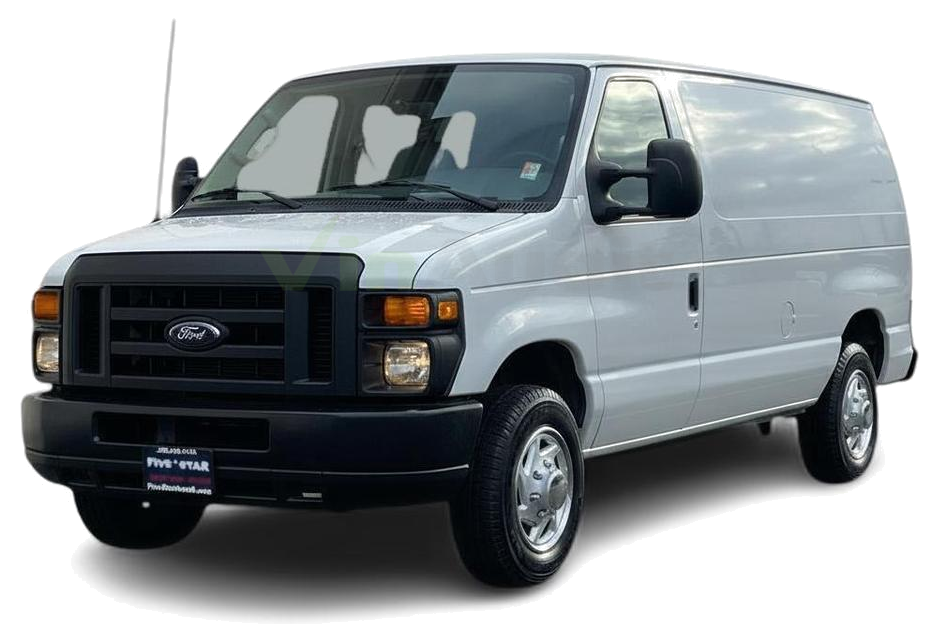
The 2008 Ford Econoline excels in performance with powerful V8 and V10 engines, offering exceptional towing and hauling capacity. Its legendary reliability and robust construction provide practical peace of mind. While comfort and efficiency are basic, its straightforward, functional design and strong resale value for commercial use appeal to both practical buyers seeking a dependable work vehicle and those who appreciate a no-nonsense, durable machine.
The Bad
Known weaknesses for the 2008 Ford Econoline include notably poor fuel economy, especially with larger engines, and a dated interior lacking modern amenities. Ride quality can be rough, particularly when unloaded. Maneuverability in tight spaces is challenging due to its size, and specific engine issues like spark plug ejection or exhaust manifold problems are concerns to watch out for.
2008 Ford Econoline: Quick Overview
- Engine Options:
The 2008 Ford Econoline offered a range of robust gasoline engines designed for heavy-duty work:
- 4.6L Triton V8: Standard on E-150 models, offering a balance of power and (relative) efficiency.
- 5.4L Triton V8: The most common engine, standard on E-250 and optional for E-150, providing ample power for most tasks.
- 6.8L Triton V10: Optional on E-250 and E-350 Super Duty models, providing maximum power for the heaviest loads and towing. - Horsepower:
- 4.6L V8: Approximately 225 horsepower and 286 lb-ft of torque.
- 5.4L V8: Approximately 255 horsepower and 350 lb-ft of torque.
- 6.8L V10: Approximately 305 horsepower and 420 lb-ft of torque. - Fuel Economy:
Fuel economy is not a strong suit for the Econoline due to its size and engine output. Estimates typically range from:
- 12-14 MPG city / 16-18 MPG highway for the 4.6L and 5.4L V8s.
- 10-12 MPG city / 13-15 MPG highway for the 6.8L V10.
These figures are highly dependent on load, driving style, and configuration. - 0-60 Times:
The 2008 Econoline is a utility vehicle, not designed for speed. 0-60 mph times are generally slow:
- E-150 (4.6L/5.4L): Approximately 9.5-11 seconds.
- E-250/E-350 (5.4L/6.8L): Approximately 10-13 seconds, varying significantly with payload. - Towing Capacity:
A major strength of the Econoline is its impressive towing capacity:
- E-150: Up to approximately 7,500 lbs.
- E-250: Up to approximately 9,500 lbs.
- E-350 Super Duty: Up to approximately 10,000 lbs, depending on specific configuration, engine, and axle ratio. - Trim-Level Features:
The Econoline prioritizes utility and durability over luxury. Features were generally basic and functional:
- E-150: The lighter-duty model, often configured for passenger use (Club Wagon) or lighter cargo. Standard features included AM/FM radio, vinyl flooring, and basic cloth or vinyl seats. Air conditioning was typically standard, with power windows and locks often optional.
- E-250: A medium-duty workhorse, commonly used by contractors. Similar basic features to the E-150 but with heavier-duty suspension and braking components. Often came with blank cargo interiors for customization.
- E-350 Super Duty: The heaviest-duty variant, designed for maximum payload and towing. Frequently used for ambulances, shuttle buses, and specialized commercial upfits. Featured enhanced suspension, larger brakes, and sometimes dual rear wheels for increased stability and capacity. Interior features remained focused on practicality, with options like a limited-slip differential for improved traction. Optional features across trims included a CD player, cruise control, tilt steering wheel, and more robust seating materials.
2008 Ford Econoline Specifications
Vehicle Information
| Year | 2008 |
| Make | Ford |
| Model | Econoline |
| Trim | - |
| Style | - |
| Type | Minivan |
| Category | Cargo Van |
Manufacturing Details
| Made In | United States |
| Manufacturing City | AVON LAKE |
Dimensions
| Doors | - |
| Curb Weight | 5254 pounds |
| Gross Vehicle Weight Rating | 8520 pounds |
| Overall Height | 80.90 inches |
| Overall Length | 211.90 inches |
| Overall Width | 70.10 inches |
| Wheelbase Length | 138.00 inches |
| Standard Seating | 8 |
Engine & Performance
| Engine | 4.6L V8 |
| Engine Size | 4.6L |
| Engine Cylinders | 8 |
| Transmission | 4-Speed Automatic |
| Transmission Type | Automatic |
| Transmission Speeds | 4-Speed |
| Drivetrain | Rear-Wheel Drive |
Additional Features
| Anti-Brake System | 4-Wheel ABS |
| Steering Type | Recirculating |
Pricing
| Manufacturer Suggested Retail Price (MSRP) | $28,910 |
| Invoice Price | $25,706 |
| Delivery Charges | - |
Vehicle History Report
Specifications
History
Events
History Check
Check
Check
Check
Check
Listings
Recalls
Check
Analysis
What Problems Does the 2008 Ford Econoline Have?
A widely known issue with the 5.4L and 6.8L Triton V8/V10 engines from this era (and previous years) is spark plug ejection. While Ford made revisions to the cylinder heads and spark plug design around 2004-2005 to mitigate this, some earlier 2008 models or engines still based on the older design could potentially experience this. The problem often stems from too few threads in the aluminum cylinder head, allowing spark plugs to back out.
Another frequent engine-related complaint involves exhaust manifold studs breaking, leading to exhaust leaks and a ticking sound, especially noticeable on startup. This is often due to heat cycles and rust, causing the studs to seize and snap when stressed.
Transmission issues, while not universal, can arise. The 4R75E automatic transmission in the E-150/E-250 and the 5R110W TorqShift in the E-350 are generally robust but require diligent fluid changes to ensure longevity. Neglected maintenance can lead to shifting problems or premature failure.
Rust is a common long-term concern, particularly in areas exposed to road salt. This can affect rocker panels, wheel wells, and the frame. Given the vehicle's commercial use, many examples may have significant mileage, leading to wear and tear on suspension components like ball joints, tie rods, and bushings, requiring eventual replacement.
Electrical glitches, while typically minor, can also crop up over time, such as issues with power windows, door locks, or dashboard instrumentation.
Regarding recalls for the 2008 model year specifically, the NHTSA database indicates some recalls, which typically address safety-related components. For instance, there were recalls for potential issues with the park brake control assembly, which could lead to inadvertent vehicle movement. Other recalls involved potential concerns with the powertrain control module (PCM) programming affecting engine performance or emissions. It's crucial for any potential buyer to check a specific vehicle's VIN against NHTSA's recall database to ensure all applicable recalls have been addressed, as these vans often saw heavy use and might have missed routine service.
How long will the 2008 Ford Econoline last?
What Technology & Safety Features are Included?
Built-in Tech & Entertainment: Standard entertainment typically included an AM/FM radio, often with a two-speaker setup. An optional single-CD player was available, and some higher trim passenger models might have offered an auxiliary input jack, but advanced features like touchscreens, navigation, or Bluetooth connectivity were non-existent. Instrumentation was simple and analog, providing essential vehicle information. The focus was on functionality rather than digital sophistication.
Driver-Assistance Features: In 2008, driver-assistance technology as we know it today was largely absent from full-size vans. The Econoline did not offer features like blind-spot monitoring, lane-keeping assist, adaptive cruise control, or parking sensors. Drivers relied solely on their mirrors and spatial awareness for maneuvering.
Safety Features: Standard safety equipment included dual front airbags for the driver and front passenger. Four-wheel anti-lock brakes (ABS) were standard across all models, providing improved stopping control. Electronic Stability Control (ESC) was becoming more common in vehicles around this time and was an available or standard feature on certain passenger configurations of the Econoline, significantly enhancing vehicle control in adverse conditions or emergency maneuvers. Side airbags or curtain airbags were not available. The robust body-on-frame construction offered inherent structural rigidity, a benefit in certain types of collisions.
Crash-Test Ratings: Full-size commercial vans like the 2008 Ford Econoline were not typically subjected to the same comprehensive crash-test ratings by organizations like the National Highway Traffic Safety Administration (NHTSA) or the Insurance Institute for Highway Safety (IIHS) as passenger cars or SUVs. When ratings were provided for older models, they often pertained to specific configurations and are not easily comparable to modern safety standards. Generally, their large mass and robust frame offered protection, but the lack of advanced safety systems meant they didn't excel in refined crash performance metrics.
What Colors Options are Available?
2008 Ford Econoline Prices and Market Value
Today, current used market prices vary significantly. A high-mileage cargo van in fair condition might fetch $5,000-$10,000. Well-maintained passenger vans or those with lower mileage can range from $10,000 to $20,000, and highly sought-after clean conversion bases or specialized upfits can exceed $25,000.
Depreciation insights show that the Econoline experiences initial depreciation like any new vehicle, but its resale value then stabilizes remarkably well due to its continued utility and demand in commercial and recreational markets. Factors affecting resale value include mileage (lower is better), overall mechanical and cosmetic condition, engine choice (V10 often commands more), rust presence, and whether it's a cargo or passenger configuration. Passenger models or those with unique upfits often hold value better for specific niches, while clean cargo versions are always in demand for trades.
2008 Ford Econoline Cost of Ownership
2008 Ford Econoline Fuel Efficiency
2008 Ford Econoline Warranty
Basic
Powertrain
Rust
2008 Ford Econoline Insurance
reasonable repair costs.
How Does the 2008 Ford Econoline Compare to Other Minivan?
In terms of performance, the Econoline's range of V8 and V10 engines offered comparable, if not slightly superior, power and towing capacity to the Chevy/GMC twins, which typically featured smaller V6 and larger V8 options. All were designed for robust work rather than acceleration. The Econoline's V10 gave it an edge for maximum heavy-duty applications.
Regarding features, all traditional full-size American vans from this era were quite similar in their basic, utilitarian offerings. The Econoline, Express, and Savana shared a focus on functionality: basic AM/FM radios, manual controls (though power accessories were optional), and durable but not luxurious interiors. None offered the advanced tech or refined creature comforts found in passenger cars. The Sprinter, conversely, offered a more car-like driving experience, taller interior, and superior fuel economy, but at a significantly higher price and with potentially more expensive European-specific maintenance.
Reliability is a strong point for both the Econoline and the GM vans. Both are known for their body-on-frame durability and robust powertrains when properly maintained. The Econoline's specific issues like spark plug ejection in Triton engines (though improved by 2008) or exhaust manifold leaks were rivaled by some GM issues, but overall, both brands produced dependable workhorses.
In terms of price, the Econoline and the Chevy Express/GMC Savana were extremely competitive when new and remain so in the used market. Used prices for comparable models of similar age and condition are very close, reflecting their similar capabilities and market demand.
Alternatives: For buyers seeking a traditional, heavy-duty American work van, the 2008 Chevrolet Express or GMC Savana are virtually identical alternatives, offering similar engines, capacities, and reliability. If fuel efficiency, a taller cargo area, and a more modern driving experience are priorities, a used Mercedes-Benz Sprinter (though potentially more expensive to repair due to specialized parts) could be a better, albeit different, alternative. For those needing maximum payload and towing, the Econoline E-350 with the V10 still stands as a strong contender against any direct rival from its era.
Final Verdict: Is the 2008 Ford Econoline a Good Minivan?
Is it worth buying? Absolutely, but exclusively as a used vehicle, as new ones are no longer produced. It represents excellent value for its capacity. It's particularly worth buying if you prioritize proven durability and simple mechanics over creature comforts and advanced technology.
Under what conditions? Seek out a well-maintained example with a clear service history; inspect carefully for rust and listen for engine noises, particularly for signs of exhaust leaks or spark plug issues. For heavy-duty use, the E-350 Super Duty with the 5.4L or 6.8L V10 is highly recommended. For lighter duties or passenger transport, the E-150 with the 4.6L V8 offers a more economical (relatively) option. Understand that high fuel costs will be an ongoing expense, but its unmatched utility for its price point makes it a smart purchase for the right buyer.

Eugene S
Eugene is an automotive enthusiast with over 15 years of experience in the used car market. As a writer at VINCheck.info, he brings deep industry insight and a passion for cars, helping readers make smart, informed decisions. Eugene has written hundreds of used car reviews and is known for breaking down complex automotive topics into clear, actionable advice. Over the years, he has driven and worked on a wide range of vehicles—starting with tuning street cars in his early days and eventually focusing on performance upgrades and reliability improvements. Today, he specializes in evaluating used vehicles through the lens of real-world ownership and enthusiast needs. A longtime fan of Porsche, Eugene especially appreciates vehicles that blend durability with driving enjoyment.