
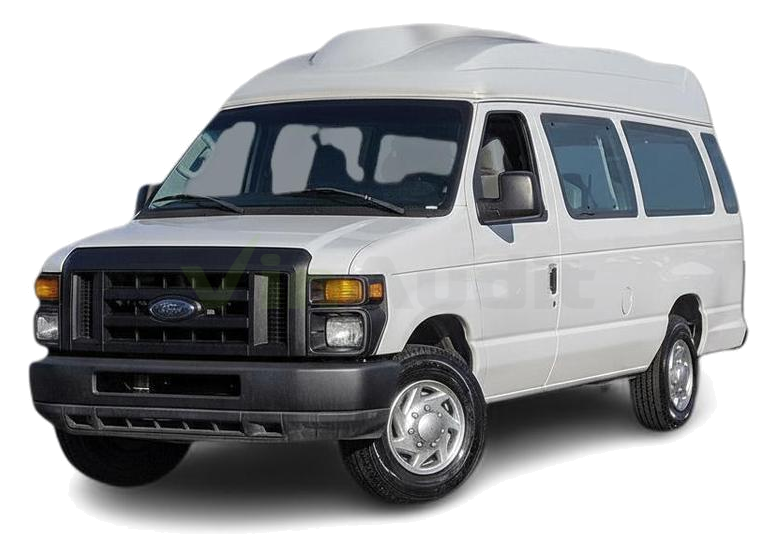
The Good
The 2010 Econoline offers impressive towing and hauling prowess for the practical buyer, coupled with a reputation for rugged reliability that builds emotional trust. Its spacious interior provides ample comfort for long hauls, and its straightforward design ensures ease of maintenance, representing exceptional long-term value.
The Bad
Potential buyers of the 2010 Ford Econoline should be aware of common issues such as aging interior materials, potential rust on the body, particularly around wheel wells and rocker panels, and the possibility of transmission issues in higher-mileage examples. Fuel economy is also a significant drawback.
2010 Ford Econoline: Quick Overview
- Engine Options:
- 4.6L Triton V8
- 5.4L Triton V8
- 6.8L Triton V10
- 4.0L Triton V6 (less common in 2010 for Econoline Vans, more prevalent in E-Series trucks of this era, but possible)
- Horsepower:
- 4.6L V8: Approximately 225 hp
- 5.4L V8: Approximately 255 hp
- 6.8L V10: Approximately 305 hp
- Fuel Economy (EPA Estimated):
- Typically in the range of 10-14 MPG city and 14-18 MPG highway, depending on engine and configuration. These figures are approximate and can vary significantly.
- 0-60 Times:
- As these are large, heavy vans, 0-60 times are generally not a primary focus. Estimates place them in the 9-12 second range depending on engine and load.
- Towing Capacity:
- Towing capacity varies significantly based on configuration, engine, and optional towing packages. Properly equipped Econolines can tow upwards of 10,000 lbs. Check specific vehicle configurations for exact ratings.
- Trim-Level Features:
XL (Base Trim):
- Often featured vinyl flooring, basic cloth seating, manual windows and locks, AM/FM radio, and a functional but spartan interior designed for work.
- Typically added features like power windows and door locks, cruise control, upgraded cloth seating, carpeted flooring, a better sound system, and sometimes a passenger-side mirror.
Common optional features across trims included air conditioning, a variety of audio system upgrades (including CD players), and for passenger versions, upgraded seating configurations and interior amenities.
2010 Ford Econoline Specifications
Vehicle Information
| Year | 2010 |
| Make | Ford |
| Model | Econoline |
| Trim | - |
| Style | - |
| Type | Van |
| Category | Cargo Van |
Manufacturing Details
| Made In | United States |
| Manufacturing City | AVON LAKE |
Dimensions
| Doors | - |
| Curb Weight | 5225 pounds |
| Gross Vehicle Weight Rating | 8900 pounds |
| Overall Height | 84.10 inches |
| Overall Length | 237.00 inches |
| Overall Width | 79.30 inches |
| Wheelbase Length | 138.00 inches |
| Standard Seating | 2 |
Engine & Performance
| Engine | 5.4L V8 |
| Engine Size | 5.4L |
| Engine Cylinders | 8 |
| Transmission | 4-Speed Automatic |
| Transmission Type | Automatic |
| Transmission Speeds | 4-Speed |
| Drivetrain | Rear-Wheel Drive |
Additional Features
| Anti-Brake System | 4-Wheel ABS |
| Steering Type | Recirculating |
Pricing
| Manufacturer Suggested Retail Price (MSRP) | $27,860 |
| Invoice Price | $25,654 |
| Delivery Charges | $980 |
Vehicle History Report
Specifications
History
Events
History Check
Check
Check
Check
Check
Listings
Recalls
Check
Analysis
What Problems Does the 2010 Ford Econoline Have?
Another area of concern, especially in regions with harsh weather, is rust. The body panels, particularly around the wheel wells, rocker panels, and along the bottom edges of doors, are prone to corrosion. This can become a significant structural and cosmetic issue over time.
The interior components, given the van's utilitarian nature and often demanding use, can also show wear. Dashboard plastics can become brittle, and seat upholstery may tear or wear thin. Electrical gremlins, while not epidemic, can occur, including issues with power windows, door locks, and the instrument cluster.
Regarding recalls for the 2010 model year, Ford has issued several for the E-Series vans, though many may have been addressed by now. Common recall areas have included issues with the fuel tank strap, potential airbag inflator defects, and sometimes issues with steering components. It is crucial for any potential buyer to verify if all applicable recalls have been completed on the specific vehicle.
Long-term reliability is generally considered good if the vehicle has been consistently maintained. However, the older design means that some components are more susceptible to wear and tear than in more modern vehicles. The powertrain, particularly the V8 engines, can be very durable, but like any engine, they require regular oil changes and proper servicing to achieve maximum longevity. The suspension and brake components are also subject to wear due to the vehicle's weight and intended use. Overall, while durable, expect some maintenance needs as the vehicle ages, with transmissions and body rust being the primary long-term concerns.
How long will the 2010 Ford Econoline last?
What Technology & Safety Features are Included?
Driver-assistance features were very limited for the 2010 model year. Parking sensors were sometimes available as an option, particularly for higher trims or on specific configurations. Rearview cameras were not standard and rarely offered. The focus was on mechanical robustness rather than electronic aids.
Safety features included front airbags as standard for the driver and front passenger. Anti-lock brakes (ABS) were also standard, providing crucial stopping power. Optional safety features could include a limited-slip differential for improved traction. For those opting for the passenger van configuration, additional seating rows with three-point seatbelts were the primary safety consideration for occupants.
Crash-test ratings for commercial vans like the 2010 Econoline are not always as comprehensively published by organizations like the NHTSA or IIHS as they are for passenger cars. However, Ford often subjected their commercial vehicles to rigorous internal testing. Generally, the Econoline was built with a sturdy frame designed to withstand demanding use, providing a degree of passive safety through its sheer mass and structural integrity. However, it lacked the active safety technologies and advanced passive safety systems found in contemporary passenger vehicles, which could lead to less favorable outcomes in severe collisions compared to modern alternatives. Owners should consult the NHTSA's website for any available ratings or recall information specific to their configuration.
What Colors Options are Available?
2010 Ford Econoline Prices and Market Value
2010 Ford Econoline Cost of Ownership
2010 Ford Econoline Fuel Efficiency
2010 Ford Econoline Recalls & Defects
Power Train:automatic Transmission
Power Train:clutch Assembly
2010 Ford Econoline Warranty
Basic
Powertrain
Rust
2010 Ford Econoline Insurance
reasonable repair costs.
How Does the 2010 Ford Econoline Compare to Other Van?
Performance: The Econoline, particularly with its V8 and V10 engine options, offered robust towing and hauling capabilities that were often superior to the base engines found in the Express/Savana. Its ride could be truck-like, but it was built for work. The Sprinter, with its diesel engines, offered better fuel economy and a more refined driving experience, but at a significantly higher price point.
Features: In 2010, the Econoline's feature set was relatively basic compared to modern vans. While XLT trims offered some conveniences like power windows, it lagged behind the Sprinter in terms of available advanced technology, driver aids, and interior refinement. The Express/Savana also offered a similarly utilitarian interior but had slightly more modern available options in some configurations.
Reliability: The Econoline has a reputation for solid, if unsophisticated, mechanical reliability, especially its powertrains. However, issues like rust and potential transmission problems can arise with age, similar to the Chevrolet Express/GMC Savana. The Sprinter, while often reliable, can be more expensive to repair due to its more complex systems and specialized parts.
Price: The Econoline generally offered a more affordable entry price both when new and on the used market compared to the Mercedes-Benz Sprinter. The Chevrolet Express/GMC Savana were often priced competitively with the Econoline.
Alternatives: For similar utilitarian capabilities and a lower used price point, the Chevrolet Express/GMC Savana are direct competitors that offer comparable performance and reliability. If a more refined driving experience, better fuel economy (especially with diesel), and more modern features are desired and budget allows, the Mercedes-Benz Sprinter is a superior, albeit more expensive, alternative. For those prioritizing fuel efficiency above all else and not needing extreme towing, exploring full-size SUVs or larger crossovers might be an option, though they lack the van's cargo volume.
Final Verdict: Is the 2010 Ford Econoline a Good Van?

Eugene S
Eugene is an automotive enthusiast with over 15 years of experience in the used car market. As a writer at VINCheck.info, he brings deep industry insight and a passion for cars, helping readers make smart, informed decisions. Eugene has written hundreds of used car reviews and is known for breaking down complex automotive topics into clear, actionable advice. Over the years, he has driven and worked on a wide range of vehicles—starting with tuning street cars in his early days and eventually focusing on performance upgrades and reliability improvements. Today, he specializes in evaluating used vehicles through the lens of real-world ownership and enthusiast needs. A longtime fan of Porsche, Eugene especially appreciates vehicles that blend durability with driving enjoyment.