
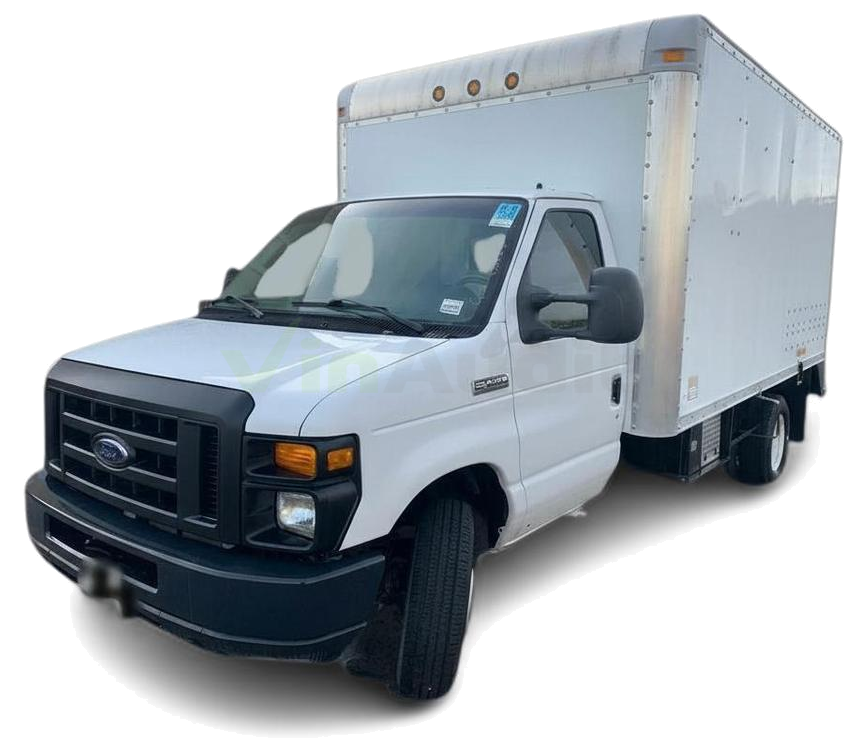
The Good
The 2009 Econoline boasts impressive hauling and towing capabilities, a reputation for rugged reliability, and a spacious, adaptable interior. Its simple, functional design appeals to practical needs, while its go-anywhere attitude and customization potential evoke a sense of freedom for enthusiasts. It offers substantial value for its work-oriented capabilities and longevity.
The Bad
Potential buyers of the 2009 Econoline should be aware of its dated interior design, relatively poor fuel economy compared to modern vehicles, and a ride that can be less refined than contemporary SUVs. Brake wear and potential transmission issues are also worth noting during inspection.
2009 Ford Econoline: Quick Overview
- Engine Options: The 2009 Ford Econoline offered a range of robust engine choices to suit various needs.
- A 4.6-liter V8 engine was a common option, producing approximately 225 horsepower and 286 lb-ft of torque.
- A more powerful 5.4-liter V8 engine was also available, delivering around 255 horsepower and 350 lb-ft of torque.
- For heavy-duty applications, a 6.8-liter V10 engine was an option, generating approximately 305 horsepower and 420 lb-ft of torque.
- Horsepower: Ranging from approximately 225 hp to 305 hp, depending on the selected engine.
- Fuel Economy: Fuel economy figures are not a strong suit for the Econoline due to its size and engine options. Expect figures in the range of 10-14 MPG combined for most configurations, with variations based on engine choice and driving conditions.
- 0-60 Times: Official 0-60 mph times are not typically published for commercial vans, but acceleration would be leisurely, generally well over 10 seconds, especially when loaded.
- Towing Capacity: The Econoline was designed with towing in mind. Depending on the configuration, engine, and axle ratios, towing capacities could range significantly, often from 5,000 lbs up to over 10,000 lbs for properly equipped models.
- Trim-Level Features:
- Base Models: Typically featured vinyl seating, manual windows and locks, basic AM/FM radio, and utilitarian interior appointments focused on durability.
- XLT Trim: Often added upgrades such as cloth seating, air conditioning, power windows and door locks, cruise control, a more advanced audio system, and improved interior trim. Optional packages could further enhance features like upgraded sound systems, rear climate control, and better upholstery.
2009 Ford Econoline Specifications
Vehicle Information
| Year | 2009 |
| Make | Ford |
| Model | Econoline |
| Trim | - |
| Style | - |
| Type | Truck |
| Category | Medium Truck |
Manufacturing Details
| Made In | United States |
| Manufacturing City | AVON LAKE |
Dimensions
| Doors | - |
| Curb Weight | 5254 pounds |
| Gross Vehicle Weight Rating | 8520 pounds |
| Overall Height | 80.90 inches |
| Overall Length | 211.90 inches |
| Overall Width | 70.10 inches |
| Wheelbase Length | 138.00 inches |
| Standard Seating | 8 |
Engine & Performance
| Engine | 4.6L V8 |
| Engine Size | 4.6L |
| Engine Cylinders | 8 |
| Transmission | 4-Speed Automatic |
| Transmission Type | Automatic |
| Transmission Speeds | 4-Speed |
| Drivetrain | Rear-Wheel Drive |
Additional Features
| Anti-Brake System | 4-Wheel ABS |
| Steering Type | Recirculating |
Pricing
| Manufacturer Suggested Retail Price (MSRP) | $30,955 |
| Invoice Price | $27,431 |
| Delivery Charges | $980 |
Vehicle History Report
Specifications
History
Events
History Check
Check
Check
Check
Check
Listings
Recalls
Check
Analysis
What Problems Does the 2009 Ford Econoline Have?
One frequently cited issue relates to the transmission. Reports of hard shifting, slipping gears, or complete transmission failure can occur, particularly on higher-mileage vehicles or those that have been used for heavy-duty work. Regular fluid changes and proper maintenance are crucial to prolonging transmission life.
Another area of concern can be the fuel system. Issues such as fuel pump failures, clogged fuel injectors, or problems with the fuel pressure regulator have been noted. These can lead to rough idling, poor acceleration, or the inability to start the engine.
The brake system is also a component that requires attention. Due to the weight of the vehicle and its intended use, brake pads and rotors can wear out more quickly than on lighter passenger vehicles. Some owners have reported premature wear or warping of brake rotors.
Regarding electrical components, minor issues such as faulty sensors, malfunctioning power windows, or problems with the interior lighting have been reported. While not typically catastrophic, these can be inconvenient and add to repair costs.
Suspension and steering components, such as ball joints, tie rod ends, and bushings, can also experience wear and tear over time, especially with extensive use or on rough roads. Symptoms might include clunking noises, loose steering, or uneven tire wear.
While specific recalls for the 2009 model year are not overwhelmingly numerous, it is always advisable to check the National Highway Traffic Safety Administration (NHTSA) database for any outstanding recalls that may apply to a particular VIN. Generally, the Econoline has a reputation for solid long-term reliability if properly maintained. Its simple, robust construction means that many of its components are designed for durability, but as with any vehicle, regular maintenance is the key to preventing major issues and ensuring longevity.
How long will the 2009 Ford Econoline last?
What Technology & Safety Features are Included?
Driver-assistance features were virtually non-existent in the 2009 Econoline. The focus was on the core driving experience, not on electronic aids. You won't find features like blind-spot monitoring, lane departure warning, or adaptive cruise control. The available technology was geared towards practicality and ease of use, not advanced driver support.
Safety features were more conventional for the time. Standard equipment typically included front airbags for the driver and front passenger, anti-lock brakes (ABS) on all wheels, and a rearview mirror. Some models might have offered optional side airbags or a more robust security system. The vehicle's sheer size and weight inherently provide a degree of passive safety, acting as a substantial buffer in collisions.
Crash-test ratings for the 2009 Ford Econoline are not readily available in the same format as modern passenger vehicles. Vans of this type were often tested differently, with a focus on occupant protection in specific scenarios. However, its robust construction and the presence of essential safety features like ABS and airbags provided a reasonable level of protection for its intended purpose. The overall emphasis was on a solid chassis and protective cabin rather than sophisticated electronic safety nets. For those seeking advanced tech and driver aids, the 2009 Econoline would be a significant step back from contemporary passenger cars and SUVs.
What Colors Options are Available?
2009 Ford Econoline Prices and Market Value
2009 Ford Econoline Cost of Ownership
2009 Ford Econoline Fuel Efficiency
2009 Ford Econoline Recalls & Defects
Power Train:automatic Transmission
Power Train:clutch Assembly
2009 Ford Econoline Warranty
Basic
Powertrain
Rust
2009 Ford Econoline Insurance
reasonable repair costs.
How Does the 2009 Ford Econoline Compare to Other Truck?
Performance: The Econoline offered a range of V8 and V10 engines that provided strong towing and hauling power, comparable to the Chevrolet/GMC offerings. Its performance was geared towards work, not sporty driving. The Sprinter, with its diesel options, often offered better fuel economy but a different power delivery.
Features: In terms of features, the 2009 Econoline was quite basic. It lagged behind newer designs in terms of available technology, infotainment, and driver-assistance systems. The Chevrolet/GMC vans were similarly utilitarian. The Sprinter, however, often came with more modern amenities and a more car-like interior, though at a premium.
Reliability: The Econoline has a strong reputation for mechanical reliability and durability, especially its powertrain. The Chevrolet/GMC vans are also known for their robustness. The Sprinter, while capable, can sometimes have more complex and costly repairs associated with its diesel engines and intricate systems.
Price: The 2009 Econoline was generally a more affordable option when new and continues to be a cost-effective choice on the used market compared to a contemporary Sprinter. The Chevrolet/GMC vans were priced competitively with the Econoline.
Alternatives:
- Chevrolet Express/GMC Savana (2009): These are the most direct competitors. They offer similar utilitarian capabilities, robust powertrains, and comparable pricing. Reliability is also a strong point.
- Mercedes-Benz Sprinter (2009): If fuel efficiency (especially with diesel engines) and a more modern feel are priorities, the Sprinter is an alternative, but expect higher purchase and maintenance costs.
Final Verdict: Is the 2009 Ford Econoline a Good Truck?

Cathleen V
Cathleen is an exceptional freelance writer covering hot topics in the automotive world from a gearhead's perspective. Her articles delve into various aspects of automotive technology and history, offering readers detailed insights into engine performance, reliability, and maintenance. Through her engaging and informative writing, Cathleen provides valuable information to automotive enthusiasts and consumers alike, helping them make informed decisions about vehicle maintenance and purchases.