
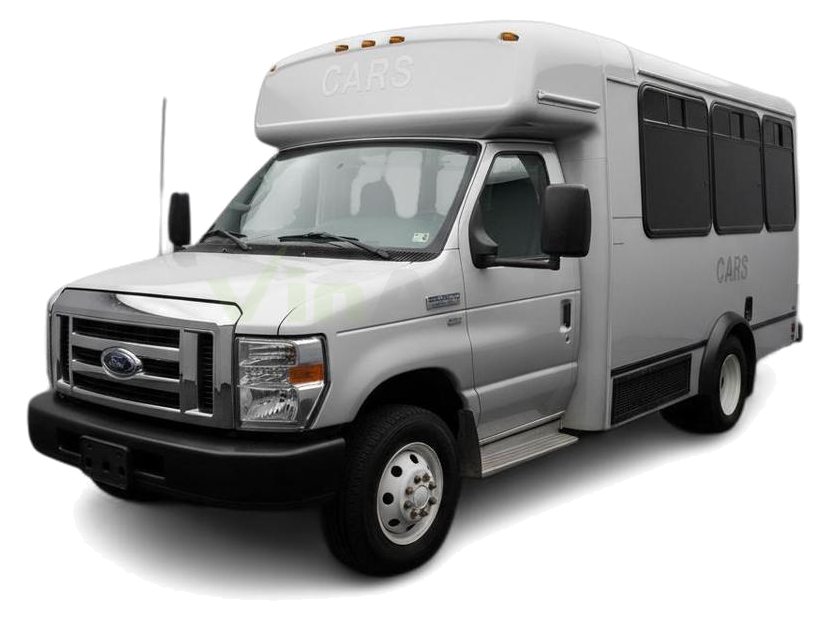
The Good
The 2013 Ford Econoline excels in raw capability, offering powerful engine options and impressive towing capacity that appeals to the practical buyer. Its legendary reliability and rugged construction provide peace of mind, while the spacious cabin offers surprising comfort for its utilitarian design. This van represents exceptional value, delivering a workhorse that can handle demanding tasks and serve reliably for years.
The Bad
Potential buyers of the 2013 Ford Econoline should be aware of its age-related issues. Common concerns include rust, particularly on the underbody and wheel wells, as well as potential electrical gremlins. The older interior design might also feel dated to some, and fuel economy is not a strong suit.
2013 Ford Econoline: Quick Overview
- Engine Options: The 2013 Ford Econoline offered a choice of three gasoline V8 engines.
- 4.6L Triton V8: Produces 225 horsepower and 286 lb-ft of torque.
- 5.4L Triton V8: Produces 255 horsepower and 350 lb-ft of torque.
- 6.8L Triton V10: Produces 305 horsepower and 420 lb-ft of torque.
- Transmission: All engines were paired with a 4-speed automatic transmission.
- Fuel Economy: Estimated EPA ratings were around 10-12 MPG city and 13-15 MPG highway, varying by engine and configuration. This is a typical characteristic of large, V8-powered vans.
- 0-60 Times: Official 0-60 mph times are not typically published for commercial vans, but generally, expect acceleration to be leisurely, especially when loaded. Estimates would place it in the 9-11 second range for unladen models.
- Towing Capacity: The Econoline was designed for significant towing. Properly equipped models could tow up to 10,000 pounds, depending on the specific configuration (e.g., wheelbase, axle ratio, engine). This made it suitable for hauling trailers, boats, or equipment.
- Trim-Level Features:
- XL Trim: Typically included basic necessities such as vinyl flooring, manual windows and locks, and a simple audio system. This was the workhorse trim, designed for maximum utility and cost-effectiveness.
- XLT Trim: Offered more creature comforts and convenience features. This could include cloth upholstery, power windows and locks, cruise control, a more advanced audio system, and sometimes a tilt steering wheel. It provided a more comfortable experience for passenger transport or longer workdays.
- Body Styles: Available in standard and long-wheelbase versions, as well as Cargo Van and Passenger Van configurations.
- Optional Features: Options could include rear climate control, a towing package, upgraded audio systems, and various upfitter packages for specialized commercial use.
- XL Trim: Typically included basic necessities such as vinyl flooring, manual windows and locks, and a simple audio system. This was the workhorse trim, designed for maximum utility and cost-effectiveness.
2013 Ford Econoline Specifications
Vehicle Information
| Year | 2013 |
| Make | Ford |
| Model | Econoline |
| Trim | - |
| Style | 5-Speed |
| Type | Van |
| Category | Cargo Van |
Manufacturing Details
| Made In | United States |
| Manufacturing City | AVON LAKE |
Dimensions
| Doors | 3-Door |
| Curb Weight | 5388 pounds |
| Gross Vehicle Weight Rating | 9500 pounds |
| Overall Height | 83.70 inches |
| Overall Length | 216.70 inches |
| Overall Width | 79.40 inches |
| Wheelbase Length | 138.00 inches |
| Standard Seating | 2 |
Engine & Performance
| Engine | 6.8L V10 |
| Engine Size | 6.8L |
| Engine Cylinders | 8 |
| Transmission | 5-Speed Automatic |
| Transmission Type | Automatic |
| Transmission Speeds | 5-Speed |
| Drivetrain | Rear-Wheel Drive |
Additional Features
| Anti-Brake System | 4-Wheel ABS |
| Steering Type | Recirculating |
Pricing
| Manufacturer Suggested Retail Price (MSRP) | $31,485 |
| Invoice Price | $29,046 |
| Delivery Charges | $995 |
Vehicle History Report
Specifications
History
Events
History Check
Check
Check
Check
Check
Listings
Recalls
Check
Analysis
What Problems Does the 2013 Ford Econoline Have?
Brake wear is also frequently mentioned, which is not entirely surprising for a heavy-duty vehicle, but it's something to monitor closely. Some owners have experienced premature wear on rotors and pads.
Electrical gremlins can also surface in older Econolines. This might manifest as issues with power windows, door locks, interior lights, or even the instrument cluster malfunctioning. These can be difficult to diagnose and repair.
Rust and corrosion are significant long-term concerns, especially for vehicles used in areas with harsh winters or coastal environments. The undercarriage, wheel wells, rocker panels, and doors are particularly susceptible. Thorough inspection for rust is crucial when buying a used 2013 Econoline.
While there haven't been widespread, model-year-specific major recalls for the 2013 model that stand out significantly from general wear-and-tear, it's always advisable to check the National Highway Traffic Safety Administration (NHTSA) website for any outstanding recalls associated with a specific VIN. The overall reliability of the Econoline is good, but it's a vehicle that requires consistent maintenance to avoid these common problems. Neglecting maintenance, especially fluid changes for the transmission and rear axle, can exacerbate these issues and lead to costly repairs down the line.
How long will the 2013 Ford Econoline last?
What Technology & Safety Features are Included?
Built-in Tech and Entertainment: Standard features were generally basic. Expect an AM/FM radio with either two or four speakers. Higher trims (XLT) might have offered an auxiliary audio input jack. Options could have included an upgraded audio system with CD player, and for the passenger versions, rear-seat entertainment systems were sometimes available. However, features like Bluetooth connectivity, touchscreens, or integrated navigation were not standard and were rare as factory options. The focus was on providing essential audio playback rather than a comprehensive infotainment experience.
Driver-Assistance Features: Driver-assistance features were virtually non-existent in the 2013 Econoline. There were no blind-spot monitoring, lane departure warning, or adaptive cruise control systems. The primary driver aids were the sturdy construction and good visibility offered by the van's design.
Safety Features: Standard safety equipment typically included front airbags for the driver and front passenger, and anti-lock brakes (ABS). Available safety features could include side-curtain airbags for passenger versions and a rearview camera (often as an optional accessory for cargo vans).
Crash-Test Ratings: As a commercial van, the Econoline did not undergo the same rigorous crash testing by agencies like the NHTSA or IIHS as passenger cars and SUVs. While it would have met federal safety standards for its class, specific, detailed crash-test ratings like 'Top Safety Pick' or star ratings are not readily available in the same way they are for consumer-focused vehicles. Its sturdy construction and body-on-frame design provided a degree of inherent structural integrity.
What Colors Options are Available?
2013 Ford Econoline Prices and Market Value
2013 Ford Econoline Cost of Ownership
2013 Ford Econoline Fuel Efficiency
2013 Ford Econoline Safety Rating
IIHS
2013 Ford Econoline Recalls & Defects
Power Train:automatic Transmission
Power Train:clutch Assembly
2013 Ford Econoline Warranty
Basic
Powertrain
Rust
2013 Ford Econoline Insurance
reasonable repair costs.
How Does the 2013 Ford Econoline Compare to Other Van?
Performance: The Econoline, with its V8 engines, offered strong towing and hauling power, comparable to the Express/Savana. The Sprinter, often equipped with a diesel engine, generally offered better fuel economy and a smoother ride, but at a higher initial cost. The Econoline's performance was robust and dependable for work.
Features: In terms of features, the 2013 Econoline was basic, aligning with the Chevrolet Express/GMC Savana. Both American vans lagged significantly behind the Mercedes-Benz Sprinter, which offered more modern amenities, a more refined interior, and superior technology, even in 2013. If creature comforts and advanced tech were priorities, the Sprinter was the clear leader.
Reliability: The Econoline and its GM counterparts are known for their ruggedness and simplicity, making them relatively reliable, especially for basic transportation and hauling. The Sprinter, while technologically advanced, could sometimes be more prone to complex, expensive repairs and had its own set of potential issues. However, the Sprinter's diesel engines often offered longer lifespans if well-maintained.
Price: The 2013 Ford Econoline was generally the most affordable option when new and on the used market compared to the Sprinter. The Express/Savana were similarly priced to the Econoline.
Alternatives: If a more modern interior, better fuel efficiency, and advanced features were desired, the Mercedes-Benz Sprinter is a superior, albeit more expensive, alternative. For a similar utilitarian purpose and price point, the Chevrolet Express and GMC Savana offer comparable capabilities, though the Econoline often had a slight edge in perceived build quality and towing prowess for some buyers. The Econoline remains a solid choice for those prioritizing raw utility and a proven, simple design over modern amenities.
Final Verdict: Is the 2013 Ford Econoline a Good Van?

Jovan
Jovan specializes in interpreting vehicle records and making sense of VIN data. With over 10 years of experience in the automotive data industry, his work ensures that every report is clear, accurate, and useful for car buyers.