
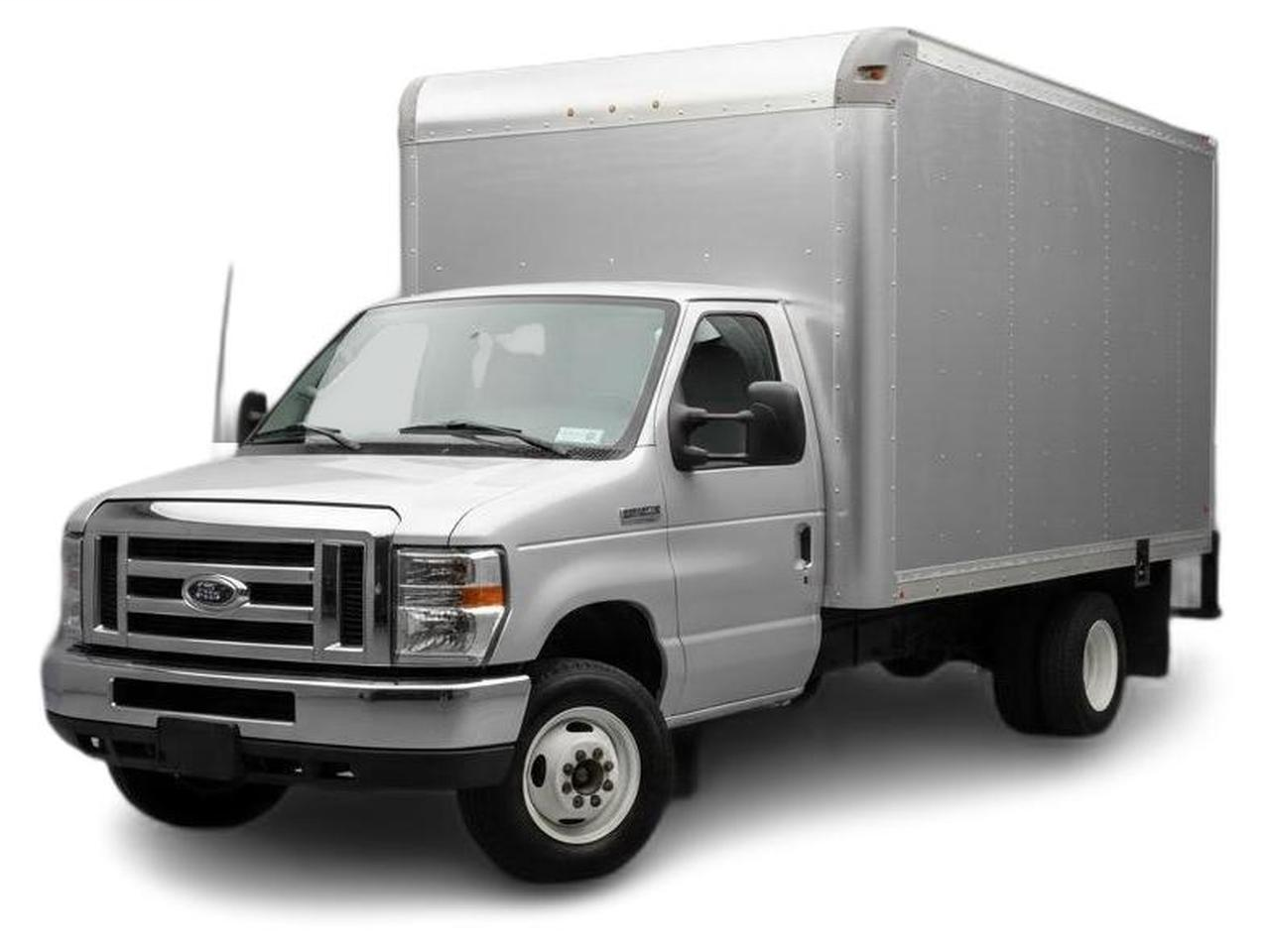
The 2017 Ford Econoline, officially known as the E-Series, is a venerable full-size van with a legacy stretching back decades. Available in cargo and passenger configurations, it served as a workhorse for businesses and a people-mover for families. Key trims included the base XL and the slightly more equipped XLT. Its enduring popularity stems from its robust build, versatile interior, and legendary reliability, making it a go-to choice for demanding tasks.
The Good
The 2017 Ford Econoline excels in raw capability and unwavering reliability, offering a commanding presence on the road. Its spacious interior provides practical utility, while its proven powertrain delivers confident performance. For owners, it represents a dependable, no-nonsense tool and a comforting assurance of getting the job done.
The Bad
Potential buyers of the 2017 Ford Econoline should be aware of its dated interior design and technology, as well as its lower fuel efficiency compared to modern vans. Ride comfort can also be a trade-off for its rugged construction, and some older models may exhibit signs of wear and tear.
2017 Ford Econoline: Quick Overview
- Engine Options: The 2017 Ford Econoline was offered with a choice of two robust gasoline engines:
- 4.6L V8
- 5.4L V8
- Horsepower:
- 4.6L V8: Approximately 225 horsepower
- 5.4L V8: Approximately 255 horsepower
- Fuel Economy: Due to its size and engine options, fuel economy was not a strong suit. Expect estimates in the range of 10-13 MPG combined, varying with engine and driving conditions.
- 0-60 Times: Official 0-60 mph times were not typically published for these commercial-oriented vehicles. However, acceleration would be considered leisurely, especially when loaded.
- Towing Capacity: The Econoline offered significant towing capabilities, with capacities often reaching up to 10,000 pounds or more, depending on the specific configuration and optional towing packages.
- Trim-Level Features:
- XL Trim: This base trim typically included essential features such as vinyl seating, durable interior materials, basic AM/FM radio, and manual windows and locks. It was geared towards maximum utility and cost-effectiveness for fleet buyers.
- XLT Trim: The XLT offered a step up in comfort and convenience. It often included features like cloth seating, power windows and locks, cruise control, a more premium audio system, and potentially air conditioning as standard or a more widely available option.
- Body Styles: Available as both a cargo van (E-Series Van) and a passenger van (E-Series Wagon).
- Transmission: Typically paired with a 4-speed automatic transmission.
- Drivetrain: Rear-wheel drive was standard.
- Wheelbase: Offered in different wheelbase lengths to accommodate varying cargo or passenger needs.
2017 Ford Econoline Specifications
Vehicle Information
| Year | 2017 |
| Make | Ford |
| Model | Econoline |
| Trim | - |
| Style | - |
| Type | Van |
| Category | Cargo Van |
Manufacturing Details
| Made In | United States |
| Manufacturing City | AVON LAKE |
Dimensions
| Doors | 2-Door |
| Curb Weight | - |
| Gross Vehicle Weight Rating | - |
| Overall Height | - |
| Overall Length | - |
| Overall Width | - |
| Wheelbase Length | - |
| Standard Seating | - |
Engine & Performance
| Engine | 6.8L V10 |
| Engine Size | 6.8L |
| Engine Cylinders | 10 |
| Transmission | 6-Speed Automatic |
| Transmission Type | Automatic |
| Transmission Speeds | 6-Speed |
| Drivetrain | Rear-Wheel Drive |
Additional Features
| Anti-Brake System | - |
| Steering Type | - |
Pricing
| Manufacturer Suggested Retail Price (MSRP) | - |
| Invoice Price | - |
| Delivery Charges | - |
Vehicle History Report
Vehicle
Specifications
Specifications
Ownership
History
History
All History
Events
Events
NMVTIS Title
History Check
History Check
Salvage/Rebuilt
Check
Check
Accident
Check
Check
Theft
Check
Check
Open Lien
Check
Check
Past Sale
Listings
Listings
Safety
Recalls
Recalls
Odometer
Check
Check
Market Price
Analysis
Analysis
What Problems Does the 2017 Ford Econoline Have?
The 2017 Ford Econoline, being part of a long-running and largely unchanged generation, shares many common issues with its predecessors. While generally considered reliable, some frequently reported problems can arise, especially as mileage increases. A common concern revolves around the ignition system, with reports of ignition coil failures and spark plug issues contributing to misfires and rough idling. Transmission problems, though not as widespread as some other vans, can occur, including issues with shifting and potential failure of the torque converter. The cooling system is another area to watch; radiator leaks and water pump failures have been noted. Regarding braking systems, premature wear of brake pads and rotors is not uncommon, given the vehicle's weight and potential for heavy use. Some owners have reported issues with the electrical system, such as faulty power window motors, malfunctioning door locks, and intermittent dashboard warning lights. The exhaust system, particularly the catalytic converter, can be prone to issues due to age and heat. While specific recalls for the 2017 model year are less frequent, it's always prudent to check the National Highway Traffic Safety Administration (NHTSA) database for any outstanding safety recalls. Long-term reliability is generally good if the vehicle is consistently maintained with regular oil changes, fluid flushes, and inspections. However, the aging design means that many components are subject to wear and tear over time, and repairs can be costly due to the size and complexity of the vehicle. The V8 engines, while powerful, can also be more prone to oil leaks as they age. Rust can also be a concern, especially in regions with harsh winters and road salt usage, particularly around the wheel wells and rocker panels.
How long will the 2017 Ford Econoline last?
The 2017 Ford Econoline is built for durability, and with proper and consistent maintenance, it's not uncommon for these vans to reach 200,000 to 300,000 miles or more. Many owners report them serving faithfully for 15 to 20 years. Key to this longevity is regular oil changes, transmission fluid service, and coolant flushes. Weaknesses that can emerge over time include potential rust, especially in harsher climates, and wear and tear on suspension and braking components due to its substantial weight and the demands often placed upon it. However, the robust powertrain and chassis are designed for extended service life, making it a truly long-lasting vehicle if cared for.
What Technology & Safety Features are Included?
The 2017 Ford Econoline's technology, entertainment, driver-assistance, and safety features reflect its utilitarian purpose and the era in which its design was established, meaning they are more basic compared to contemporary vehicles. Built-in tech was largely focused on functionality. Standard entertainment typically consisted of an AM/FM radio, often with a single-disc CD player. An auxiliary input jack was sometimes available for connecting external devices. Higher trims like the XLT might have offered a slightly upgraded audio system. Bluetooth connectivity for hands-free calling was an optional upgrade, but not standard across all configurations. Advanced driver-assistance features were virtually non-existent. The Econoline lacked modern amenities like adaptive cruise control, lane departure warning, or blind-spot monitoring. Driver aids were limited to standard features such as antilock brakes (ABS) and electronic stability control (ESC) as mandatory safety equipment. Optional features might have included a rearview camera for easier maneuvering, particularly in cargo applications. Safety-wise, the Econoline was equipped with front airbags for the driver and passenger. Side airbags were not commonly offered. Seatbelt pretensioners were standard. Due to its commercial nature and aging design, comprehensive crash-test ratings from organizations like the IIHS or NHTSA are often limited or may not reflect current testing standards. However, its strong, body-on-frame construction provides a solid foundation. The focus was on occupant protection through basic structural integrity and airbags rather than advanced collision avoidance systems. The available technology prioritizes utility and simple operation over sophisticated connectivity or advanced driver aids.
What Colors Options are Available?
2017 Ford Econoline Prices and Market Value
When new, the 2017 Ford Econoline had an MSRP that typically ranged from the mid-$20,000s for base cargo models to the high-$30,000s or more for well-equipped passenger versions. Today, the used market prices for a 2017 Econoline can vary significantly, generally falling between $10,000 and $25,000, heavily influenced by mileage, condition, trim level, and whether it's a cargo or passenger variant. These vans exhibit a moderate depreciation curve. While they don't hold value as strongly as popular SUVs or trucks, their reputation for durability and utility means they retain value well within the commercial van segment. Factors affecting resale value include the presence of maintenance records, overall wear and tear (especially rust on the body), and the number of previous owners. Clean, well-maintained examples with lower mileage command higher prices.
2017 Ford Econoline Cost of Ownership
Owning a 2017 Ford Econoline can be considered moderately costly, though not prohibitively so, especially when compared to its utility. Insurance costs will likely be higher than for a passenger car due to its size and commercial classification. Fuel expenses are significant, with V8 engines delivering poor MPG. Maintenance is straightforward but can be pricey due to the vehicle's size, with routine services like oil changes costing more. Repairs, if needed, can also be substantial given the van's complexity and the cost of specialized parts. While durable, its long-term ownership costs lean towards being more expensive than a typical sedan, primarily driven by fuel consumption and potential repair bills on older components.
2017 Ford Econoline Fuel Efficiency
Fuel Type
Gasoline
Fuel Capacity
40 gallons
City Mileage
-
Highway Mileage
0 miles/gallon
2017 Ford Econoline Warranty
Basic
Original warranty
0 months / No data
Estimated remaining
Expired
Powertrain
Original warranty
0 months / No data
Estimated remaining
Expired
Rust
Original warranty
0 months / No data
Estimated remaining
Expired
2017 Ford Econoline Insurance
Insurance for a 2017 Ford Econoline is moderately priced, reflecting its status as a Van with strong safety ratings and
reasonable repair costs.
How Does the 2017 Ford Econoline Compare to Other Van?
The 2017 Ford Econoline competed primarily against rivals like the Chevrolet Express and GMC Savana, and to some extent, the Mercedes-Benz Sprinter (though the Sprinter occupied a more premium, European-designed segment). In terms of performance, the Econoline's V8 engines offered stout power for hauling and towing, often matching or exceeding the base engines of its GM counterparts. However, its handling and ride comfort were decidedly utilitarian, lacking the more refined feel of the Sprinter. Features-wise, the Econoline was a dinosaur. Its interior design, technology, and safety features were significantly behind the curve compared to even its direct competitors, let alone the more modern Sprinter. Reliability is where the Econoline traditionally shone. Its simple, proven engineering made it a dependable workhorse, often surpassing the reliability perception of older GM vans and certainly the more complex Sprinter. Price was a strong point for the Econoline; it was generally more affordable both new and used than the Sprinter, and often competitively priced with the GM twins, offering excellent value for its ruggedness. Better alternatives for those prioritizing modern features and fuel efficiency would be the Ram ProMaster or the Ford Transit (which replaced the Econoline). For those needing a more premium, comfortable, and technologically advanced experience, the Mercedes-Benz Sprinter remains a top choice, albeit at a higher cost. If a straightforward, no-frills, durable work van is the priority, the 2017 Econoline or its GM counterparts remain viable, though one must accept its limitations in comfort and modern amenities.
Final Verdict: Is the 2017 Ford Econoline a Good Van?

The 2017 Ford Econoline is ideally suited for tradespeople, small businesses, or individuals who prioritize ruggedness, unwavering reliability, and utilitarian capability over modern creature comforts and cutting-edge technology. It's an excellent choice if you need a straightforward, dependable work van for hauling equipment or transporting groups without fuss. It's definitely worth buying, but almost exclusively in the used market, as new models are no longer produced. Look for well-maintained examples, preferably with lower mileage and a history of regular service. While all trims offer utility, the XLT might provide a slightly more comfortable experience for passenger variants. Be prepared for lower fuel economy and fewer modern amenities; if those are critical, consider newer alternatives like the Ford Transit.