
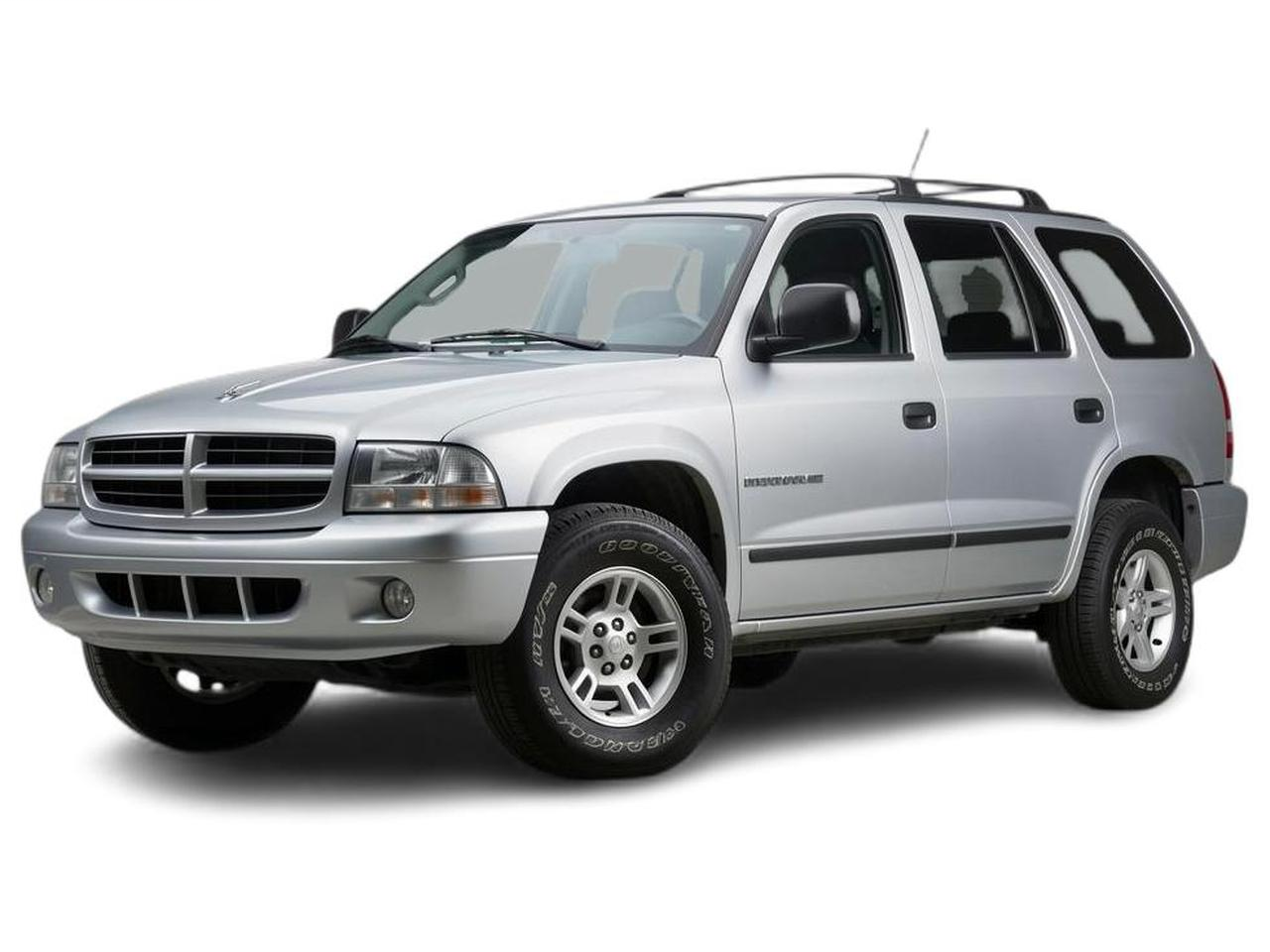
The 1998 Dodge Durango, part of the first generation (1998-2003), was a mid-size SUV that aimed to blend truck-like capability with family-friendly practicality. It featured a body-on-frame construction, available in SE, SLT, and the more premium LXT trims. Its popularity stemmed from its distinctive styling, spacious interior, and powerful V8 engine options, offering a compelling alternative to established players in the segment.
The Good
The 1998 Durango offered robust performance with available V8 engines, a rugged design that appealed to adventure seekers, and a comfortable, roomy interior for families. Its value proposition was strong, providing capability and style at a competitive price point.
The Bad
Potential buyers should be aware of common issues like transmission problems, rust in certain areas, especially on the unibody structure, and some electrical gremlins. Brake wear and suspension components can also be points of concern on higher-mileage examples.
1998 Dodge Durango: Quick Overview
- Engine Options:
- 3.9L Magnum V6
- 5.2L Magnum V8
- 5.9L Magnum V8
- Horsepower:
- 3.9L V6: Approximately 175 hp
- 5.2L V8: Approximately 230 hp
- 5.9L V8: Approximately 245 hp
- Fuel Economy (EPA Estimated):
- 3.9L V6 (2WD): Around 15 MPG city / 19 MPG highway
- 5.2L V8 (2WD): Around 13 MPG city / 17 MPG highway
- 5.2L V8 (4WD): Around 13 MPG city / 16 MPG highway
- 5.9L V8 (2WD): Around 12 MPG city / 16 MPG highway
- 5.9L V8 (4WD): Around 12 MPG city / 15 MPG highway
- Note: Real-world fuel economy can vary significantly based on driving conditions and maintenance.
- 0-60 Times (Estimated):
- V6 models: In the 9-10 second range
- 5.2L V8 models: Around 7.5-8.5 seconds
- 5.9L V8 models: Around 7-8 seconds
- These are estimates and can vary.
- Towing Capacity: The towing capacity varied based on engine, drivetrain, and axle ratio, but could range from approximately 6,000 lbs to over 7,000 lbs when properly equipped.
- Trim-Level Features:
- SE: Typically included standard features like air conditioning, power windows and locks (on some models), AM/FM stereo, and a rear-wheel antilock braking system (ABS). It served as the base model.
- SLT: Added more comfort and convenience features over the SE, often including upgraded cloth seating, power mirrors, cruise control, and a more premium audio system. Alloy wheels were also common.
- LXT: This was the top-tier trim, often featuring leather seating, a premium Infinity sound system, a power driver's seat, a sunroof (optional), and other luxury appointments.
- All trims generally offered a split-folding rear seat for cargo versatility and a generally robust interior layout suitable for families.
1998 Dodge Durango Specifications
Vehicle Information
| Year | 1998 |
| Make | Dodge |
| Model | Durango |
| Trim | - |
| Style | 4-Door Sport Utility Vehicle Vehicle |
| Type | Sport Utility Vehicle |
| Category | - |
Manufacturing Details
| Made In | - |
| Manufacturing City | - |
Dimensions
| Doors | 4-Door |
| Curb Weight | - |
| Gross Vehicle Weight Rating | - |
| Overall Height | - |
| Overall Length | - |
| Overall Width | - |
| Wheelbase Length | - |
| Standard Seating | - |
Engine & Performance
| Engine | - |
| Engine Size | - |
| Engine Cylinders | - |
| Transmission | - |
| Transmission Type | - |
| Transmission Speeds | - |
| Drivetrain | - |
Additional Features
| Anti-Brake System | - |
| Steering Type | - |
Pricing
| Manufacturer Suggested Retail Price (MSRP) | - |
| Invoice Price | - |
| Delivery Charges | - |
Vehicle History Report
Vehicle
Specifications
Specifications
Ownership
History
History
All History
Events
Events
NMVTIS Title
History Check
History Check
Salvage/Rebuilt
Check
Check
Accident
Check
Check
Theft
Check
Check
Open Lien
Check
Check
Past Sale
Listings
Listings
Safety
Recalls
Recalls
Odometer
Check
Check
Market Price
Analysis
Analysis
What Problems Does the 1998 Dodge Durango Have?
The 1998 Dodge Durango, being one of the earlier models of its generation, has some commonly reported issues that owners and potential buyers should be aware of. One of the most significant concerns revolves around the transmission, particularly the 46RE and 45RFE automatics. These can experience premature failure, often manifesting as slipping gears, delayed engagement, or a complete loss of drive. Regular fluid changes and cooling are crucial, but even then, they can be a weak point. Rust is another prevalent issue, especially in regions with harsh winters and road salt. The unibody structure, along with wheel wells, rocker panels, and frame rails, can be susceptible to significant corrosion over time. Inspecting these areas thoroughly is vital. Engine-related issues, while generally robust with the Magnum V8s, can include intake manifold gasket leaks, which can lead to coolant loss and overheating. The 3.9L V6, while more economical, can be underpowered for the Durango's size and may be pushed harder, potentially leading to more wear. Brake wear is often reported as being quicker than some competitors, so checking the condition of rotors and pads is recommended. Electrical gremlins, such as faulty power window motors, door lock actuators, and issues with the instrument cluster, have also been noted. While there aren't widespread catastrophic recalls specifically for the 1998 model year that stand out prominently, it's always advisable to check the National Highway Traffic Safety Administration (NHTSA) website for any recalls that may have been issued for specific components or issues throughout the vehicle's life. Long-term reliability can be good if meticulously maintained, but the aforementioned issues, particularly transmission and rust, can significantly impact longevity and repair costs.
How long will the 1998 Dodge Durango last?
Based on owner data and typical maintenance, a well-maintained 1998 Dodge Durango can realistically achieve an average of 150,000 to 200,000 miles, with some examples exceeding 250,000 miles. The long-term durability is heavily influenced by the owner's commitment to regular maintenance, especially concerning the transmission fluid and coolant. The Magnum V8 engines are generally durable and can last a long time with proper care. However, the aforementioned weaknesses, particularly transmission failures and rust, can significantly shorten the vehicle's service life if not addressed proactively. Neglecting routine maintenance will likely lead to premature component failures and a shorter overall lifespan.
What Technology & Safety Features are Included?
The 1998 Dodge Durango was equipped with a focus on practicality rather than cutting-edge technology, which was typical for vehicles of that era. Standard safety features included four-wheel anti-lock braking system (ABS), which helped prevent wheel lock-up during hard braking, and driver and passenger airbags. Seatbelt pretensioners were also standard to enhance occupant protection in a collision.
In terms of entertainment, base models usually came with a standard AM/FM stereo radio, often with a cassette player. Higher trims, like the SLT and especially the LXT, could be optioned with more sophisticated audio systems, including CD players and even premium brands like Infinity sound systems, offering better sound quality and more speaker configurations. Features like power windows, power door locks, and cruise control were becoming increasingly standard but could be optional on the absolute base SE trim.
Driver-assistance features were minimal by today's standards. The ABS was the primary active safety system. There were no advanced electronic stability control systems or traction control available on the 1998 model year.
Regarding crash-test ratings, the 1998 Dodge Durango underwent testing by the National Highway Traffic Safety Administration (NHTSA). It generally performed moderately well for its time. For frontal impacts, it received four out of five stars for the driver and front passenger. Side-impact ratings were also decent, but it's important to note that the testing protocols and standards have evolved significantly since 1998. These ratings indicate a reasonable level of protection for its class and era, but modern vehicles offer substantially more advanced safety technology and structural integrity.
In terms of entertainment, base models usually came with a standard AM/FM stereo radio, often with a cassette player. Higher trims, like the SLT and especially the LXT, could be optioned with more sophisticated audio systems, including CD players and even premium brands like Infinity sound systems, offering better sound quality and more speaker configurations. Features like power windows, power door locks, and cruise control were becoming increasingly standard but could be optional on the absolute base SE trim.
Driver-assistance features were minimal by today's standards. The ABS was the primary active safety system. There were no advanced electronic stability control systems or traction control available on the 1998 model year.
Regarding crash-test ratings, the 1998 Dodge Durango underwent testing by the National Highway Traffic Safety Administration (NHTSA). It generally performed moderately well for its time. For frontal impacts, it received four out of five stars for the driver and front passenger. Side-impact ratings were also decent, but it's important to note that the testing protocols and standards have evolved significantly since 1998. These ratings indicate a reasonable level of protection for its class and era, but modern vehicles offer substantially more advanced safety technology and structural integrity.
What Colors Options are Available?
1998 Dodge Durango Prices and Market Value
When new, the 1998 Dodge Durango's price ranged from approximately $26,000 for a base SE model to over $35,000 for a well-equipped LXT trim. As with most vehicles, the Durango experienced significant depreciation in its early years. Current used market prices for a 1998 Dodge Durango can vary widely, typically ranging from $1,500 to $4,000, heavily depending on mileage, condition, trim level, and maintenance history. Factors affecting resale value include the presence of rust, the condition of the transmission, and overall mechanical soundness. Higher mileage and visible wear will substantially decrease its value, while a well-maintained, low-mileage example in good condition could fetch a slightly higher price, though it will always be a budget-friendly option.
1998 Dodge Durango Cost of Ownership
The 1998 Dodge Durango is generally considered moderately economical to own, especially considering its capabilities, but repair costs can escalate. Insurance premiums are typically reasonable for a vehicle of its age and class. Fuel costs will be higher than a smaller car due to its V8 engine options and less efficient aerodynamics, especially with the 5.9L. Routine maintenance, such as oil changes and tire rotations, is standard. However, potential repairs for common issues like transmission problems or rust can be significant expenses, making it important to factor in a buffer for unexpected repairs. Overall, while not prohibitively expensive, it requires diligent maintenance to keep ownership costs manageable.
1998 Dodge Durango Fuel Efficiency
Fuel Type
-
Fuel Capacity
-
City Mileage
-
Highway Mileage
-
1998 Dodge Durango Safety Rating
NHTSA
1998 Dodge Durango Insurance
Insurance for a 1998 Dodge Durango is moderately priced, reflecting its status as a Sport Utility Vehicle with strong safety ratings and
reasonable repair costs.
How Does the 1998 Dodge Durango Compare to Other Sport Utility Vehicle?
The 1998 Dodge Durango entered a competitive segment of mid-size SUVs. Key rivals included the Ford Explorer, Chevrolet Blazer/TrailBlazer, and the Toyota 4Runner.
Performance: The Durango, especially with its V8 options, often offered more potent acceleration and towing power than many base V6 rivals like the Explorer or Blazer. The 5.9L V8 was a standout for its class. The 4Runner, while capable, was often tuned more for off-road prowess and reliability than outright power.
Features: In 1998, feature content was comparable across these vehicles, with higher trims offering leather, premium audio, and power amenities. The Durango's interior, while functional, might have felt less refined than some competitors. The 4Runner typically offered a more robust interior build quality.
Reliability: This is where the Durango often lagged behind. While the Magnum V8 engines were generally durable, transmission issues and rust were more prevalent than in rivals like the Toyota 4Runner, which was renowned for its long-term dependability. The Explorer and Blazer had their own sets of common problems, but the Durango's transmission concerns were a significant drawback.
Price: The Durango was competitively priced, often offering more V8 power for the money than its competitors. It represented a good value proposition for those prioritizing performance and utility over ultimate long-term reliability.
Alternatives:
If prioritizing outright V8 power and towing capacity on a budget, the Durango can be a contender. However, if long-term reliability is paramount, the 4Runner is a more prudent investment.
Performance: The Durango, especially with its V8 options, often offered more potent acceleration and towing power than many base V6 rivals like the Explorer or Blazer. The 5.9L V8 was a standout for its class. The 4Runner, while capable, was often tuned more for off-road prowess and reliability than outright power.
Features: In 1998, feature content was comparable across these vehicles, with higher trims offering leather, premium audio, and power amenities. The Durango's interior, while functional, might have felt less refined than some competitors. The 4Runner typically offered a more robust interior build quality.
Reliability: This is where the Durango often lagged behind. While the Magnum V8 engines were generally durable, transmission issues and rust were more prevalent than in rivals like the Toyota 4Runner, which was renowned for its long-term dependability. The Explorer and Blazer had their own sets of common problems, but the Durango's transmission concerns were a significant drawback.
Price: The Durango was competitively priced, often offering more V8 power for the money than its competitors. It represented a good value proposition for those prioritizing performance and utility over ultimate long-term reliability.
Alternatives:
- Toyota 4Runner: For superior reliability and off-road capability, the 4Runner is a stronger choice, though it might be more expensive and less powerful in V6 form.
- Ford Explorer: A very popular choice, offering a good balance of features, comfort, and performance, though early models also had some reliability concerns.
- Chevrolet Blazer/TrailBlazer: Offered a more compact option with decent performance, but often lacked the refinement and perceived build quality of the Durango or Explorer.
If prioritizing outright V8 power and towing capacity on a budget, the Durango can be a contender. However, if long-term reliability is paramount, the 4Runner is a more prudent investment.
Final Verdict: Is the 1998 Dodge Durango a Good Sport Utility Vehicle?
The 1998 Dodge Durango is ideal for budget-conscious buyers who need a capable, V8-powered SUV for towing, hauling, or general utility and are willing to accept potential maintenance challenges. It's a worthwhile purchase for those who prioritize raw power and a rugged aesthetic over pristine reliability. This vehicle is best bought used, with a thorough pre-purchase inspection, especially focusing on the transmission and checking for rust. Opting for a V8 model (5.2L or 5.9L) will provide the performance the Durango is known for. It's not the best choice for someone seeking a trouble-free, long-term daily driver without a contingency for repairs, but for specific needs and a willingness to maintain it diligently, it can still offer good value.