
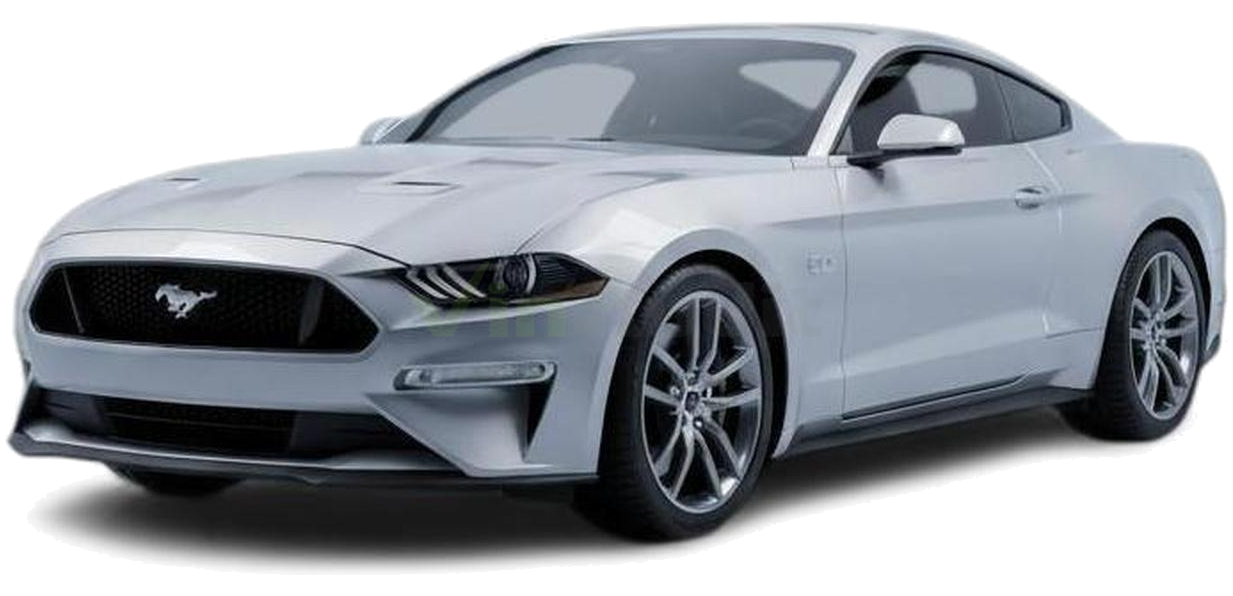
The Good
The 2006 Ford F-750 boasts strong performance with powerful diesel or gas engines, delivering exceptional towing and hauling capacities. Its heavy-duty construction ensures commercial-grade reliability and long-term durability, appealing to practical buyers seeking a dependable workhorse. While comfort is utilitarian, its purpose-built design and vast customization options make it incredibly versatile. For emotional buyers, it offers a sense of absolute capability and the power to conquer any job, providing excellent value as a robust, adaptable commercial asset.
The Bad
Known weaknesses for the 2006 Ford F-750 include inherently low fuel economy and a harsh, truck-like ride when unloaded. The interior is basic, lacking modern amenities. Watch out for specific engine issues, particularly if equipped with the Ford 6.0L Power Stroke diesel, which had well-documented reliability concerns. High maintenance and repair costs are also common for commercial-grade components, and significant rust on the chassis or body is a frequent long-term problem.
2006 Ford F-750: Quick Overview
- Engine Options: The 2006 Ford F-750 offered several robust engine choices to suit various commercial needs. Common diesel options included the Caterpillar C7 and the Cummins ISB. Less frequently, it could be found with the Ford 6.0L Power Stroke diesel. A gasoline option, the Ford Triton V10, was also available for specific applications requiring gasoline power.
- Horsepower: Horsepower figures varied significantly depending on the chosen engine and its specific tuning. The Caterpillar C7 typically ranged from 190 to 300 horsepower. The Cummins ISB engines generally offered between 200 and 300 horsepower. The Ford Triton V10 produced around 362 horsepower.
- Fuel Economy: Fuel economy is not rated for commercial vehicles of this class in the same way as passenger cars. Due to their heavy-duty nature and the loads they carry, expected fuel efficiency is quite low, typically falling into the single-digit miles per gallon range, often between 5-10 MPG depending on the engine, load, and application.
- 0-60 Times: Acceleration from 0-60 mph is not a performance metric for the Ford F-750. These trucks are designed for torque, pulling power, and durability, not rapid acceleration.
- Towing Capacity: Towing capacity is exceptionally high for the F-750, determined by its Gross Vehicle Weight Rating (GVWR) and Gross Combined Weight Rating (GCWR). GVWRs for the F-750 typically ranged from approximately 26,000 lbs to 33,000 lbs. Depending on the configuration and upfit, GCWR could exceed 40,000 lbs, allowing for substantial towing capabilities.
- Trim-Level Features: The F-750 does not utilize "trim levels" in the consumer sense. Instead, vehicles are configured based on chassis specifications such as wheelbase, cab style (Regular Cab, SuperCab, Crew Cab), GVWR class, and vocational packages. Standard features are utilitarian, often including an AM/FM radio, vinyl or cloth seating, and manual windows and locks (power options were available). The focus is on functionality with heavy-duty frames, various axle ratios, Power Take-Off (PTO) options, and available air brakes. Driver-oriented features prioritize visibility and robust, easy-to-use controls suitable for a demanding work environment.
2006 Ford F-750 Specifications
Vehicle Information
| Year | 2006 |
| Make | Ford |
| Model | F-750 |
| Trim | - |
| Style | 2WD |
| Type | Pickup Truck |
| Category | Medium Truck |
Manufacturing Details
| Made In | Mexico |
| Manufacturing City | ESCOBEDO |
Dimensions
| Doors | 4-Door |
| Curb Weight | - |
| Gross Vehicle Weight Rating | - |
| Overall Height | - |
| Overall Length | - |
| Overall Width | - |
| Wheelbase Length | - |
| Standard Seating | - |
Engine & Performance
| Engine | 7.2L I6 |
| Engine Size | 7.2L |
| Engine Cylinders | 6 |
| Transmission | - |
| Transmission Type | - |
| Transmission Speeds | - |
| Drivetrain | Rear-Wheel Drive |
Additional Features
| Anti-Brake System | - |
| Steering Type | - |
Pricing
| Manufacturer Suggested Retail Price (MSRP) | - |
| Invoice Price | - |
| Delivery Charges | - |
Vehicle History Report
Specifications
History
Events
History Check
Check
Check
Check
Check
Listings
Recalls
Check
Analysis
What Problems Does the 2006 Ford F-750 Have?
Engine-Specific Issues: The most critical factor influencing reliability is the engine choice. Models equipped with the Caterpillar C7 or Cummins ISB engines are generally considered more reliable, though they can still experience issues with injectors, EGR systems, or turbochargers as they age and accumulate high mileage. The Ford 6.0L Power Stroke diesel, if present (less common in F-750s than in F-250/350s but still a possibility), is famously problematic. Known issues include recurring head gasket failures, oil cooler clogging, EGR cooler failures, and injector issues, often leading to costly repairs. Buyers should exercise extreme caution with a 6.0L and ensure all "bulletproofing" modifications have been performed and documented.
General Commercial Vehicle Concerns: Regardless of the engine, several issues are common in heavily used commercial trucks like the F-750. These include rapid wear of brake components (pads, rotors, drums, air brake components) due to heavy loads. Suspension components like springs, shocks, and bushings are also prone to wear and tear. Transmission issues, ranging from hard shifting to outright failure, can occur if maintenance schedules are neglected or if the truck is consistently overloaded. Electrical problems, such as wiring harness corrosion, sensor failures, and intermittent shorts, become more common with age, especially in harsh environments. Rust and corrosion are significant long-term concerns, affecting the chassis, cab, and any installed upfits (like dump bodies or utility boxes), particularly in regions that use road salt.
Recalls: For the 2006 Ford F-750, recalls were typically related to safety-critical components or shared parts with other heavy-duty vehicles. A review of NHTSA records indicates potential recalls for issues such as steering linkage components, which could lead to a loss of steering control. Other recalls across the F-650/F-750 platform in similar model years have involved brake system components and lighting issues. Prospective buyers should always check a specific truck's VIN for any open recalls.
How long will the 2006 Ford F-750 last?
What Technology & Safety Features are Included?
For entertainment, the F-750 typically came with a standard AM/FM radio, occasionally with a CD player. The sound system was basic, usually consisting of a pair of door-mounted speakers, focused on providing news and music rather than immersive audio experiences. Aftermarket stereo upgrades were common for drivers seeking more entertainment options.
Driver-assistance features, as understood in contemporary vehicles (like adaptive cruise control, lane-keeping assist, or blind-spot monitoring), were non-existent in the 2006 F-750. Driver aids were limited to fundamental tools: large, often power-adjustable and heated, mirrors to maximize visibility, and a high seating position offering excellent command of the road. Air brakes, when equipped, provided powerful and reliable stopping capability for heavy loads.
Safety features included standard driver and passenger airbags (depending on cab configuration), three-point seatbelts, and anti-lock brakes (ABS). The robust, heavy-duty steel frame and chassis provided significant passive safety in the event of a collision, built to withstand substantial impacts. Optional safety enhancements were minimal but could include air brakes for enhanced stopping power and, in some rare configurations, basic traction control systems. Crash-test ratings from organizations like NHTSA or IIHS are not applicable for vehicles in the F-750's class. Commercial trucks of this size are not subjected to the same consumer crash tests as passenger vehicles, as they are engineered to different standards focusing on structural integrity, load-bearing capability, and preventing loss of control under severe conditions, rather than passenger impact attenuation in typical light-vehicle scenarios. Their safety is inherently tied to their heavy-duty construction and the professional operation by trained drivers.
What Colors Options are Available?
2006 Ford F-750 Prices and Market Value
Commercial trucks like the F-750 experience different depreciation patterns than passenger vehicles. They initially depreciate significantly, but then their value plateaus due to their enduring utility and durability. A 2006 model has already undergone its steepest depreciation. Key factors affecting resale value include the overall mechanical condition, engine choice (reliable Cummins/Cat engines command higher prices than the 6.0L Power Stroke), verifiable maintenance records, the condition and type of the installed upfit (a functional, in-demand upfit adds considerable value), and total mileage or engine hours. Minimal rust also significantly boosts resale appeal.
2006 Ford F-750 Cost of Ownership
2006 Ford F-750 Fuel Efficiency
2006 Ford F-750 Warranty
Basic
Powertrain
Rust
2006 Ford F-750 Insurance
reasonable repair costs.
How Does the 2006 Ford F-750 Compare to Other Pickup Truck?
In terms of performance, all these trucks offer comparable heavy-duty capabilities, primarily featuring various diesel engine options (Cummins, Caterpillar, International's own engines, or Isuzu for GM). The F-750's strength lies in its proven Ford chassis and flexible integration for diverse upfits. Horsepower and torque figures are similar across the board, designed for heavy hauling rather than speed.
Regarding features, all competitors are inherently utilitarian. Cabs are built for work, not luxury. While there might be minor differences in ergonomics or available creature comforts (like better seats or power accessories), none stand out for advanced technology. The Freightliner M2 106 often receives praise for its slightly more refined cab design and driver environment within this class.
Reliability is generally high across these commercial platforms, as they are all built for rigorous, long-term use. However, engine choice is a critical differentiator. The F-750 with a Caterpillar C7 or Cummins ISB engine is considered very reliable. If equipped with the Ford 6.0L Power Stroke, the F-750 might be less reliable than rivals often equipped with more consistently robust Cummins or Cat engines, making it a potential weak point. The International 4300 with a Cummins engine is also known for strong reliability.
Price in the used market is competitive across these models, heavily influenced by overall condition, mileage, engine type, and the quality/type of vocational upfit. No single brand consistently holds a significantly higher or lower price point across all conditions.
Recommended Alternatives: For similar ruggedness and capability with potentially more consistent engine reliability, a Freightliner M2 106 or an International 4300 equipped with a Cummins engine would be strong alternatives. These often offer robust platforms with good parts availability. If the heavy GVWR of the F-750 isn't strictly necessary, and the work can be accomplished with less capacity, a heavy-duty pickup like a Ford F-550 Super Duty chassis cab might offer a cheaper entry point and slightly lower running costs, though without the full commercial medium-duty capability or specialized upfit flexibility of the F-750.
Final Verdict: Is the 2006 Ford F-750 a Good Pickup Truck?
Is it worth buying? Yes, but with significant caution and under specific conditions. As a 2006 model, it's exclusively available on the used market. A pre-purchase inspection by a reputable heavy-duty mechanic is absolutely essential. Buyers should strongly favor models equipped with the Caterpillar C7 or Cummins ISB engines for superior long-term reliability compared to the problematic 6.0L Power Stroke. Comprehensive maintenance records are non-negotiable to gauge past care. Furthermore, a realistic budget for substantial ongoing fuel, insurance, and maintenance costs is crucial, as these trucks are expensive to operate. Ultimately, it's a pragmatic, budget-friendly purchase for a business requiring a proven, heavy-duty workhorse, provided its mechanical condition and history are thoroughly vetted and its operational costs are factored into business projections.

Simon A
Simon is a contributor to VinCheck, where he provides articles and reviews on various automotive topics. His work focuses on delivering accurate and up-to-date information about used cars, helping readers make informed decisions.