
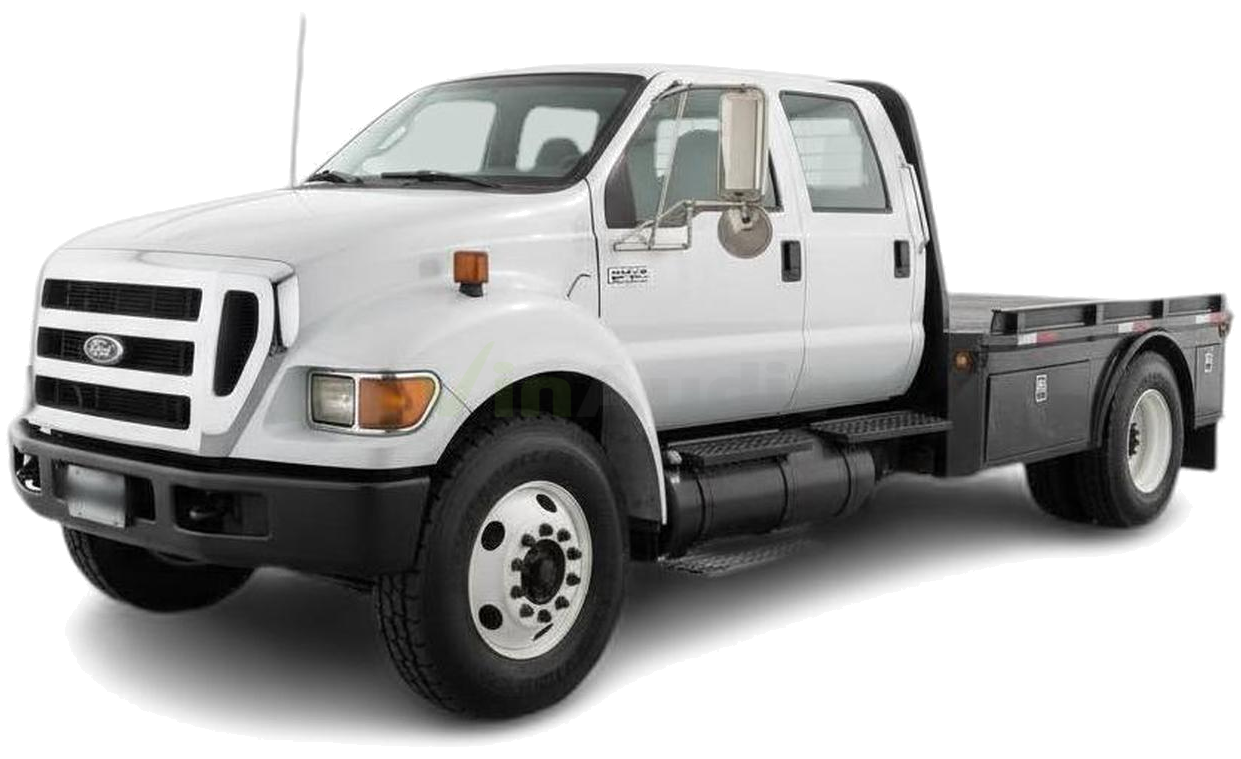
The Good
The 2009 Ford F-750 offers immense practical advantages through its exceptional performance and robust reliability, engineered for heavy-duty commercial demands. Its sheer towing and payload capacity appeals to practical businesses, while its imposing, purpose-built design evokes a sense of unstoppable capability for emotional buyers. It delivers strong long-term value as a durable, versatile workhorse that simply gets the job done.
The Bad
Known weaknesses of the 2009 Ford F-750 include its inherently poor fuel economy, limited maneuverability in urban environments due to its size, and a firm ride quality when unladen. Owners should also watch out for potential maintenance issues related to complex diesel emission systems, which can be costly to repair if neglected.
2009 Ford F-750: Quick Overview
The 2009 Ford F-750 offers a range of robust specifications tailored for heavy-duty commercial applications:
- Engine Options: Commonly featured diesel engines include the reliable Caterpillar C7 ACERT and the Cummins ISB 6.7L, both renowned for their torque and durability. Less commonly, a Ford 6.8L Triton V10 gasoline engine might be found on some lower GVWR configurations, though diesels dominate this class.
- Horsepower: Horsepower figures vary significantly by engine and tune. The Caterpillar C7 typically ranged from 200 to 300 hp, while the Cummins ISB 6.7L offered 200 to 325 hp. The Ford V10 gasoline engine produced around 362 hp, but its torque characteristics differ from the diesels.
- Fuel Economy: As a Class 7 heavy-duty truck, the F-750 is not subject to EPA fuel economy ratings. Owners should realistically expect single-digit miles per gallon, typically ranging from 5-10 MPG depending heavily on the load, engine, transmission, and driving conditions.
- 0-60 Times: Acceleration times are not a relevant performance metric for the F-750. Its design prioritizes immense torque and pulling power over rapid acceleration. Expect very slow 0-60 times, likely in the 20-30+ second range or more, as it's built for heavy hauling, not speed.
- Towing Capacity: The F-750 boasts exceptional towing and payload capacities. Gross Vehicle Weight Ratings (GVWR) commonly ranged from 25,999 lbs (Class 6 for CDL exemption) up to 33,000 lbs (Class 7). Gross Combined Weight Ratings (GCWR), which include the weight of the truck and its trailer, could exceed 50,000 lbs, with a properly equipped F-750 capable of towing 20,000 to over 30,000 lbs with a fifth-wheel or gooseneck setup.
- Trim-Level Features: "Trims" are more about configuration than luxury. Key features and options include multiple GVWR packages, various wheelbase lengths for diverse upfits, and heavy-duty front and rear axle ratings. Transmissions often include durable Allison automatic series (2000, 3000) or manual options. Cab styles range from Regular Cab to SuperCab and Crew Cab. Interior features are functional and robust, often with vinyl or cloth seating, basic AM/FM radio, air conditioning, and sometimes power windows/locks. Commercial-specific options like Power Take-Off (PTO), air-ride suspension seats, auxiliary fuel tanks, and different brake systems (hydraulic or full air brakes) were available.
2009 Ford F-750 Specifications
Vehicle Information
| Year | 2009 |
| Make | Ford |
| Model | F-750 |
| Trim | - |
| Style | 2WD |
| Type | Pickup Truck |
| Category | Medium Truck |
Manufacturing Details
| Made In | Mexico |
| Manufacturing City | ESCOBEDO |
Dimensions
| Doors | 4-Door |
| Curb Weight | - |
| Gross Vehicle Weight Rating | - |
| Overall Height | - |
| Overall Length | - |
| Overall Width | - |
| Wheelbase Length | - |
| Standard Seating | - |
Engine & Performance
| Engine | 7.2L I6 |
| Engine Size | 7.2L |
| Engine Cylinders | 6 |
| Transmission | - |
| Transmission Type | - |
| Transmission Speeds | - |
| Drivetrain | Rear-Wheel Drive |
Additional Features
| Anti-Brake System | - |
| Steering Type | - |
Pricing
| Manufacturer Suggested Retail Price (MSRP) | - |
| Invoice Price | - |
| Delivery Charges | - |
Vehicle History Report
Specifications
History
Events
History Check
Check
Check
Check
Check
Listings
Recalls
Check
Analysis
What Problems Does the 2009 Ford F-750 Have?
The 2009 Ford F-750, while built for durability, is not immune to problems, many of which are common to heavy-duty commercial vehicles. Frequently reported issues often revolve around its powertrain and commercial-grade components, particularly as these trucks accumulate high mileage under demanding conditions.
- Engine-Specific Issues: For models equipped with the Caterpillar C7 ACERT diesel engine, common concerns include potential problems with the HEUI (Hydraulically Actuated Electronic Unit Injection) pump, injector failures, and cooling system maladies. The Cummins ISB 6.7L diesel, especially in its early emissions-compliant iterations (post-2007), can experience issues with EGR (Exhaust Gas Recirculation) coolers, DPF (Diesel Particulate Filter) regeneration, turbocharger failures, and various sensor malfunctions leading to performance derating. Both diesel engines' complex emissions control systems require diligent maintenance; neglect often leads to expensive repairs. The less common Ford 6.8L Triton V10 gasoline engine, while generally robust, can sometimes develop exhaust manifold leaks.
- Transmission Concerns: While Allison automatic transmissions are largely reliable and preferred in this class, they still require strict adherence to fluid and filter change intervals. Neglected maintenance can lead to solenoid issues, delayed shifts, or premature clutch pack wear over time.
- Brake System Reliability: Air brake systems, often found on F-750s, demand regular inspection. Air leaks, compressor malfunctions, and routine wear on foundation brake components (drums, shoes, adjusters) are common and critical maintenance items. Hydraulic brake systems on lighter GVWR variants can experience issues with master cylinders or caliper functionality.
- Electrical and Accessory Problems: Given the complexity of modern vehicle wiring and common aftermarket upfits, electrical gremlins, sensor failures, and issues with charging systems can occur. Cold weather can exacerbate battery performance issues, particularly with diesel engines.
- Suspension and Steering Wear: Continuous heavy loads lead to wear on suspension components such as leaf springs, shocks, kingpins, and tie rods. Components of air suspension systems, if equipped, can also develop leaks or require recalibration.
- Chassis and Body Longevity: While the frame is robust, long-term exposure to road salts and harsh conditions can lead to rust on the frame rails and body components, especially in areas where upfits meet the chassis.
- Recalls: Ford has issued various recalls that could affect the 2009 F-750, often related to specific components shared across its commercial truck lineup. These can include issues with steering components, brake systems, or electrical modules. It is crucial for prospective buyers to check the VIN for any outstanding recall campaigns to ensure all necessary repairs have been performed.
How long will the 2009 Ford F-750 last?
The 2009 Ford F-750 is built for arduous commercial duty, and its average lifespan reflects this robustness. With proper maintenance, it's common for these trucks to achieve 300,000 to 500,000 miles or more, with many remaining in service for 15 to 25 years. Some exceptionally well-maintained units, particularly those with Cummins engines, can even surpass 700,000 miles.
Long-term durability is a hallmark, with the heavy-duty chassis, axles, and major powertrain components engineered to withstand continuous stress. However, weaknesses emerge over time. The sophisticated diesel emissions systems (EGR, DPF) become more prone to issues as they age, often requiring costly repairs if not meticulously serviced. Rust is a significant long-term concern, particularly on the frame, cab, and any upfit mounting points, especially in regions exposed to road salt. Expect routine replacement of wear items like suspension components, steering linkages, and brake system parts. Interior materials, while durable, will show considerable wear and tear after years of commercial use. Electrical connections and sensors can also degrade, leading to intermittent issues.
What Technology & Safety Features are Included?
The 2009 Ford F-750, as a heavy-duty commercial vehicle, prioritizes functionality and ruggedness over sophisticated amenities or cutting-edge technology. Built-in technology and entertainment features are decidedly basic, reflecting its purpose as a work instrument.
Standard features typically included a rudimentary AM/FM radio, sometimes with an optional CD player, though auxiliary inputs were less common for this model year. The dashboard housed essential analog gauges for monitoring speed, engine RPM, fuel level, coolant temperature, oil pressure, and voltage, along with air pressure gauges for models equipped with air brakes. A digital odometer and trip meter were standard. Comfort and convenience features like air conditioning, cruise control, and power windows and door locks were often optional additions, providing a minimal level of modern amenity for drivers spending long hours on the road.
Driver-assistance technologies, ubiquitous in passenger vehicles today, were virtually non-existent in the 2009 F-750. This class of truck relies heavily on driver skill and situational awareness rather than electronic aids like lane-keeping assist, adaptive cruise control, or blind-spot monitoring.
Regarding safety features, the F-750's primary safety lies in its immense size, weight, and robust, heavy-duty frame and cabin construction, designed to withstand severe impacts. Standard safety equipment typically included driver-side airbags (passenger airbags were often optional or dependent on cab configuration), and three-point seat belts. An Anti-lock Braking System (ABS) was becoming standard on many configurations, particularly those with air brakes, enhancing control during emergency stops. The sheer stopping power of its heavy-duty hydraulic or air brake systems also contributes significantly to safety.
Optional features often included air-ride seats for enhanced driver comfort, heated mirrors for improved visibility in cold weather, and various specialized lighting packages tailored to specific commercial applications. It is crucial to note that heavy-duty commercial trucks like the F-750 are not subjected to crash-test ratings by organizations like NHTSA or IIHS, as their substantial mass and intended use fall outside the scope of consumer-oriented vehicle testing protocols. Their inherent structural integrity and sheer size provide a different dimension of safety.
What Colors Options are Available?
2009 Ford F-750 Prices and Market Value
When new in 2009, the Ford F-750's price varied immensely based on configuration and desired upfit. A bare chassis cab might have started in the $40,000-$50,000 range, but fully equipped with a suitable commercial body and a preferred powertrain, new prices commonly soared to $70,000, and often well over $100,000 for specialized applications.
Today, in the used market, a 2009 F-750 can range widely from approximately $10,000 for high-mileage, well-used units requiring significant work, up to $40,000-$60,000 or even more for exceptionally well-maintained, lower-mileage examples with desirable and functional upfits. Depreciation for commercial trucks is steep initially, but then tends to level off significantly more than passenger vehicles, as their value is tied to their utility and earning potential. Factors heavily influencing resale value include the overall mechanical and cosmetic condition, verifiable maintenance history, engine and transmission type (Cummins/Allison often command a premium), the specific type and condition of the upfit (e.g., dump body, box truck, utility bed), and the truck's Gross Vehicle Weight Rating (GVWR) as it affects licensing requirements. Lower mileage and rust-free chassis are always highly sought after.
2009 Ford F-750 Cost of Ownership
Owning a 2009 Ford F-750 is generally a costly endeavor. Commercial insurance rates are substantially higher than personal vehicle insurance, varying with usage and cargo. Fuel costs are a major expense, with the F-750 typically delivering single-digit miles per gallon running on commercial diesel. Maintenance is extensive and specialized; heavy-duty components like tires, brakes, and large fluid volumes are expensive, and service intervals are critical. Repairs can be exceedingly costly due to expensive parts, high labor rates at commercial truck service centers, and the complexity of diesel engines and emissions systems, with major engine repairs easily reaching five figures. While not economical for personal ownership, for businesses, these high operational costs are often justified by the F-750's immense earning potential and indispensable utility as a dedicated workhorse, making it a sound investment despite its expense.
2009 Ford F-750 Fuel Efficiency
2009 Ford F-750 Recalls & Defects
Exterior Lighting
2009 Ford F-750 Warranty
Basic
Powertrain
Rust
2009 Ford F-750 Insurance
reasonable repair costs.
How Does the 2009 Ford F-750 Compare to Other Pickup Truck?
The 2009 Ford F-750 operates in a fiercely competitive heavy-duty commercial truck segment, stacking up against formidable rivals like the Freightliner M2 106, International DuraStar, Kenworth T270/T370, and Hino 338. In terms of performance, the F-750 is highly competitive. Its robust engine options, primarily the Caterpillar C7 and Cummins ISB 6.7L diesels, along with the less common Ford 6.8L V10, provide ample torque and hauling capacity on par with its peers. No single rival drastically outperforms the F-750 in raw pulling power; performance largely depends on the specific powertrain combination chosen for each truck.
Regarding features, all these medium-duty trucks are purpose-built work vehicles, so luxury amenities are minimal. The F-750 offers a functional, durable cabin, comparable to its rivals. While some competitors like the Freightliner M2 106 might offer slightly more modern ergonomics or a broader range of cab configurations, the F-750 provides all the necessary heavy-duty options, such as various GVWRs, axle ratings, and transmission choices (including the ubiquitous Allison automatics).
Reliability across this class is generally strong, predicated on diligent maintenance. The F-750, with its common engine and transmission suppliers, shares a similar reliability profile with its competitors. Long-term durability is high for all, assuming proper care. Ford's extensive dealer and parts network can be a practical advantage for service and repairs compared to some more niche brands.
New pricing for the F-750 was competitive with its rivals for similarly equipped models. In the used market, current prices for these heavy-duty trucks are also comparable, heavily influenced by factors such as mileage, condition, the specific upfit, and engine type. Trucks with well-regarded powertrains like Cummins and Allison tend to retain better value across all brands.
Recommended Alternatives:
- Freightliner M2 106: A top-tier direct competitor, known for its excellent versatility, driver comfort, and wide array of Cummins engine and Allison transmission options. It's often considered a slightly more refined package.
- International DuraStar (now MV Series): Another strong rival offering similar customizable chassis options and various engine choices. It provides a robust alternative for diverse commercial applications.
- Hino 338: Known for its Japanese engineering and reliability, the Hino 338 is a durable choice, often favored for box truck applications, offering excellent uptime, though it might have slightly less extreme GVWR flexibility than the F-750 or M2.
Ultimately, the choice among these trucks often comes down to specific operational needs, preferred dealer support, and the best available used example with the right upfit.
Final Verdict: Is the 2009 Ford F-750 a Good Pickup Truck?
The 2009 Ford F-750 is an ideal vehicle for businesses, municipalities, and heavy-duty contractors requiring a formidable, reliable workhorse capable of immense hauling, towing, and specialized equipment carrying. It is unequivocally not suited for personal use due to its size, operating costs, and lack of creature comforts. For those with a genuine commercial need, the F-750 is absolutely worth buying, particularly on the used market where its initial depreciation has already occurred.
When considering a purchase, focus on well-maintained used examples with comprehensive service records. Prioritize configurations featuring reliable powertrains like the Cummins ISB engine paired with an Allison automatic transmission for optimal long-term durability and parts availability. Ensure the Gross Vehicle Weight Rating (GVWR) aligns with your operational and licensing requirements, and that any existing upfit (e.g., dump body, utility bed) is in good, functional condition. Be prepared for substantial ongoing fuel, maintenance, and potential repair costs. The F-750 is a sound investment only when its incredible capabilities are leveraged for revenue-generating work, where its utility justifies the operational expenses.

Simon A
Simon is a contributor to VinCheck, where he provides articles and reviews on various automotive topics. His work focuses on delivering accurate and up-to-date information about used cars, helping readers make informed decisions.